CCTV News: The National Bureau of Grain and Material Reserves released a news on January 23 that the purchase of autumn grain in the new season is progressing smoothly. As of now, the country has purchased a total of 250 million tons of autumn grain in the new season.
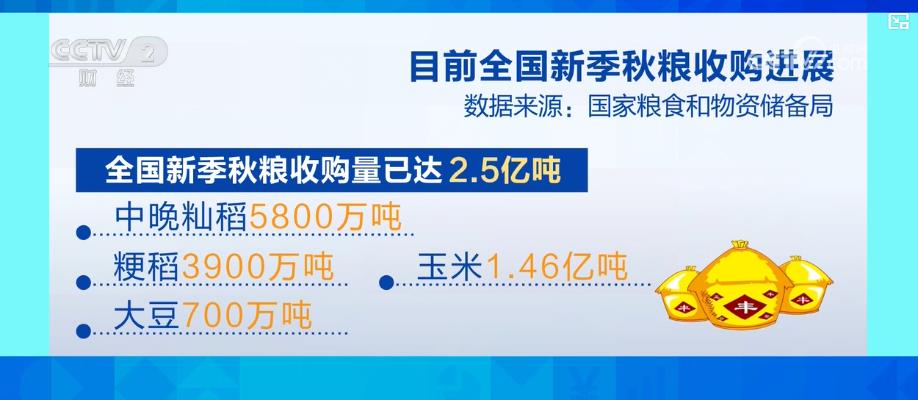
At present, the peak autumn grain purchases in various places are accelerating, farmers' grain sales channels are smooth, and various market entities such as grain reserves, processing, trading enterprises and grain brokers are actively entering the market. Some feed and deep processing enterprises have increased the quantity of stocking before the Spring Festival. The national autumn grain purchase volume has reached 250 million tons in the new season, of which 58 million tons of medium and late indica rice, 39 million tons of japonica rice, 146 million tons of corn, and 7 million tons of soybeans are purchased.
Luo Shouquan, Director of the Grain Reserve Department of the National Grain and Material Reserve Bureau, introduced that under the guidance of a series of regulatory policies, the purchase and sales of the grain market are relatively active, and the purchase progress is faster than the same period last year. While organizing market-oriented purchases, in order to protect the interests of grain-growing farmers, relevant state departments promptly launched the implementation plan for the minimum purchase price in some medium and late rice production areas. As of now, the cumulative purchase price of medium and late rice has been purchased at 7 million tons.
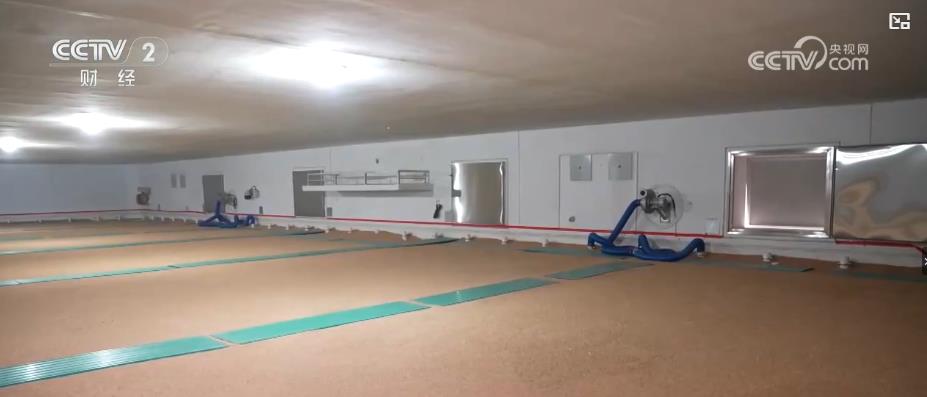
Luo Shouquan introduced that the current grain market is generally stable, the rice price remains stable under the support of the lowest purchase price policy, and the characteristics of high-quality and high-price are obvious; the purchase price of corn has rebounded compared with the previous period; crushing companies and food processing companies have increased their purchase of domestic soybeans, and the prices are basically stable.
Luo Shouquan said that in the next step, we will continue to strengthen market tracking and monitoring, closely monitor market purchase and sales trends, guide local governments and relevant enterprises to conscientiously implement storage and control measures, further stimulate the purchasing and sales vitality of multiple entities, and actively promote the maintenance of grain market prices at a reasonable level.