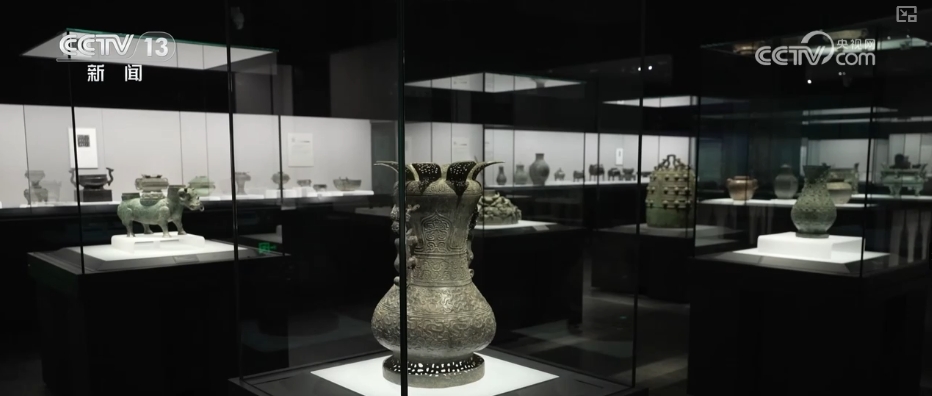
CCTV News: Bronze ware is an important representative of ancient Chinese civilization and is also an ancient art treasure of the Chinese nation. Its shape, pattern, craftsmanship and other aspects have extremely high artistic value. Bronze cultural relics will cause various diseases such as incompleteness, deformation, corrosion due to different preservation states. Therefore, the protection and repair of bronzes is particularly important.
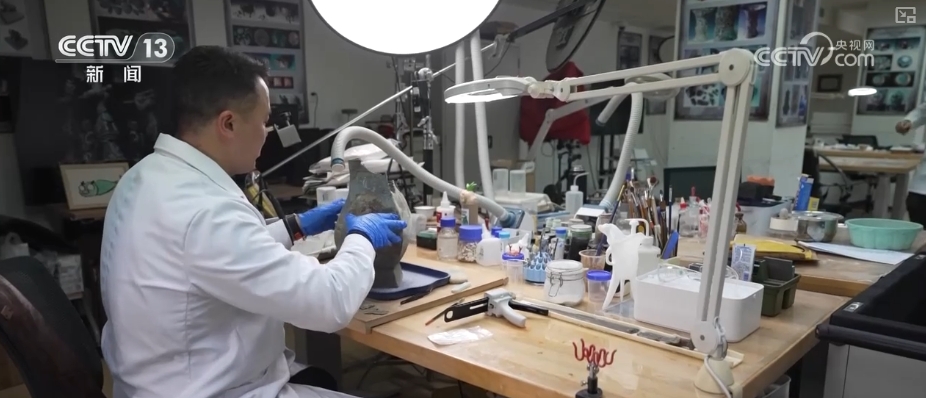
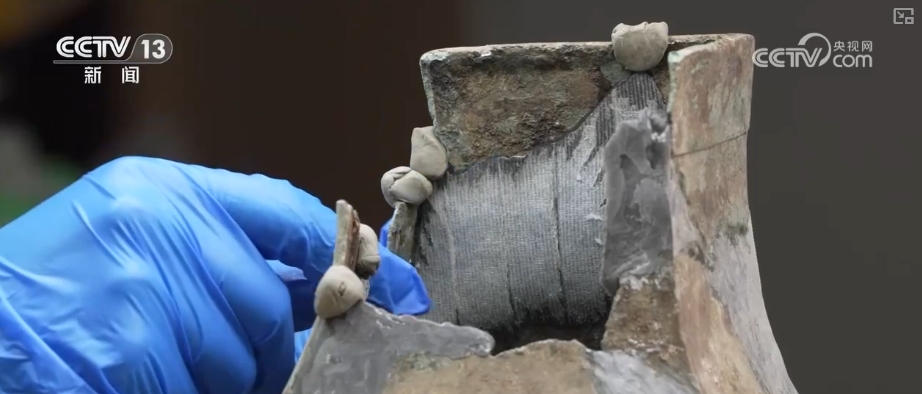
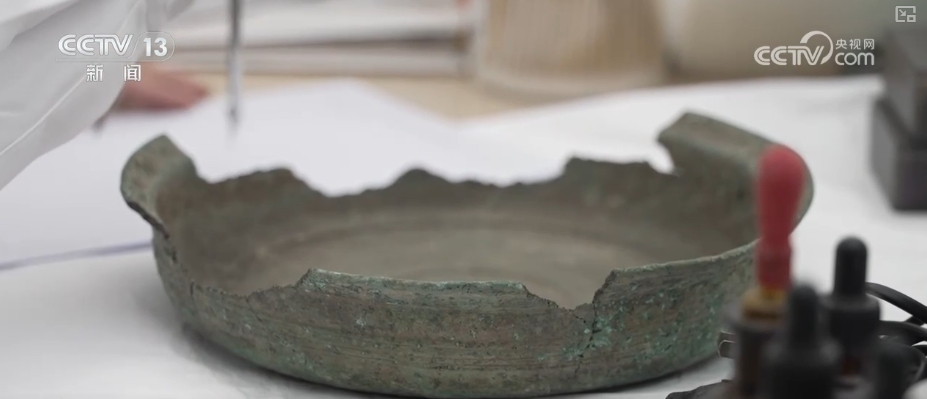
At the Cultural Relics Protection Science and Technology Center of the Shanghai Museum, staff of the cultural relics restoration team are splicing this Han Dynasty bronze square pot. This Han Dynasty bronze square pot unearthed in Nanjing area was severely fractured and missing due to strong compression of the strata, and the number of fragments was as high as 50 pieces.
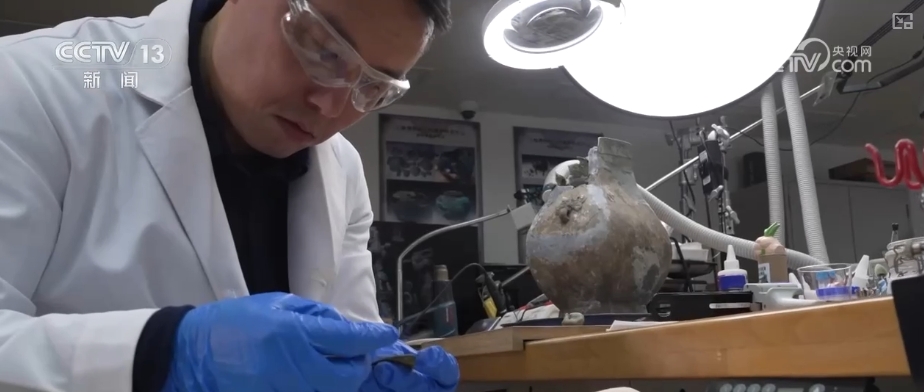
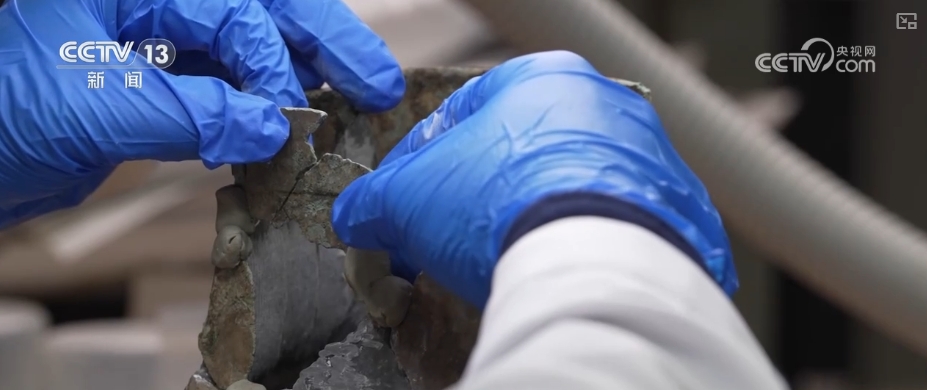
Zhang Peichen, a representative inheritor of the restoration and reproduction skills of bronze ware and a research librarian at the Shanghai Museum, introduced that the biggest difficulty of this restoration is splicing, because there is more moisture in the south, and the corrosion caused to this utensil is serious. It almost reaches the level of mineralization throughout the body. It is like a short cookie, and it breaks with a slight break. Cultural relics that suffer from diseases are very similar to "patients", cultural relics restorators are like "doctors", and "doctors" will tailor the restoration plan for it.
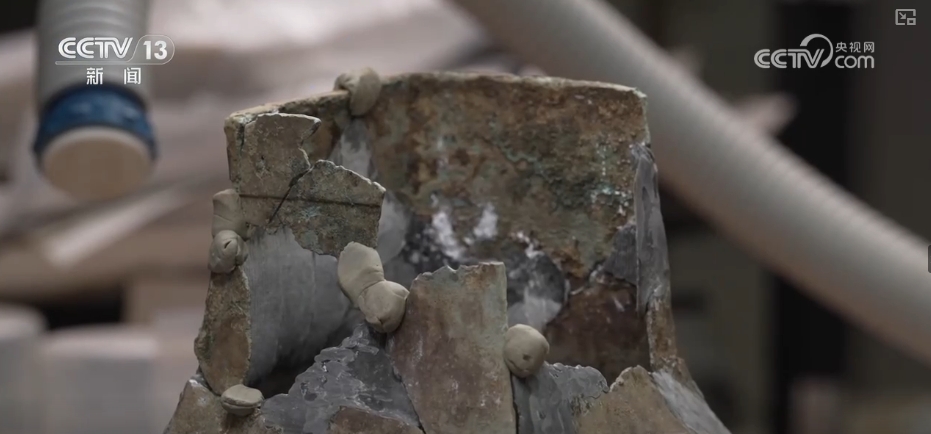
At present, this cultural relic has been spliced 80%, and then the next step of filling in the gaps is carried out. As the first cultural and museum institution in China to form a cultural relic restoration and replication team, the Shanghai Museum established a cultural relic restoration workshop in 1958.
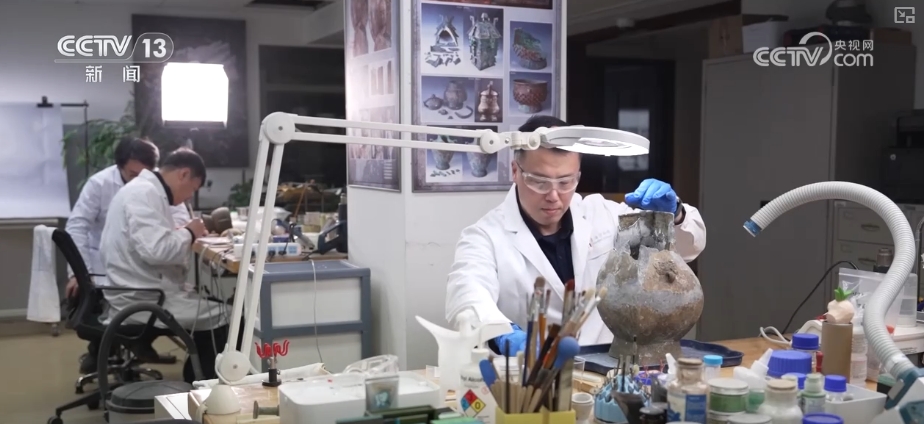
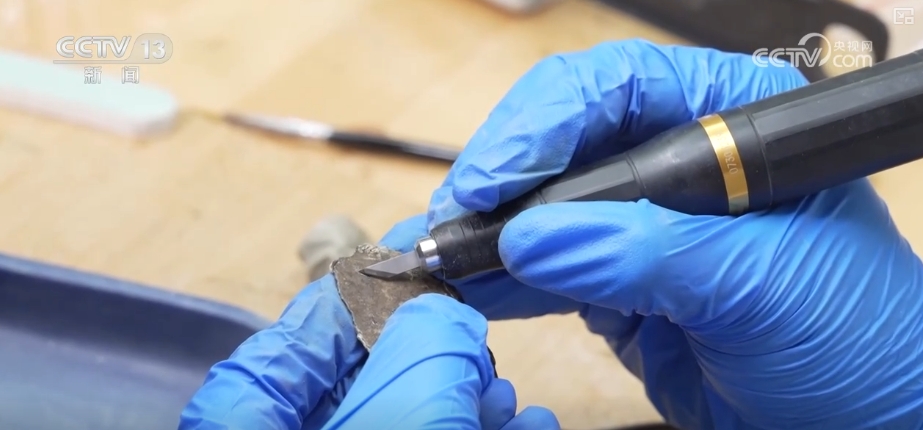
In 2021, the bronze restoration and reproduction skills of the Shanghai Museum were selected as national intangible cultural heritage. The bronze restoration and reproduction techniques of the Shanghai Museum cover more than ten complex and fine craftsmanship links such as cleaning, rust removal, orthopedic, splicing, and engraving.
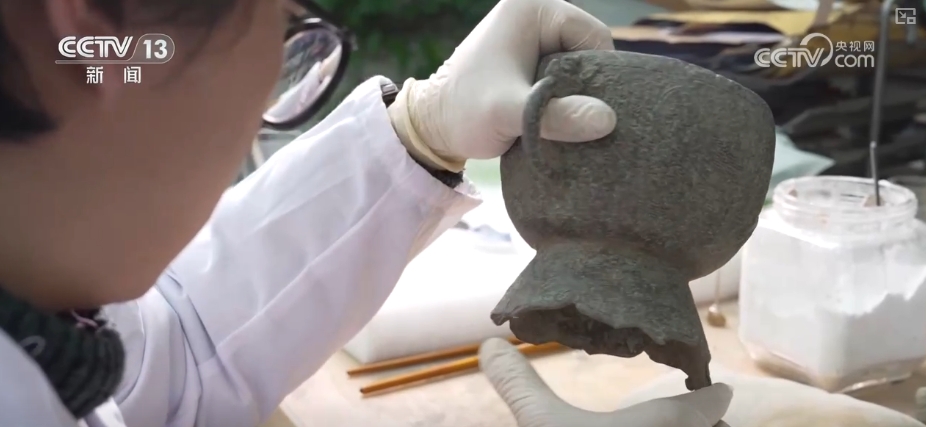
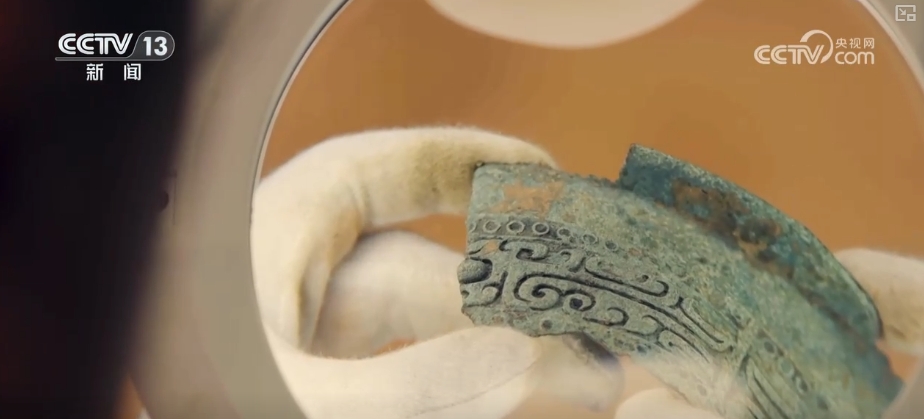
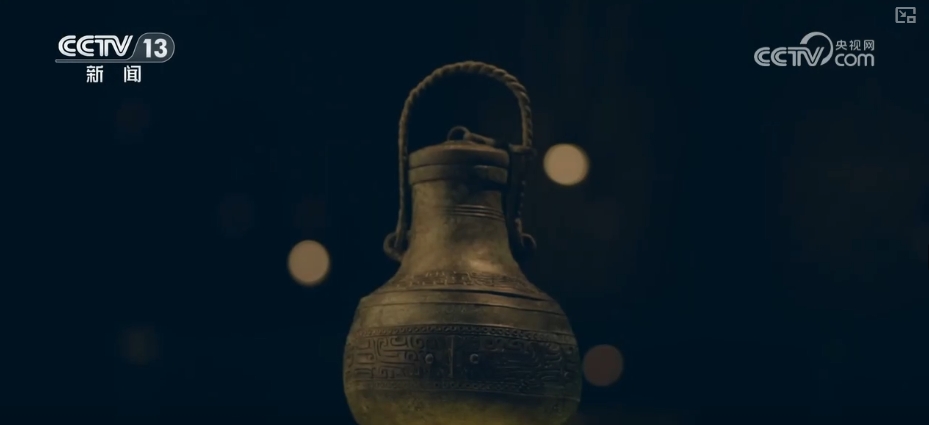
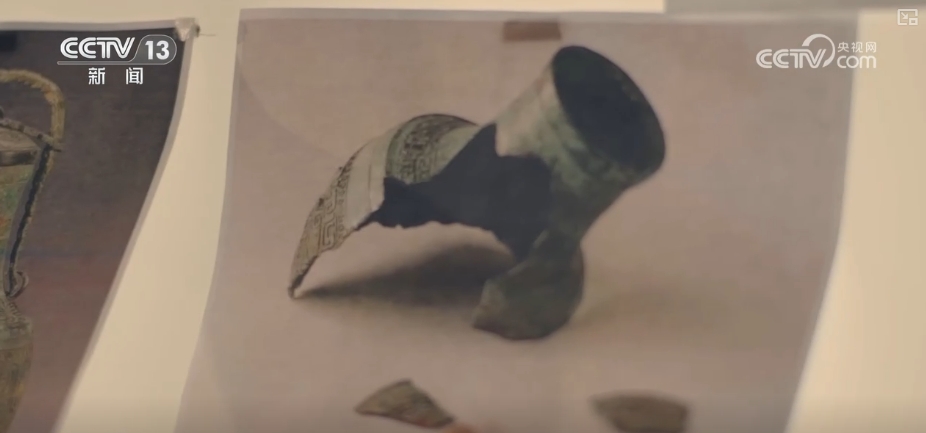
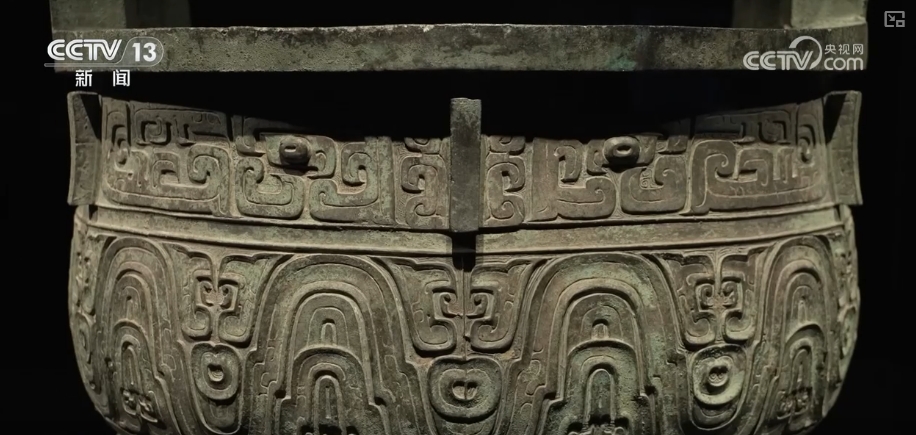
Compensing is a key process for restoring damaged parts in the technology. This mid-Shanghai Museum collection of animal-faced pot with exquisite patterns and unique shapes. Repairing nearly two-thirds of the incomplete in the forebodies can be regarded as a major "difficulty" in bronze diseases.
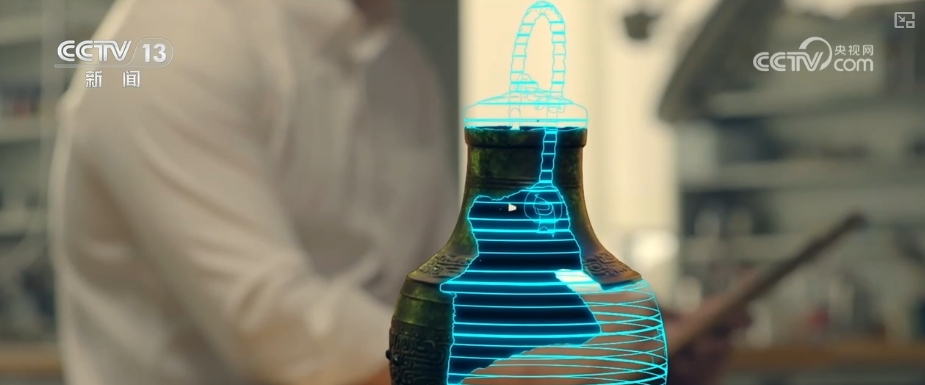
Zhang Peichen introduced that they use modern data simulation combined with traditional repair methods to operate on the physical defects according to 3D simulation data. During this production process, it has four materials converted, including clay sculptures converted into gypsum and wax, and finally converted into bronze, and then matched with the original. In fact, this is also a comprehensive assessment of the skills of restorators.
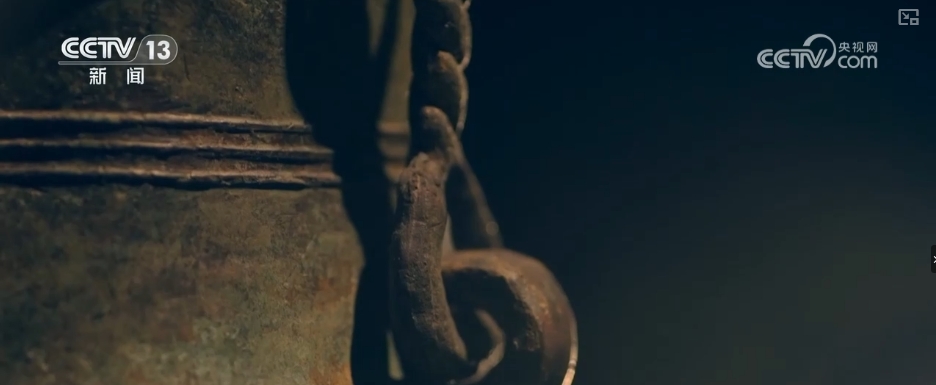
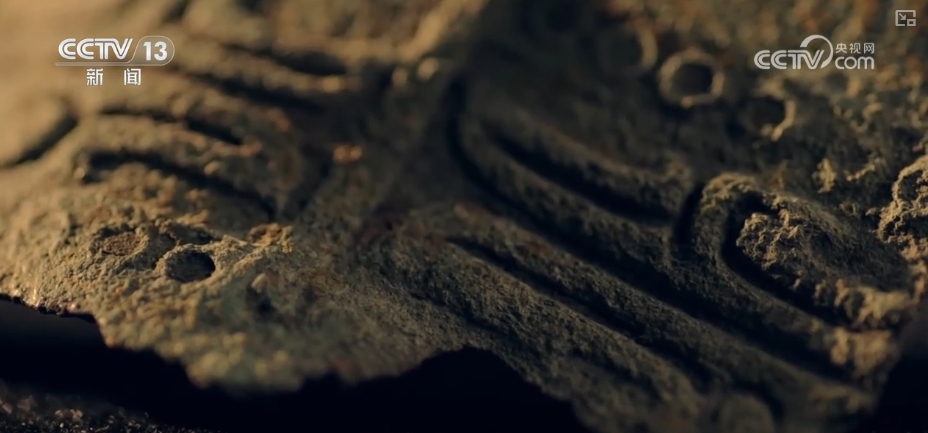
The difficulty in restoring bronze ware lies in the need of restoration engineers to have superb technology and rich experience. At the same time, they must protect the historical information and artistic value of cultural relics during the restoration process.
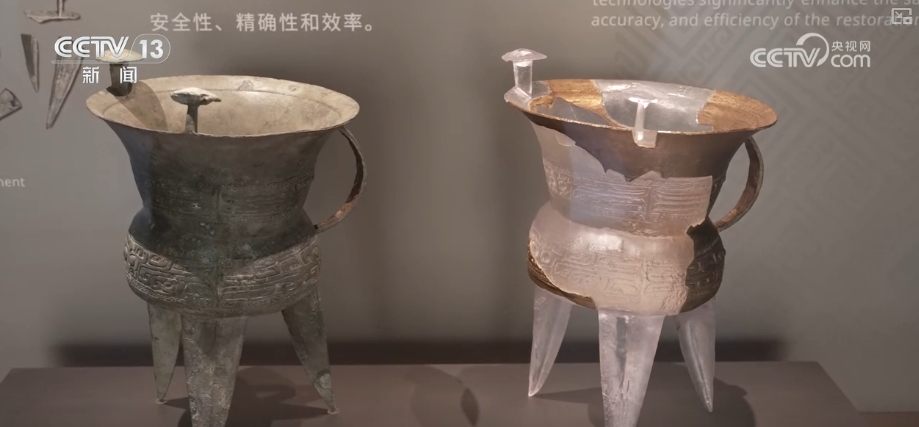
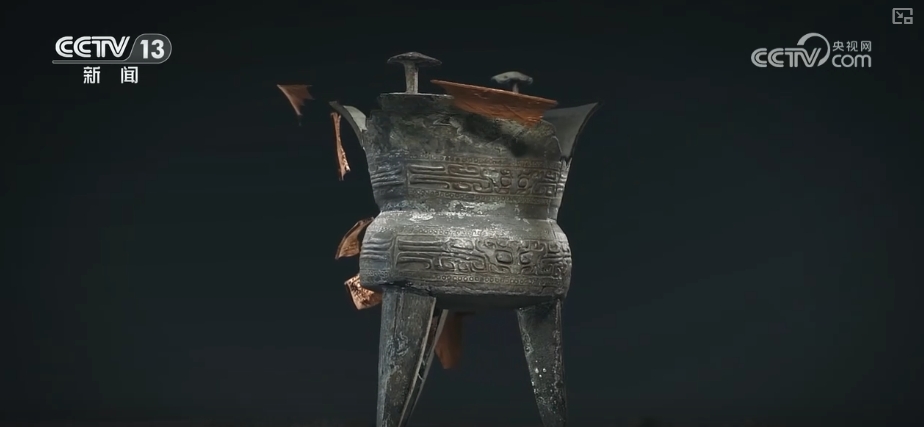
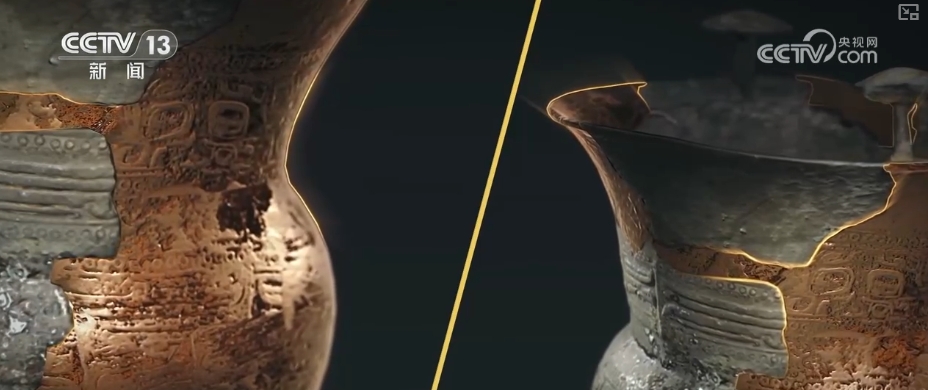
Technology is constantly developing, and more new technologies are also integrated into the restoration work, allowing many cultural relics that "sleep" in the cultural relics warehouse to be reborn. This Shang Dynasty animal face pattern has been shelved for a long time due to lack of repair basis. With the help of three-dimensional scanning, metal three-dimensional printing and other technologies, it provides more diverse means for splicing and restoration of cultural relics.
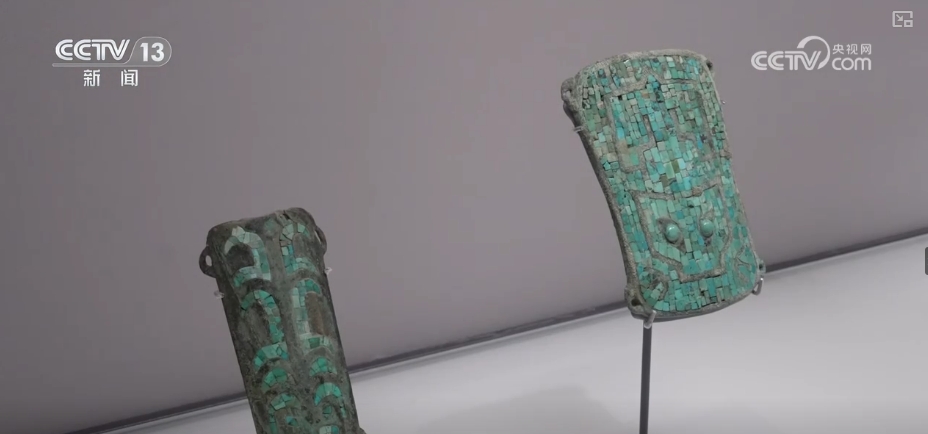
This Xia Dynasty inlaid animal face pattern decorative. When repairing the turquoise on it, how many pieces to make up and how to arrange them, we have to rely on the experience of the restorator in the past. During this repair, the team used artificial intelligence to calculate the distribution rules of turquoise and completed the repair work with reference to the backfilling plan given by AI.
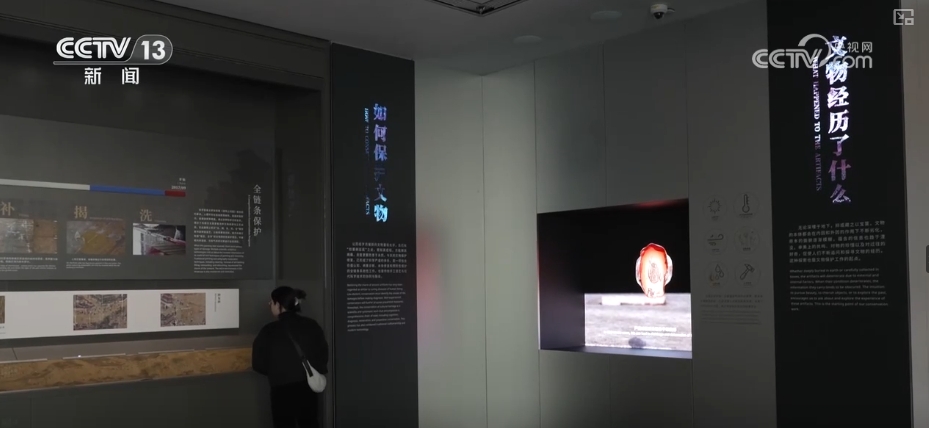
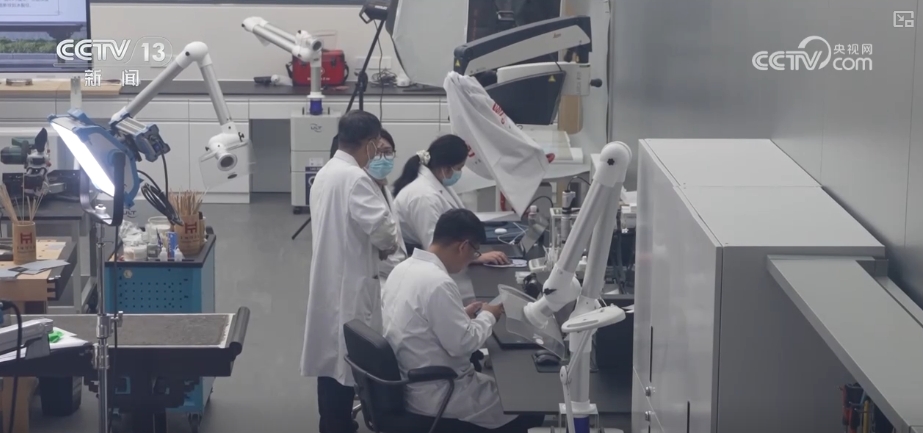
For more than 60 years, the bronze restoration team of the Shanghai Museum has restored and copied tens of thousands of bronze relics, and related skills are also being passed down through continuous exploration and innovation. In 2024, the fully opened Shanghai Museum East Pavilion will be built and specially set up a cultural relics protection and restoration experience hall. Through open cultural relics restoration display and theme display, it will unveil the mystery of cultural relics protection and restoration work for the public.
Huang He, deputy director of Shanghai Museum, said that cultural relics are an important carrier for continuing the blood of civilization and inheriting Chinese civilization. Through the restoration of cultural relics, the life of cultural relics can be better continued, and the historical, scientific, artistic and other values of cultural relics can be revealed or reproduced.