CCTV News: Automobile tariffs and reciprocal tariffs, the United States is getting further and further on the road of anti-globalization and supply chain decoupling. What impact will the US economy and even the global economy under the shadow of the trade war? Let’s see the relevant reports.
The New York Times of the United States: Tariffs tear apart allies
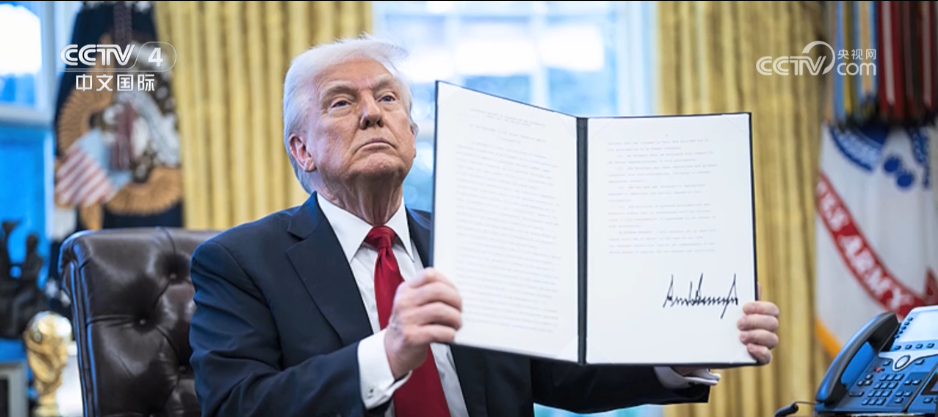
The U.S. influence has long been based on the promotion of values and common interests, and has now completely changed. Analysts said "only big sticks, no carrots." U.S. President Trump’s unexpected intention to impose a 25% tariff on cars and auto parts imported into the United States, which will not only disrupt supply chains, but will also increase anger and alienation among U.S. allies, increasing pressure on them to take retaliation measures. The hostile posture of the United States has also led tourists around the world to cancel their plans to go to the United States.
Spain's Pioneer: Impacting the global automotive supply chain
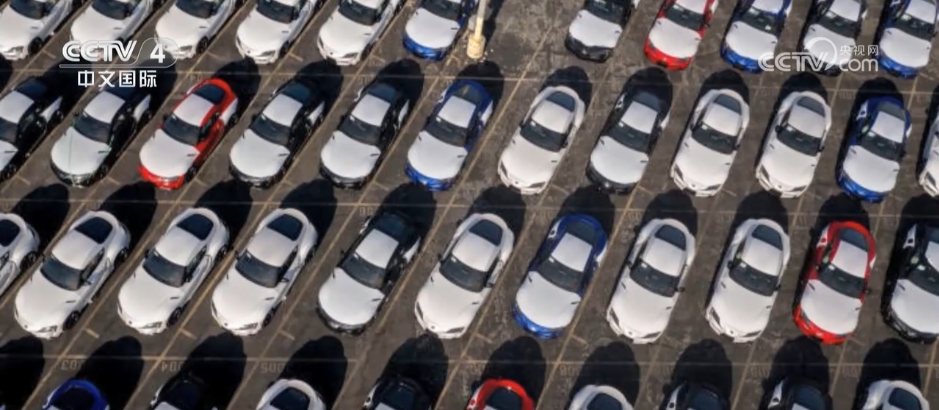
Data shows that nearly half of the new passenger cars sold in the United States in 2024 are assembled outside the United States. Most of these cars are from Mexico, Japan, South Korea, Canada and Germany. Trump's new tariffs put heavy pressure on these five major automobile exporters and will also subvert global automobile trade and supply chains. Experts warned that considering the importance of automobiles as a core industry, "taking action" to the automobile industry is tantamount to "playing with fire". This will lead to temporary shutdowns in large quantities of automobile production in the United States and rising prices, seriously eroding the confidence of enterprises and consumers.
The Financial Times: "America First" faces real difficulties
Trump sets April 2 as the time to fully upgrade tariff policies. "It's finally time for the United States to take back some money and respect," he wrote on social media. Allies called for the United States to take a more cautious approach, but Trump has been preparing for a major escalation of the global trade war. Analysts warn that uncertainty in U.S. policy is increasing the likelihood of a recession. Even if the industrial chain returns, a surge in manufacturing costs is still inevitable. "America First" is facing real difficulties, and investors have withdrawn from the US stock market and turned to safe-haven assets.
NBC: Disrupting the global trade system
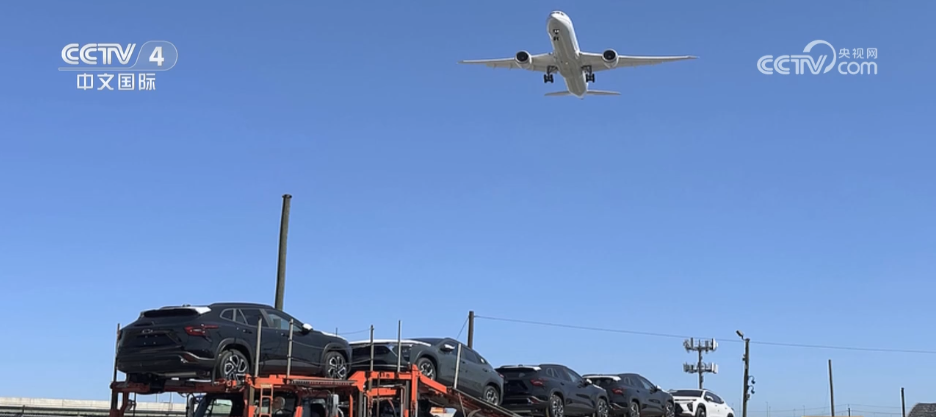
Trump revealed that some countries are seeking to reach an agreement to avoid reciprocal tariffs, and he "stay open to it. If some agreements can be negotiated, we can get some benefits from it." Americans are worried that this will trigger a chain reaction and deepen pessimism about the economy and employment prospects. The Trump administration's tariff policy has attracted opposition and criticism from multiple parties. Canada stressed that the United States is "no longer a reliable trading partner"; the German Chancellor criticized the United States for choosing a path of "everyone loses"; the Spanish Prime Minister called on the United States to stop such "absurd behavior."