CCTV News: In recent years, with the rise of new Chinese clothing, the Chinese fabric market has continued to be hot. In 2024, the sales of 50 silk sample enterprises nationwide exceeded 3.8 billion yuan, a year-on-year increase of 4.2%. The ancient fabric - silk has once again won the favor of consumers.
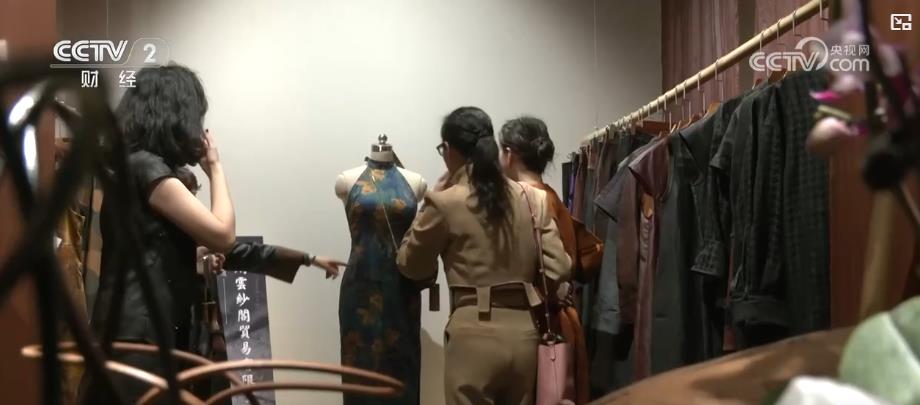
Guangdong Shunde is the national geographical indication certification site of Xiangyunsha and is also the core production area of Xiangyunsha. Walking in the streets and alleys of Shunde, Xiang Yunsha can be seen everywhere. This unique silk fabric is loved by many consumers for its exquisite production craftsmanship and profound cultural heritage.
The heat from the consumer side is directly transmitted to the upstream. Guangdong Shunde Lunjiao Xiangyunsha Trading Center is an important place for domestic Xiangyunsha trading. There are endless buyers coming to order in the past few days.
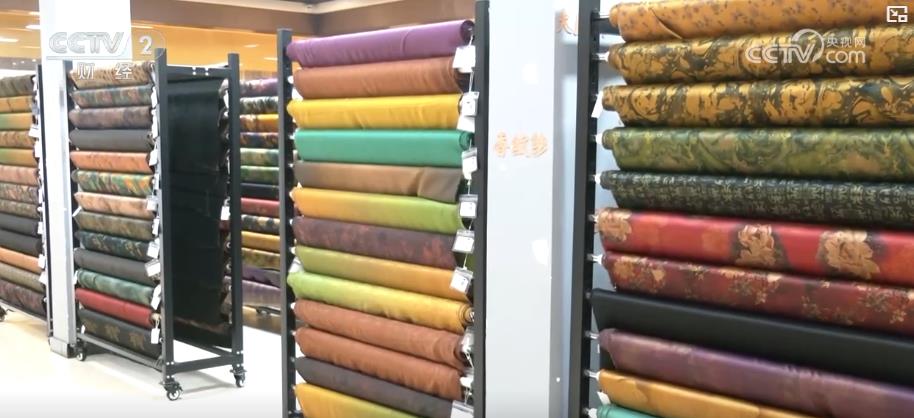
Some business leaders said that the continuous rainy weather last year affected the drying cycle of Xiangyunsha, resulting in a decline in overall output and a slight increase in prices. However, this year, Xiangyunsha's order volume increased by 50% compared with the same period last year. After the beginning of spring, many local production and processing enterprises are increasing equipment to rush to make orders.
Industry insiders predict that the retail scale of my country's Xiangyunsha market will reach 110.8 billion yuan in 2025. With the continuous increase in cultural confidence, Xiangyunsha is quickly accepted by the market and has shown huge market potential.
Innovative crafts of ancient methods of fused fragrant cloud yarn, traditional intangible cultural heritage is revitalized
The reason why fragrant cloud yarn has become the largest silk fabric in recent years is due to its unique craftsmanship that has been passed down for hundreds of years. So, how to make fragrant cloud saint? How can intangible cultural heritage crafts win more markets?
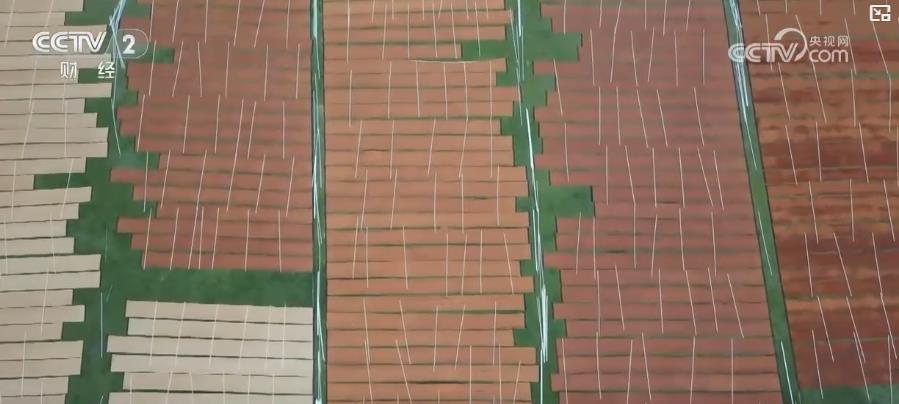
Master Zhao, who has been engaged in the production of Xiangyunsha for 30 years, said that the most critical raw materials for making Xiangyunsha are potato savory and river mud. First, crush the natural potato slings and extract the juice, and then soak the raw silk fabric repeatedly in the potato slings and juice. After many sun exposure, the fabric will show a dark brown luster.
However, to lock in the unique "black and shiny" color of Xiangyunsha, another key step is needed - crossing the river mud.
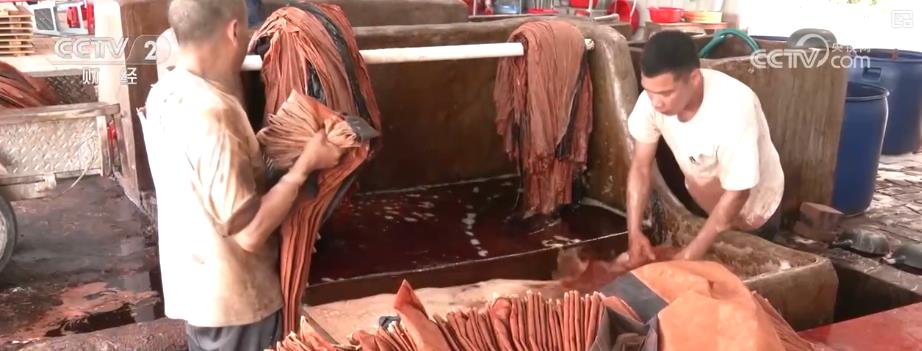
Under the chemical reaction between the shredded rouge and the river mud, Xiangyunsha has the characteristics of being different in color, smooth and cool in the front and back. The average price of ordinary raw silk per meter is one or two hundred yuan. After the processing of Xiangyun Yarn dyeing and finishing process, the average price per meter can reach 300 yuan or even 500 yuan. In the past, the ancient style of Xiangyunya was calm and monotonous, and the style was relatively single, which was not in line with the preferences of young people. In order to open up a larger market, many Xiangyunsha practitioners are also innovating.
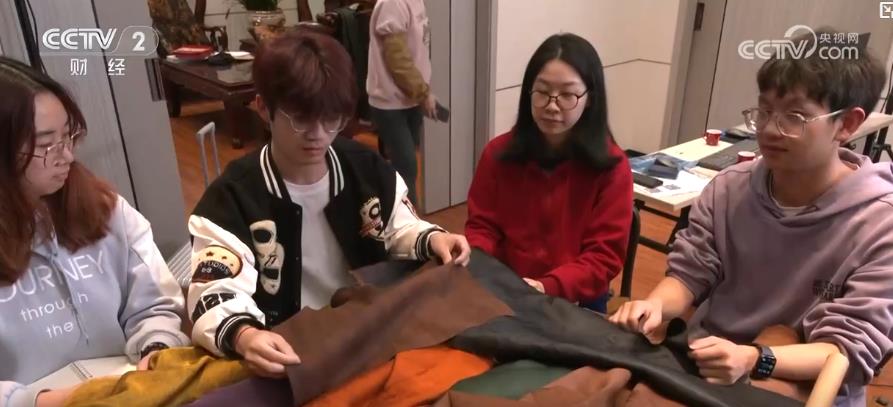
In Ouyang Fengting's studio, the design team is doing the new season of fabric selection. On the basis of retaining the ancient Xiangyunsha craft, they empowered modern weaving technology and combined with digital printing, embroidery, tie-dyeing, gilding and other technologies, Xiangyunsha achieved the precise presentation of complex patterns and colors.
"Fragrant Yunsha + Cultural Tourism" new scene stimulates new vitality for consumption
Not only continue to innovate in the field of traditional clothing, but in recent years, the local area has also fully integrated Xiangyunsha craftsmanship with culture and tourism to stimulate new vitality for the cultural and tourism market.
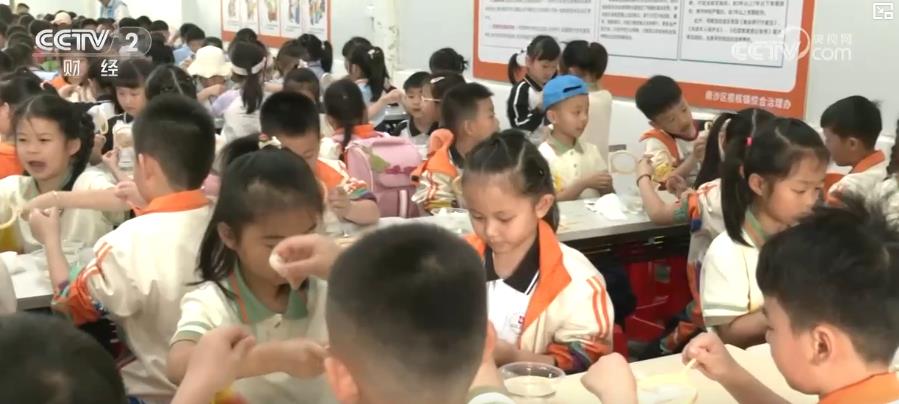
In a Xiangyunsha Cultural and Creative Industrial Park located in Zhumei Village, Nansha District, Guangzhou, students are experiencing the base of making the Xiangyunsha fan.
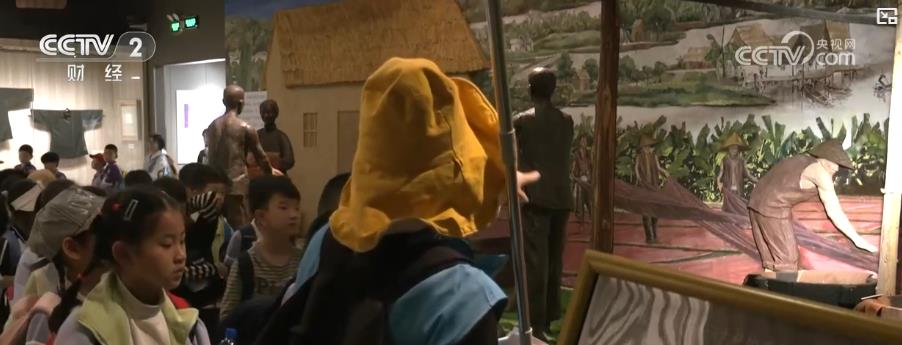
It is understood that a total of 11 intangible cultural heritage study courses are offered here. Here students can experience the "crossing the river mud" of Xiangyunsha, paint on silk cloth, and learn about the development history of the Xiangyunsha dyeing and finishing technology for hundreds of years, attracting a large number of study teams and tourists to experience it.
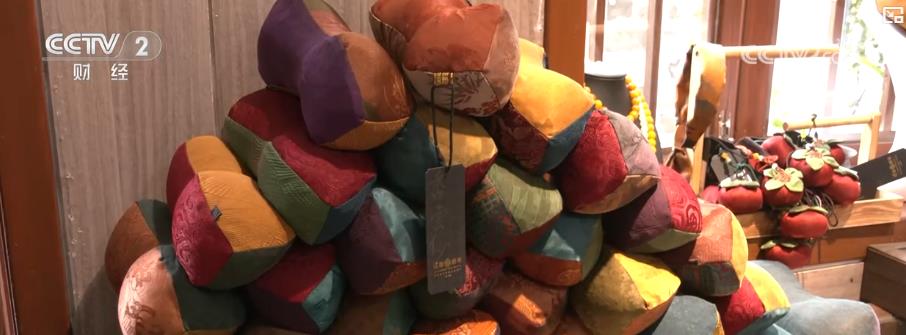
In addition to study experience and tourism, cultural and creative derivative products that integrate traditional skills and modern design are also popular among tourists. In this urban life museum built with Xiangyunsha as the theme, Xiangyunsha has a wide range of creative products such as postcards, bookmarks, silkworm pillows, and tea mats, becoming a best-selling urban souvenir.
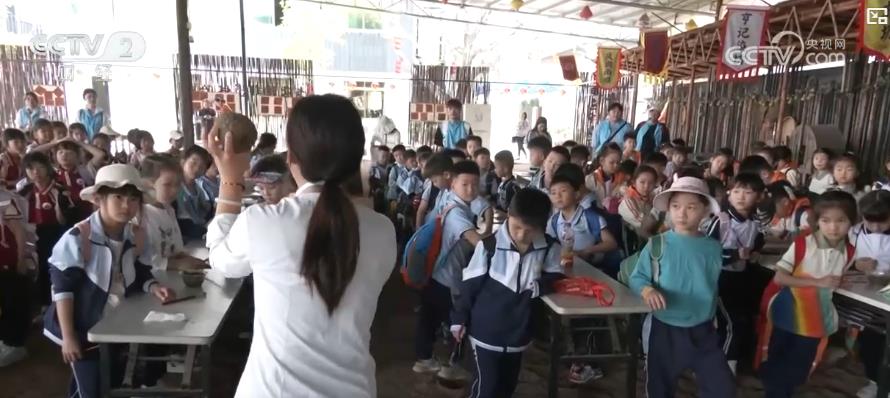
Now, consumption scenarios such as "Xiangyunsha + catering" and "Xiangyunsha + photography" continue to emerge. In order to further stimulate the development of Xiangyunsha's entire industrial chain, in recent years, the local government has also formulated support policies, clearly proposed to build a city business card for "Yunsha's hometown", and formulated a development strategy of "science, culture, and tourism".