CCTV News: On April 13, Beijing Yizhuang will usher in the world's first personal robot half marathon. On the 21-kilometer track, the humanoid robot will compete with the human racers. At present, many humanoid robot companies have announced that they will participate in the competition. Let’s follow the reporter’s camera to see the preparations for a “Suzhou” robot contestant.
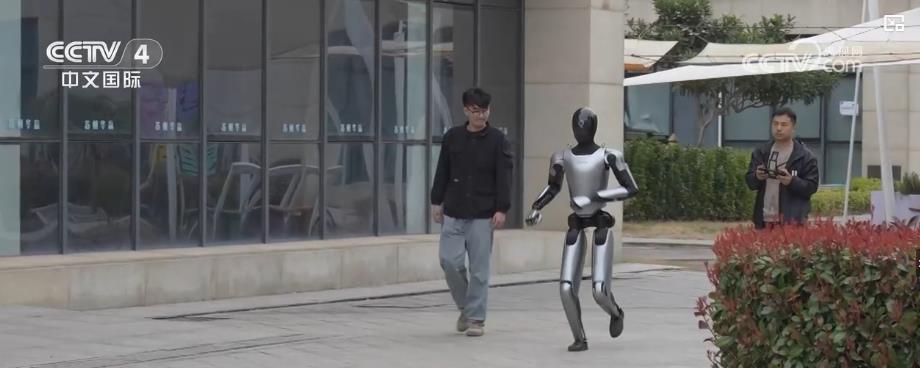
On the morning of weekdays, an industrial park in Suzhou, Jiangsu was very lively. There is a marathon preparation "player" training here, and this special "athlete" attracted people to stop and watch.
This half marathon sets the closing time of the humanoid robot to about three and a half hours. If you want to finish the race, the robot can choose to replace the battery, or it can be relayed by the "teammates", but the relay running results will be discounted. This rule not only tests the robot's endurance, but also tests the robot's running stability and the team's technical solutions.

How difficult is it for a half-marathon to run a race of half a horse? The first level is the test of the runway. Humanoid robots must adapt to different terrains in different environments. Next is the test of endurance and speed. The hardware must be durable and heat-resistant. Once overheating, it may cause the robot to fall or even "strike"; the software algorithm must be efficient and labor-saving, and is highly coupled with the hardware. After the software issues instructions, the torque, speed and position of the hardware joints must be coordinated.
Compared with mature industrial robot reducers, humanoid robot reducers require more lightweight and impact resistance.
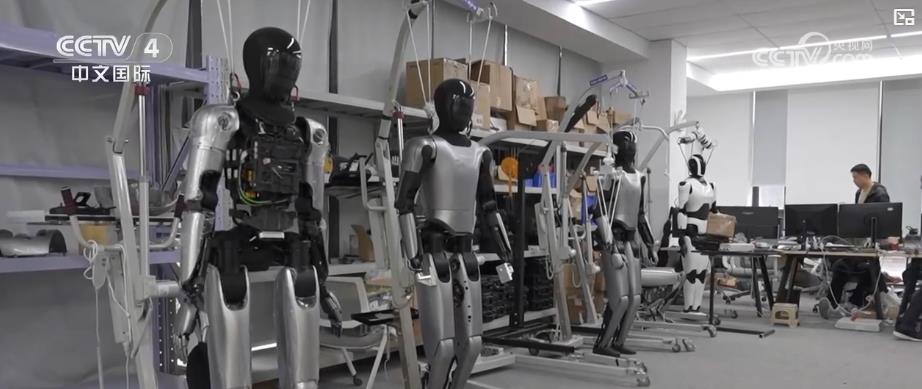
If a humanoid robot wants to enter thousands of households, the cost is low enough. As Chinese companies continue to increase their R&D efforts and continue to make efforts in humanoid robot products, explosive growth will occur.