
CCTV News: After experiencing a big recovery at the end of February, in the past two days, central and eastern China has encountered cold waves again, and the collision of cold and warm air has also brought about large-scale rain and snow. From March 2 to 3, the rain and snow weather process in the central and eastern regions entered the strongest period. The Central Meteorological Observatory issued a blue warning for cold waves at 6:00 on March 3, and continued to issue blue warnings for blizzards, strong winds, and strong convective weather.
Qinghai: Snowfall and cooling in many places, the maximum snow depth is 14 cm

On the morning of the 2nd, snowfall and cooling weather occurred in many places, and snow and freezing on many sections of the road. Among them, the snow depth in Delingha City, Haixi Prefecture exceeded 14 cm. Affected by the snowfall, more than a dozen expressways in the province once took temporary control measures, and relevant departments launched emergency plans and dispatched additional personnel and vehicles to clear ice and snow. In the afternoon of the same day, the snow weakened and more than half of the affected highway resumed traffic.
Gansu: Snowfall in many places. Temporary control of some highway sections
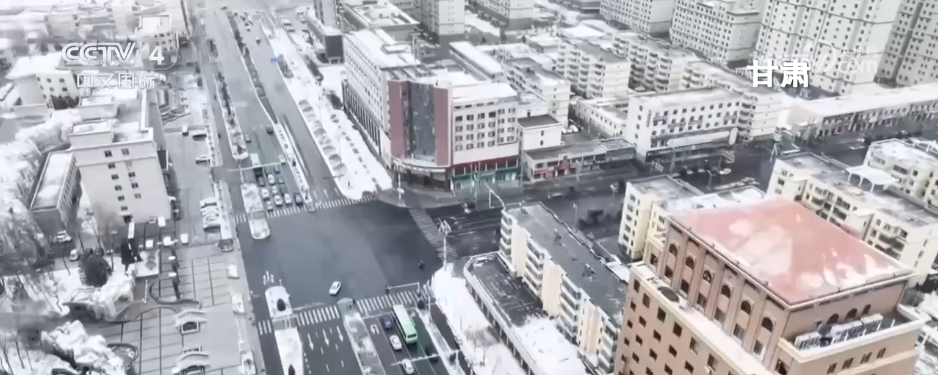
Starting from the night of the 1st, snowfall and cooling weather occurred in many places in Gansu, and some highway sections in the province were frozen. Traffic police implemented temporary traffic control at the entrances of some toll stations. The expressway maintenance department also launched a snow removal plan to ensure smooth roads. On the afternoon of the 2nd, snow had stopped falling in most parts of Gansu, and all expressways in the province had resumed traffic.
Shaanxi: There are heavy snow in many places today, and local blizzards are locally

Starting from the evening of the 1st, rain and snow have occurred in some areas of Shaanxi. It is expected that on the morning of the 3rd, there will be moderate to heavy snow in central and western Shaanxi, northern Guanzhong, and Qinling Mountains, and blizzards in some places. Affected by the snowfall, some toll stations on many expressways in the province restricted the passage of seven or more passenger buses and hazardous chemical vehicles.
Shandong: Blizzards suddenly fell in many places, and multiple departments worked together to ensure safety and smooth operation

Starting from the morning of the 2nd, rain and snow weather occurred in many places in Shandong. The highest temperature in Texas dropped from 22℃ on the previous day to 3℃. The snowfall in Jinan City reached the blizzard level, and the short-term snow depth exceeded 5 cm. According to the reporter, in order to cope with the snowfall, Jinan traffic police deployed nearly 2,000 police forces to maintain traffic order, and the urban management department also dispatched more than 20 snow ploughs.
Henan: Rain and snow in many places, the temperature drops by more than 10℃
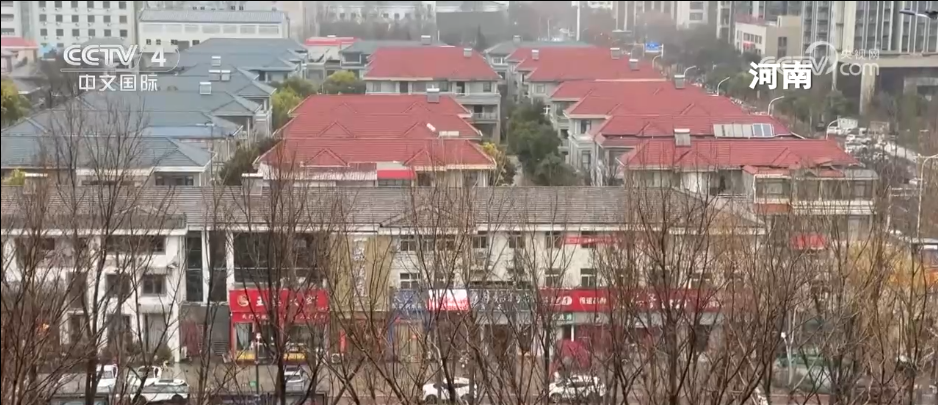
From the night of the 1st to the morning of the 2nd, many places in Henan usher in rain and snow, and temporary controls are implemented on many sections of highways in the province. The Henan Provincial Meteorological Observatory predicts that from the 2nd to the 4th, the temperature in the province will drop by more than 10℃ from north to south. The meteorological department reminds that this round of rain and snow is conducive to soil moisture increase and storage, and is generally beneficial to winter wheat growth and seedling conditions.
Hebei: Rain and snow in many places cooled down. The local temperature in Handan dropped to freezing point

On the 2nd, rain, snow and strong winds also occurred in many places in Hebei, and the lowest temperature in Cheng'an County, Handan City returned to 0℃.
Beijing: Rainfall and cooling, no effective precipitation was achieved in the end of 33 days

From the night of the 1st to the morning of the 2nd, there was rainy weather in Beijing. Although it was light rain, it ended in the city's 33 days without effective precipitation. After the rainfall, Beijing's visibility and air quality have greatly improved.
Meteorological experts: This cold wave is a typical spring cold and warm fluctuation
This cold wave brings extremely obvious cooling. Experts explain that it is mainly due to the accumulation of large recovery in the early stage and the rapid ups and downs of cold air, which leads to temperature fluctuations. This cold wave process is a typical spring fluctuation of cold and warm fluctuations and is a normal weather phenomenon.