
In today's China, a logistics network extending in all directions has already connected urban and rural areas and the world. The goods that come and go "run" directly make our lives full of happiness. How is this web woven?
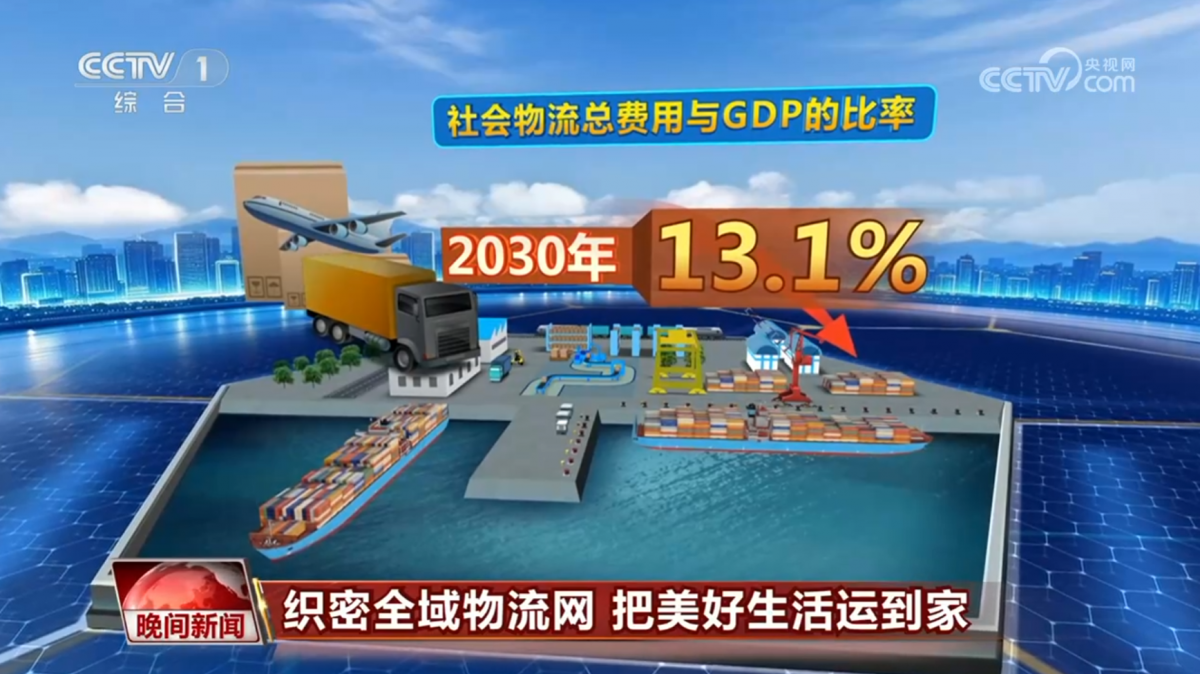
In August this year, the "Implementation Plan for Logistics Network Construction" was issued, which is the first implementation plan related to the "Six Networks". The plan clarifies that by 2030, the ratio of total social logistics costs to GDP will drop to 13.1%. This ratio has been on a path for more than ten years: it was 18% in 2012 and 13.9% in 2025. From 18% to 13.1%, every 0.1 percentage point decrease means that more than 100 billion yuan in social logistics costs can be saved. As of 2025, 229 national logistics hubs have been deployed across the country and 181 operational hubs have been built.
So, how to connect them into a network?
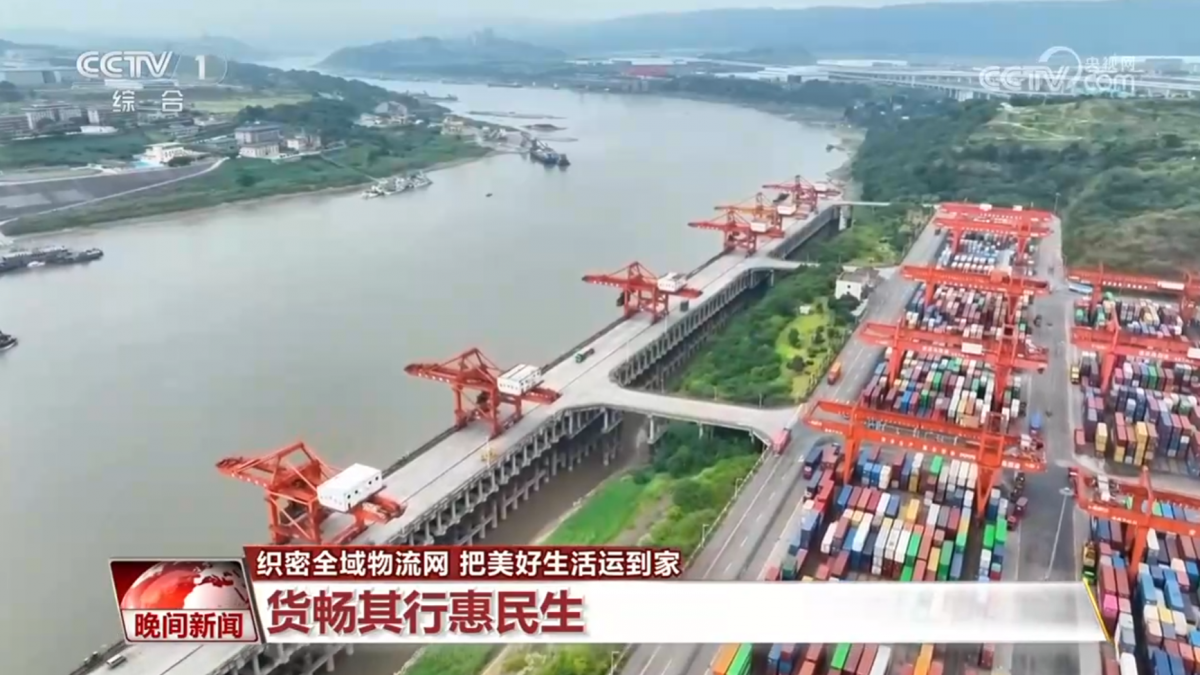
Chongqing does not rely on the sea or the border, but it holds the traffic code of the logistics hub. The China-Europe freight train goes west to Europe, goes south to the New Land-Sea Corridor to go to the sea, and goes east along the Yangtze River to Shanghai. Locally, one order can be used to travel the entire journey. The goods can be changed between vehicles and ships. There is no need to fiddle with documents back and forth. Say goodbye to repeated customs declarations and inspections. In the future, "bus-style" fixed trains will be launched to connect surrounding parks together, focusing on a city with fewer stops and faster departures.
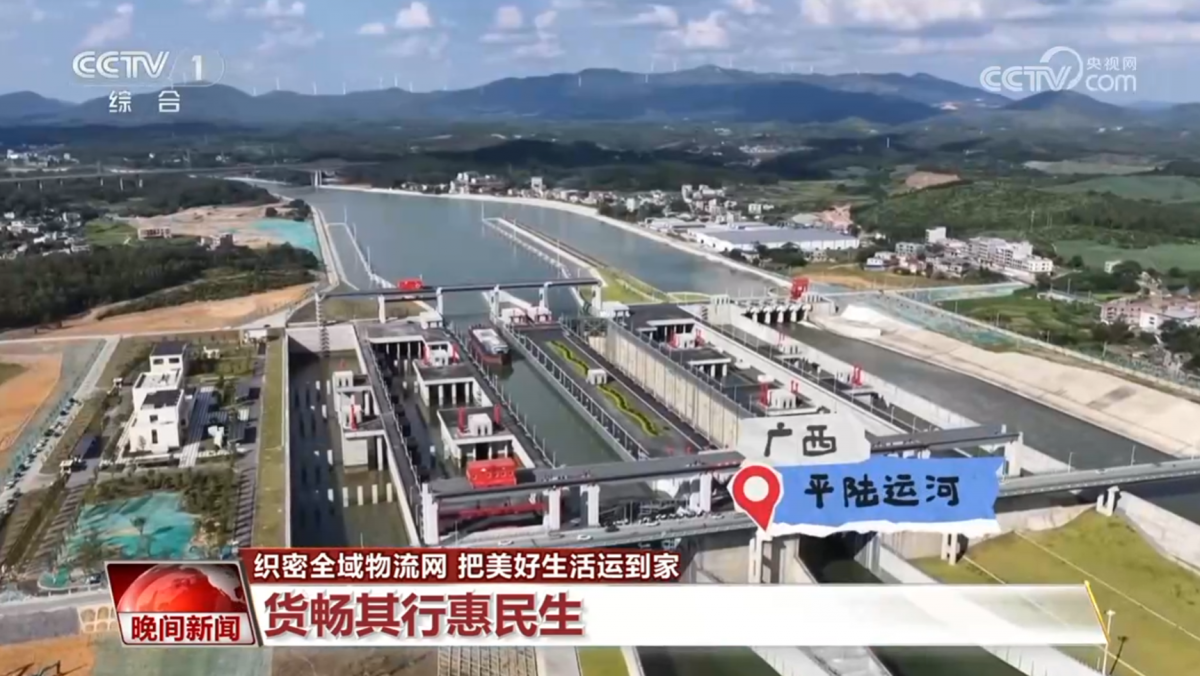
The aisle is the "running track" for goods. The Guangxi Pinglu Canal, which was opened to navigation on September 16, exceeded one million tons of cargo in October. Southwest cargoes no longer have to take long detours to the sea. The new Three Gorges Water Transport Channel, which has just started construction, has solved the long-standing problem of taking too long to pass through the lock. The time for ships to wait at the lock is expected to be shortened from more than 200 hours to less than 24 hours, further opening up water transport congestion points.
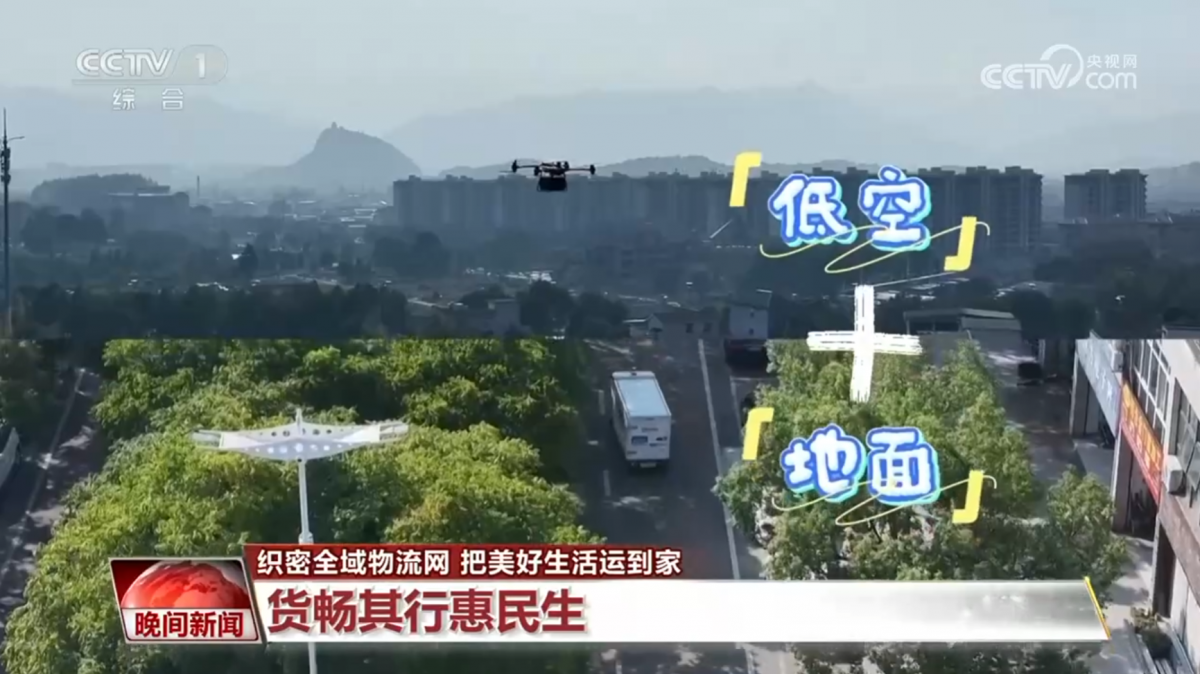
The logistics network can not only deliver express delivery to the village, but also help local specialties get out of the circle. In Songyang, Zhejiang, the "integration of passengers, freight and mail" has solved the two-way logistics problem in mountainous areas, and built a county-level co-distribution center, superimposed on drones and unmanned vehicle distribution, forming a "ground + low-altitude" three-dimensional logistics network.
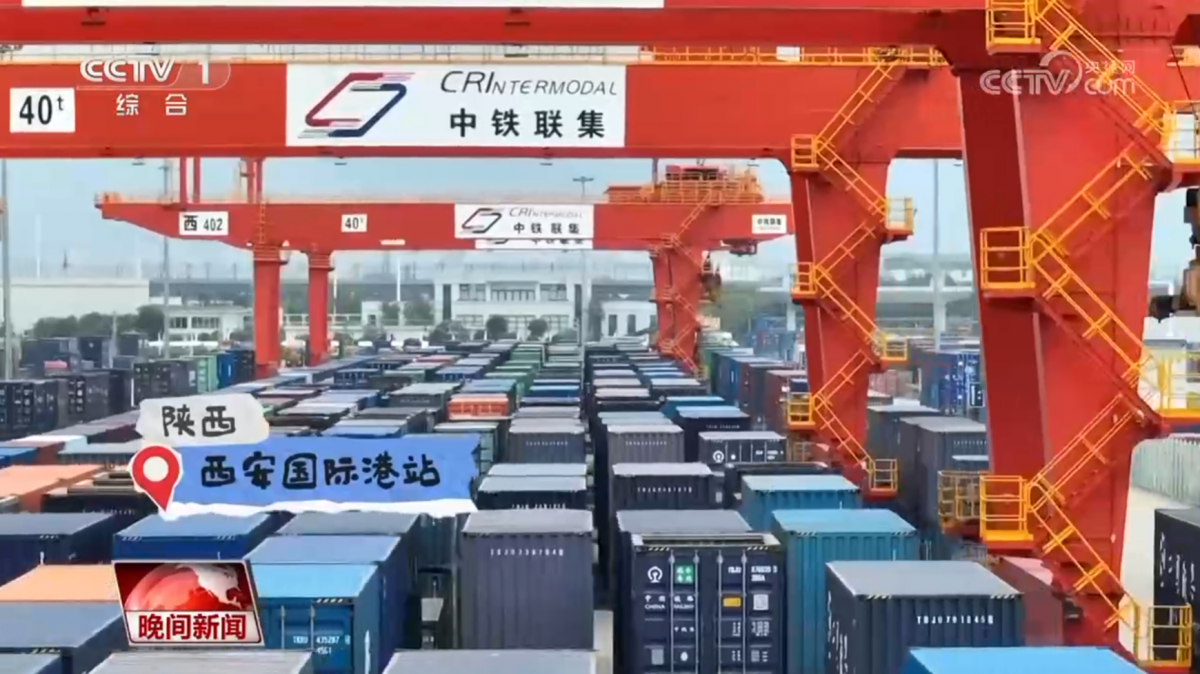
For domestic products to go to sea, the three routes of sea, land and air have their own unique capabilities. In Shanghai, Yangshan Phase IV Terminal is busy day and night, leading the world in throughput; in Shaanxi, Xi'an International Port Station China-Europe freight trains are ready to go, reaching dozens of countries; in Hubei, Ezhou Huahu Airport is at full capacity and can sort 280,000 packages an hour during peak periods. All lines work together to make our logistics network accessible to the world.