CCTV News: Roads are the foundation of urban development, and urban renewal also puts higher requirements for road traffic. Jiefangbei Business District is the most mature commercial district in Chongqing. However, due to the restrictions on terrain height difference, some sections of roads are seriously congested and the problem of parking difficulties is prominent. In order to alleviate the pressure on ground traffic, Chongqing has built a ring road underground in Jiefangbei. What is the effect?
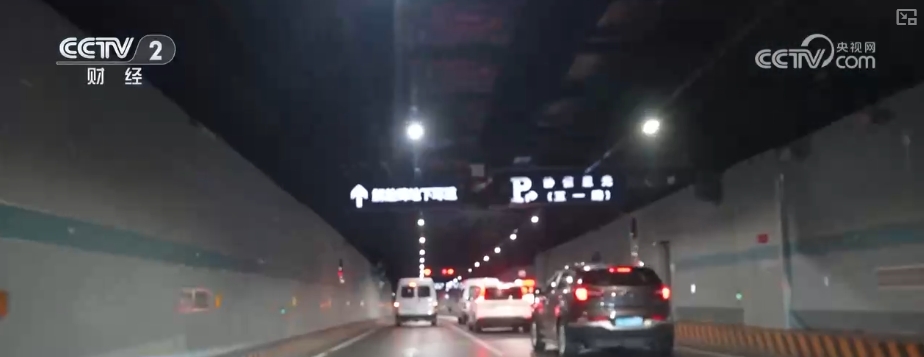
Chongqing citizen Qian Zhengqiang is driving into the Jiefangbei underground ring road in the center of Chongqing. Through the underground ring road, he can drive the car directly into the garage of the underground mall.
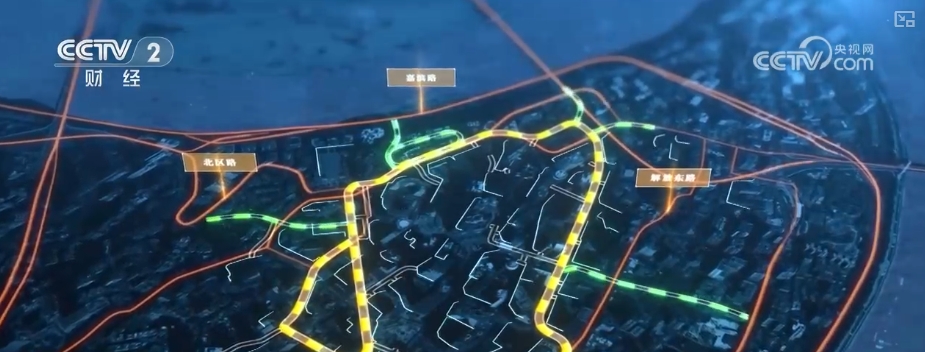
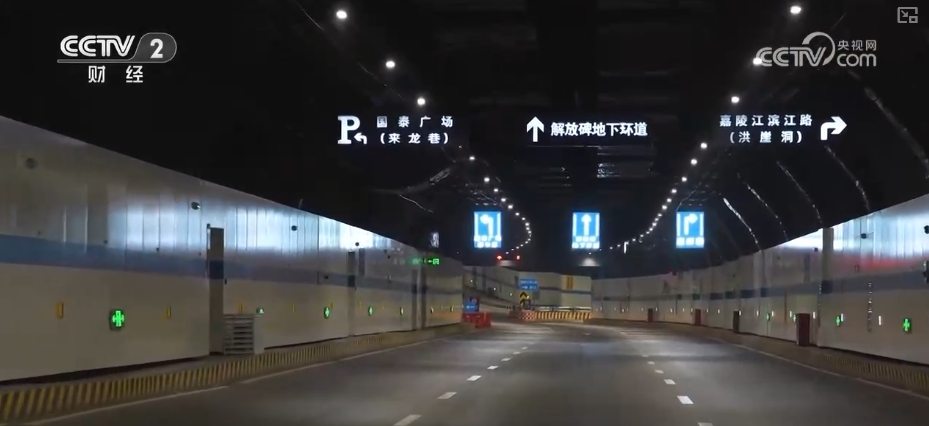
After years of construction, the Jiefangbei underground ring road finally formed a ring-shaped main passage about 2.8 kilometers long and 7 in and out passages. This allows vehicles from all directions of Chongqing to quickly reach the Jiefangbei business district, and the 28 office buildings, the underground garages of residential buildings and 23,000 parking spaces in the Jiefangbei business district are also connected to each other.
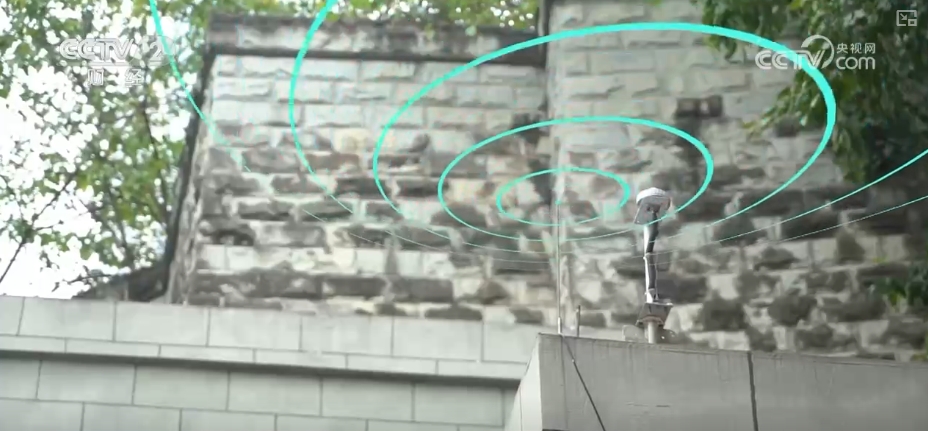
It is built simultaneously with the underground ring road, and the "Beidou+5G" three-dimensional navigation system covering the entire ring road. In the underground ring road, precise navigation can be achieved with the help of navigation software.
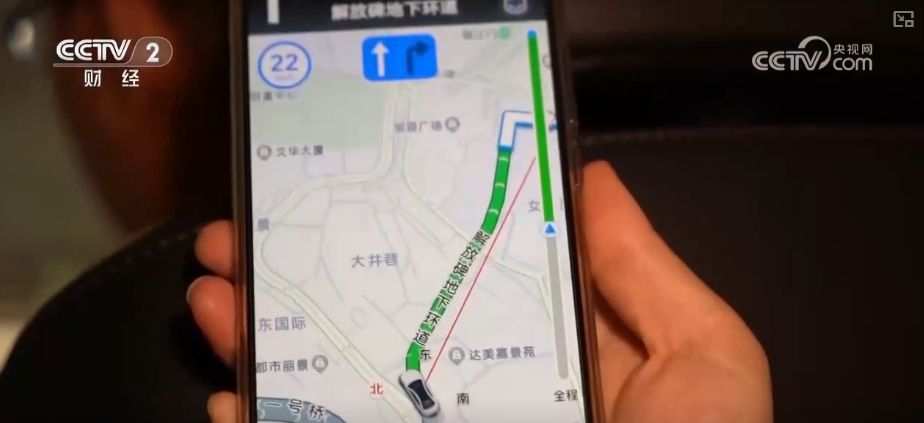
Yang Jinchuan, deputy director of the Urban Improvement Section of the Housing and Urban Construction Committee of Yuzhong District, Chongqing, introduced that the "Beidou + 5G" digital empowerment improves the convenience of channel navigation, balances the regional road network traffic flow, improves the utilization efficiency of existing underground garages, and comprehensively improves the traffic conditions in Jiefangbei. Hangzhou, Zhejiang: Building an urban information model to intelligently prevent road collapse
With the development of cities, underground space has become a very important available space, and more and more urban underground development and construction activities are being carried out. How to make underground activities safer? Hangzhou, Zhejiang has built an intelligent system to prevent the risk of road collapse based on the urban information model platform.
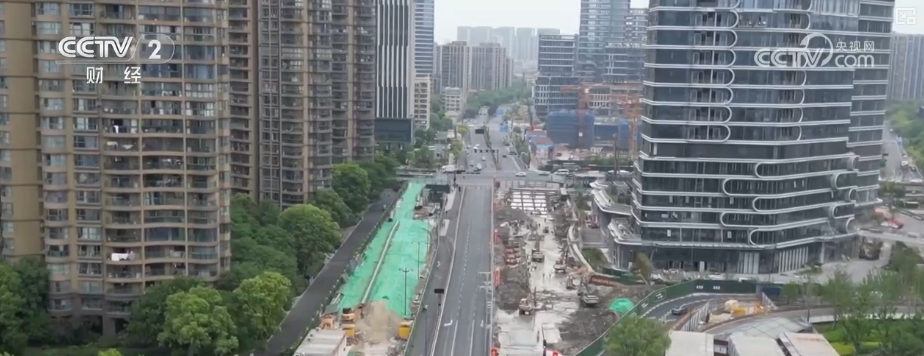
In a section of Sanxin Road, Shangcheng District, Hangzhou, the construction of Hangzhou Metro Line 15 Jianghehui Station is underway. Close to the east side of the subway station, there is also a high-rise commercial and residential project under construction, and on the west side is a high-rise residential community that has been moved into.
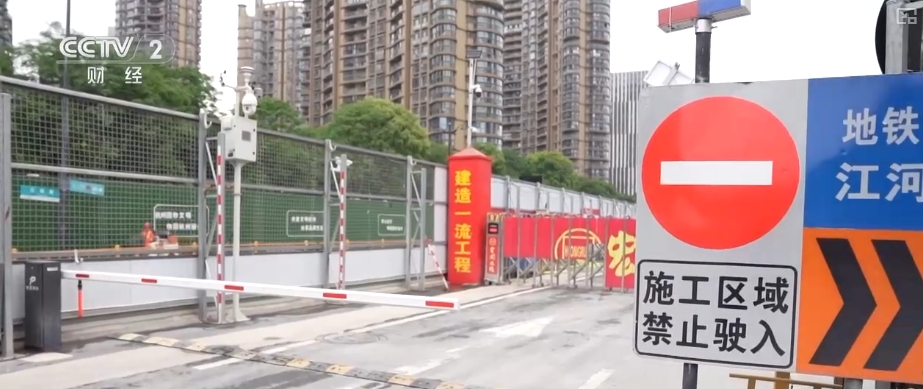
Wang Ye Chenzi, deputy director of the New Smart City Research Center of Hangzhou Survey and Design Research Institute of Zhejiang Province, introduced that a foundation pit in the subway project reaches 28 meters deep. During the excavation of this foundation pit, the entire soil layer will be disturbed, resulting in deformation of the soil layer, and more serious will cause ground collapse.
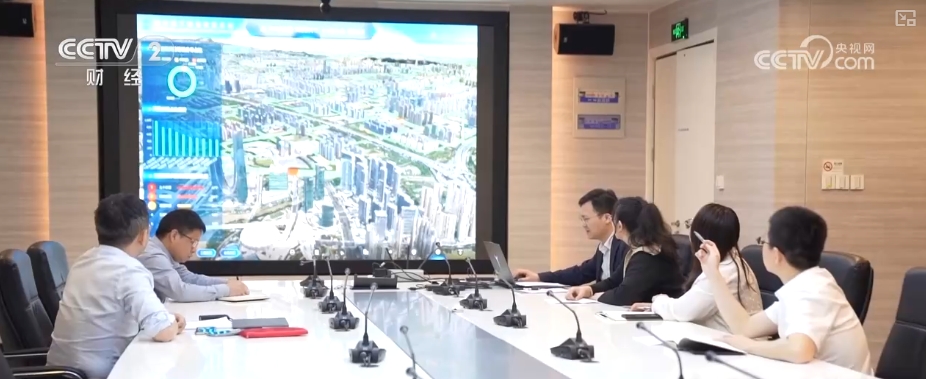
To this end, Hangzhou City has developed an intelligent system that uses urban information models to prevent ground collapse. After various data are uploaded to the urban information model platform, the value representing the risk of ground collapse can be calculated based on a set of professional algorithm models. According to the size of the value, each section of the road is divided into three risk levels: high, medium and low.
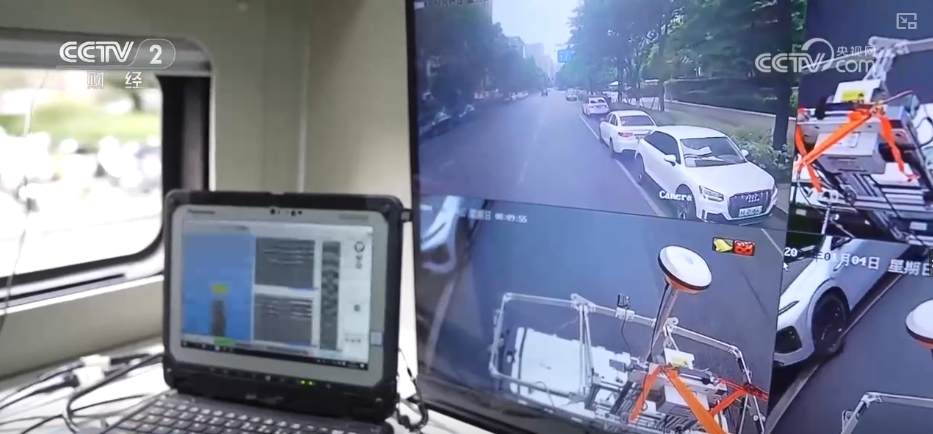
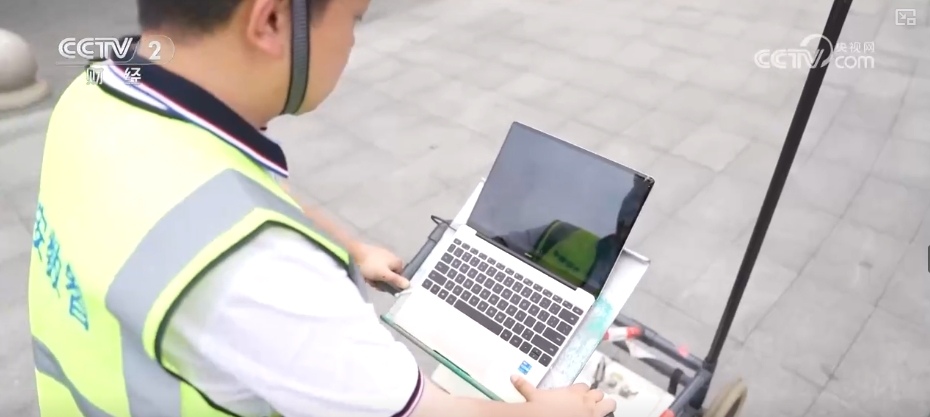
On another section of road in Shangcheng District, Hangzhou, a three-dimensional ground penetrating radar scanning vehicle is scanning a section of road surface. The staff next to them were also pushing a small radar vehicle to scan the sidewalk. Hefei, Anhui: One bottle, one code. Liquefied gas cylinders have an "id card"
In addition to road safety, gas use safety is also an important part of urban safety. Liquefied gas cylinders are widely used in homes and businesses and are very important living energy sources. How to make the use of liquefied gas cylinders safer and more standardized?
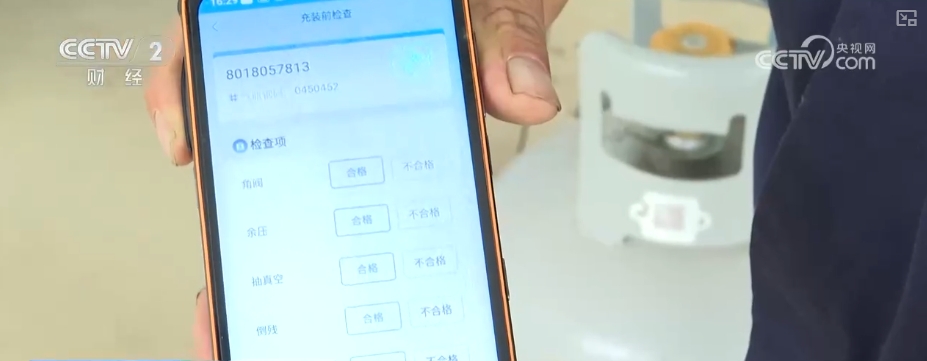
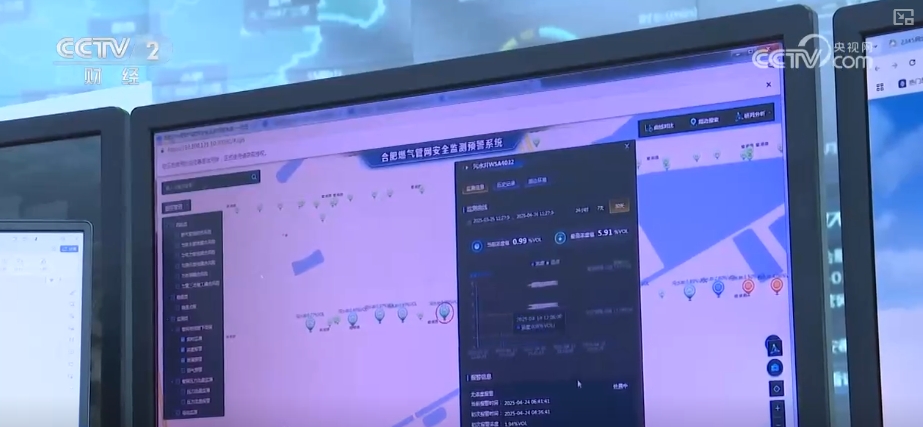
At a liquefied gas filling station in Hefei, Anhui Province, staff are loading liquefied gas bottles into vehicles and scanning the QR code on the liquefied gas cylinders. The QR code on this bottle is equivalent to the "ID card" of the liquefied gas cylinder, each bottle is one code. The transport truck loaded with liquefied gas cylinders will go to multiple restaurants in turn to deliver gas. A positioning system is also installed on the vehicle, and the driving path will be uploaded to the Hefei City Lifeline Safety Engineering Supervision Platform in real time. Anhui: Establish a gas pipeline supervision platform to ensure the lifeline of the city
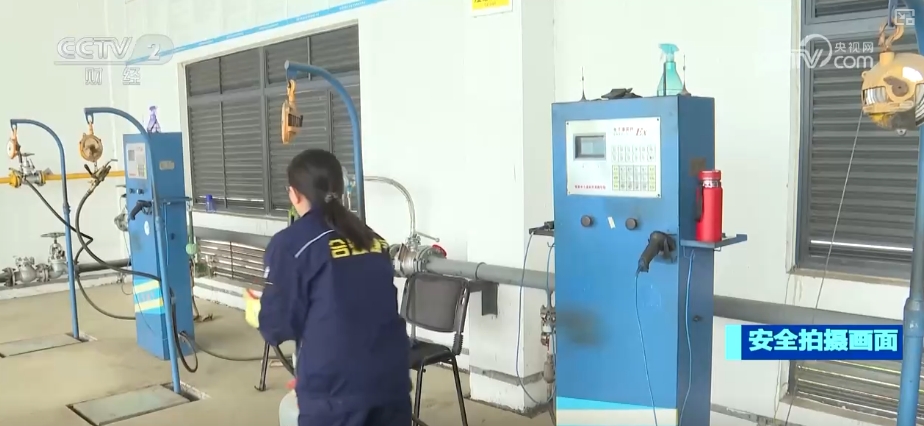
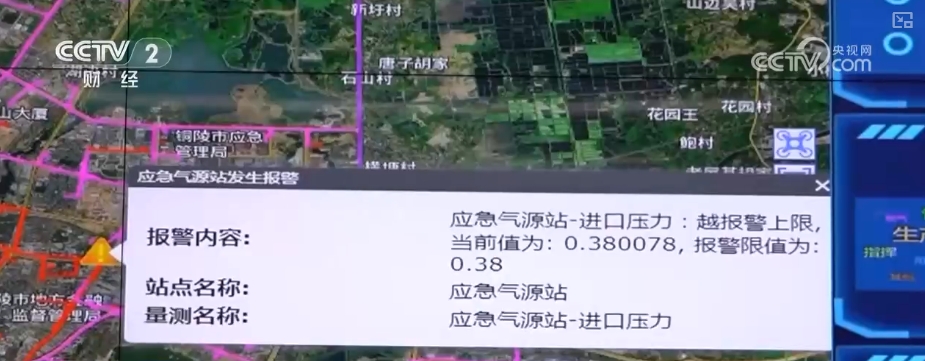
The supervision of liquefied gas cylinders is the latest application scenario of the lifeline project in the city. Before this, Anhui had established a regulatory platform for gas pipeline networks. By laying monitoring equipment in the gas pipeline network and adjacent underground spaces, the operating status of the gas pipeline network can be sensed in real time to prevent combustion and explosion accidents that may be caused by gas leakage. At present, it has covered all high-risk areas in Anhui.
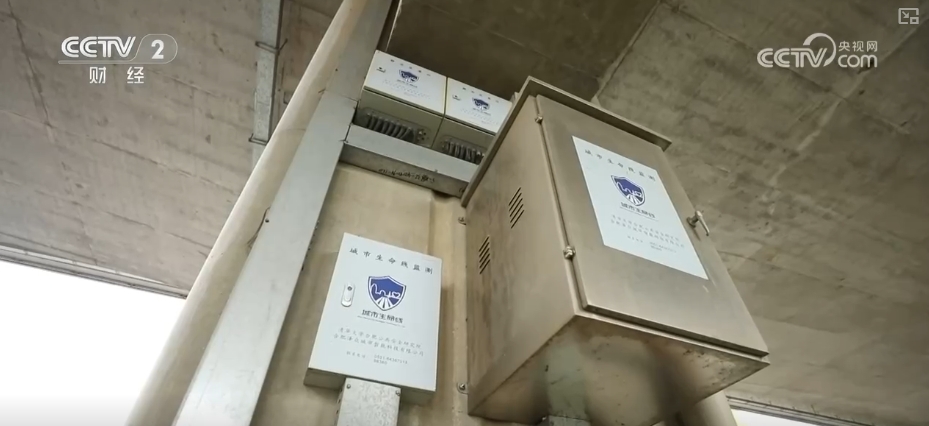
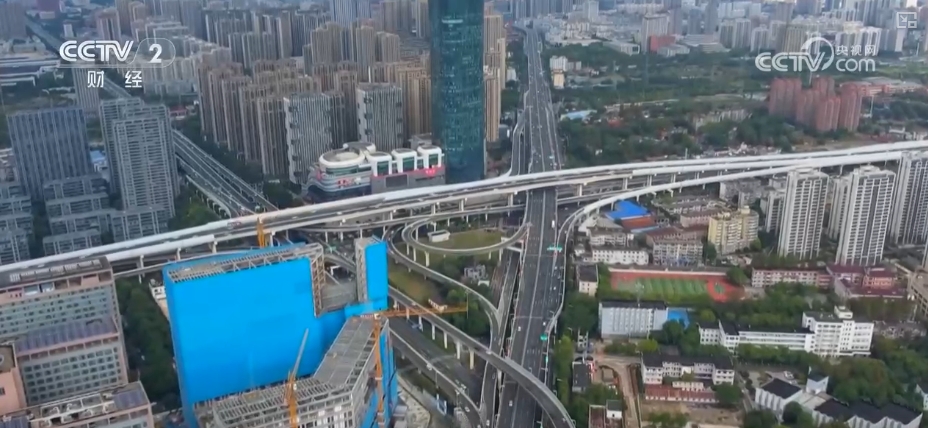
In addition to gas safety, urban lifeline projects also include application scenarios such as bridges, water supply, drainage, and waterlogging prevention. At present, Anhui has laid out 187,000 sets of various sensors, covering 31,000 kilometers of underground pipeline networks and 325 bridges.