On April 20, with a long whistle, a Central Asia train loaded with locally produced polyester sliced cargo slowly departed from Chongqing Tuanjie Village Central Station, marking the official opening of Chongqing's first Tuding Central Asia train.
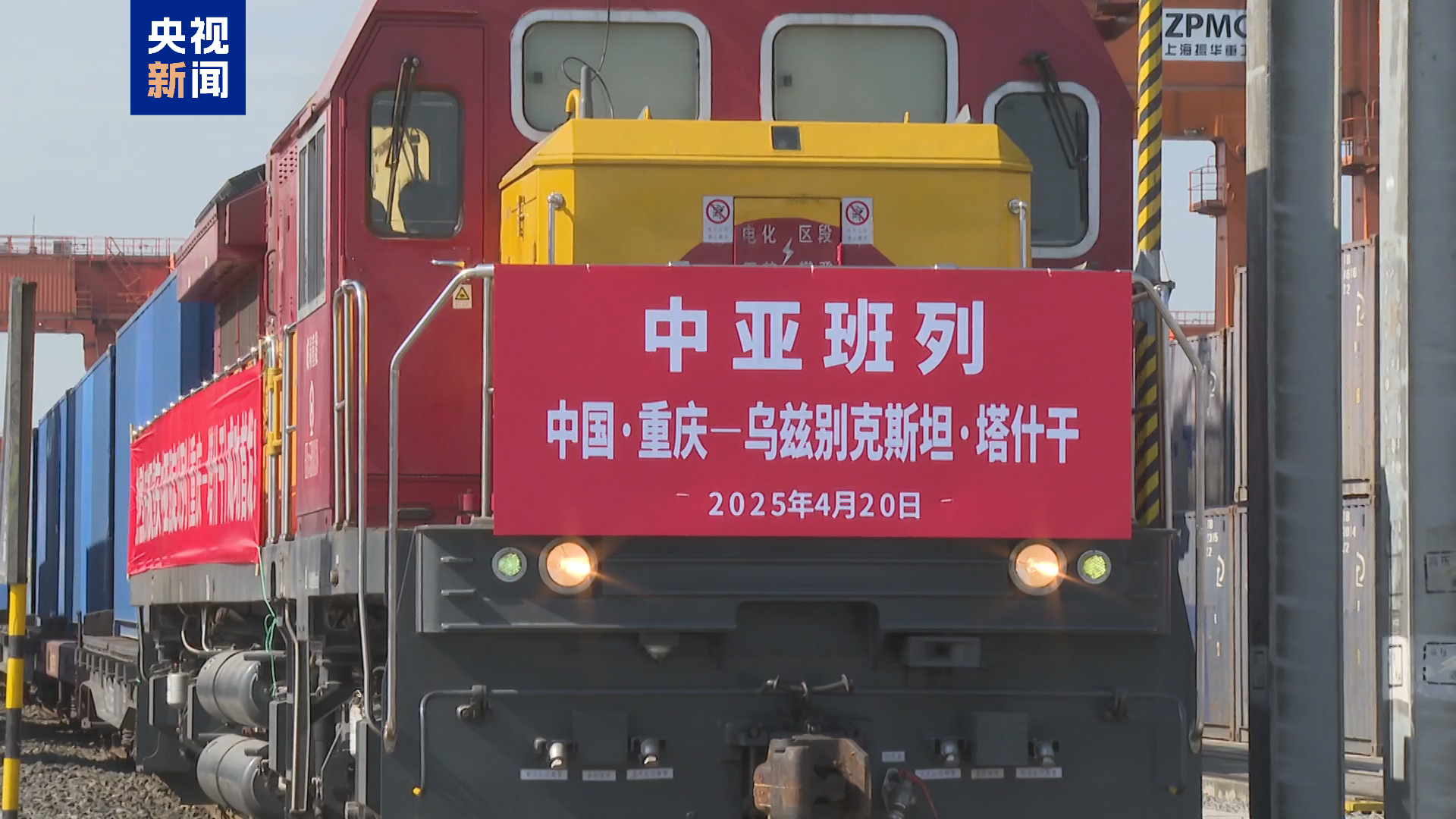
The Tuding Central Asia train launched this time is a key layout for Chongqing to improve the international logistics network. It will run at a fixed frequency of 2 trains per month, departing through the Horgos Port, crossing Kazakhstan. It is expected to arrive in Tashkent, the capital of Uzbekistan in about 12 days, with a total journey of about 4,700 kilometers. This train has reduced the freight timeliness of Chongqing enterprises exporting to Central Asia by more than 30%, which can effectively help local manufacturing advantageous products expand their market share in Central Asia.
This train carries 55 trucks of goods, with a cargo value of over 14 million yuan and a cargo weight of over 2,000 tons, all from local enterprises. The person in charge of a new material technology company in Chongqing introduced: "After the normal operation of the train, the transportation cycle for our exports to Central Asia such as Uzbekistan was shortened by 7 days, and the transportation cost is expected to save nearly 4 million yuan per year."
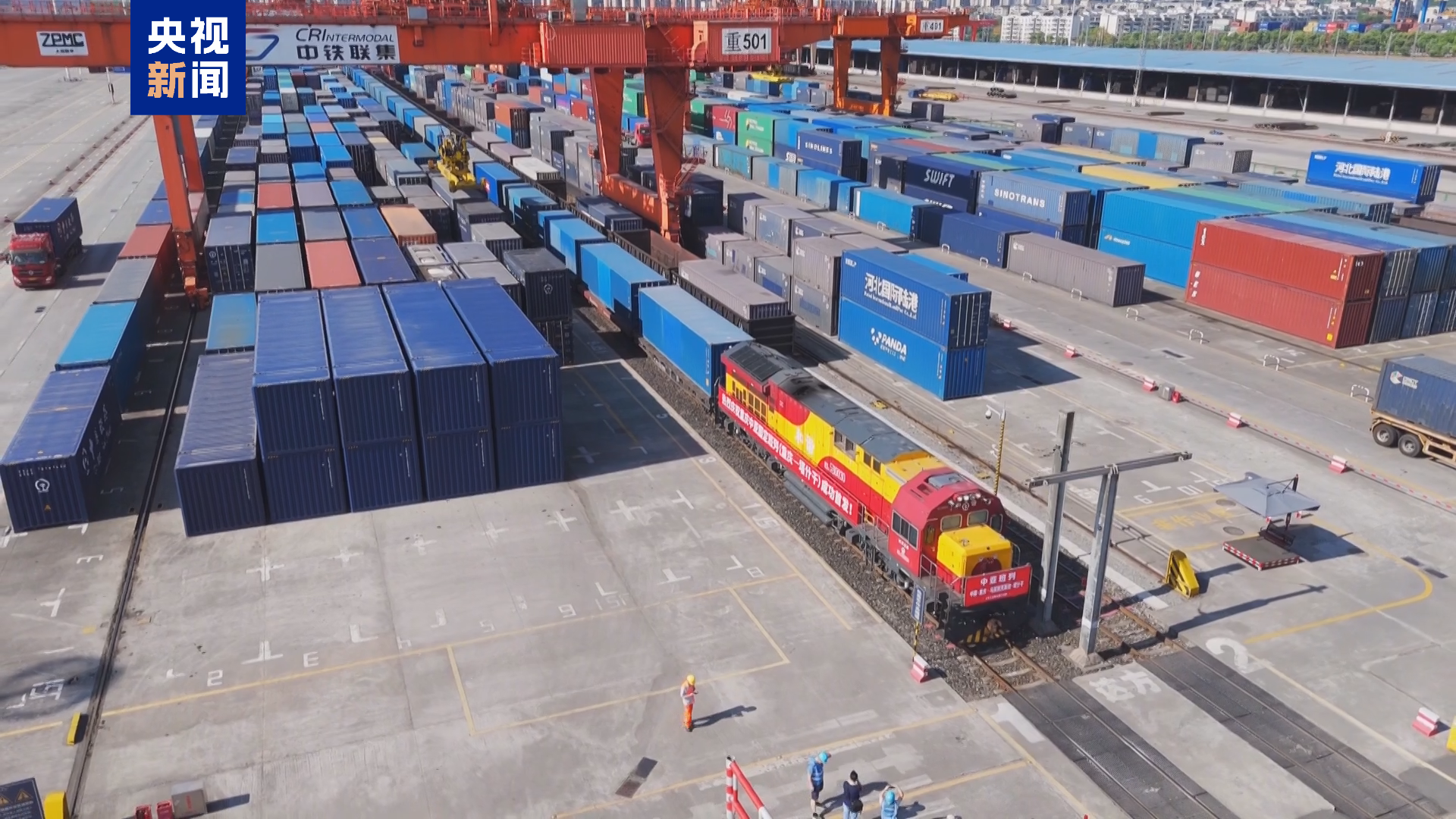
According to the freight department of the Chengdu Railway Bureau of China Railway, the Tuding train is efficiently organized with "fixed time, fixed lines, and fixed shift period". Compared with the previous scattered shipping of "goods waiting for vehicles", the Tuding train has "priority customs clearance, zero transportation delay, and excellent comprehensive costs" The three major advantages are to provide better cross-border transportation guarantees for foreign trade enterprises in the southwest region in terms of transportation time, transportation cost and operation stability.
It is understood that the launch of the Central Asia train will continue to enhance the local industrial service capabilities of Chongqing's international logistics channel, further meet the strong demand for export to Central Asia, and help build a modern manufacturing cluster in Chongqing, and become another concrete practice for Chongqing to accelerate the construction of a modern multimodal transport collection and distribution system and an inland open comprehensive hub.
(Reporter Li Hongmiao and Zhang Bojun of the General Station)