
CCTV News: As the temperature gradually rises, many places in Heilongjiang welcome migratory birds returning to the north, adding vitality to the local spring.
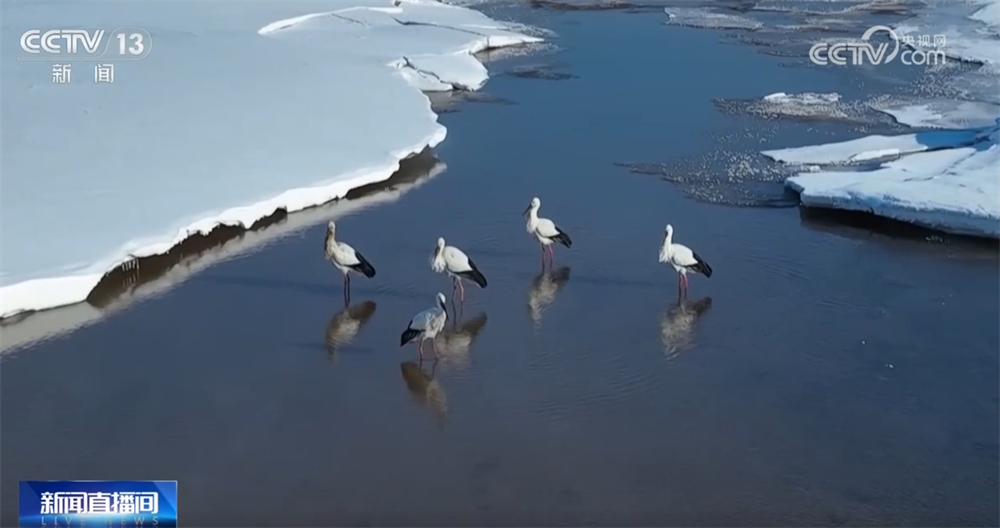
Recently, in Sanjiangkou Ecological Tourism Zone, Tongjiang City, Jiamusi, several oriental white storks migrated here. They sometimes forage and play leisurely, sometimes fly low over the water, causing layers of ripples; sometimes they flap their wings and soar among the blue sky and white clouds, showing vivid spring pictures. It is understood that these oriental white storks are the first migratory birds to arrive, and other species of migratory birds are expected to return north from mid-March to mid-April.
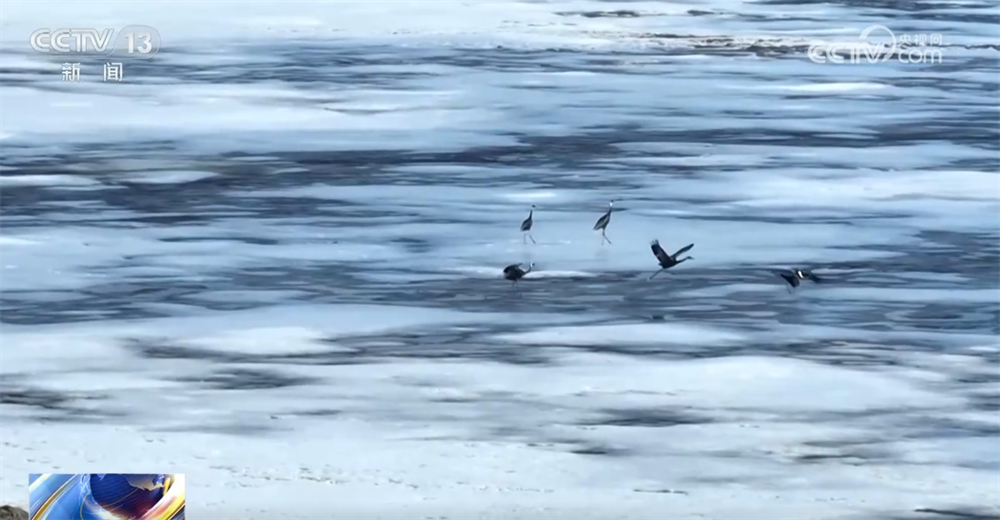
The Heilongjiang Sanhuan Bao National Nature Reserve located in Fujin City, Jiamusi has also welcomed the return migratory birds. According to the monitoring of the reserve, the return migratory birds include oriental white storks, herons and great egrets, totaling more than a hundred.
Panjin, Liaoning: Migratory birds encounter spotted seals
Recently, as the temperature picks up, the mouth of the Liaohe River in Panjin, Liaoning has shown vitality. Hundreds of Western Pacific spotted seals gathered on the tidal flats of the Liaohekou Nature Reserve, and red-crowned cranes, oriental white storks, gray cranes, white cranes and other migratory birds migrating north have also arrived one after another.

On the tidal flats of the Liaohekou Nature Reserve in Liaoning, the round and cute spotted seals bathed in the sun. As the southernmost breeding ground in the world of spotted seals, the proportion of pups in Liaodong Bay this year is about one-quarter, and the number of baby feeding is increasing year by year.
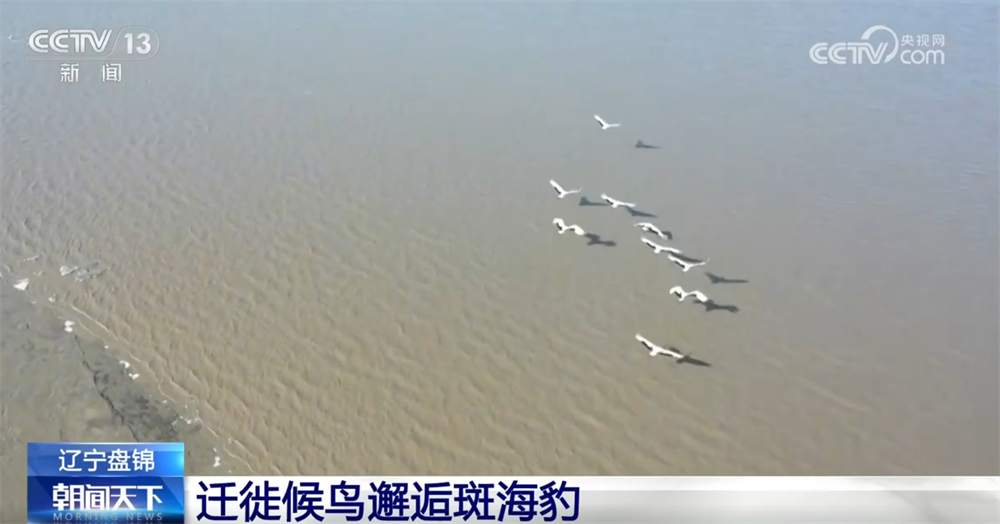
The Liaohekou Wetland is also an important channel for migratory bird migration. At present, in key areas such as protected areas, rivers, reservoirs and estuaries, gulls and ducks have formed large-scale clusters, and the species are becoming increasingly abundant. Every spring migration season, more than 160 species of migratory birds are welcomed here, most of which are national first- and second-class protected birds. This area is not only a supply station for north-south migration, but also a breeding ground for many birds. Starting from March, crane storks and geese ducks will soon usher in the peak of migration.
Narqu, Tibet: Important habitat on the Qinghai-Tibet Plateau 126 snow leopards have been identified
Recently, the survey results jointly released by the Forestry and Grassland and Landscape Nature Conservation Center of Nagqu City, Tibet showed that 126 individual snow leopards have been identified throughout Nagqu City, indicating that this area is an important habitat for snow leopards in the hinterland of the Qinghai-Tibet Plateau.
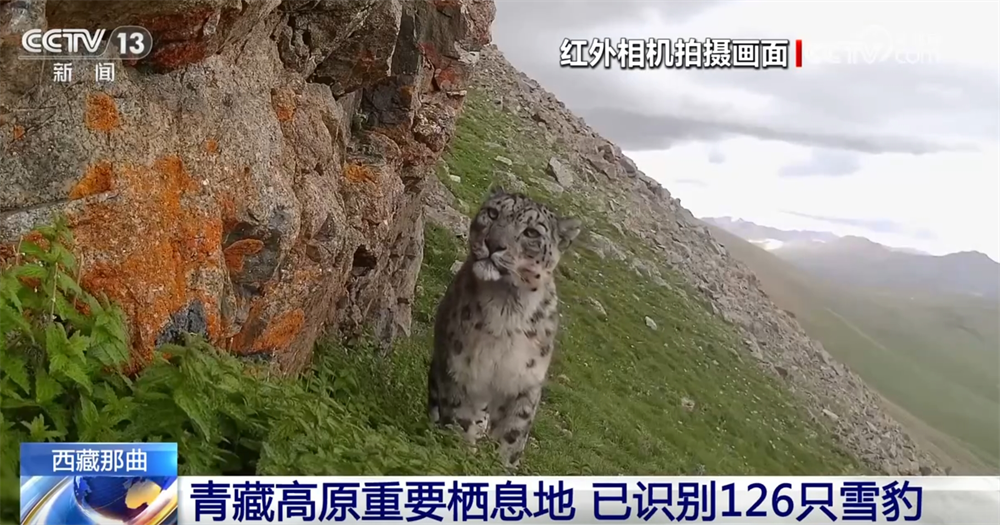
Since 2021, the investigation team has set up a total of 217 infrared cameras in Nagqu City, obtained 2,538 snow leopard images, and successfully marked 126 individual snow leopards. The monitoring data also included images of 12 snow leopard puppies, providing a precious sample for studying the reproduction of snow leopard populations in this area.
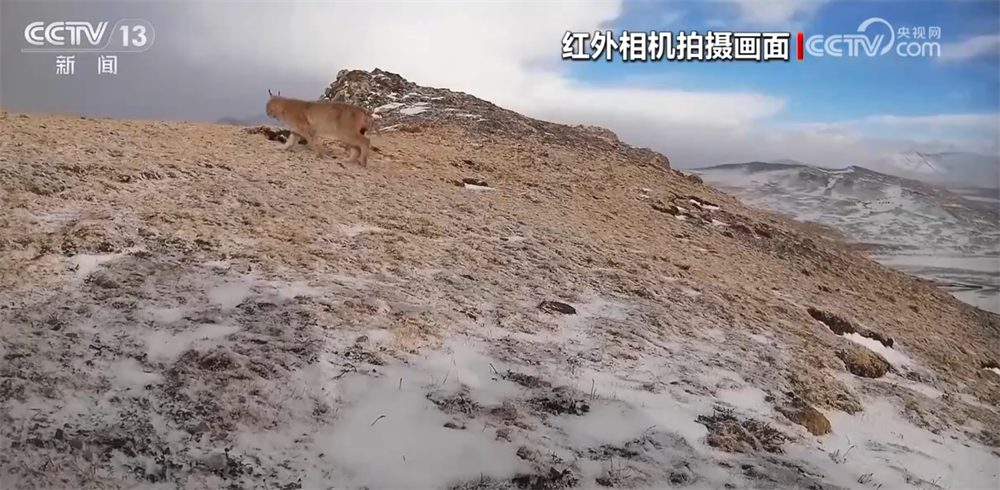
In addition, the survey also recorded 37 national key protected species such as golden cats and jackals, indicating that Nagqu City is extremely rich in biodiversity.
Yushu, Qinghai: Hidden fox cubs basking in the spring sun on the plateau, full of cuteness
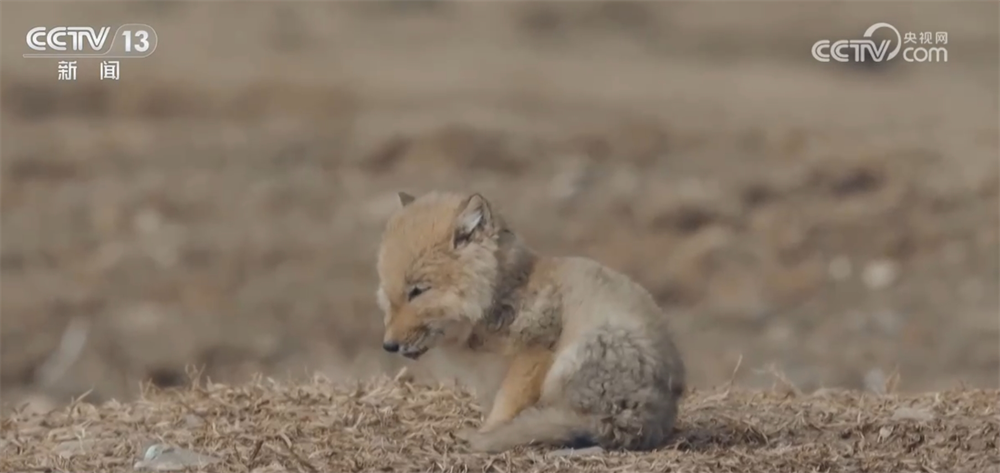
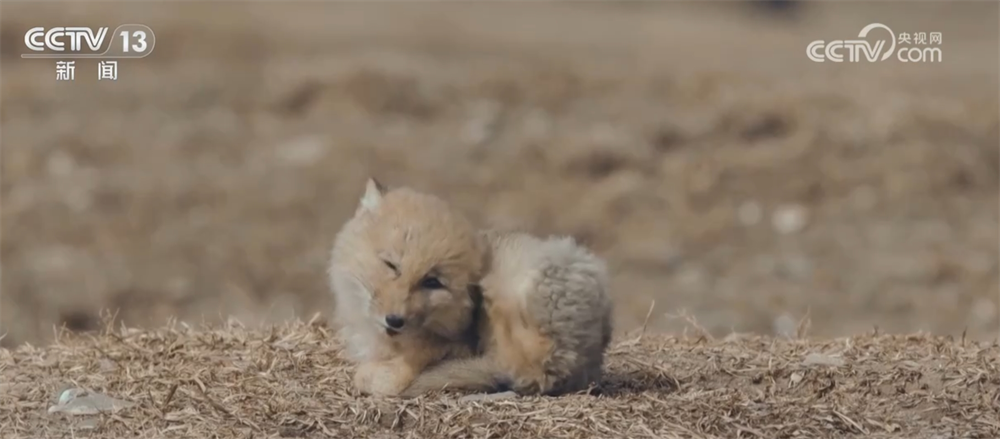
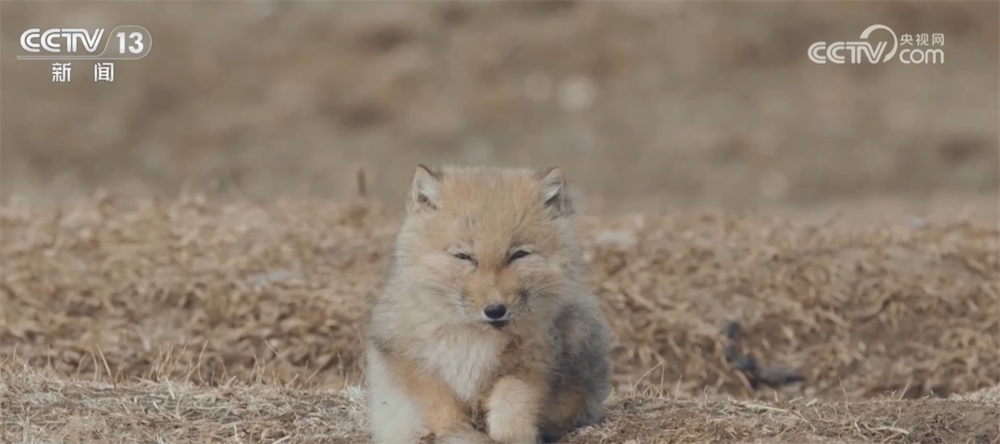
Recently, a reporter accidentally photographed a nest of furry Tibetan fox cubs in Zhenqin Town, Yushu Prefecture, Qinghai Province. The Tibetan fox cub sometimes steps on his claws on his fluffy tail, sometimes lifts his hind legs to scratch, sometimes lie on the grass and naps, sometimes licks his hair to clean himself, and looks cute.