
CCTV News: Spring farming preparations are underway across the country, which is also the peak period for the purchase and use of agricultural materials such as seeds, fertilizers, and pesticides. On March 19, the Ministry of Agriculture and Rural Affairs, the State Administration for Market Regulation, the Ministry of Public Security and other seven departments jointly deployed the anti-counterfeiting work of spring farming preparations to further purify and standardize the agricultural input market and better safeguard the rights and interests of farmers.
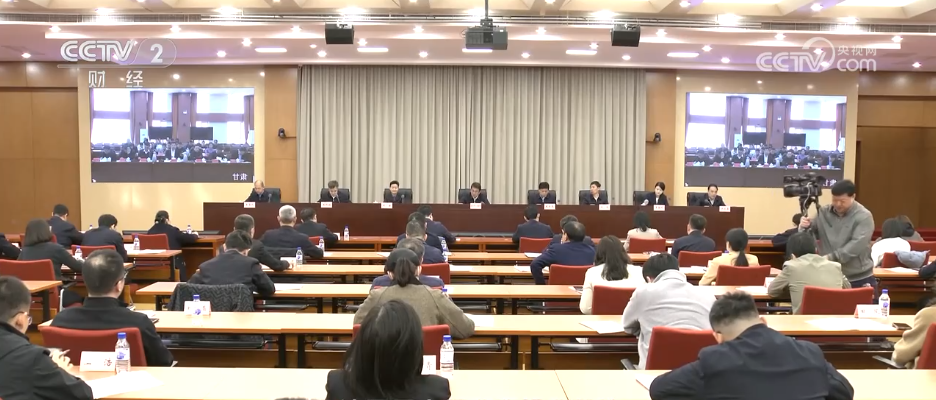
Merdan Mugaiti, Deputy Minister of Agriculture and Rural Affairs, said that the inspection and rectification of spring farming agricultural supplies should be carried out quickly, and the inspection subject should be fully covered, and the agricultural supplies management distribution centers in the urban-rural fringe areas should be closely monitored. Focus on checking whether there is production and operation qualifications, whether the purchase inspection system is built, and the product purchase and sales records are incomplete. Unqualified products will be released to the public as soon as possible.
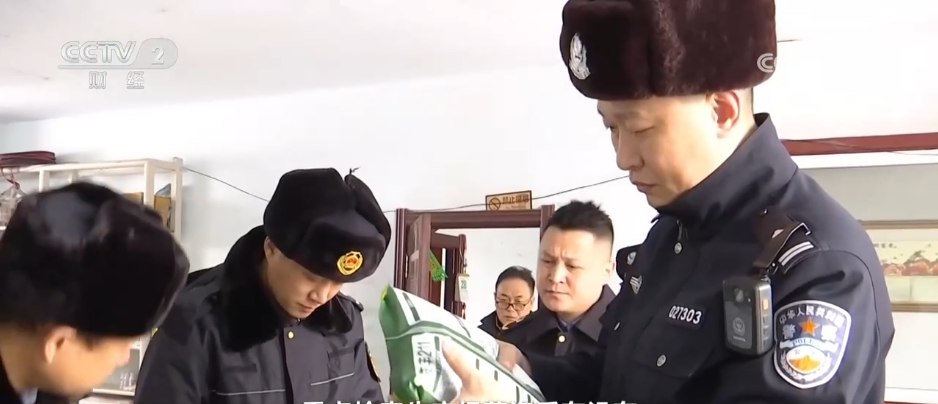
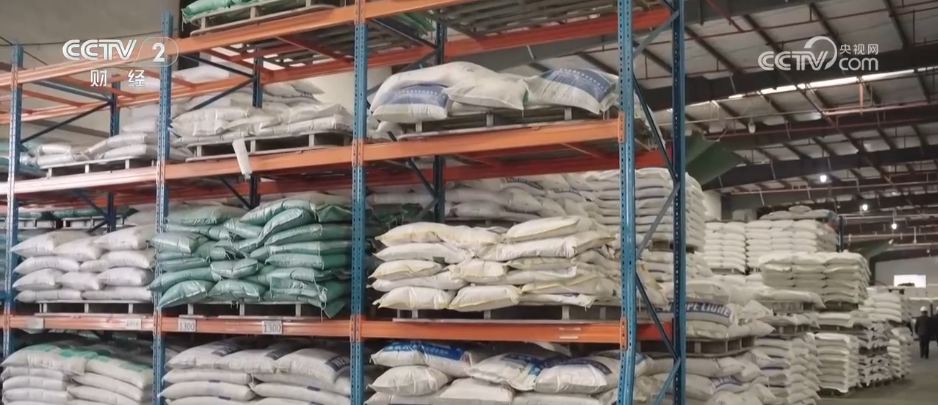
According to reports, in recent years, the quality of agricultural supplies has been generally guaranteed, but fertilizer quality problems and fake and inferior seeds still exist. This year, the focus of agricultural supplies' anti-counterfeiting seeds is deck infringement, the focus of pesticides is on the infringement of ingredients, illegal additions, and sales of banned drugs. The focus of fertilizers is on insufficient nutrients and irregular labels. The Ministry of Agriculture and Rural Affairs and other departments will focus on key varieties and important agricultural seasons and continue to carry out special rectification.
Merdan Mugaiti said that he would deepen the rectification of "deception groups"; keep a close eye on the behavior of going to villages and households and selling agricultural supplies; carry out the management of illegal sales of banned drugs. At present, 60 highly toxic pesticides have been banned, and veterinary drugs have also clearly stated that 21 banned drugs should be investigated and punished. At the same time, a list of banned and restricted agricultural and veterinary drugs should be widely distributed.