CCTV News: As the temperature rises, the "flower" economy in various parts of China begins to heat up. Let's go to various places to experience it.
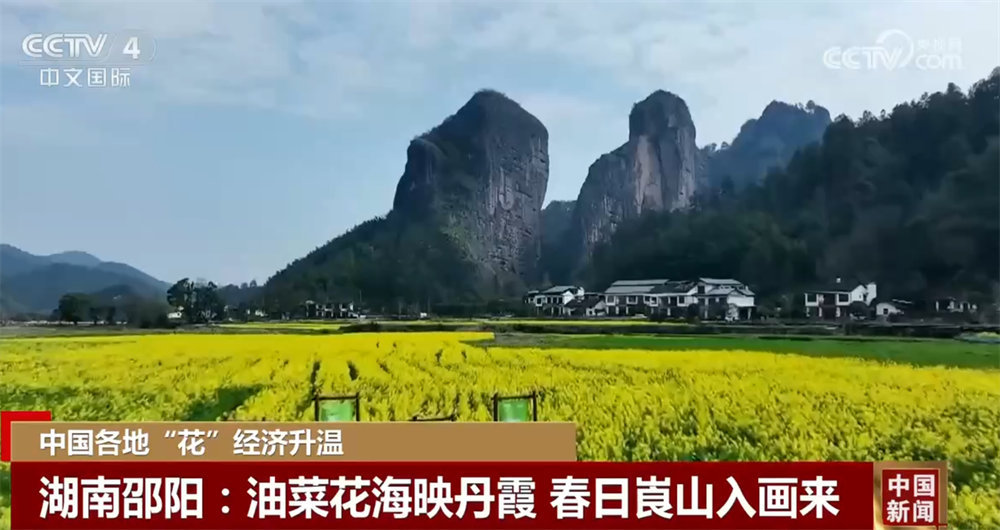
In the world natural heritage site, the Gongshan Scenic Area of Xinning County, Shaoyang, Hunan, thousands of acres of rapeseed flowers bloom one after another, and the golden sea of flowers and the unique Danxia landform complement each other, attracting many citizens and tourists to come and feel the breath of spring. This year, the scenic spot launched the "Flower Sea Festival", opened a special line for viewing flowers, and created multiple Internet celebrity check-in points. During the flower viewing period, the number of tourists increased by more than 60% year-on-year.
In Shouning County, Ningde, Fujian, nearly 100 acres of pear blossoms have ushered in their peak flowering period in the past two days. Tourists either stroll through the sea of flowers or set up small tables under the trees, enjoying the flowers while enjoying the leisure and comfort of spring.
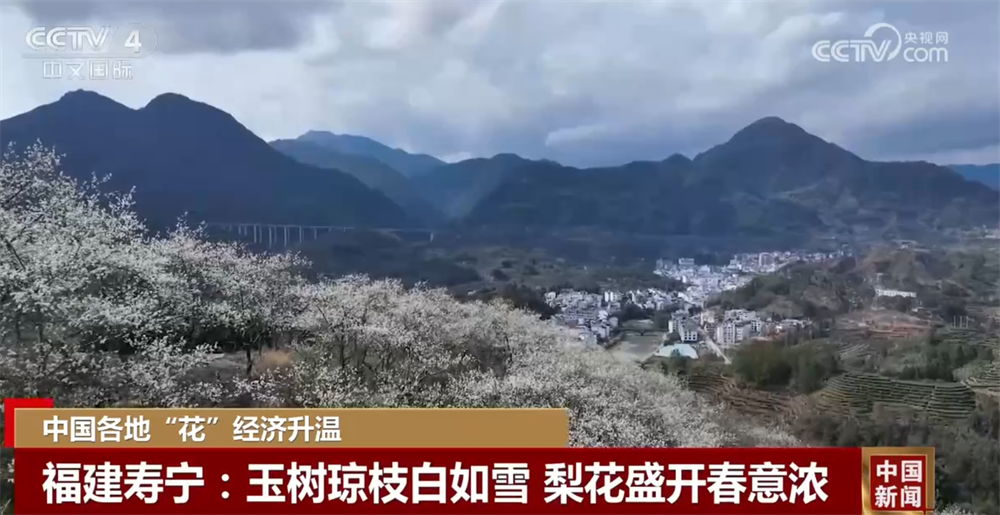
In recent years, the local government has "used flowers as a medium" to vigorously develop the "flower-viewing economy", connecting flower viewing with river beach cruises, rural teahouses and other check-in points, driving the common development of local homestays and catering industries.
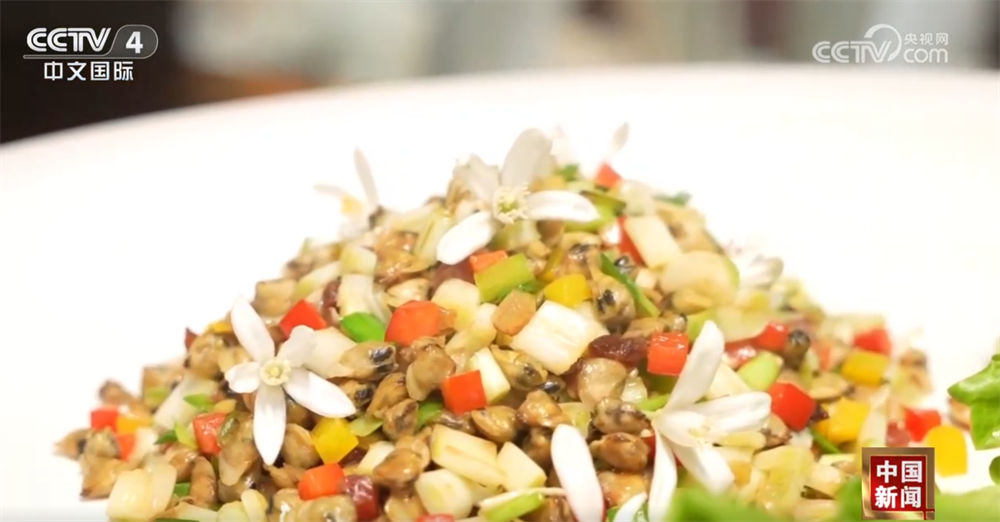
In Foshan, Guangdong, locals have the tradition of "using flowers to eat". Cantonese cuisine chefs cleverly combine seasonal kumquat flowers with Cantonese culture to create a "spring limited food".
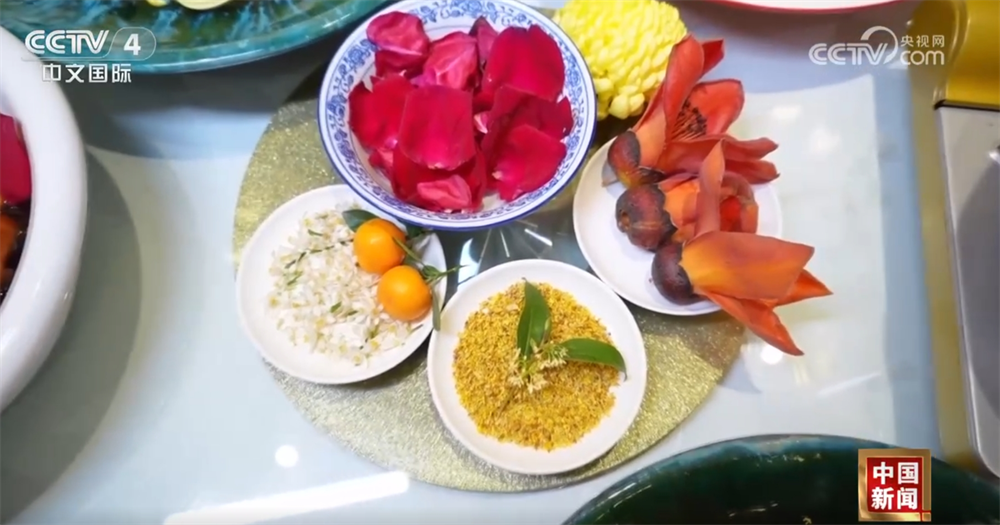
As a famous Lingnan flower town, Chen Village in Foshan has planted more than 5,000 varieties of flowers. In recent years, local food has extended to the cultural and tourism industry through flower planting. Many Cantonese restaurants have launched "Spring Flower Banquets" made of seasonal flower materials at the festival, driving the continuous increase in the flow of flower food customers.