CCTV News: During this year's National People's Congress and the Chinese People's Political Consultative Conference, "Invest in People" was written into the government work report for the first time, which aroused widespread attention and heated discussion. The report proposes to promote more financial resources to "invest in people" and serve people's livelihood, support the expansion of employment, promote residents' income increase and burden reduction, strengthen consumption incentives, and form a virtuous cycle of economic development and improvement of people's livelihood. The report will focus on people's livelihood concerns such as employment, increase income and reduce burdens, and consumption. A series of tangible people's livelihood welfare are the best annotations for people's livelihood. So, how should we understand "investment in people"? What signals are sent behind the proposal of "Investing in People"? Let’s learn about it together.
To invest in people, to simply understand, is to put more funds and resources on people and serve people.
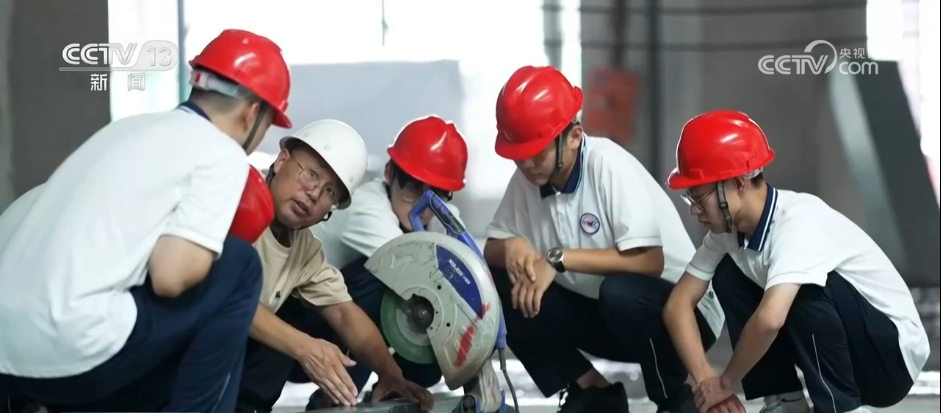
Sheng Lei, deputy director of the Investment Research Institute of the National Development and Reform Commission, said that on the one hand, we must improve the quality of life and provide better products, services and guarantees in terms of food, clothing, housing, transportation, fertility, medical care, etc.; on the other hand, we must improve our income level and effectively improve people's ability to innovate, create and create wealth through better education, training and employment support.
Efficient coordination from "invest in things" to "invest in things" and "invest in people", reconstruct investment logic with systematic thinking.
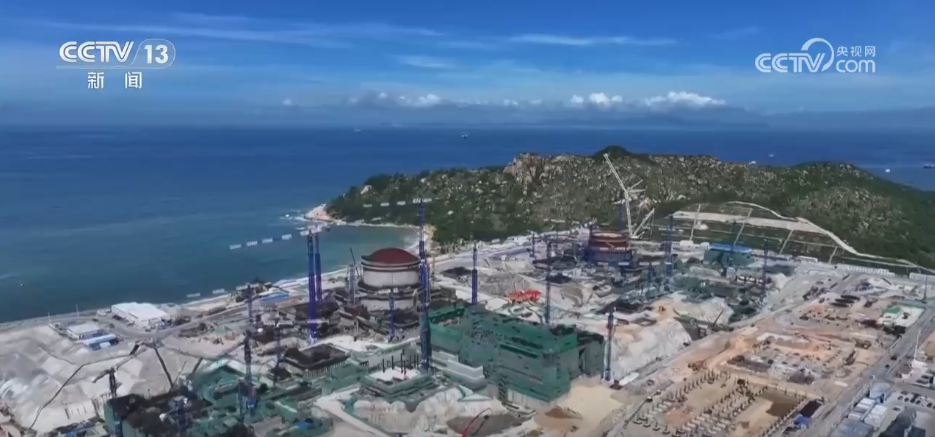
In 2024, my country's total fixed asset investment reached 52 trillion yuan. On a global scale, this absolute amount is unmatched by anyone. Compared with "things" such as power stations, houses, railways, etc., "people" now need more investment. Create new economic growth points by ensuring and improving people's livelihood.
Sheng Lei said that based on the good accumulation of material capital, he began to move towards a high-level accumulation of human capital. "Investing in people" is not only a new space to release the potential of domestic demand, but also a new starting point for adapting to the wave of scientific and technological revolution and relying on people's creation to achieve innovation-driven development.
Policy measures increase the content of people's livelihood and "invest in people"
Looking through this year's budget report and the task list of relevant departments, you will find that many capital investments and target plans are closely related to "invest in people", and the content of people's livelihood continues to increase.

This year, the country further increased its education investment, and central education expenditure increased by 5%. At the same time, we will further increase the scale of undergraduate enrollment in universities with "Double First-Class" construction, and strive to expand enrollment by another 20,000 people this year. Just recently, universities such as Tsinghua University and China Agricultural University have announced plans to expand enrollment, with a single school reaching 500 people; cultivating multi-disciplinary compound talents is the goal proposed by many schools after the expansion of enrollment.
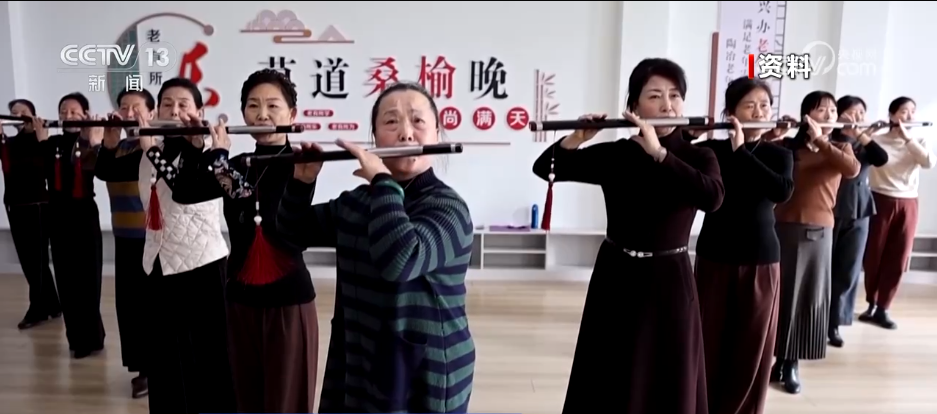
In terms of medical care and elderly care, expenditure this year has also expanded further. For example, for urban and rural residents, the per capita financial subsidy standard for basic medical insurance will be increased by 30 yuan, reaching 700 yuan per person per year; for the elderly, the basic pension for urban and rural residents will be increased and the pension level for retired employees will be appropriately increased, benefiting more than 300 million people.
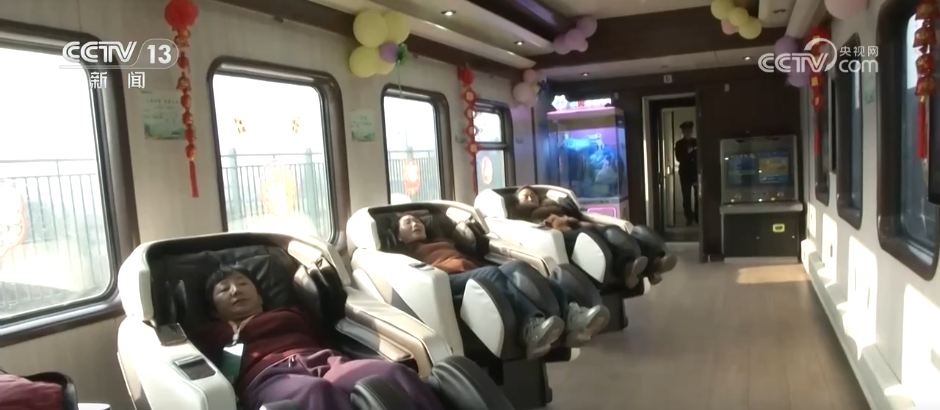
Experts interpret that by "investing in people", increasing investment in people's livelihood will be conducive to the formation of a virtuous cycle of improvement of people's livelihood and economic development.
Education, elderly care, science and technology innovation and other fields will usher in new opportunities
The essence of "Investing in People" is to transform funds and resources into human development opportunities and improve the quality of life. Among them, it includes direct people's livelihood expenditures, and also covers the creation of a better and better development environment through various policy measures. Many fields and industries will usher in new opportunities.
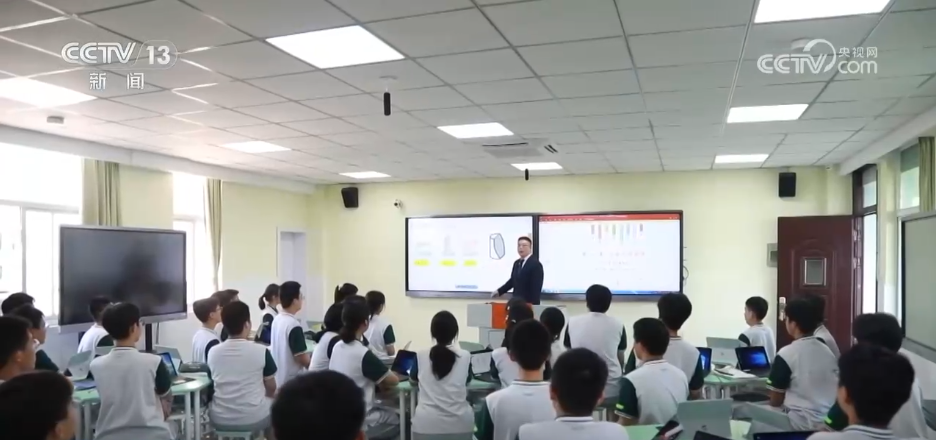
"Investing in People" has pointed out new investment directions for some social capital, especially areas related to education, pension, medical care, etc. and development-based consumption of people.

"Investing in people" also means investing in long-term human capital improvement, increasing human capital investment, and is an important tool for macroeconomic regulation. This year's government work report clearly states that the strategy of building a country through science and education will be implemented in depth and the overall effectiveness of the national innovation system will be improved. Experts said that there will be greater room for development in the field of science and technology innovation and innovative talents.