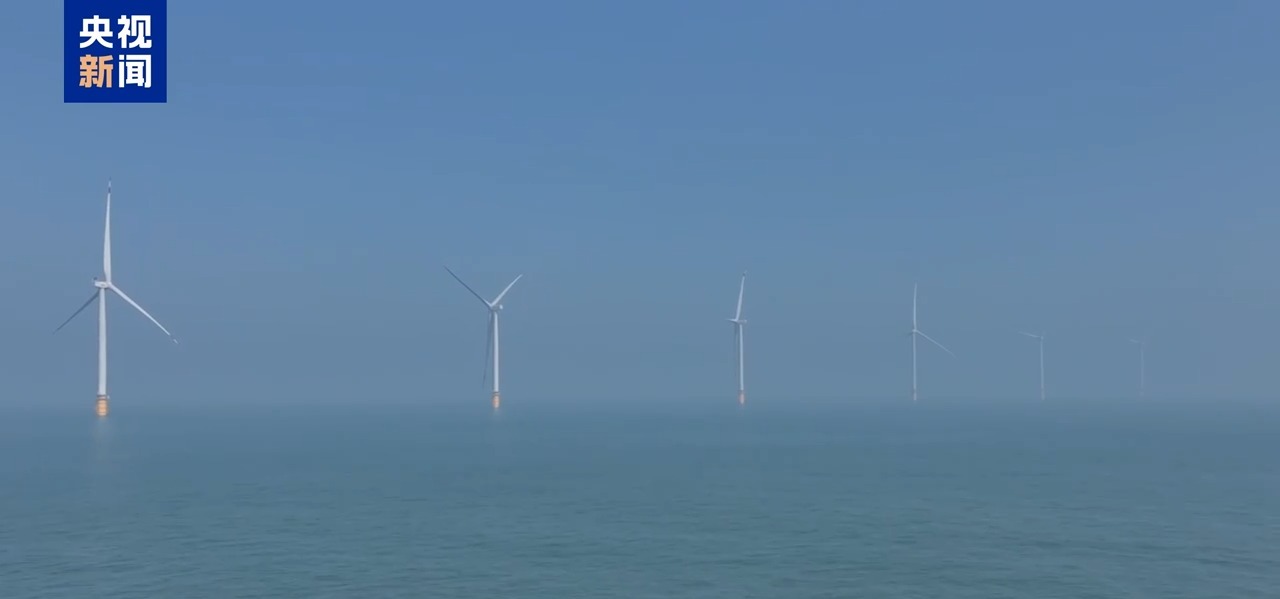
CCTV News: Since the beginning of this year, a number of major foreign investment projects have been launched in China one after another, with a planned investment of up to US$33 billion. Some comments said that foreign companies are increasing their investment in the Chinese market with practical actions, but some believe that data shows that the amount of foreign investment in China has declined in recent years. In response, Chinese Foreign Ministry spokesman Mao Ning said at a regular press conference held on the 13th that from the data, China is still a high ground for cross-border investment, and "bold" and "bullish" China is still a consensus among many foreign companies. Mao Ning said that as of the end of last year, foreign investors had invested and established nearly 1.24 million enterprises in China, and actually used 20.6 trillion yuan of foreign capital. Last year, nearly 60,000 new foreign-invested enterprises were established in China, an increase of 9.9% year-on-year. In the past five years, the rate of return on foreign direct investment in China has been about 9%, ranking among the top in the world. Judging from the data, China is still a high ground for multinational investment, and "bold" and "bullish" China is still a consensus among many foreign companies.
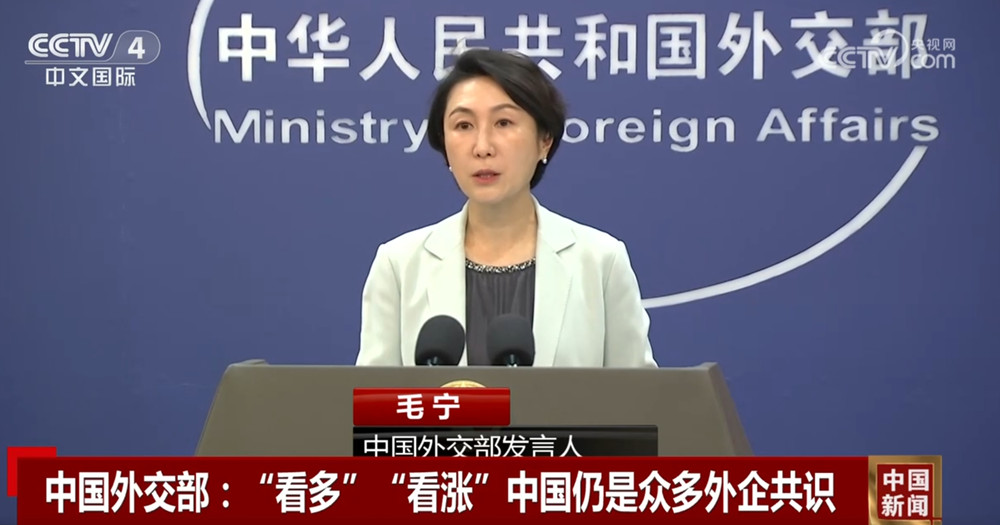
Mao Ning pointed out that last month China issued 20 items to stabilize foreign investment, and proposed new measures to orderly expand independent opening up and improve the level of investment promotion. This year's government work report clearly proposes to effectively ensure national treatment of foreign-invested enterprises in factor acquisition, qualification licensing, standard formulation, government procurement, etc., so that foreign-invested enterprises can develop better.
Mao Ning said that walking with China is walking with opportunities. No matter how the external environment changes, China has always fulfilled its commitment to high-level opening up and always welcomes companies from all countries to invest in China, deepen their cultivation in China, share dividends and develop together.