
CCTV News: In March, peach blossoms, cherry blossoms and pear blossoms bloom in turn, and even cypresses, pine willows, etc. bloom. However, for people with pollen allergies, this also means that the season of "snot and tears" has arrived. So, what is pollen allergies? What is the difference between it and the symptoms of a cold? How to treat it? Let’s pay attention together.
Advanced allergy season. Don’t treat pollen allergies as a "cold"
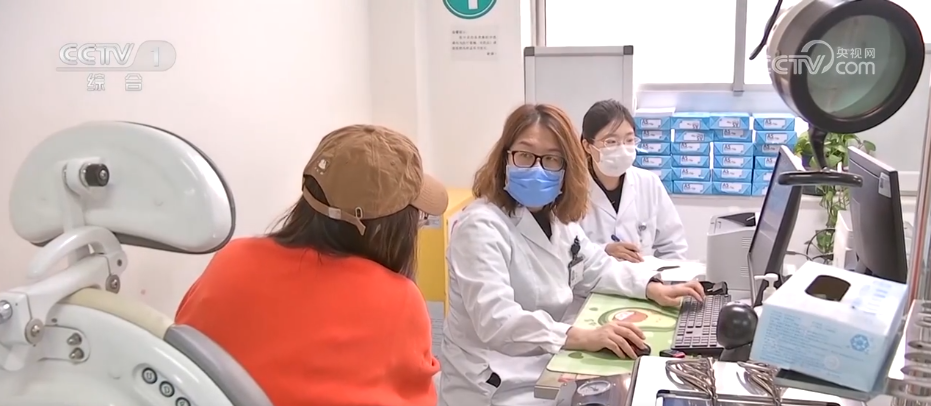
Since March, the number of pollen allergies in many hospitals has increased significantly. The reporter learned at the Beijing Tongren Hospital that during the spring pollen spread from January to March, the number of patients with allergic symptoms in outpatient clinics will increase by about 20% compared with usual times, and this year's pollen season is about a week ahead of previous years.
As allergies can cause sneezing, runny nose, and accompanied by symptoms such as coughing, many people mistakenly regard allergies as colds. Experts say that the main symptoms of influenza will cause fever to varying degrees, but allergic rhinitis only feels fatigue and burnout throughout the body, and the body temperature is normal. Therefore, by the difference in symptoms, you can judge at home whether you have influenza or allergic rhinitis.

In addition, it is difficult for patients to distinguish when the initial symptoms of pollen allergy are not obvious. If the patient suddenly finds that he is beginning to be allergic to a certain food, with dry itchy oropharynx and swelling of his lips, it may be that the pollen and food have crossed allergic reactions. It is recommended that patients who suspect they have pollen allergies go to the hospital in time to find out their allergens to facilitate appropriate environmental control of allergens.
Don’t talk about hormone color changes. You can follow the doctor’s advice to take the medicine with confidence.
For patients with clear and severe pollen allergies, doctors recommend starting the medicine two weeks before the pollen season, and controlling the symptoms when it is not serious. Generally, medication needs to continue until the end of the pollen season.

When many patients hear about preventive drugs, including hormone nasal spray, they are worried that the use of hormones will affect their health, and they are somewhat resistant to prevention and treatment. In this regard, the doctor introduced that nasal spray hormone, as a topical drug, is calculated in micrograms, and the dose absorbed into the whole body through the nasal mucosa is even more slight. You can use the drug with confidence as per the doctor's advice.
Follow the pollen meteorological report "Discover" allergens
In addition to timely treatment of allergens, prevention is also important. The most effective way to prevent pollen allergies is to avoid contact with allergens, such as wearing masks, silicone protective covers and glasses when going out to take good protection. In addition, closely monitoring pollen concentration monitoring information released by the meteorological department can also help us "dang" away allergens.