CCTV News: It is the critical period for the winter wheat in northern Xinjiang to return to the greenery. In Wusu City, Tacheng Prefecture, Xinjiang, growers use technological means to assist in wheat field management.
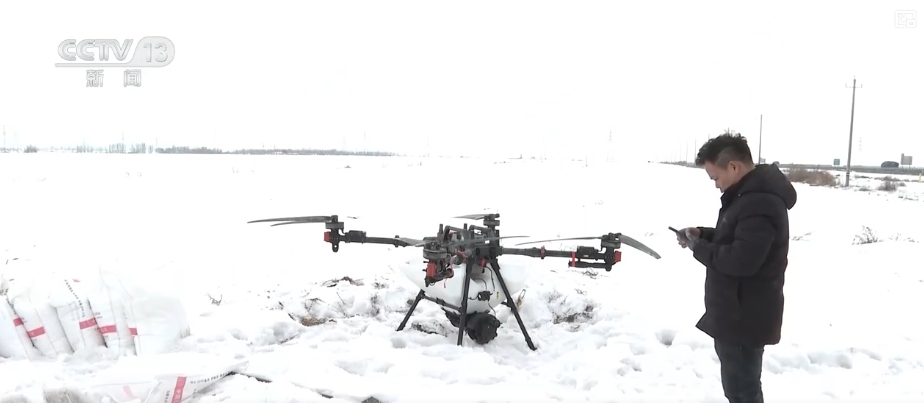
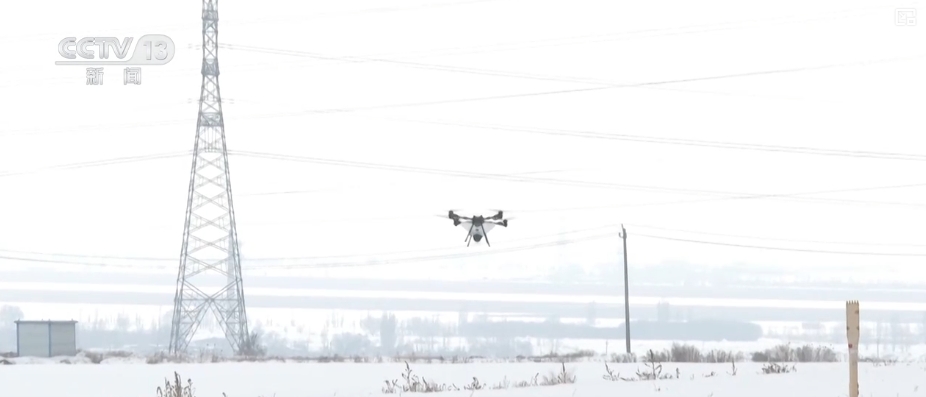
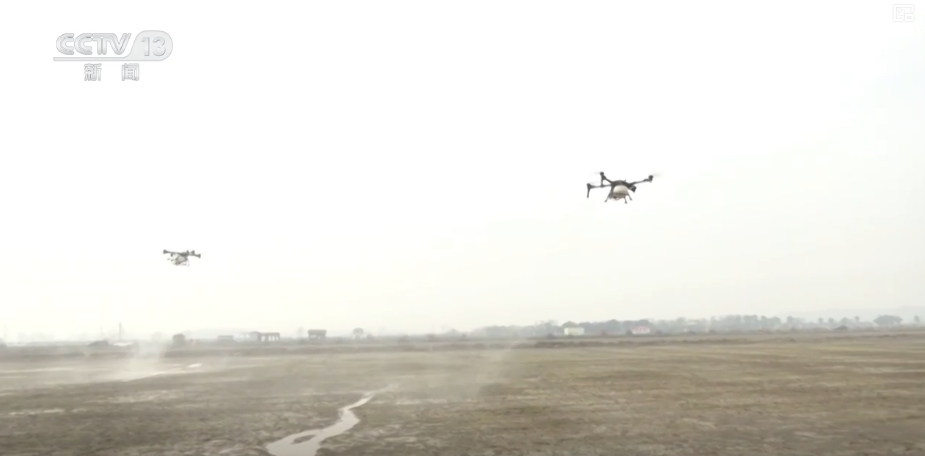
In the high-standard farmland in Yangjiazhuangzi Village, Bashisihu Township, Wusu City, the winter snow has not melted yet, and large grain growers are spraying snow-melting fertilizer through plant protection drones to prevent snow rot and fermentation disease.
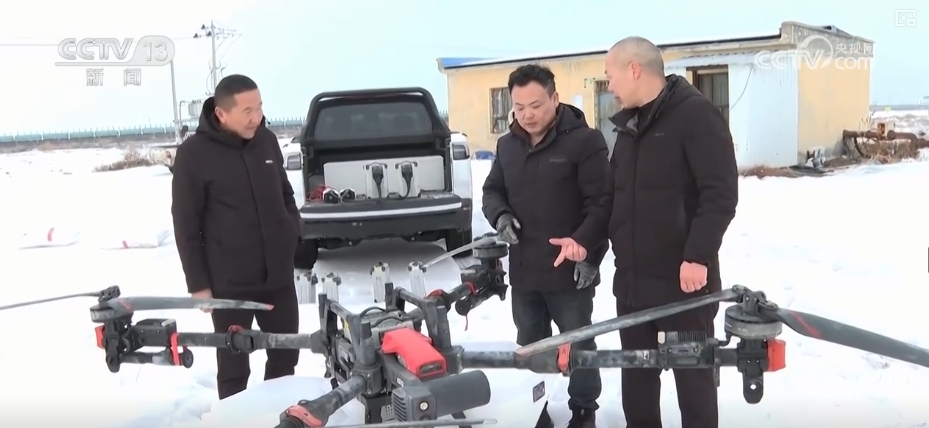
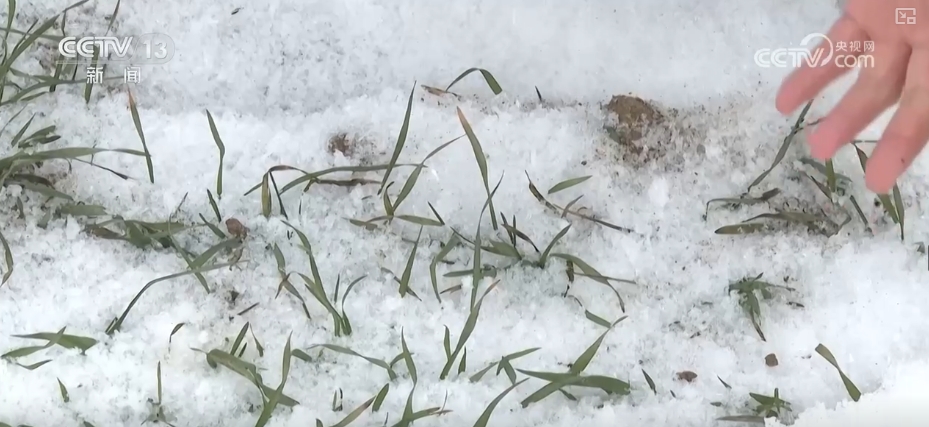
It is understood that the winter wheat planting area in Wusu City is 76,200 mu. At present, local agricultural technicians are going deep into the fields to investigate the snow cover of winter wheat, seedling conditions, and pests and diseases, and continuously improve the wheat field management level of growers and lay a solid foundation for a bumper summer grain yield and harvest. Wheat is sown one after another, mechanized operations save water and improve efficiency
Recently, 100,000 mu of wheat in Jinta County, Jiuquan, Gansu began to sow. The local government seizes the farming season, promotes mechanized means, and helps agricultural production.
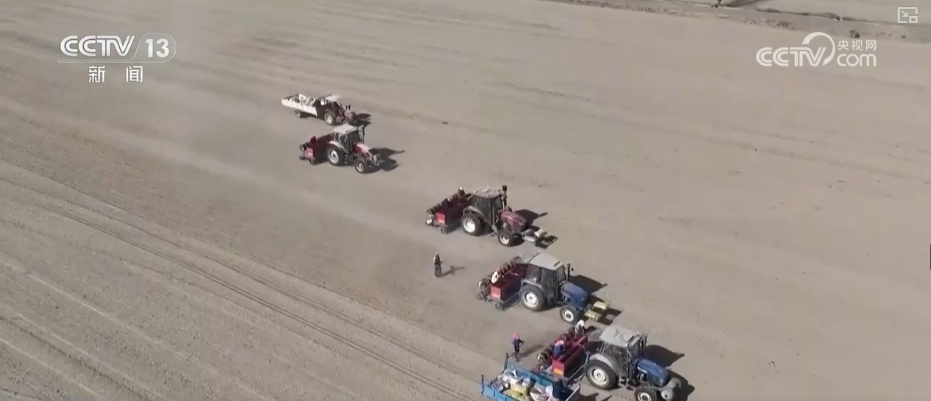
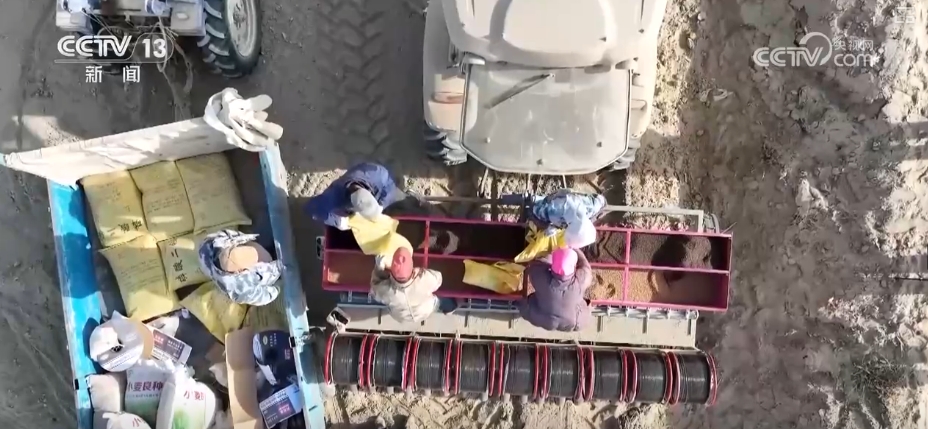
In this wheat field in Xiaohekou Village, Dongba Town, Jinta County, Jiuquan, multiple wheat seeders are operating in the fields. In view of the local climate characteristics of drought and rain shortage, in 2025, the local area will adopt the integrated technology of shallow buried drip irrigation and water fertilizer to achieve mechanized sowing.
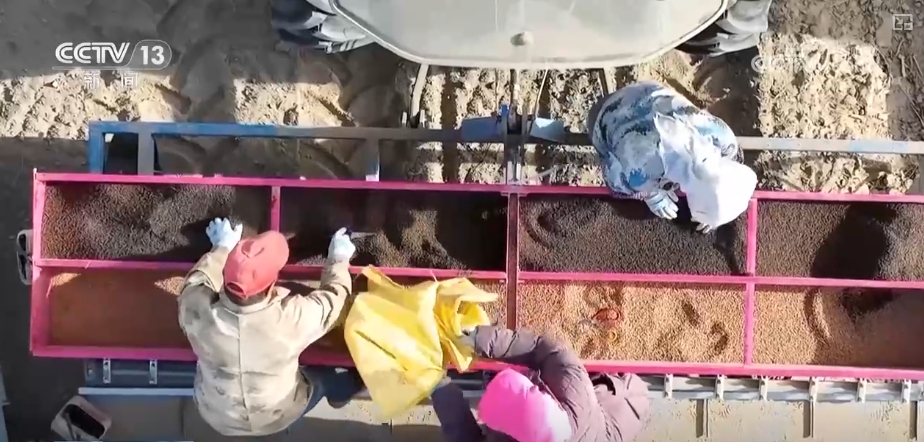

According to reports, after the wheat seeder is put into use, the daily operation volume of each unit can reach 80-100 acres, which not only greatly improves the efficiency of spring sowing, but also effectively saves water and fertilizer. "Unmanned Driving + AI" helps farmers with wisdom spring sowing
In Foshan, Guangdong, spring sowing and spring plowing operations are underway. In 2025, growers will use unmanned rice transplanters and other equipment to efficiently complete early rice transplanting and sowing.
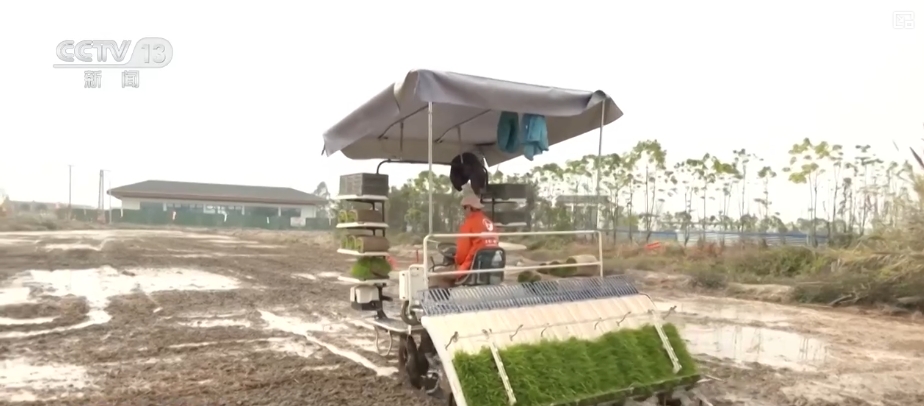
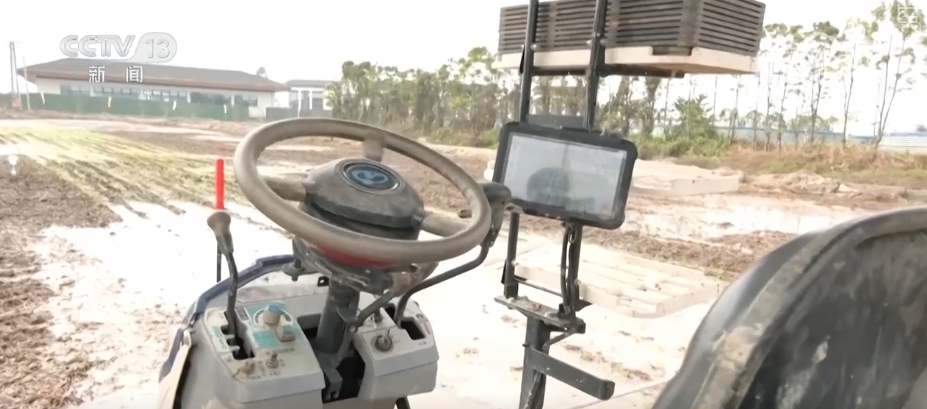
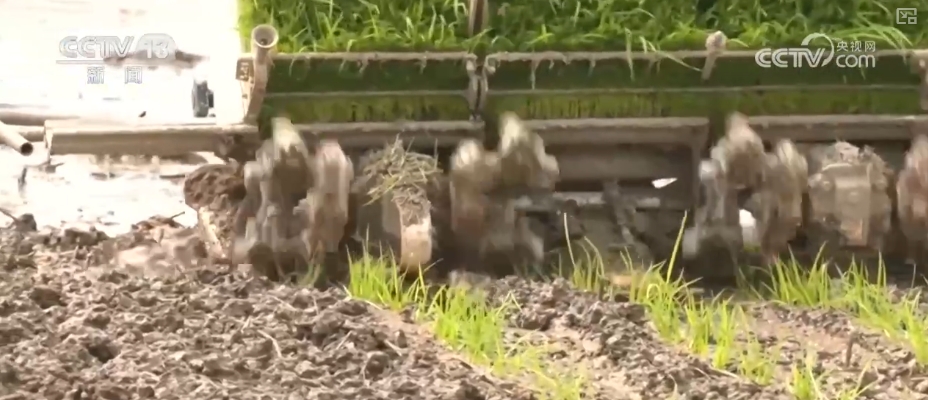
In this rice field in Gaoming District, Foshan, farmers are using unmanned rice transplanters to transplant rice. One person can complete 30-40 acres of rice transplanting operations a day.

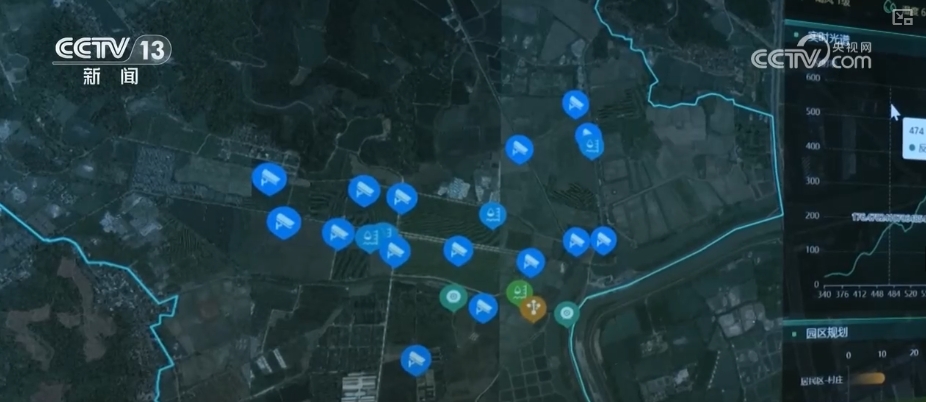
In addition, drone air cruise also replaces traditional field patrols. This drone equipped with a spectrum camera is patrolling the fields according to pre-set routes and using AI to generate various crop data to facilitate farmers to understand the growth of rice and implement field management accurately.
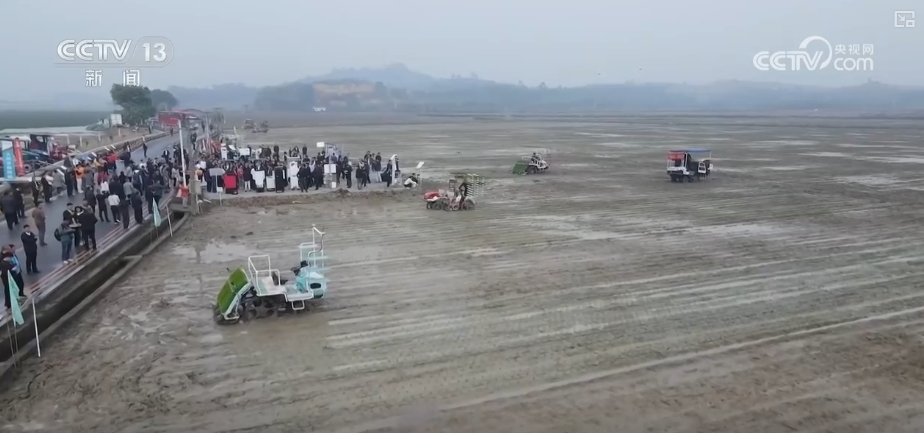
It is understood that Foshan Gaoming District has 67,600 mu of concentrated and continuous rice production areas. At present, the comprehensive mechanization rate of farming, planting and harvesting has reached 92%.