
CCTV News: Spring is coming, migratory birds move northward. As the weather warms up, the wetlands along the Baotou section of the Yellow River, Inner Mongolia, welcome migratory birds returning to the north. Starting from the end of February, more than 3,000 migratory birds have been waiting for the coastal wetlands along the Tumote Right Banner section. Flocks of swans, gray cranes and other migratory birds have brought vitality to the spring wetlands and attracted many tourists and photography enthusiasts.
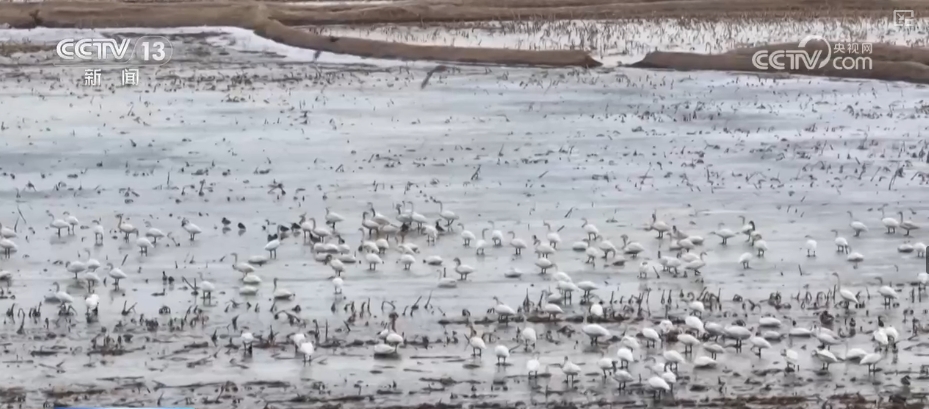
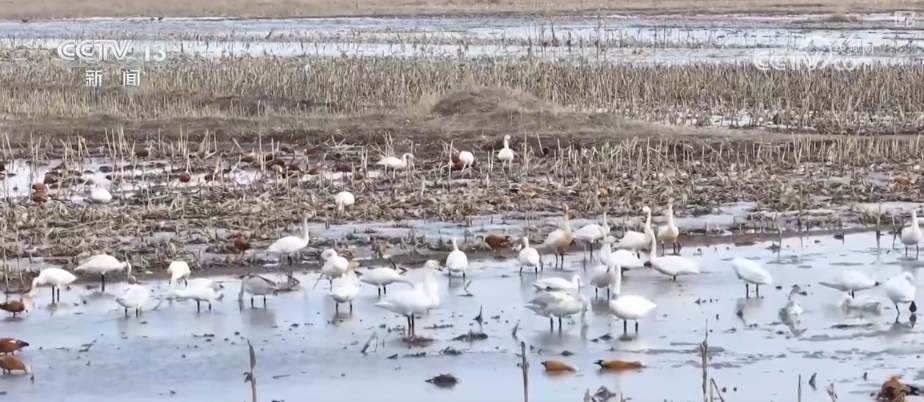
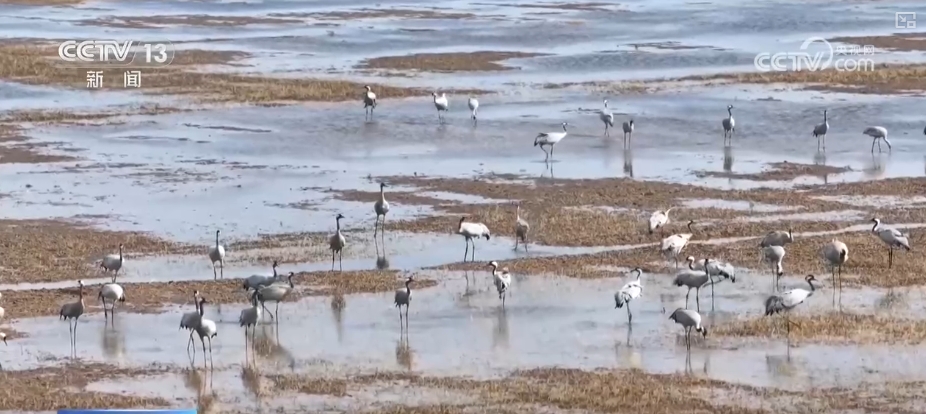
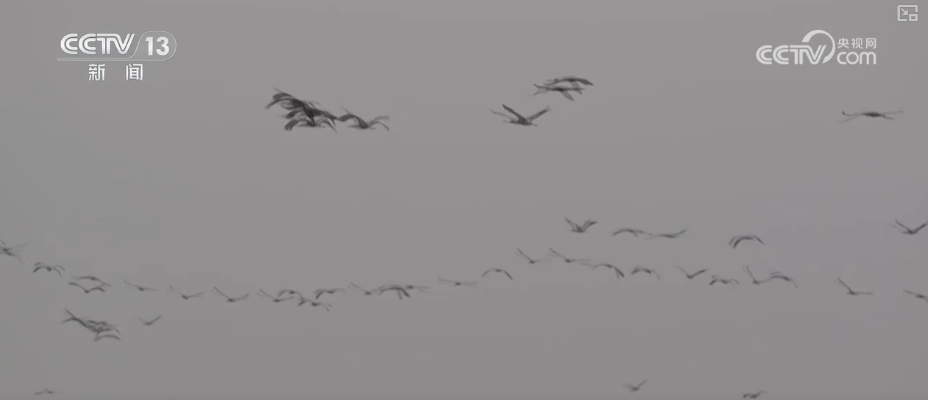
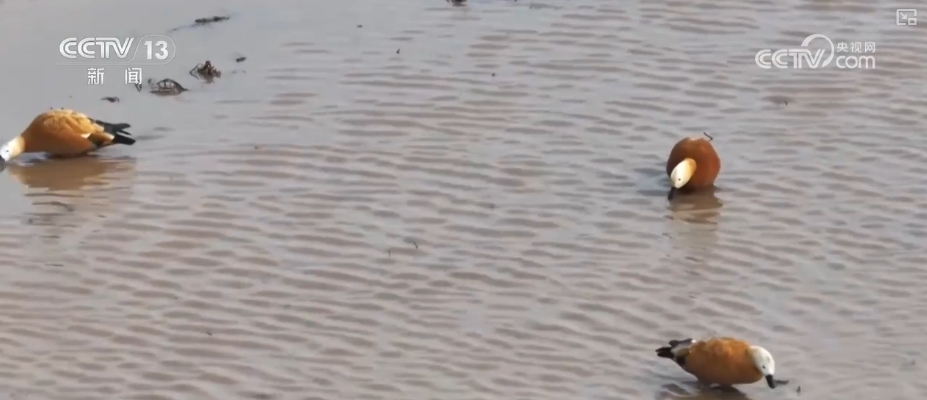
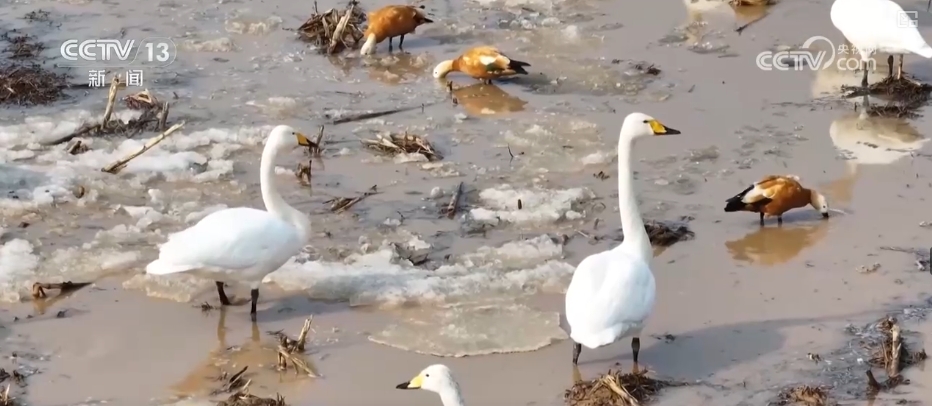
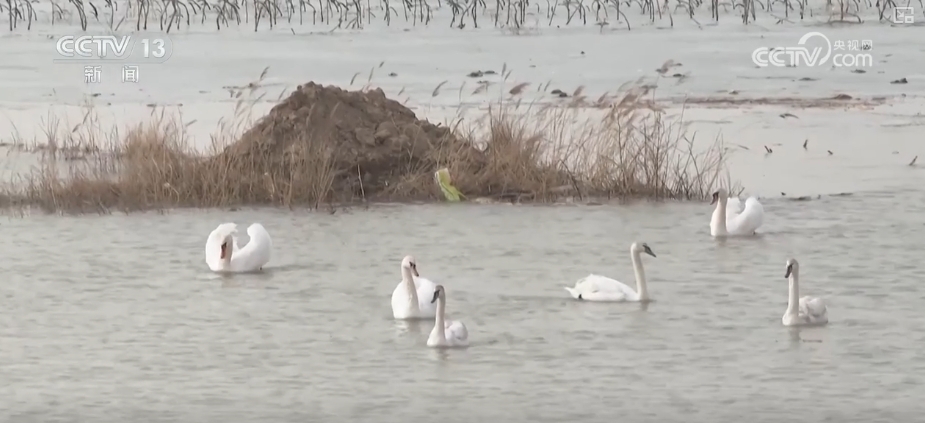
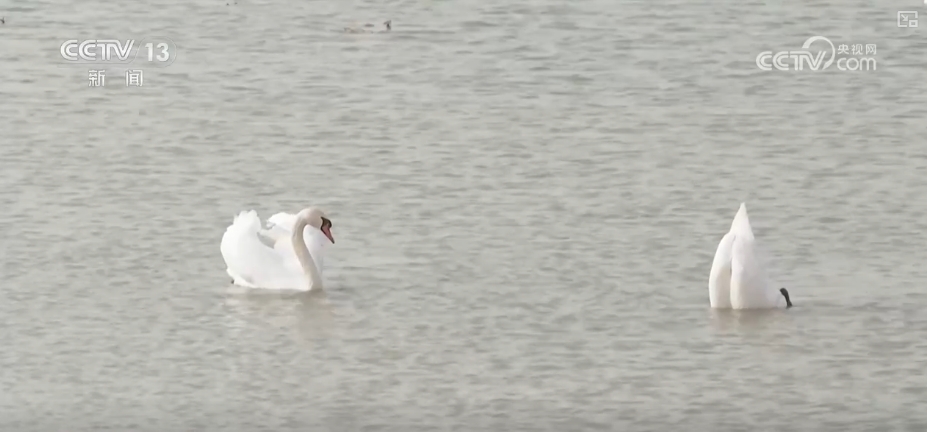
In the coastal wetlands of Tumote Right Banner section of Baotou, Inner Mongolia, the swans are like elegant "fairy", sometimes strolling leisurely in the wetlands, sometimes bowing their heads and pecking at the water surface to catch the deliciousness. The gray crane family is like a steady "dancer", some paced in the shallows for food, while others stretched their wings and hovered in the air. The migratory birds with different postures attracted many tourists and photography enthusiasts to come and see the vitality and beauty of nature.

When the migratory birds returned, the local bird protection team composed of villagers spontaneously became busy. They feed corn regularly every day and carefully protect these "guests" from afar.


Surveillance shows that since the end of February, more than 3,000 migratory birds have been inhabited here. As the weather warms up, it is expected that more than 20,000 migratory birds will rest during this spring's migration season. Migratory birds return to the north. The scientific research team launched a research on bird ecology
In 2025, what changes have been made in terms of quantity and species of migratory birds that come to rest in the wetlands along the Baotou section of the Yellow River, Inner Mongolia? At present, the scientific research team has launched aerial ecology research to record the arrival of migratory birds in 2025.
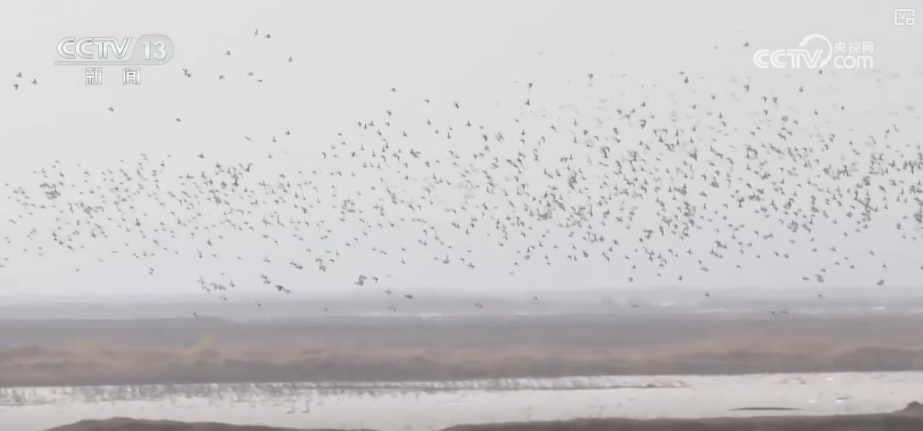
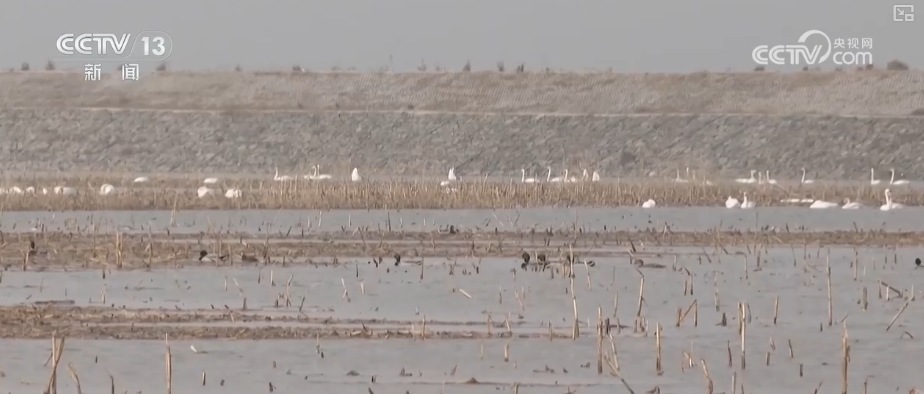
In the past week, researchers have found nearly 60 mute swans, more than 500 big swans and nearly 3,000 little swans in the wetlands along the Baotou section of the Yellow River, Inner Mongolia. Although the little swans are the smallest but extremely endurance, they can fly from habitats such as Poyang Lake in the Yangtze River Basin to the Yellow River wetlands.
Liu Li, professor of the School of Ecology and Environment of Baotou Normal University, introduced that Baotou Yellow River National Wetlands is an important stopping place for them. The main food they eat is corn. Next, they will fly all the way north and finally migrate to the Arctic, and the entire route will reach 5,000 kilometers.
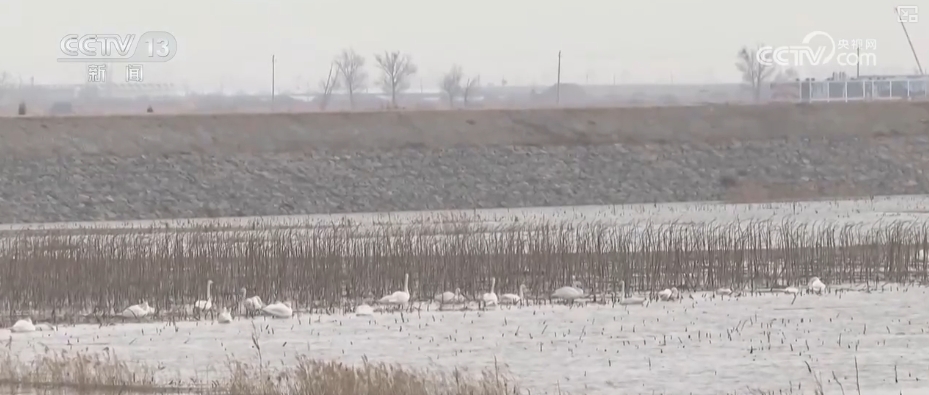

The Baotou section of the Inner Mongolia of the Yellow River is an important transit station for migratory bird migration. Starting from mid-February every year, migratory birds returning from north fly here. Among them, there are three types of swans, big swans, small swans, and mute swans.
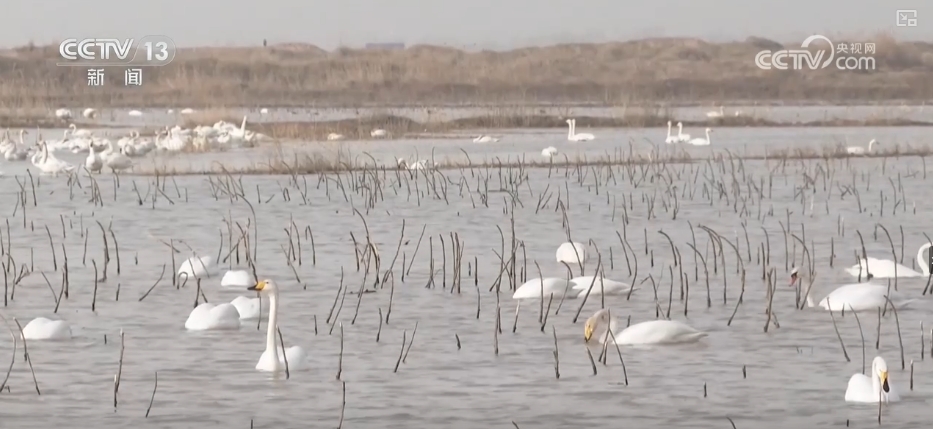
Affected by temperature, ice conditions and surrounding agricultural production, the number and species of migratory birds coming here vary every year. In order to record the situation of migratory birds in 2025, relevant units of the Forestry and Grassland Bureau of the Inner Mongolia Autonomous Region and the School of Ecology and Environment of Baotou Normal University jointly launched a bird ecology research, mainly focusing on swan genus, and systematically summarizes its community changes and inter-peripheral activities.
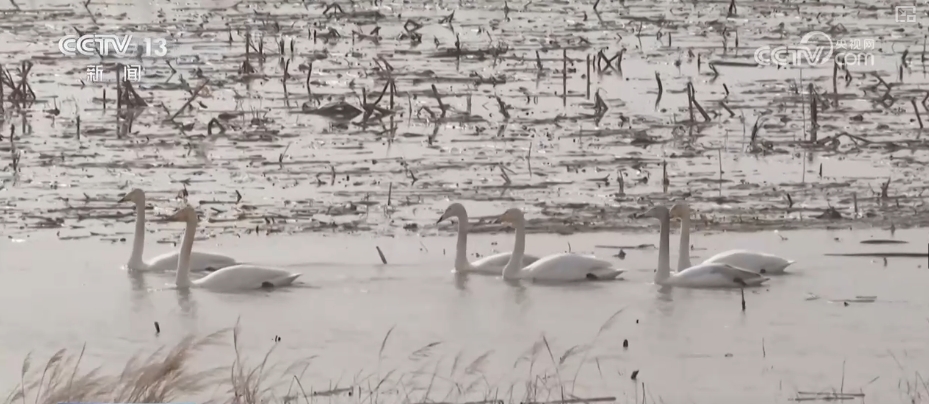
Monitoring shows that after the temperature rises to above 0 degrees Celsius in spring 2025, the frequency of activity of migratory birds will increase. When the temperature is low, most swans are in a quiet state.


Scientific researchers can further understand the laws of migratory bird migration and their relationship with the local natural environment and agricultural production by collecting samples such as migratory bird droppings and wetland plants to monitor energy. Welcome the peak of migratory bird migration, and the spring wetland is full of vitality
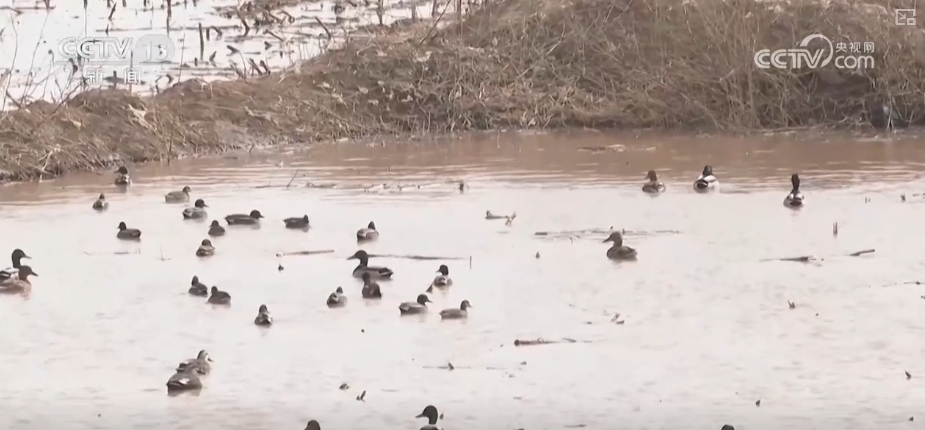
Recently, Awati County, located on the southern foot of the Tianshan Mountains in Xinjiang, ushered in the peak of migratory bird migration, and a large number of migratory birds gathered in flocks in the local area. In the river section of Baish Airik Town, birds such as red-headed ducks and red-mash ducks form a beautiful spring ecological landscape.
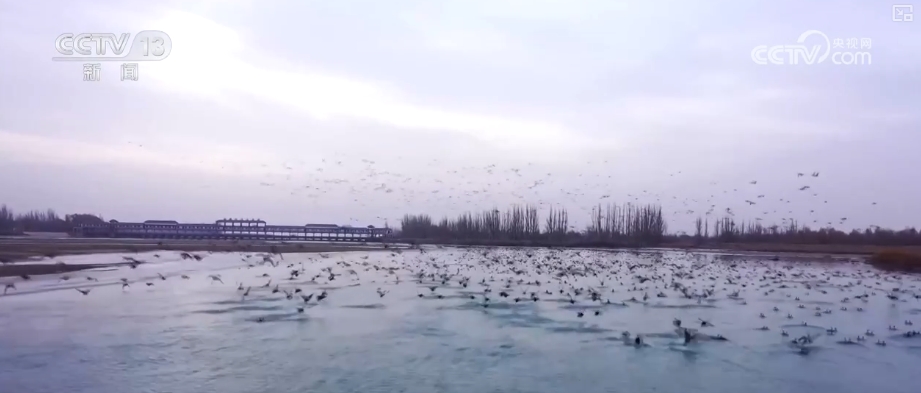

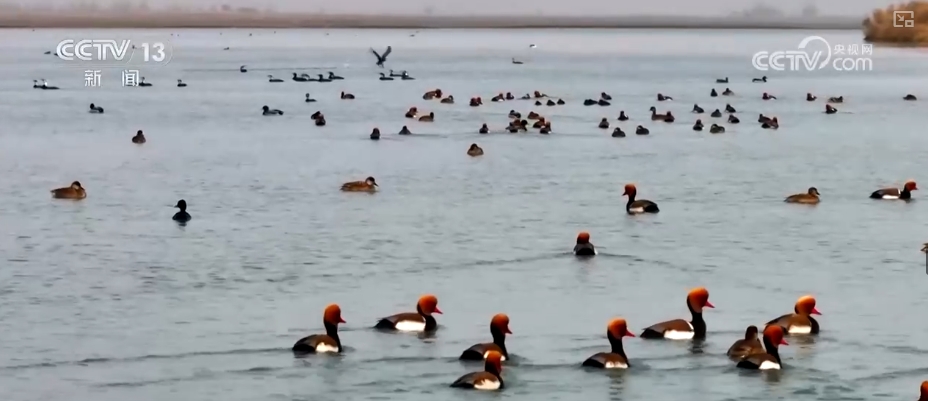
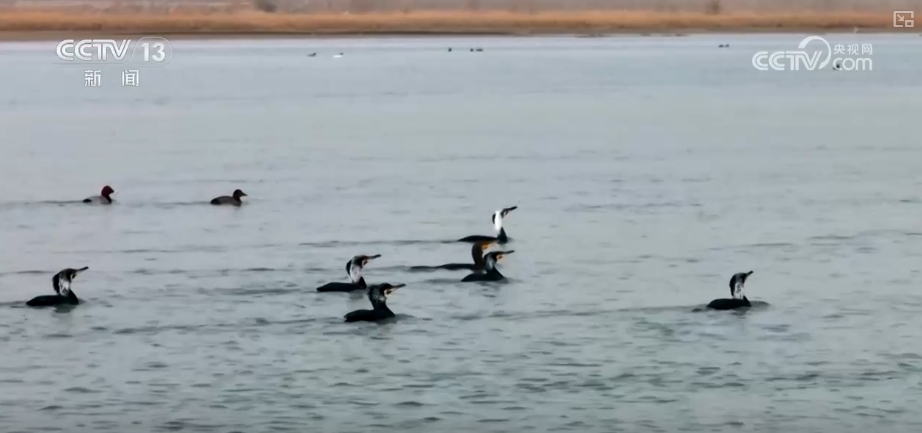
According to incomplete statistics, there are currently more than a dozen species of aquatic birds in Awati County, including red-headed ducks, gray cranes, and egrets. In recent years, the local area has strengthened wetland protection and river restoration efforts to provide many birds with good foraging and habitat.