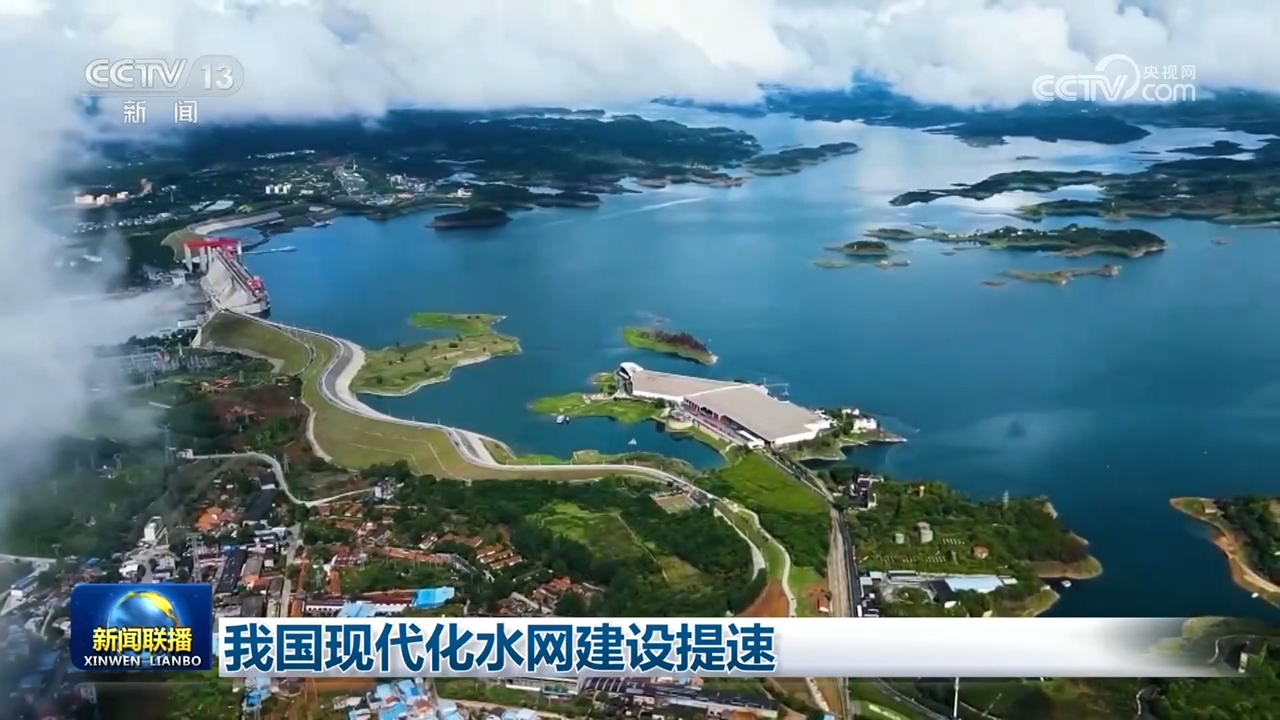
CCTV News: The National Space Administration released the latest research results of the far side samples of Chang'e-6 moon on February 28. The research team verified the lunar magma ocean hypothesis by studying basalt in Chang'e-6 lunar back samples, and the relevant paper was also published in the international academic journal Science on February 28.
The lunar back sample verifies the lunar magma ocean hypothesis

The lunar magma ocean hypothesis is an important hypothesis for the origin and evolution of the moon. The hypothesis proposes that at the beginning of the formation of the moon, it appeared as a magma ocean throughout the moon. As later studies found that the evolution of the back and front of the moon was not completely consistent, the lunar magma ocean hypothesis was questioned. This Chang'e-6 mission brought back samples from the back of the moon for the first time. Through the study of the sample, scientists have the latest evidence, and the subject formation age of basalt in the study sample is 2.823 billion years. By comparing the sample characteristics of the back and front of the moon, the lunar magma ocean hypothesis was verified.
The significant difference between the front and back of the moon may be caused by a huge impact

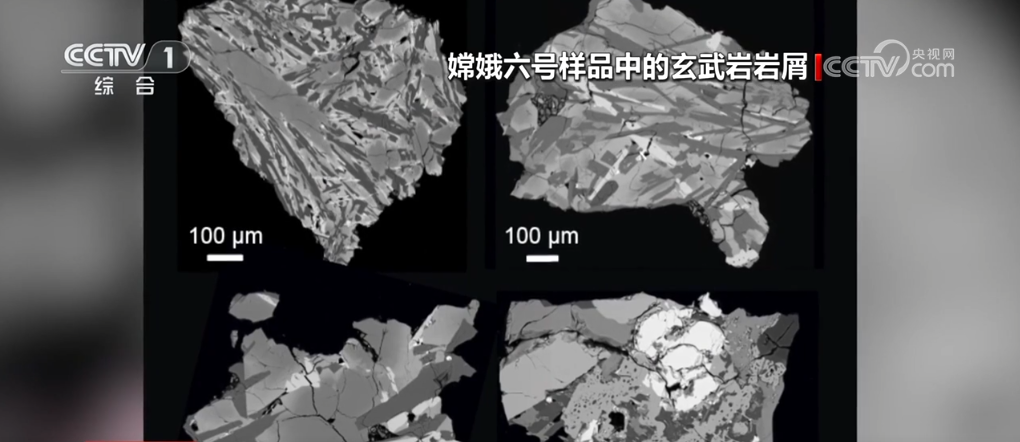
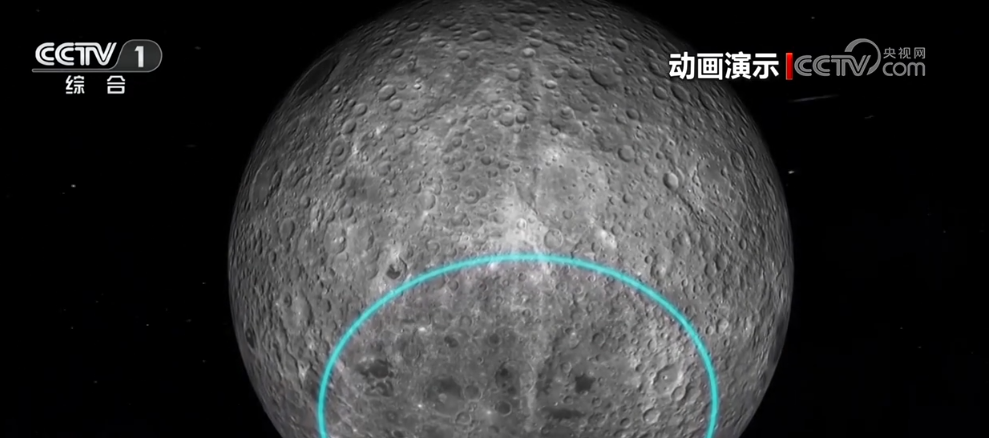
Study on lead isotopes in lunar dorsal basalt also reveals that there are differences in the evolution process of the front and back of the moon after crystallization of the magma ocean. Large impacts will cause changes in the composition of lead isotopes on the moon. The research team judged from this that the huge impact on the Antarctic-Aitken Basin, which formed the back of the moon, may have transformed the physical and chemical properties of the lunar mantle in this area, resulting in significant differences in the front and back of the moon.
The Zhurong rover discovered traces of ancient oceans
In addition to making many new discoveries in the research on the Chang'e-6 lunar back samples, the reporter learned from the Institute of Aerospace Information Innovation of the Chinese Academy of Sciences on February 28 that my country's scientific research team also made some latest research discoveries using the Zhurong rover.
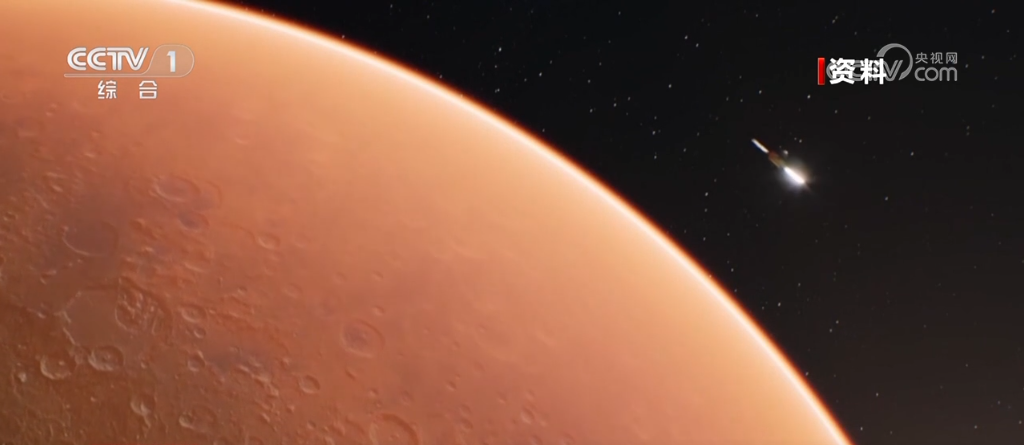

In the southern part of the Utopian Plain on the northern hemisphere of Mars, there are multi-layer inclined sedimentary structures 10 to 35 meters underground in the landing area of the Zhurong area. These geological characteristics are highly similar to Earth's coastal sediments, and this structure can only be formed in a long-lasting and stable environment of large water bodies. This study provides key evidence that ancient oceans existed on the plains of northern Mars, suggesting that Mars had experienced periods of long-term warm and humidity and may have been habitable. China's first Mars rover, Zhurong, landed in the southern part of the Martian utopian plain on May 15, 2021.

Construction of the Cold Spring Ecosystem Research Device has started
On February 28, the "Cold Spring Ecosystem Research Device" of the national major scientific and technological infrastructure was officially started in Nansha, Guangzhou. This is also the world's first 2,000-meter-level bottom-mounted deep-sea laboratory that can be held for a long time.
The world's first large scientific installation for the subsea cold spring system

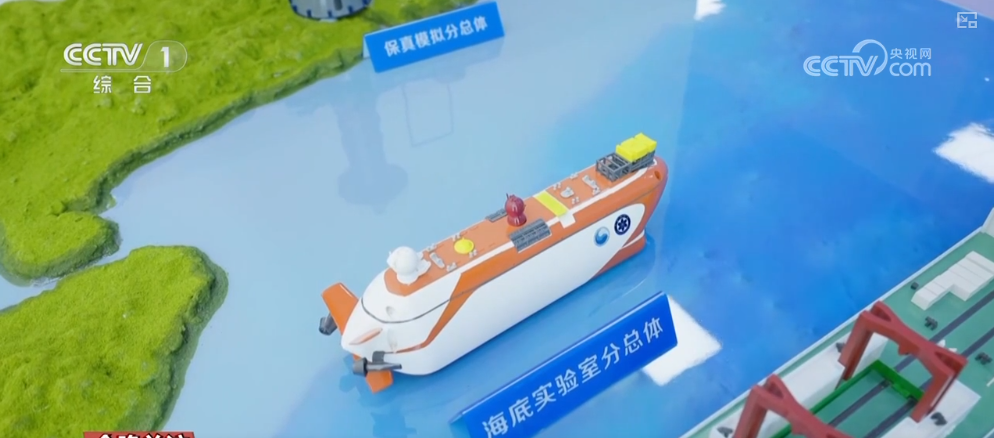
From the model around the reporter, we can see that the large scientific device consists of three parts: the water surface support mother ship, the seabed laboratory, and the fidelity simulation system. The most popular one is the seabed laboratory in the middle. It is 33 meters long, with a width and height of about 7 to 8 meters. It is composed of 5 pressure-resistant spheres connected in series, and the internal volume is the size of three Chinese space stations, which is far larger than the manned submersibles such as the "Fendouzhe".
The total construction of the cold spring installation is planned to be completed in 5 years to build the world's first 2,000-meter-level bottom-mounted deep-sea manned resident laboratory, which is also the world's first large scientific installation for the undersea cold spring system. Experts said that the real realization of the laboratory has been achieved to "moving" the seabed. This kind of long-distance deep-sea large-scale experimental device, especially manned experimental device, can also have a great driving effect on deep-sea materials, deep-sea energy, deep-sea communication and other related industries.
Explore the cold spring ecosystem to solve the deep-sea puzzle

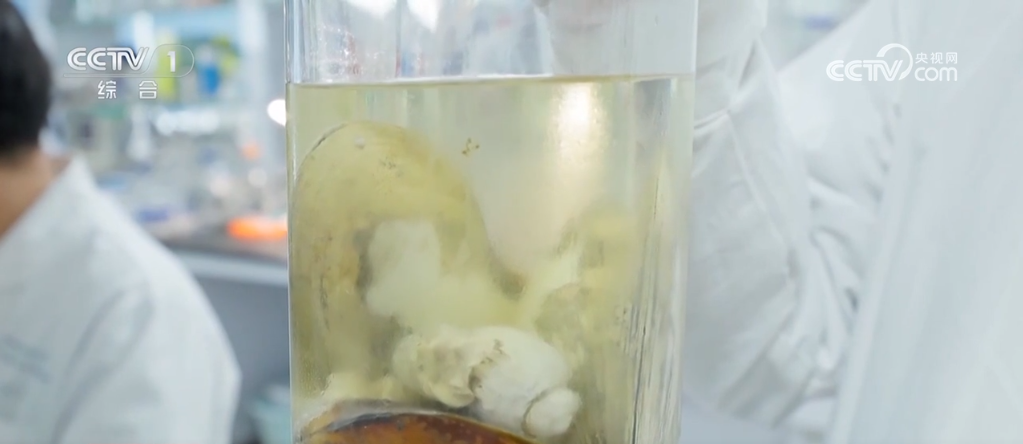
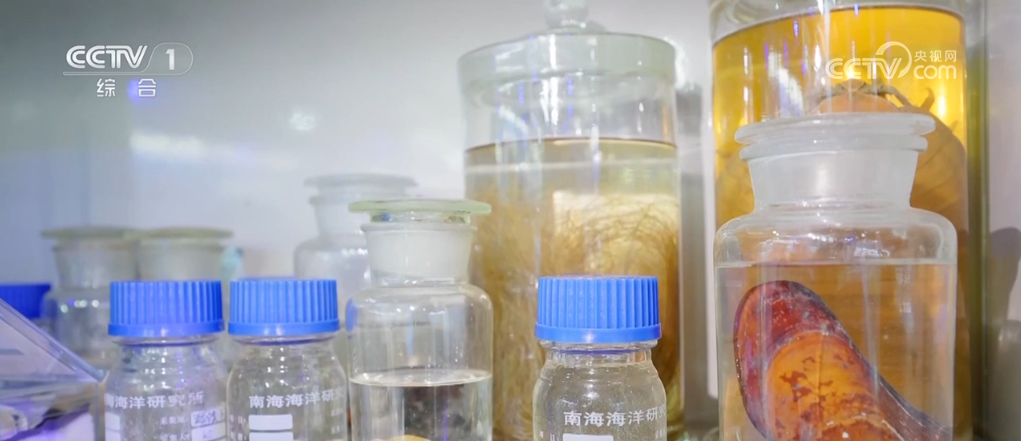
The organisms in the containers around the reporter are mussels and white guabelles, which may not seem special, but their biggest feature is that they do not rely on photosynthesis. They rely on the cold spring ecosystem 2,000 meters deep under the sea. Cold springs are like undersea fountains, which seep different fluids such as methane, hydrogen sulfide and carbon dioxide from the cracks in the seabed, and the temperature is 2~5 degrees Celsius, which is called cold springs. It forms a variety of biospheres by eating methane and hydrogen sulfide, not photosynthesis, but chemical energy.
According to Zhang Wei, an academician of the Chinese Academy of Sciences and chief scientist of the Cold Spring Ecosystem Research Device, the cold spring ecosystem has three characteristics, including the enrichment area of combustible ice. Combustible ice is a new generation of clean energy; second, it has rich biological resources, including biological resources such as microorganisms and invertebrates; third, it is a rich carbon sink resource. Through physical fixation, chemical fixation, and biological fixation, it is a rich carbon sink resource.
According to the reporter, the experimental container contains more than 600 rich "cold spring residents" such as mussels, crabs, and sea urchins. However, once you leave such a cold spring ecosystem, the system will collapse instantly, so you must also take the undersea laboratory to the seabed for long-term observations in situ.