CCTV News: Visit the poverty-stricken villages again to revitalize the new atmosphere. Banyan Village is located in Huzhu Tu Autonomous County, Haidong City, Qinghai Province. Ten years ago, Banyan Village was still a key poverty-stricken village located deep in the mountains and inconvenient transportation, with the poverty incidence rate in the whole village reaching 52%. In order to help villagers get out of the "poor mountain nest", in 2017, Banyan Village completed the relocation of poverty alleviation, and then developed several characteristic industries such as Tu ethnic embroidery and green photovoltaics according to local conditions. In 2021, Banyan Village won the honorary title of "National Model for Poverty Alleviation". How are the villagers here doing now?
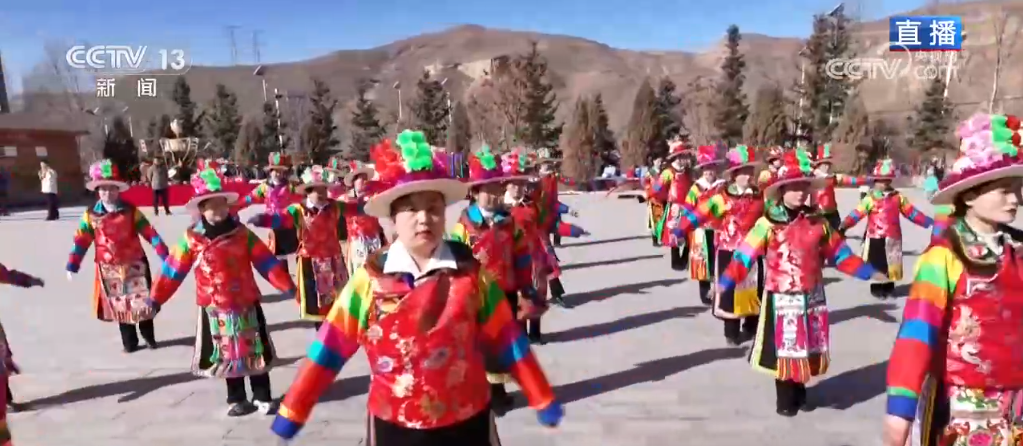
The reporter came to the village entrance square of Banyan Village and saw that more than 30 Tu girls and boys were wearing bright ethnic costumes, standing shoulder to shoulder, dancing the traditional Tu ethnic dance - Anzhao Dance, preparing for the upcoming "February 2" traditional ring temple fair and "Intangible Cultural Heritage Promotion Week" display event in the Huzhu County Lunar New Year. The cheerful rhythm is really contagious, and everyone seems to be filled with enthusiasm like fire.
Move out of the "poor mountain nest" Banyan Village and change its old appearance to a new look

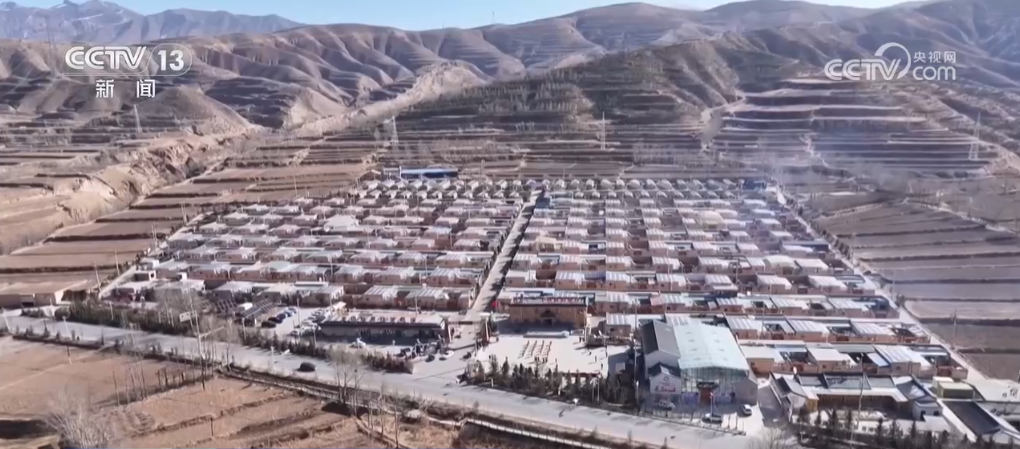
Through aerial shots, you can see that rows of houses in the village are neat and orderly. This is the new home of the villagers after Banyan Village implemented the poverty alleviation relocation. And 10 years ago, Banyan Village was a different situation.
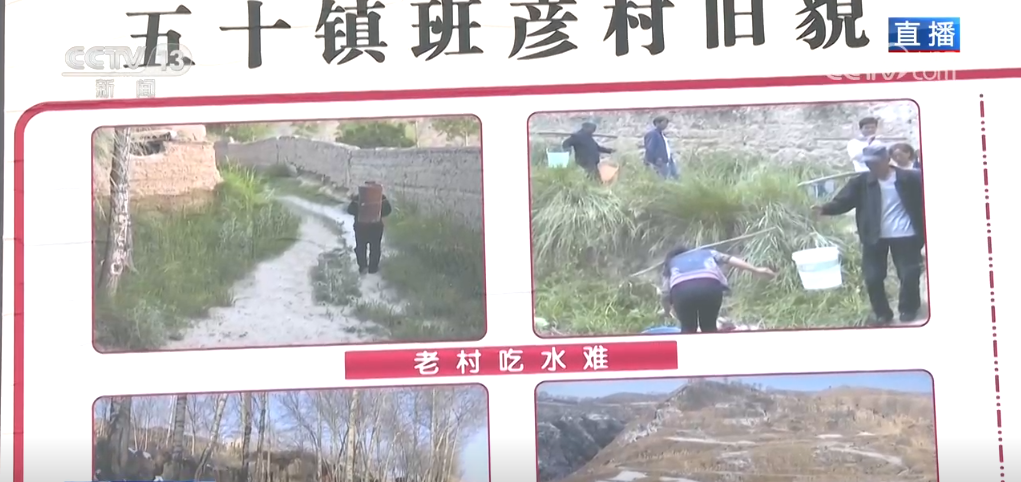

This old photo looks like before the village relocation. At that time, the villagers lived in the mountains, lived in adobe houses and walked on dirt roads. They could only rely on the weather to make a living, and they had to carry water on their shoulders and carry it on their backs. A villager said that he once walked back and forth for three hours a day and could only carry a load of water for the family for a day. Problems such as difficulty in seeing a doctor, difficulty in getting water, difficulty in working, and difficulty in going to school have once become several mountains that are difficult to cross in front of villagers. The turning point occurred in 2016, when the Banyan Village poverty alleviation relocation project officially started construction. In 2017, 129 households and 484 people in the village completed the overall relocation and achieved all poverty alleviation by the end of that year. What is the village now? Let’s look at this exhibition board. Every household has lived in a new house, burned natural gas, slept on an electric kang, and drank tap water. Life has undergone earth-shaking changes.
The construction of "zero carbon" villages has achieved double harvests of ecological economic benefits

The reporter also found a detail after coming to Banyan Village for an interview, that is, each villager has a blue photovoltaic panel on the roof. The village head told me that starting from 2022, Banyan Village has fully tapped the potential of clean energy, used roofs, vacant land and other spaces to develop green projects such as photovoltaic power generation, forming a microgrid system that is "spontaneous and self-use and surplus power grid". Not only can it bring about 2,500 yuan in income to each villager every year, it also greatly reduces carbon dioxide emissions, achieving a double harvest of ecological and economic benefits.
Pan embroidery winemaking tourism, the wealth-making industry "blooms in multiple points".

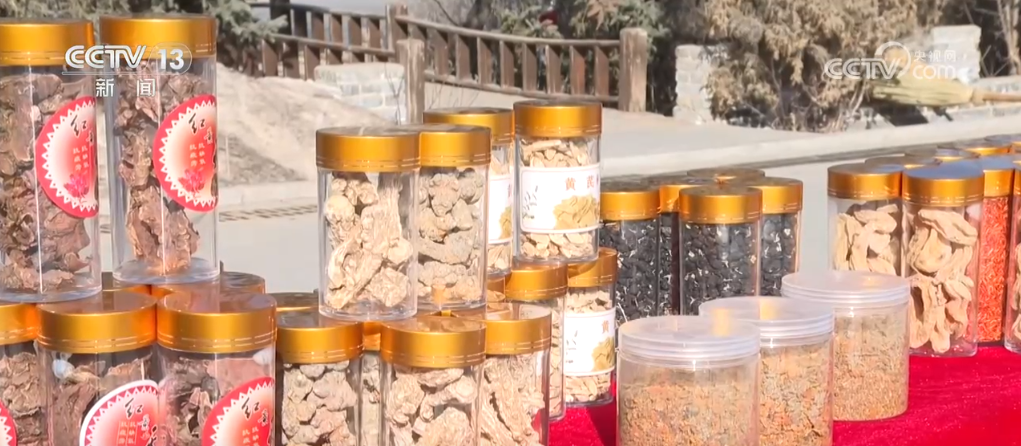
Not only photovoltaic power generation, in recent years, the village has also developed many wealth-making industries such as Tu ethnic embroidery, ancient winemaking, and rural tourism according to local conditions. It also promotes the village's own highland barley wine, Chinese medicinal materials and other agricultural products through e-commerce live streaming platforms, so that villagers can find employment locally and nearby, while also making the sales of products wider and further away.
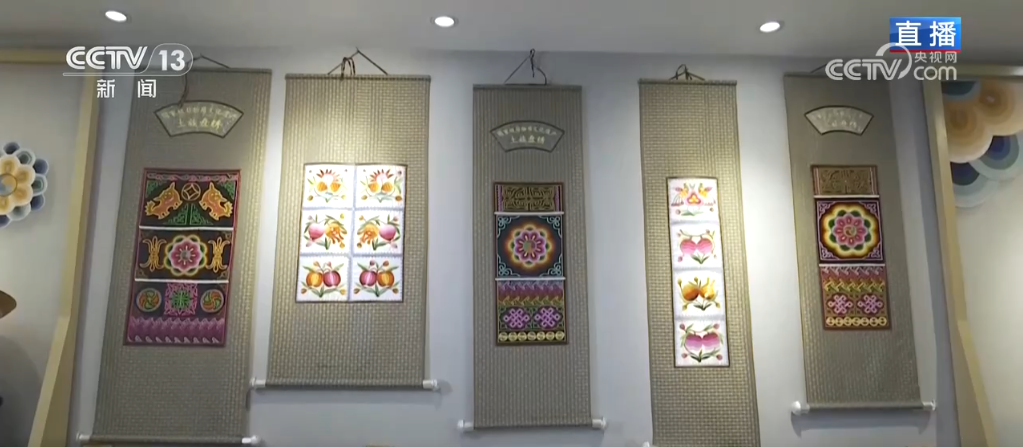
A dozen embroidery girls are busy making Tu ethnic embroidery orders they have received in the past two days, from many places across the country. Tu ethnic group embroidery is a local folk traditional embroidery art and a national intangible cultural heritage. This craft was originally made by villagers to make insoles, sachets and other daily necessities for their own use, but now, relying on the operating model of "company + base + farmers", it has opened up a new way for more than 140 embroidery ladies in the village to get rich and increase their income.
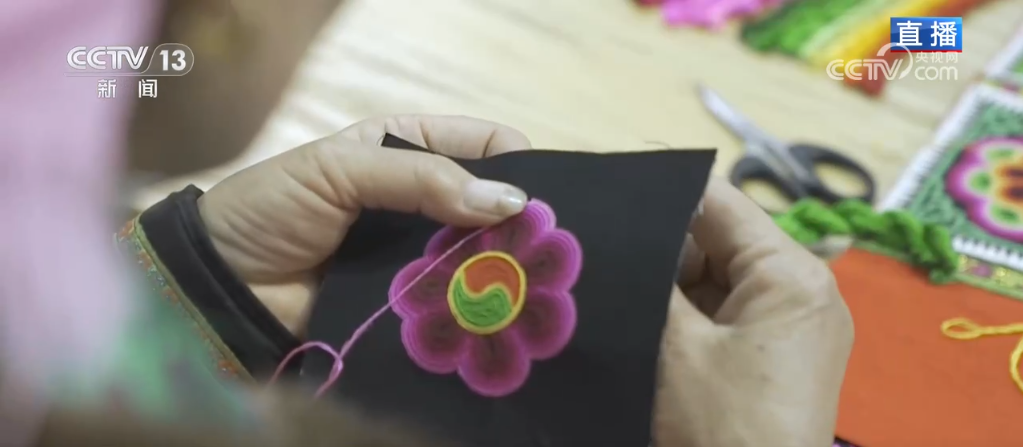
According to statistics, in 2024, the per capita net income of Banyan Village was more than 17,200 yuan, an increase of more than 5 times compared with when it first relocated 8 years ago. Nowadays, the villagers' lives are as colorful and prosperous as the "sun flower" embroidered in the hands of embroiderers.