
On February 25, Dongguan City, Guangdong Province released the archaeological excavation results of the Nanhaiwei Wall site, and announced the construction plan for the archaeological site park. This is the largest archaeological project in Guangdong Province in recent years, filling the gap in archaeology of Dongguan’s ancient city ruins and verifying Dongguan’s important position in the ancient Guangdong coastal defense system and the Maritime Silk Road.
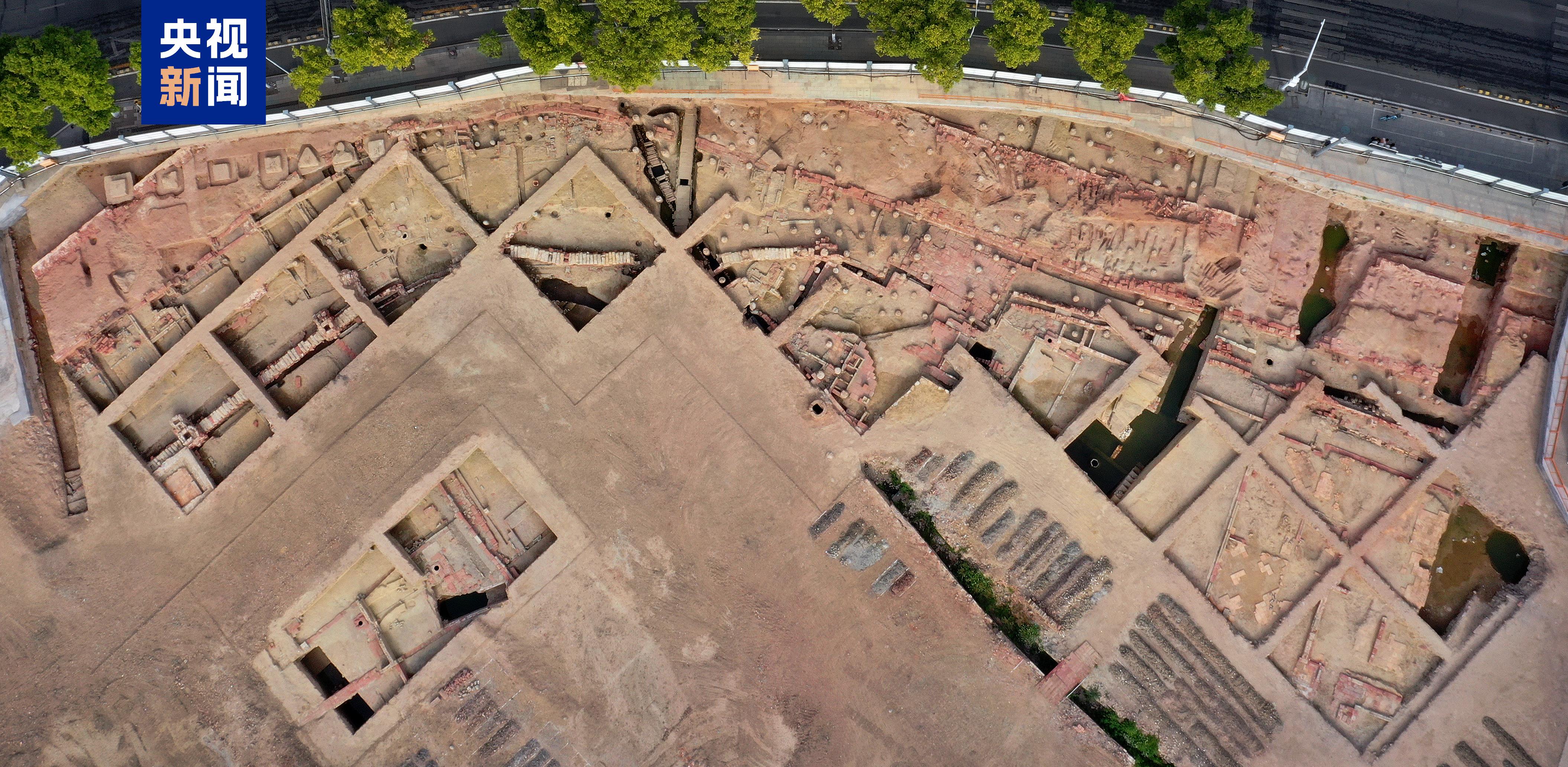
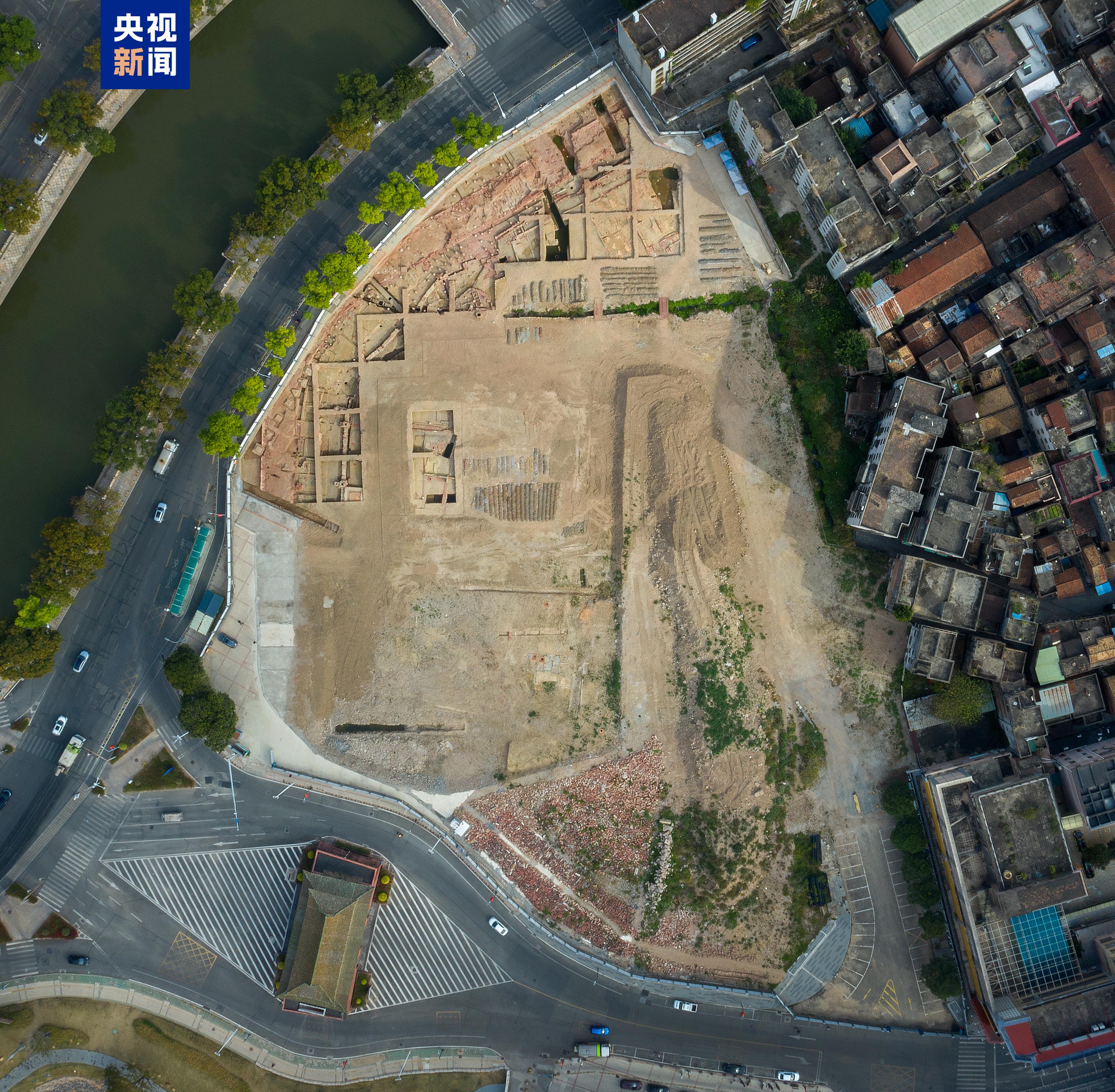
The Nanhai Weicheng Wall Site is located in Guancheng Street, Dongguan City, adjacent to the Yingen Gate Tower of the Guangdong Provincial Cultural Relics Protection Unit, with an area of about 15,000 square meters. The site has rich cultural relics, and a large number of architectural components and living objects from the Song Dynasty to the Republic of China have been unearthed. There are 360 small pieces of various types with relatively complete and valuable value, and 90 boxes of fragments of various types of objects.
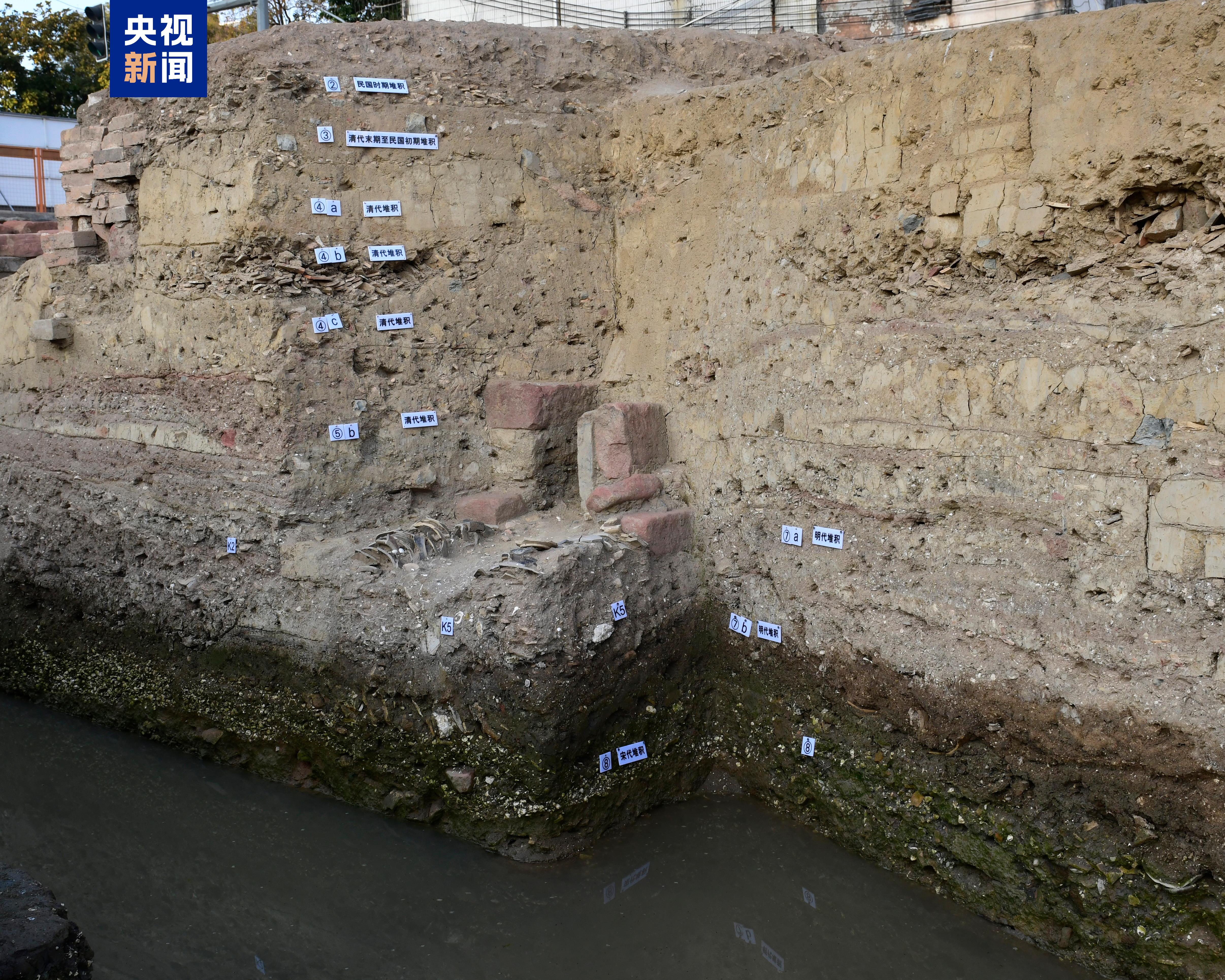
Cao Jin, director of the Guangdong Provincial Institute of Cultural Relics and Archaeology, said that the ruins of the Ming Dynasty's South China Sea Wall discovered in this archaeological excavation have important academic value, empirizing Dongguan's important position as the "first gateway to the Guangdong Sea" in the military and maritime defense system in the Ming Dynasty, and proving that Dongguan is an important node of the "Maritime Silk Road".
Next, Dongguan will rely on the Nanhai Cangwall ruins to create a composite urban archaeological site park that concentrates on displaying Dongguan's urban development history, ancient China's coastal defense system, and has the functions of historical education, ecological conservation, leisure and recreation, urban cultural portal.
(Reporter Sun Bing of the General Station)