CCTV News: On February 23, the annual "Central Document No. 1" was released, and it still focused on rural areas and rural areas. What important arrangements have been made in this year’s document to ensure national food security? To ensure that large-scale relapses and poverty do not occur, what long-term mechanisms need to be established in the document?
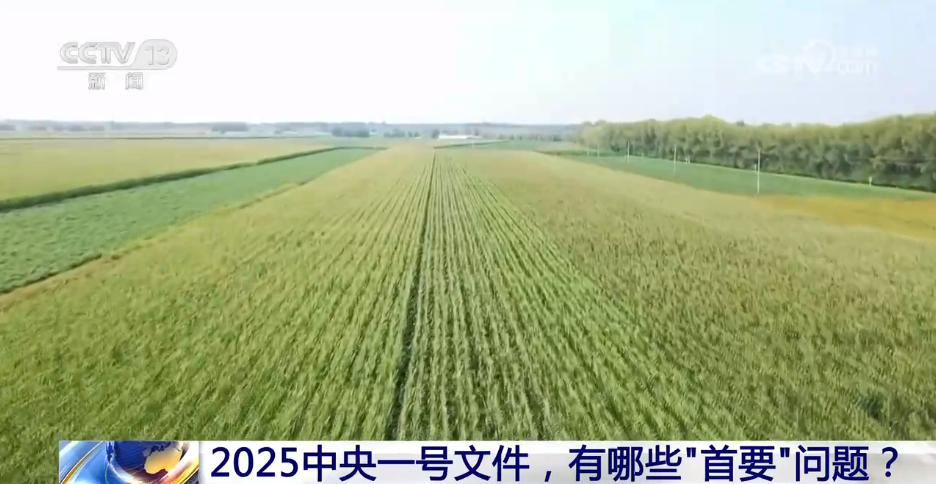
What are the characteristics of this year's Central Document No. 1?
Hu Xiangdong, Director of the Institute of Agricultural Economics and Development, Chinese Academy of Agricultural Sciences: We are also learning the spirit of Document No. 1. In general, we have three aspects of experience.
First aspect, this year's No. 1 Document is particularly problem-oriented. Every sentence is directed at the problem and is directed at the shortcomings and weaknesses of the "three rural issues".
The second aspect is its strong operability. This year's No. 1 Document clearly conveys to everyone what can be done, what cannot be done, and what encourages it.
The third aspect is that it is strong systemicity. In general, among the thirty items, the overall five major revitalization paths for comprehensive rural revitalization. If we look at it from a single perspective, the farmers have a series of systematic considerations, including from women and children to the elderly, from infants and young children to employment, including systematic integration and comprehensiveness.
Increasing yields has also been mentioned in the past, why should this question be raised specifically this time?
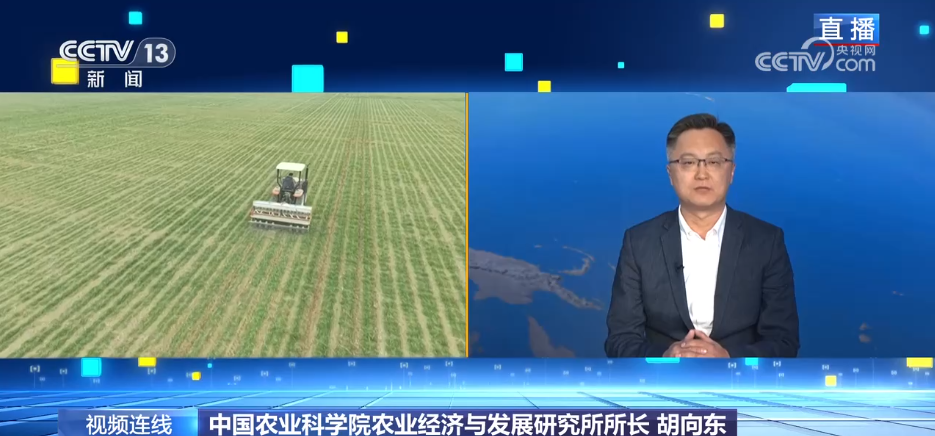
Hu Xiangdong: The amount of sowing area has been determined. We rely on three aspects to increase yield:
One is seeds, promote the revitalization of the seed industry, and seeds must be done well.
The second is arable land, the high-standard farmland construction we are promoting now, including drought irrigation and flood irrigation.
The third is the integration of technology. I think this is a key project for yield improvement. Integrate technology and carry out related yield improvements in one area.
How to do a good job in monitoring to ensure that large-scale poverty relapse does not occur?
Hu Xiangdong: First of all, we must re-sort the evaluation index system, streamline this evaluation index system to a certain extent, and make the core indicators solid, and truly reflect the problems of poverty alleviation and poverty. In addition, we must strengthen the coordination of poverty data, including the application of big data data platforms such as medical care, health, education, consumption, etc., so that we can better grasp the relevant situation in a timely manner, make some policy adjustments in a timely manner, and provide timely assistance.
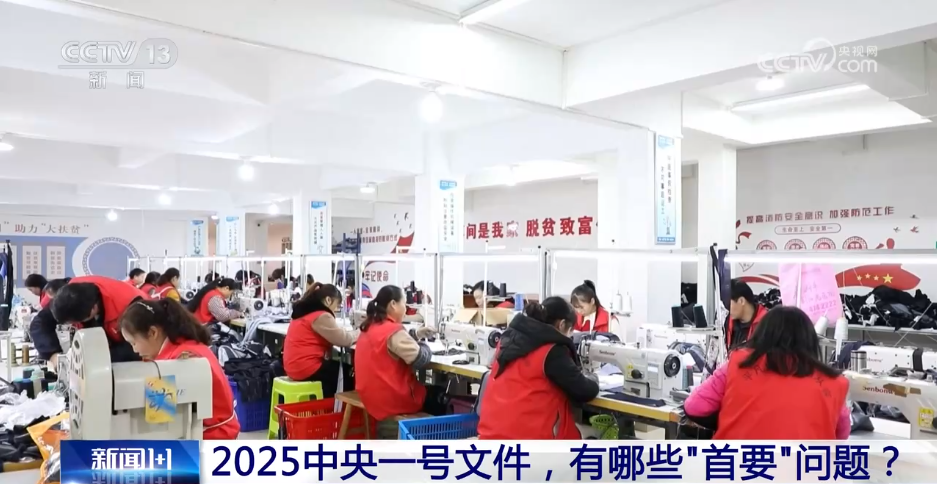
What kind of mechanism can prevent poverty relapse?
First of all, after analysis, we found that it still depends on employment. For contemporary people, they must rely on employment assistance policies and train them to adapt to relevant positions so that they can find corresponding jobs and solve the problem of poverty.
Secondly, it is about social security. We may have deployed some social security such as medical care, education, and housing before, but in the next step, how can we further improve the social security security guarantee function for them from scratch and from existence to optimization?
Finally, it is the problem for the next generation. How can we block the intergenerational transmission of poverty, improve the basic education problem in poor areas, and further improve their basic education. Document No. 1 proposed to strengthen the compulsory education stage of rural primary schools and improve nutrition, including the construction of these primary schools, and a series of measures are all for laying a solid foundation so that the next generation can get rid of poverty and pass on it.
How does this change when young people in relatively underdeveloped areas run to big cities?

Hu Xiangdong: It is mainly a problem of people and money. People flow to places with high returns, so underdeveloped areas have relatively some disadvantages. From an external perspective, we must strengthen regional cooperation and also strengthen counterpart assistance, including central transfer payments and some industries, because after the industry is transferred, the employment of the population will be stable. From an internal perspective, we must stimulate the internal vitality of underdeveloped regions, optimize the allocation of factors, and break down some institutional barriers in advance to bring support to economic development.