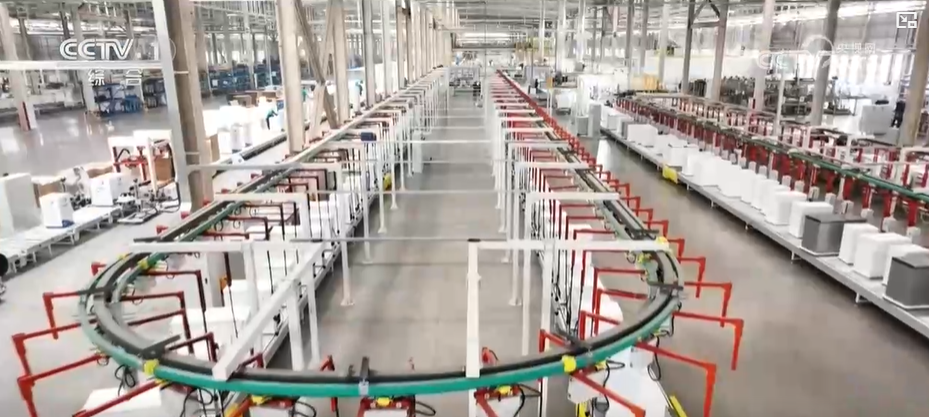
CCTV News: Recently, the Trump administration has planned to impose tariffs on products from many countries under the banner of "reciprocal tariffs", which has triggered a global trade storm, which will bring multiple negative impacts.
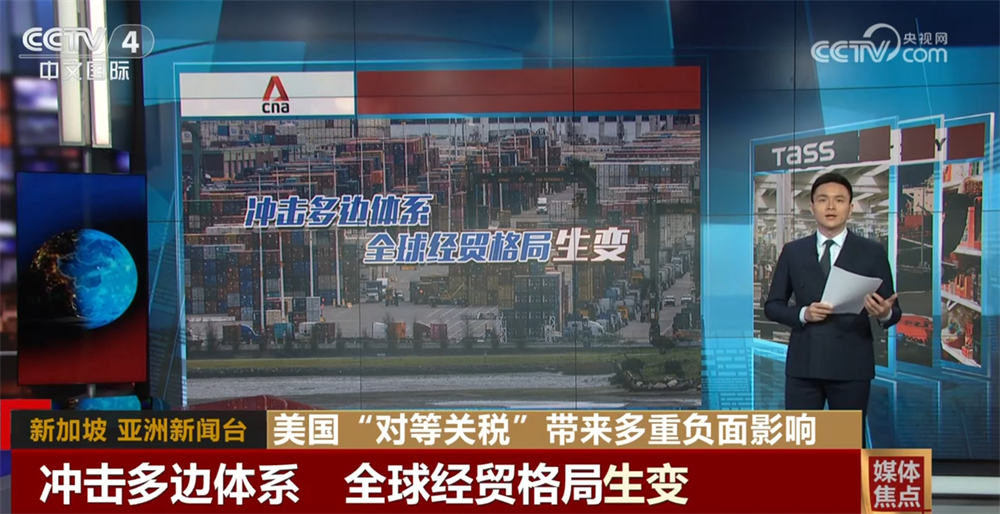
When U.S. President Trump took office, he stirred up the global market with his unilateral trade policy. Protectionist sentiment is growing as the United States increasingly adds national security and political agendas to free trade. The recently announced “reciprocal tariffs” show that Trump is waving the tariff stick to his allies and opponents. Experts pointed out that the multilateral tariff reciprocity mechanism under the WTO framework may be hit hard, which may trigger chain retaliation of major trading bodies, impact the stability of global supply chains, push up the costs of enterprises in various places, and aggravate the uncertainty of the world economy.
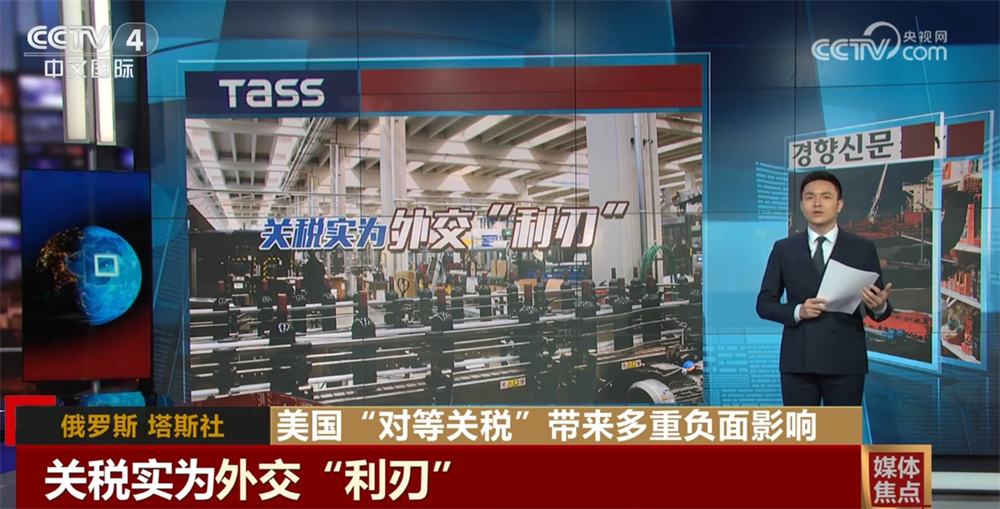
During Trump's term, tariffs and tariff threats have become a "sharp knife" in the U.S. foreign policy tools. It is not only to correct trade imbalances, but also a bargaining chip for negotiations, aiming to occupy a strong position in diplomatic negotiations and force other countries to make concessions. There are three reasons why the Trump administration is keen on using tariffs: First, Trump firmly believes that protectionist measures such as tariffs are crucial and even indispensable in solving the US economic problems. Second, the Trump administration pursues quick victory and a deal to demonstrate its determination and ability to correct problems left over from the previous administration. Third, the Trump administration is persistent in pursuing strengthening the United States' global competitive position.
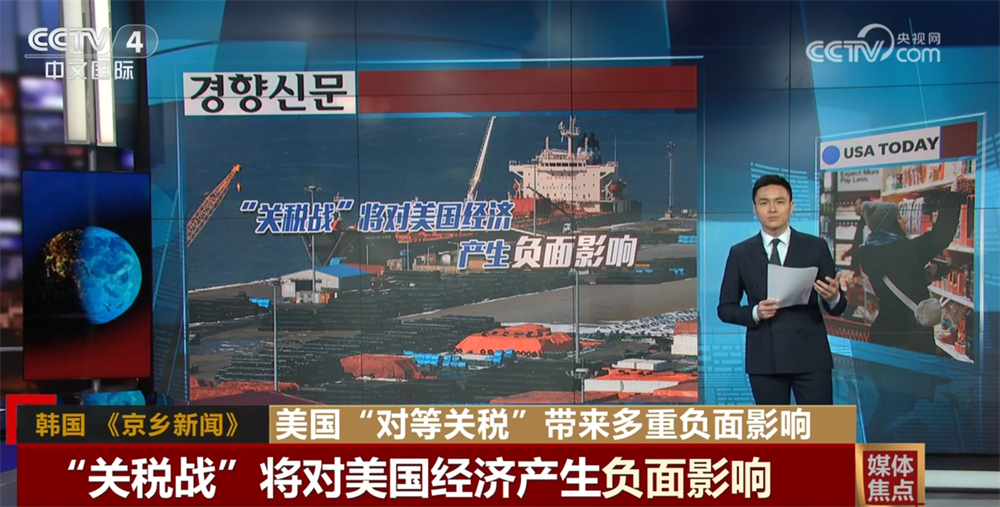
The article points out that Trump's comprehensive "tariff war" focuses on the revival of the US manufacturing industry. The US government attributed the decline of traditional industrial zones (the "rust zone") in the Northeast, Central and Western and Great Lakes regions of the United States to the trade surplus with the United States and tariff barriers in Europe. Therefore, it tried to solve the trade deficit problem by imposing tariffs, revitalize the "rust zone", promote the overall recovery of manufacturing, and create more jobs for the United States. However, in the context of globalization, the whole body is affected. In the long run, the disadvantages of "reciprocal tariffs" far outweigh the benefits, and will have a negative impact on the US economy, which will not be worth the loss. Some analysts predict that tariffs will immediately lead to price increases and pass them on to American consumers, which will slow down U.S. economic growth and significantly reduce jobs.
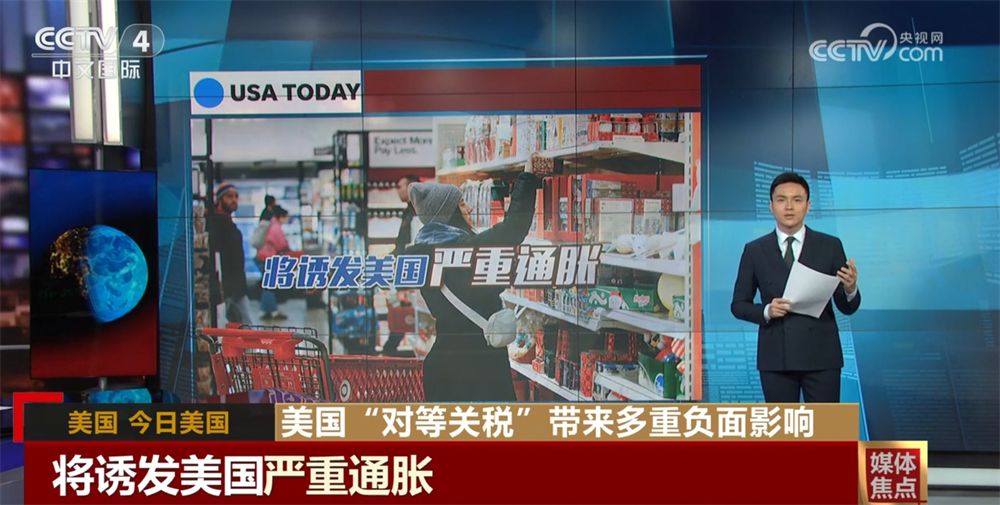
A study shows that the "peer-to-peer tariffs" that Trump plans to implement may cause a sharp rise in U.S. inflation, leading to wage increases and other businesses raising prices. Economists point out that even if some of the tariff costs are borne by US retailers and manufacturers, commodity prices will still increase significantly, passing on the rising costs to consumers. Rising inflation may also prompt the Fed to maintain high interest rates for longer periods of time, curb U.S. economic development, and even have a more profound negative impact on the global economy.