
During this year's Spring Festival, the museum's cultural and creative products have entered the New Year's purchase list of many young people. They can be souvenirs for their holiday trips or as exquisite souvenirs when visiting relatives and friends.
In the just-passed 2024, "entering a museum to buy cultural and creative products" has become a new way of life. In the past, people's "standard configuration" for check-in was to go to the museum and buy a few cultural and creative products. Nowadays, many people will make special trips to check in to a museum for one or two cultural and creative products.
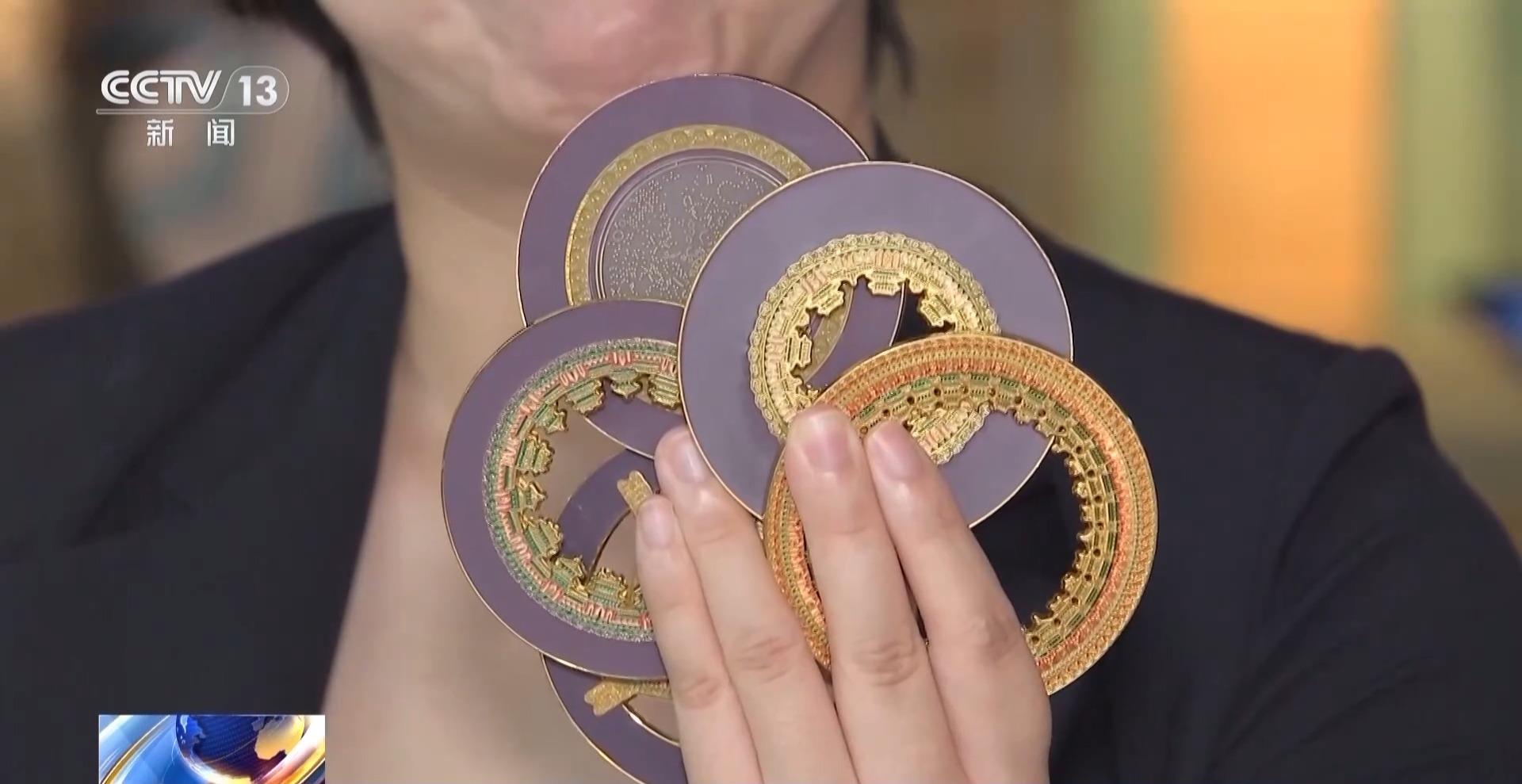
From exquisitely crafted and creative refrigerator stickers to "ugly and cute" and "abstract" plush toys, which museums have won the favor of the market? What is the password for the popular cultural and creative industry?
In Anyang, Henan, the hometown of oracle bone inscriptions, the Chinese Museum of Chinese Characters has launched many new cultural and creative products in the Year of the Year of the Snake this year. The Year of the Snake handbags with oracle bone inscriptions, Spring Festival couplets refrigerator stickers, and "Snake Comes to Run" rotary refrigerator stickers with oracle bone inscriptions are favored by tourists.
The King of Wu Fuchai Sword is one of the "treasures of the museum" of the Suzhou Museum. It is understood that there are only nine Fuchai swords in the world, and this one in Subo is the best-quality one among the nine swords. Nowadays, the museum has cartoonized the sword and designed it into a cute plush sword cultural and creative industry. It is nicknamed "Fat Sword" by netizens and is deeply loved by everyone.
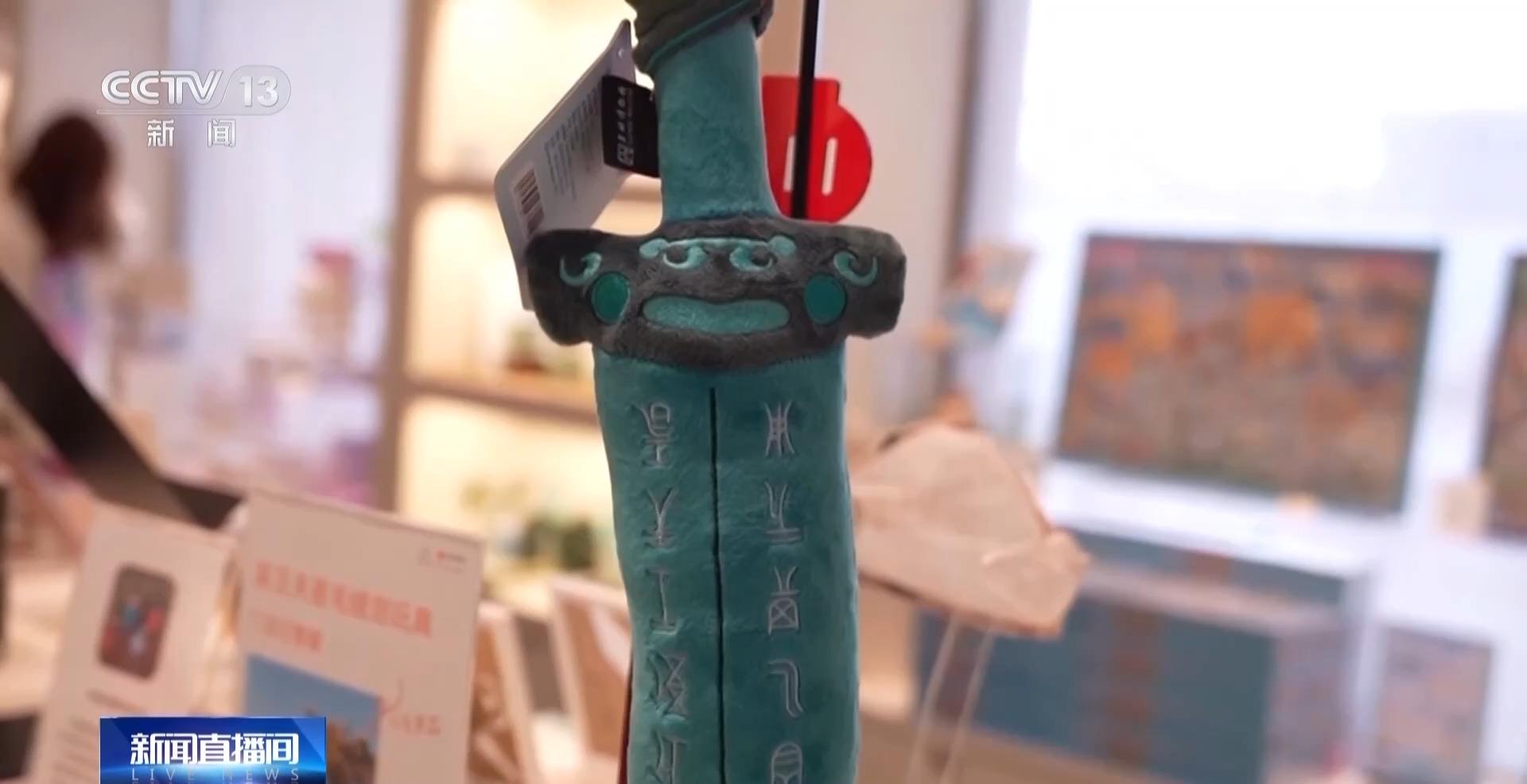
Xie Xiaoting: In the past year, we have launched 480 products. The Wu King Fuchai Plush Sword, "Crab Yellow" Plush Bag Hanging and other cultural and creative products are loved by everyone. We have developed more than 30 products around King Fuchai Sword of Wu. In addition to the plush sword, we also have refrigerator stickers and bottle openers that have been loved by everyone.
Data shows that in 2024, museums across the country received more than 1.4 billion visitors throughout the year. Compared with 1.29 billion people in 2023, the number of people hit a new high. As the "museum craze" continues to heat up, young people have become the main force in the audience. Taking the National Museum of China as an example, the proportion of young visitors under the age of 35 who entered the museum in 2023 and 2024 exceeded 60%.
The reporter once saw with his own eyes the scene in the National Expo that just opened early in the morning. The audience ran and lined up to buy the "Fengguan Refrigerator Sticker". In less than an hour, all 3,500 pieces were sold out. After purchasing, many viewers will go to the basic exhibition hall of the "Ancient China" on the underground floor to take a look at the archetype of the cultural relics - the style of the Nine Dragons and Nine Phoenix Crown of Empress Ming Xiaoduan and take a photo.
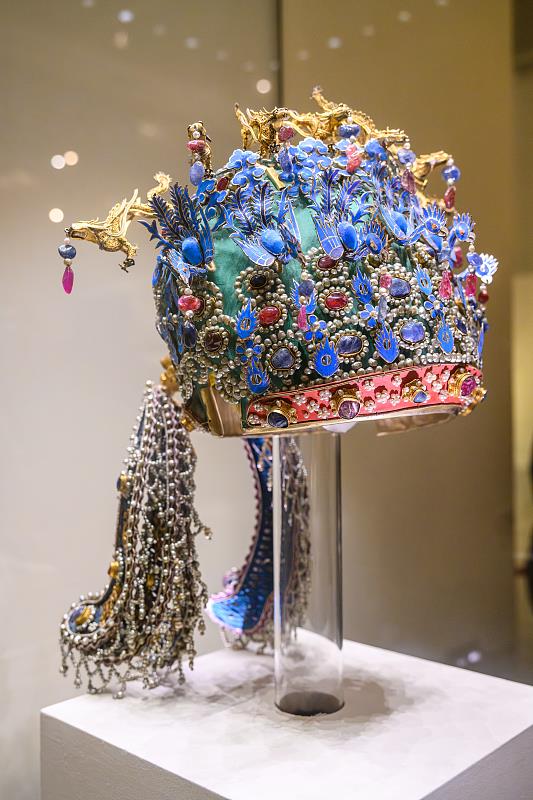
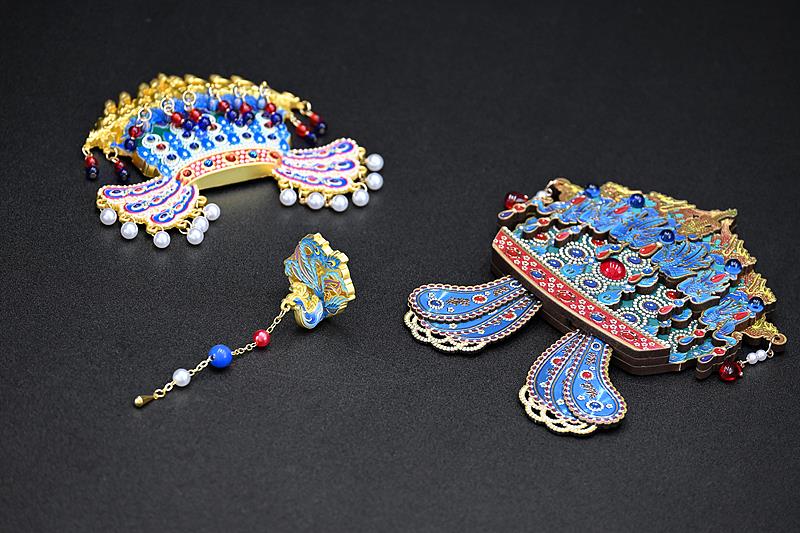
Liao Fei: This product was actually on the self-media platform we paid attention to. Many viewers posted photos of themselves with Fengguan in the exhibition hall, so our designers made a second creation based on this collection of cultural relics. It breaks the previous process of integrated die-casting of refrigerators with a three-dimensional presentation and a large amount of hand-decoration, perfectly converts the solemn and exquisitely made Nine Dragons and Nine Phoenix crowns into an exquisite craft that can be taken home by the audience.
The Beijing Ancient Architecture Museum located in Xiannongtan is the location of the prototype of the Tiangong Caali Fridge Sticker that is popular all over the Internet. Nowadays, this place has become a place where people are rushing to check in. Looking up, the three-dimensional palaces in the sky are stacked and overwhelmed. There are also astrological maps in the center of the caisson that are almost the same as modern astronomical observations, which capture the wisdom and romance of the ancients.
Compared with the previous "fate-style" purchases, some young people are now beginning to use collecting museums as a way of life. Bu Xiting, an associate researcher at the School of Cultural Industry Management, Communication University of China, believes that cultural and creative products composed of various forms and arrangements are not only a kind of "spiritual nourishment" pursued by collectors, but also undoubtedly achieve cultural dissemination in the process of traffic blessing.
Bu Xiting: This phenomenon reflects that today's cultural and tourism consumers no longer pursue material satisfaction, but are more eager to gain spiritual resonance and empathy through participatory consumption, and promote the development of cultural attachment and sense of belonging. It promotes the close integration of cultural heritage with modern life and enhances the public, especially the younger generation, to traditional culture.