
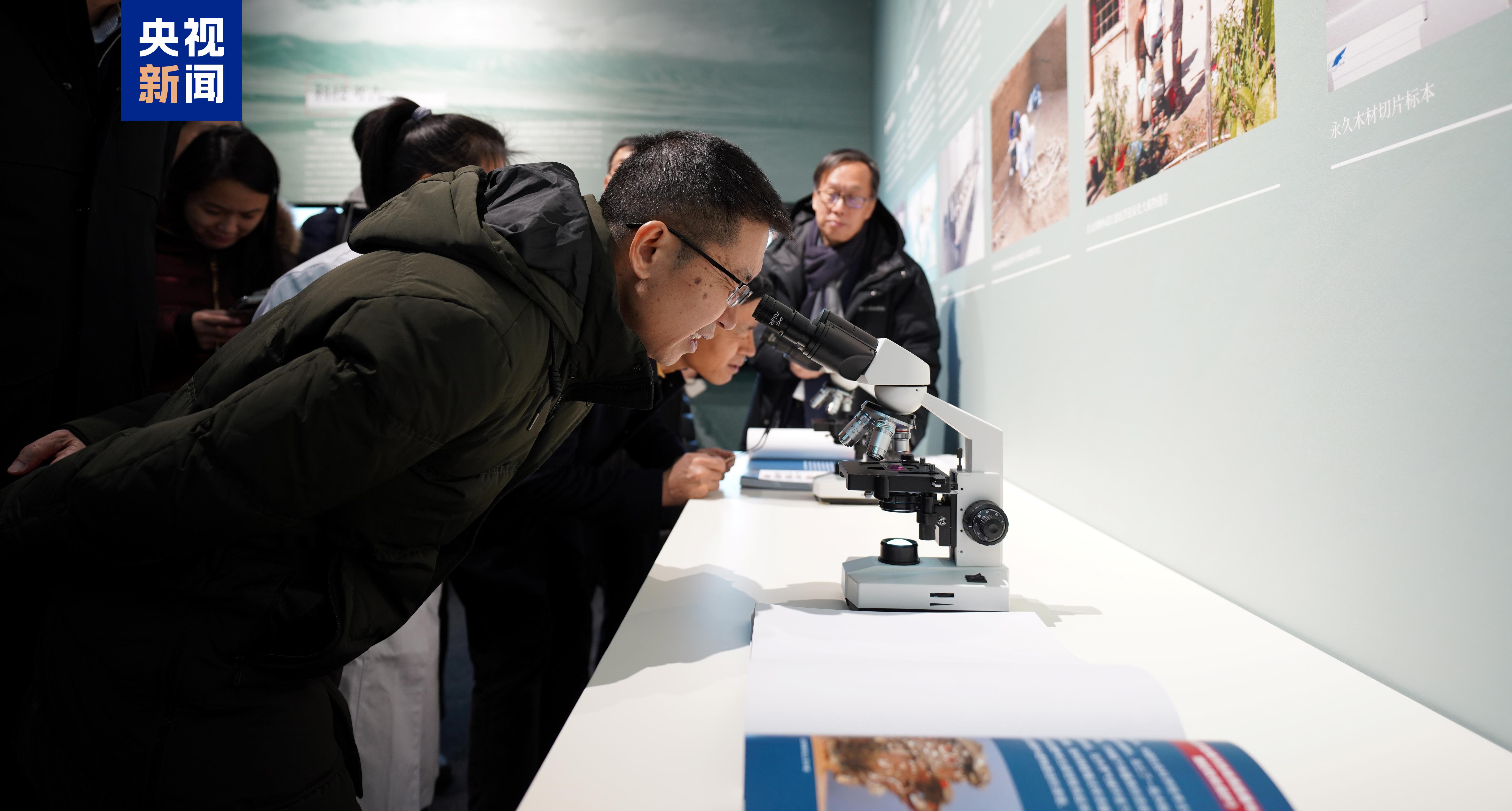
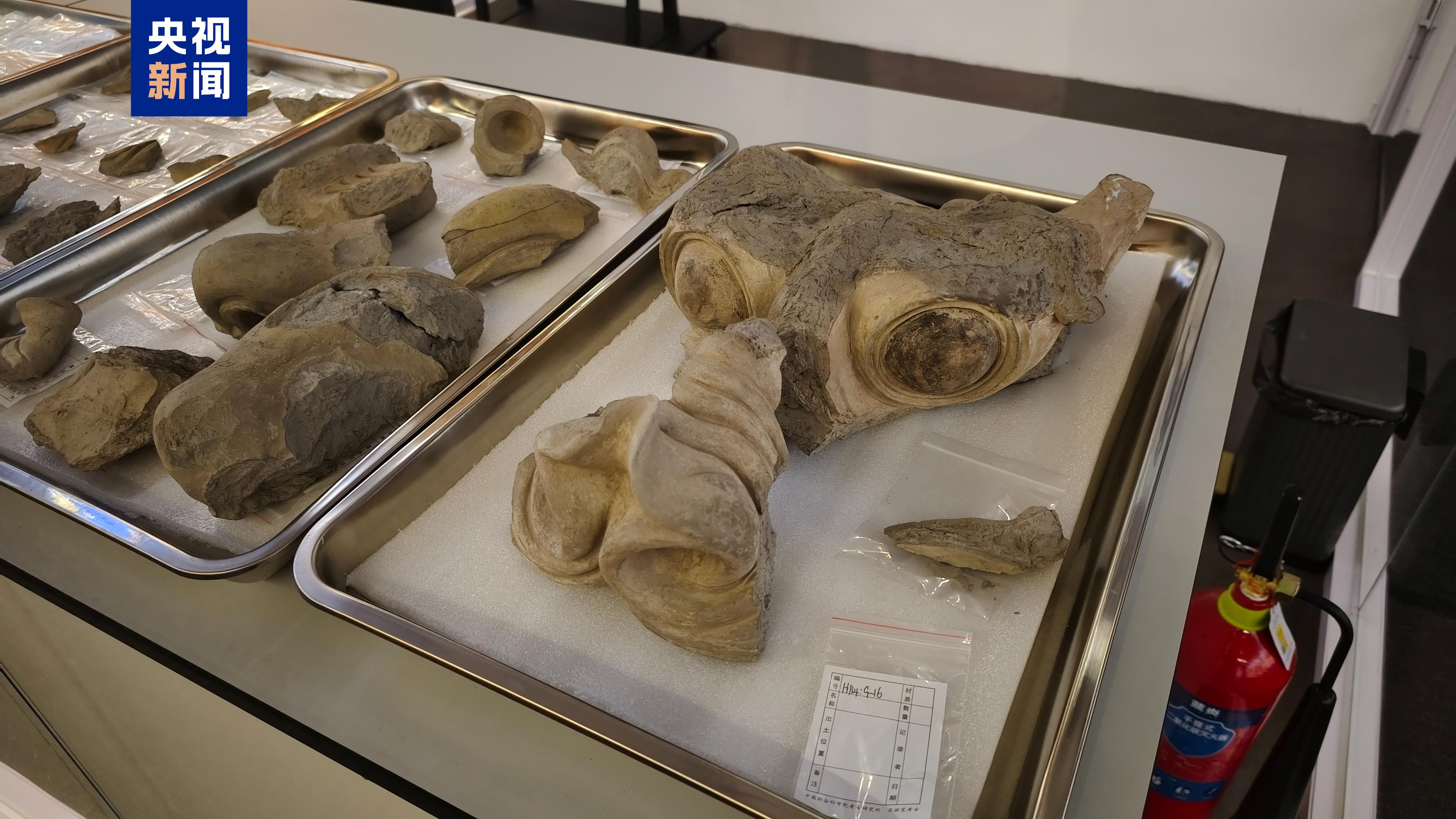
Today (January 27), the "Winning Hands Live for Abundant Futures - Classic Achievements Exhibition of Science and Technology Archaeology and Heritage Protection" was held in the temporary exhibition hall of the China Archaeology Museum. The earliest pottery film dating about 20,000 years ago was exhibited. The scientific and technological archaeology staff made up and restored the dragon head of the Tang Dynasty on the spot.
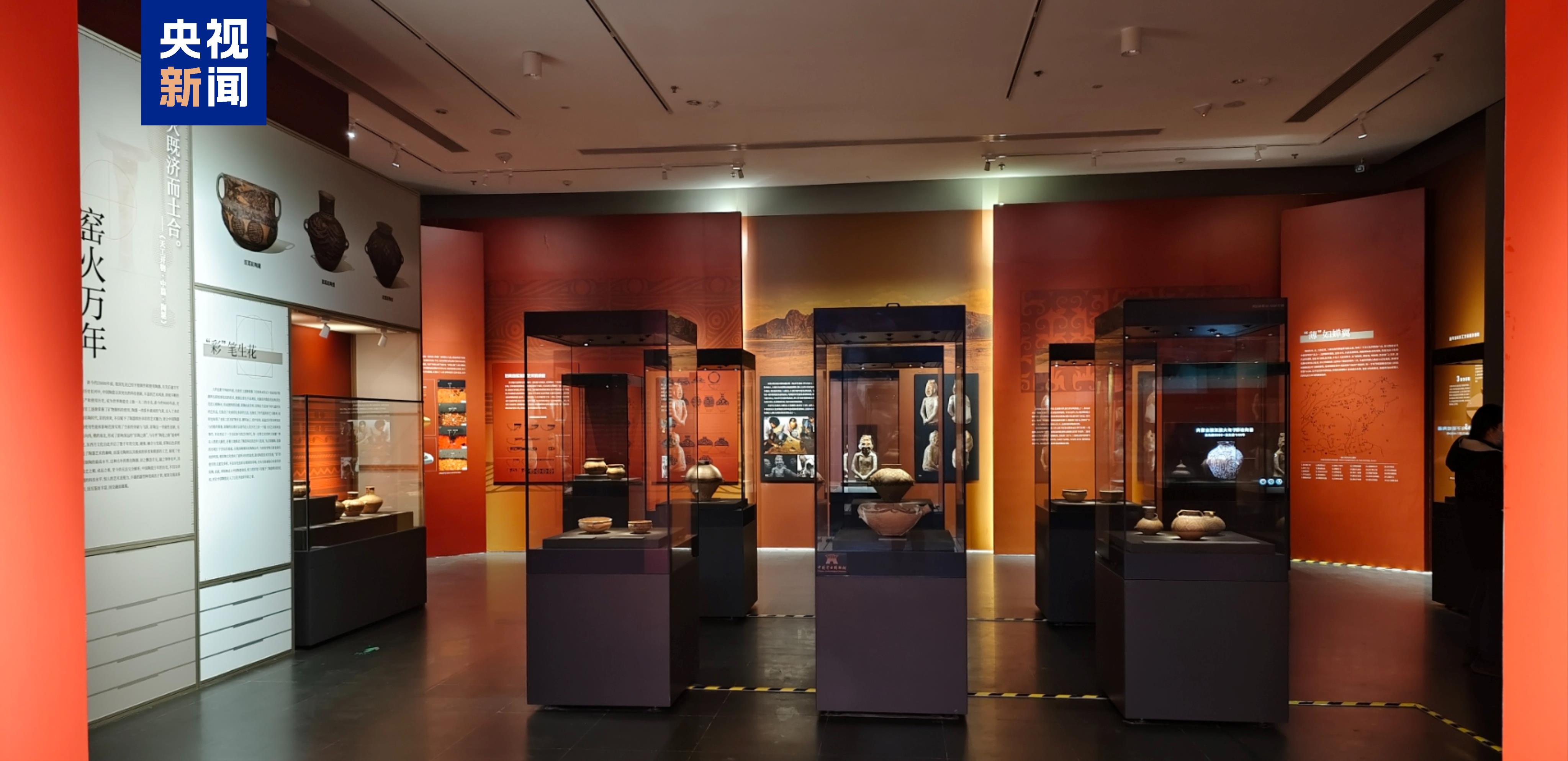
This exhibition displays a total of 125 fine cultural relics and ancient books through five units: kiln fire, unforgettable jade, good jade, strange skills, gorgeous clothes and exquisite craftsmanship, and a total of 125 pieces (groups) of fine cultural relics and ancient books, comprehensively displaying scientific research results and cultural relics protection technology for pottery, jade, bronze, and textiles, and specially set up a laboratory archaeological display area, allowing the audience to experience the charm of scientific and technological archaeology and cultural relics protection work close and truly.
The first unit of the kiln has been in full swing for thousands of years, and 25 cultural relics are exhibited, presenting my country's long history of firing pottery, outstanding scientific and technological level and amazing artistic expression.
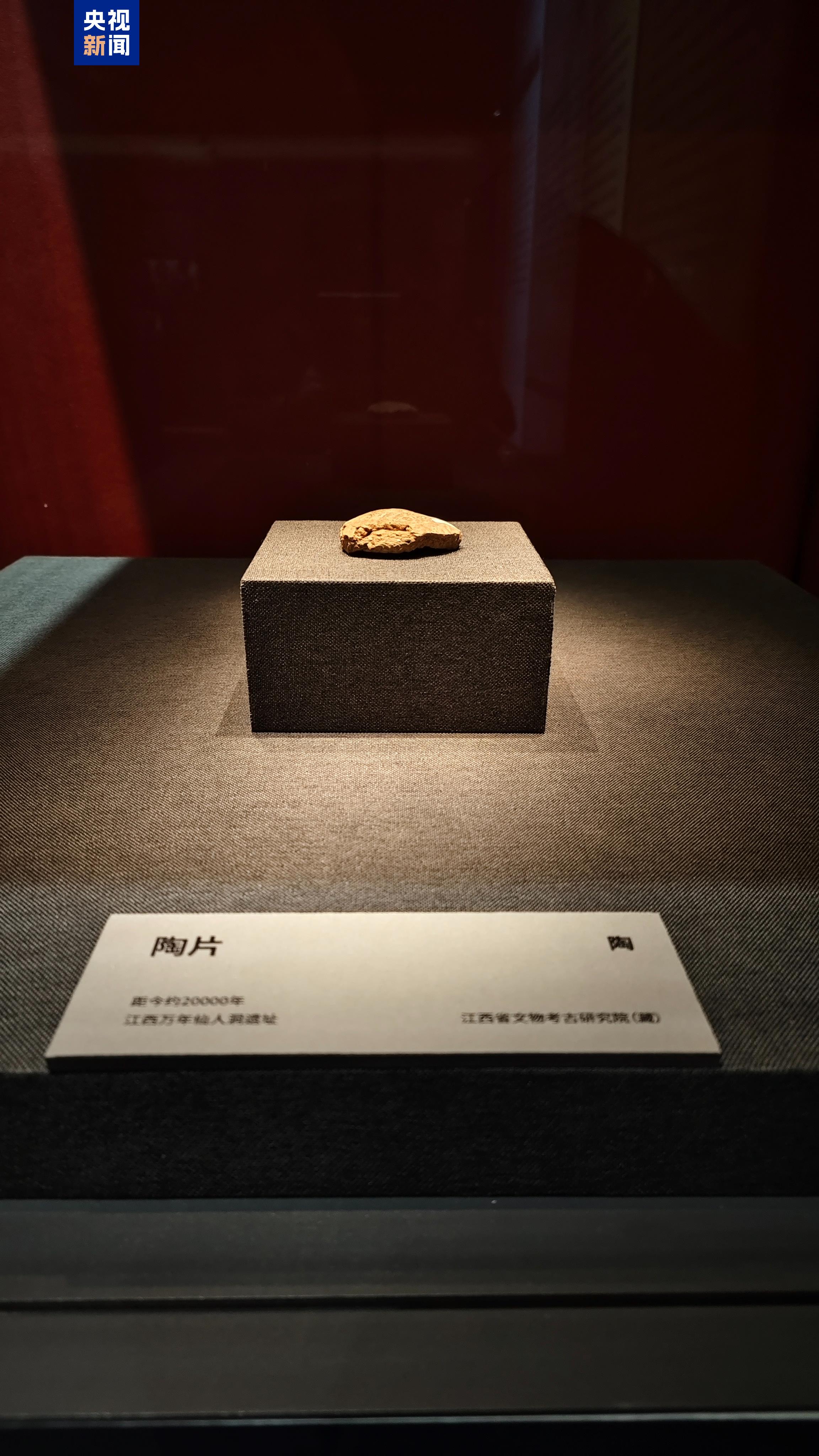
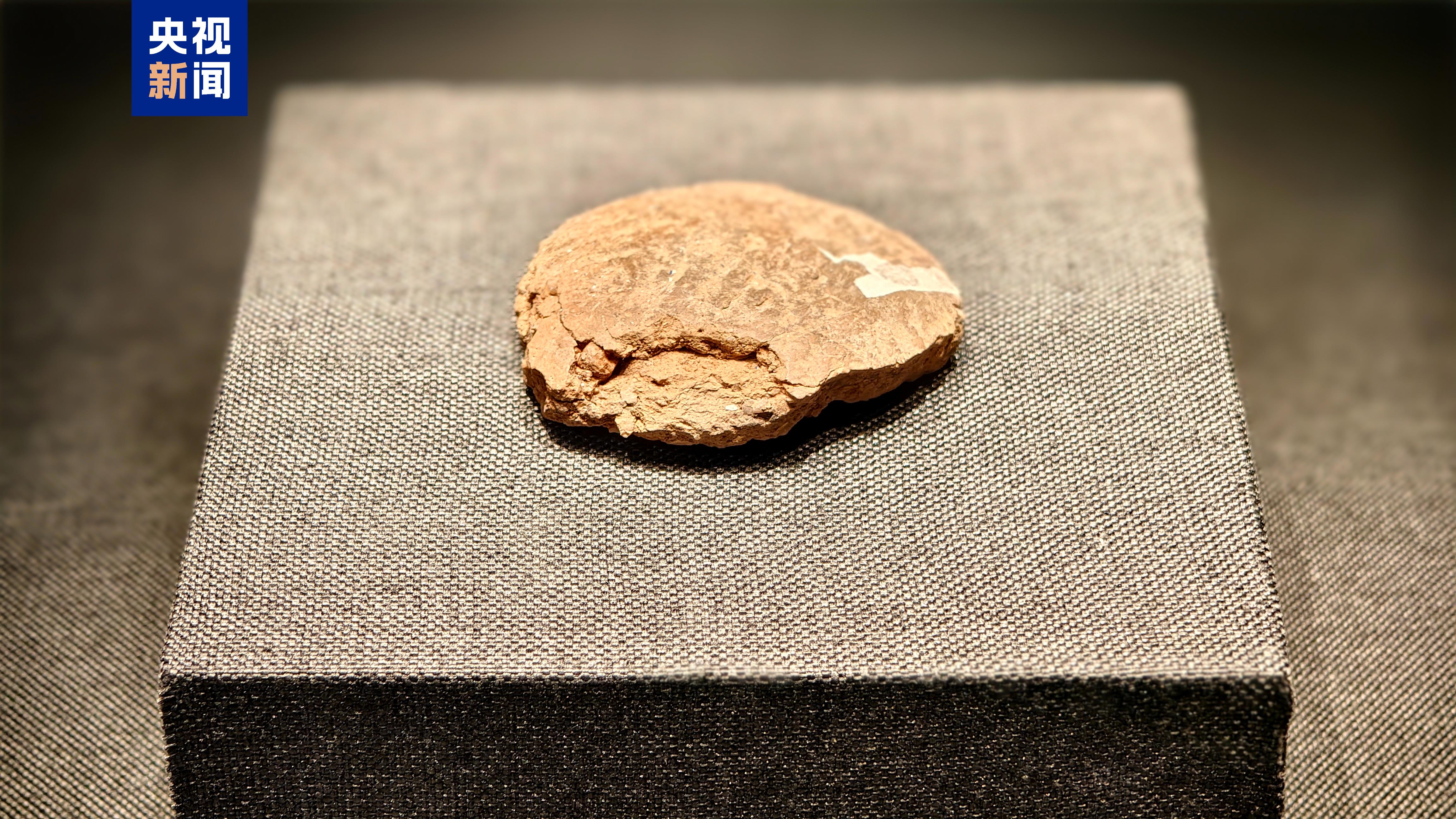
The "earliest pottery fragment" - the pottery fragments 20,000-19,000 years unearthed from the Wannian Xianren Cave site in Jiangxi, prove the long history of pottery making in my country.
More than ten exquisite Majiayao cultural painted pottery were exhibited at the same time (Majiayao culture dating 5300-4000 years ago). The breakthrough innovation of painted pottery, from east to west and across north to south, formed a far-reaching "Path of painted pottery". It was not only the primary channel for the exchange of civilizations between China and the West in the early days, but also the predecessor of the "Silk Road".
There is also a heavyweight cultural relic - a Hongshan cultural pottery portrait, carrying the cultural roots of ancestor worship.
The second unit "Basic Jade Good Works" exhibits 70 cultural relics (groups) and uses archaeological discoveries to prove the technological and cultural development history of my country's jadeware for nearly ten thousand years. It displays the types of jade materials, jade making and jade restoration, and presents the superb jade treatment technology of ancient China through technological means such as micro-stain analysis. Among them, a group of three jade hook-shaped objects were also exhibited, all of which belong to the Hongshan period and were unearthed from the Hongshan Cultural Site, the Xiajiadian lower cultural site and the tomb of Fu Hao in the Yin Ruins of the Shang Dynasty, showing the flow and inheritance of ancient jade and jade culture.
The third unit "Jijin Qishi" shows 20 cultural relics. The unit is divided into three parts: metal syrup, casting, and time sequel. From the perspective of the operation chain, it shows the complete process of bronze ware from copper mining, copper material ratio, to block production, and finally repairing the unearthed damaged bronze ware from copper mine, to the perspective of the operation chain. Taking copper goblets and copper jars as examples, it intuitively reflects the unique utensil making technology of Chinese bronzes.
The fourth unit "Fu Jinhua Chapter" displays 5 pieces of cultural relics and ancient books (groups). The focus is on displaying the fragments of wool fabric unearthed from the Qiemo Zawa Airik Cemetery unearthed in Xinjiang, with a residual length of 1.1 meters and a width of 37cm. The fiber material is wool. The fibers are twisted to form yarns, dyed into three colors: earthy yellow, earthy red, and blue-gray. The yarn is processed into 6 2.5cm wide oblique braiding ribbons and several pieces of brown (plain-weave wool fabric). The ribbons and wool brown are sewn together, reflecting the superb textile technology of ancient ancestors.
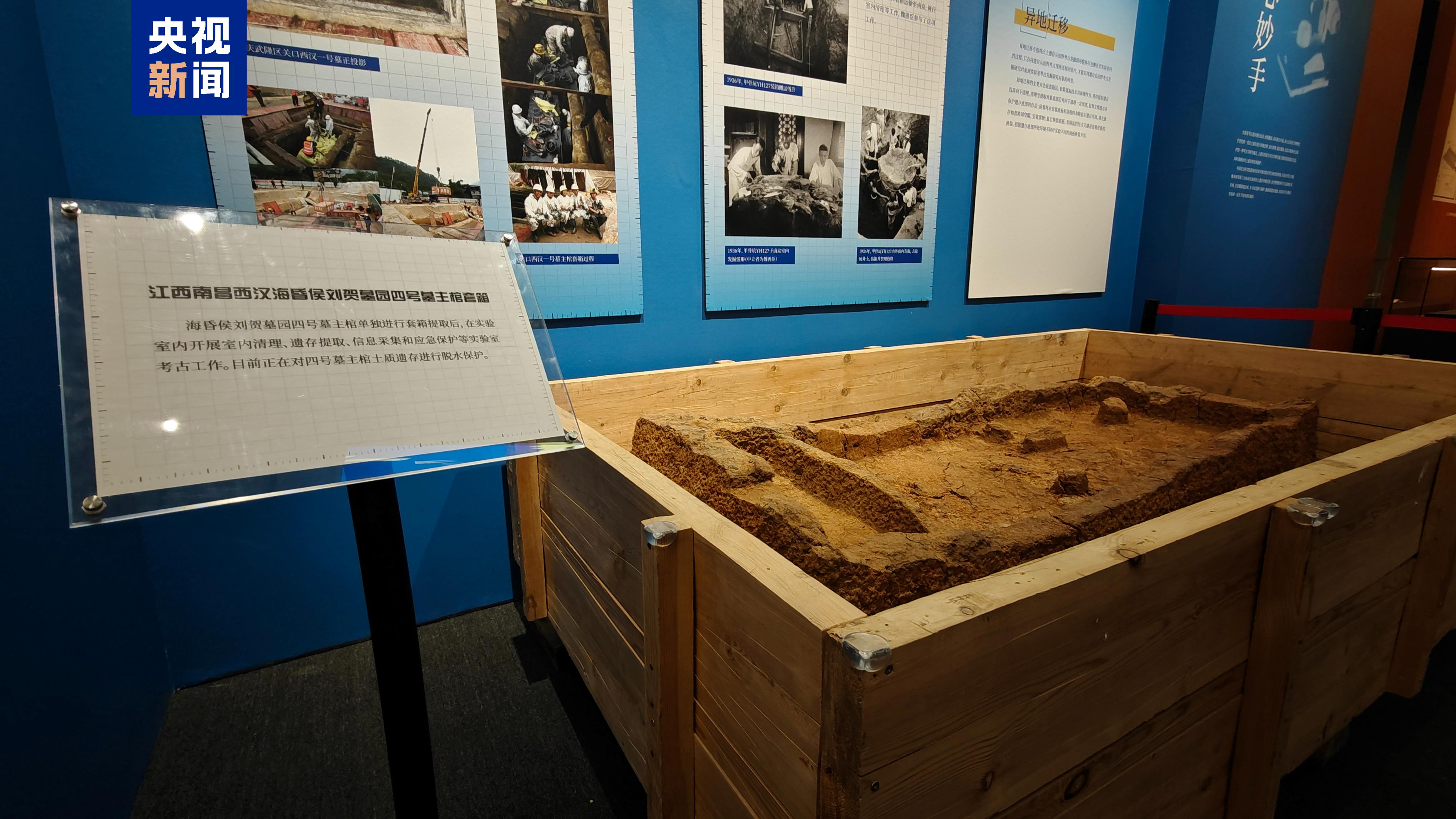
The fifth unit "Craftsmanship and Craftsmanship" focuses on displaying the theories, methods and practices of laboratory archaeology. There are four sets of boxes, including the M4 coffin lid, the coffin base ruins, the lacquerware in Shandong Forehand site, as well as the 1-group of dragon heads of the Tang Dynasty unearthed from the ancient Zhoucheng site in Xiong'an, Hebei Province that are being sorted and restored on the spot.
This exhibition will last until June 2 this year.
(CCTV reporter Zhou Peipei)