
Starting from January 23, the first "cold wave" of the New Year began to exert force. With the "cliff-like" temperature dropping in many places, today, the range of rain and snow is further expanding, entering the strongest period. When the "cold wave" encounters the Spring Festival travel rush and is still catching up with the peak of the return journey, how should we deal with it? Before the arrival of the "cold wave", most parts of the country were experiencing a winter with high temperatures. Why did such a rapid weather change? What will be the next weather trend?
How to plan your itinerary when traveling through the Spring Festival travel rush?
Li Guorui, engineer of the Road Network Center of the Ministry of Transport: The highway department continues to maintain consultation, analysis and coordination with meteorological, public security and traffic management departments, and will comprehensively consider a series of situations such as snowfall, snow accumulation, icing, visibility, etc. to ensure that the traffic of the highway is open under the safety conditions of local sections.
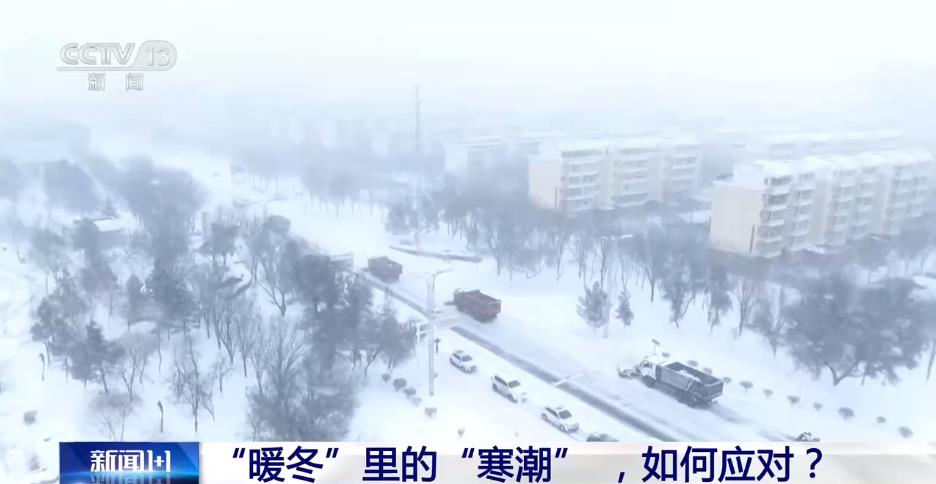
Of course, in this process, the highway department will continue to increase its investment in ice and snow removal, snow melting agents and anti-slip materials, and strive to be clear and clear as you call and clear as you want.
In addition, in the next three days, the range of rain and snow will be further expanded to most areas in the central and eastern regions, as well as the eastern regions, North China, Northeast China, Northeast China and other places in the northwest region. The highway department will continue to increase efforts to ensure smooth traffic and smoothness, maximize the safety and order of the road network, and do its best to respond to this round of "cold wave". It is also a reminder for the public to arrange driving routes reasonably during travel, pay attention to slippery roads in snowy days, and ensure safety in driving.
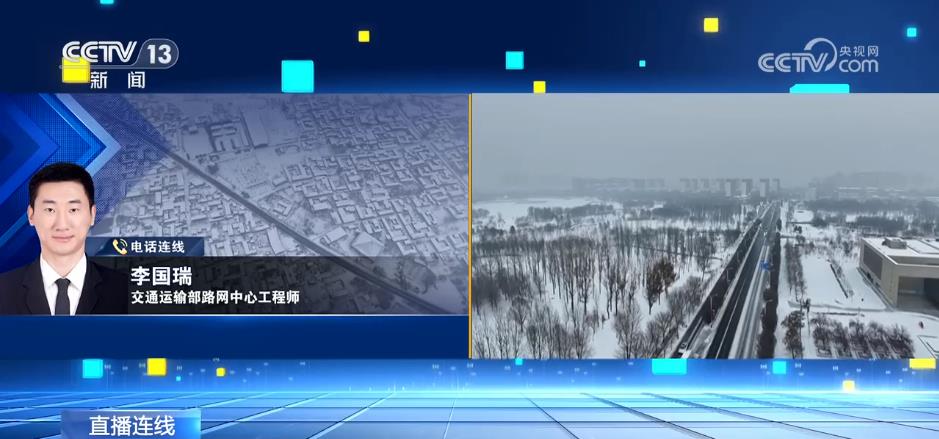
Li Guorui: According to our previous analysis and analysis, the traffic flows returned to their hometowns before the Spring Festival are relatively scattered, and long-distance travel across provinces has increased significantly, and the overall national highway traffic fluctuates slightly. Especially in the last period of returning to the Spring Festival, that is, the three days before New Year's Eve, there will be obvious slow traffic congestion on high-traffic sections, and the proportion of trucks will decrease day by day, and the cross-provincial traffic will also decrease compared with the previous stage.
The sections with relatively concentrated traffic are expected to be concentrated on key major channels in Jiangsu, Anhui, Hubei, Hunan, Guangdong and other provinces. Before traveling, you can timely understand the information on highway conditions through variable information boards on the expressway, new media from local transportation departments, and navigation software, etc. before traveling.
At the same time, friends who drive electric vehicles can use the "E-Road Shut" WeChat mini program to query some information about the charging facilities in the national highway service area before traveling, and plan charging plans in advance.
What are the characteristics of this "cold wave"?
Chief Forecaster of the Central Meteorological Observatory Fang Chong: This "cold wave" weather process has four characteristics. The first is that it lasts for a long time and has a wide range of influence. The second is the cooling rate is large. The third is that the rain and snow range is wide and the snow volume is relatively strong. Fourth, the wind is relatively strong.
Is there any possibility of disasters occur after rain and snow?
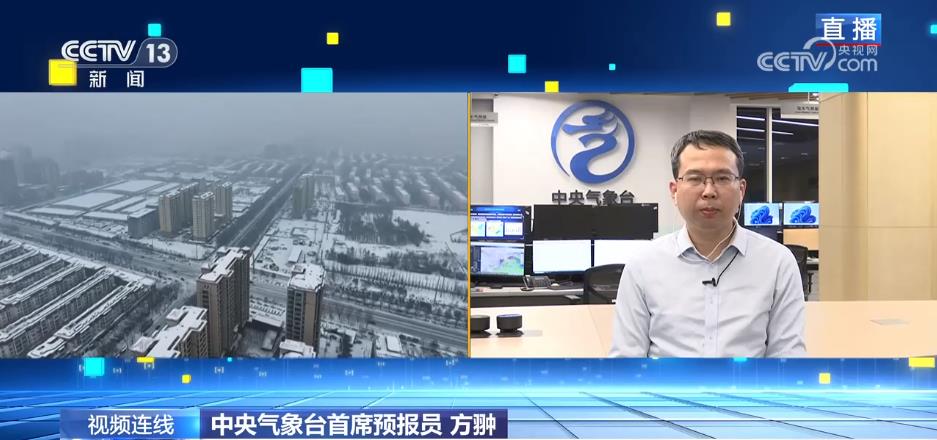
Fang Chong: This time, the rain and snow range is relatively wide, and the snowfall is relatively strong, and it is the peak period of the return journey of the Spring Festival travel rush, and there will definitely be certain rain, snow and freezing disasters. However, the overall intensity and range of the rain, snow and freezing disaster should be less than that of 2024, which is the two rain, snow and freezing weather processes in February last year.
But because it is the peak period of the Spring Festival travel rush, there will be a significant cooling after rain and snow, reaching freezing point, which will cause obvious road icing, which will also have a relatively large impact on the return journey of the Spring Festival travel rush.
Dong Qian: What will happen after the cooling down this time? Will it keep colder or return to a warm winter state?
Fang Chong: Judging from the current forecast, we expect the cold air to last until the 27th, from the 28th, that is, New Year's Eve to the second day of the day. Generally speaking, most parts of central and eastern my country are in a state of temperature recovery, but the temperature rise is not particularly large.
From the fourth to the sixth day of the lunar month, we expect another cold air will affect most parts of central and eastern my country. The temperature in most parts of central and eastern my country will be relatively low during the Spring Festival holiday. In addition, especially in the eastern part of North China and Northwest, where the temperature is relatively low, about 1 to 3℃ lower than the same period in the previous year, the weather should be relatively cold throughout the Spring Festival holiday.