Everything is the most important thing. "If you have food in your hands, don't panic in your heart" is the truth at any time.
The National Bureau of Statistics recently released data showing that the national total grain output is 1.413 billion jin, an increase of 22.18 billion jin over the previous year, an increase of 1.6%. On the basis of stabilizing at more than 1.3 trillion jin for nine consecutive years, it has reached a new level of 1.4 trillion jin for the first time. China's rice bowl contains more Chinese grain, further enhancing the confidence in food security.
The achievements of "21 consecutive bumper harvests" are hard-won. With 9% of the world's arable land and 6% of the freshwater resources, my country has nurtured nearly 1/5 of the world's population. More than 1.4 billion people can not only eat enough, but also eat better and better. At present, my country's per capita grain possession exceeds 500 kilograms, far higher than the internationally recognized 400 kilogram safety line. Facts have proved time and time again that only by relying on food self-sufficiency can a country truly grasp the initiative in food security and calmly respond to various risks and challenges at home and abroad.
As the income level of urban and rural residents increases and the consumption structure upgrades, grain demand will increase in the future period. The constraints on water resources in arable land are becoming increasingly tight and extreme weather is abnormally frequent. Overall, the supply and demand for grain will be in a tight balance. While maintaining quantity, quality and diversity must be maintained. The food security situation remains severe. Historical experience shows that it is difficult to climb and fall easily. The string of food security must be tight and tight, and grain production must be firmly grasped and firmly.
Recently, the Central Committee of the Communist Party of China and the State Council issued the "Rural Comprehensive Revitalization Plan (2024-2027)", which put forward clear goals and tasks on comprehensively consolidating the foundation of food security, including improving the supply guarantee level of grain and important agricultural products, strengthening agricultural infrastructure construction, strengthening agricultural science and technology and equipment support, and increasing support for grain production. To ensure that the rice bowl is in one's own hands, it is inseparable from "storing grain in the land and storing grain in skills" and "storing grain in the people".
Arable land is the "lifeline" of grain production, and today's arable land is tomorrow's job. 1.8 billion mu of arable land is a red line, a strategic bottom line, and a security line that concerns the lifeline of the country. The key to making efforts to stabilize the area and increase yield is to build high-standard farmlands with stable yields, water saving and efficient, stable and high yields, and ecologically friendly high-standard farmlands according to local conditions. At present, more than 1 billion mu of high-standard farmland have been built nationwide, more than double the number of 10 years ago, providing important support for stable and bumper grain production. According to the plan, a total of 1.2 billion mu of high-standard farmland will be built by 2030, which will help actively respond to the peak of food demand that will arrive in a few years.
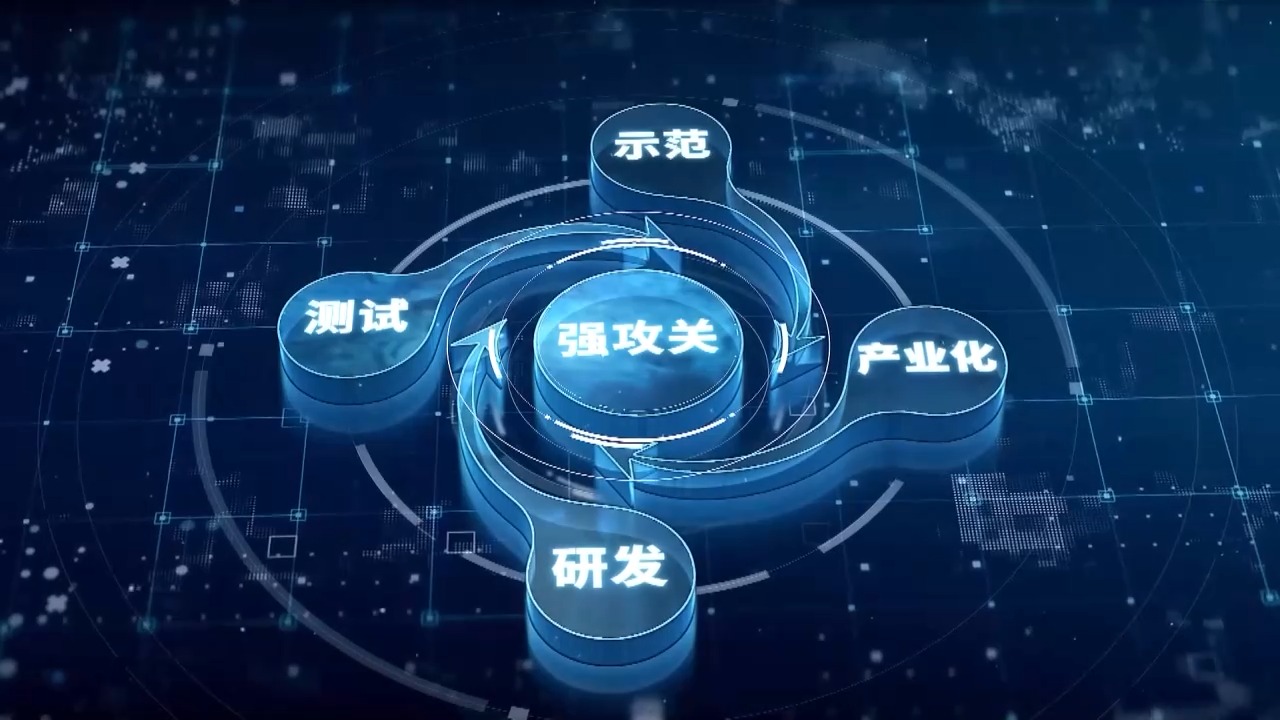
Filling the rice bowl with Chinese grain is an indispensable "rice spoon". At present, the comprehensive mechanization rate of crop cultivation and harvest in my country exceeds 75%, and the contribution rate of agricultural scientific and technological progress exceeds 63%, an increase of about 13 percentage points and 8 percentage points respectively compared with 10 years ago. In the past 10 years, the varieties of major grain crops have been iterated and upgraded for two rounds. The two key points of arable land and seeds, and the two support of technology and equipment have effectively promoted the leap of 100 billion jin. By leading the development of new agricultural productive forces with scientific and technological innovation, increasing efforts to promote seed industry innovation, and accelerating the large-scale promotion and application of scientific and technological achievements, we can continuously improve the land output rate and resource utilization rate, and continuously inject new impetus into a bumper grain harvest.
Farmers are the main force in grain production. To stabilize grain production, we must first stabilize farmers' confidence in growing grain, mobilize and protect farmers' enthusiasm for growing grain. This depends on the "visible hand" and the "invisible hand" to form a joint force, so that the effective government and the effective market can coordinate and make efforts. On the one hand, we will continuously improve the policies to strengthen agriculture, benefit farmers and enrich farmers, improve the income guarantee mechanism for farmers who grow grain and the interest compensation mechanism for major grain-producing areas, and stabilize farmers' expectations for growing grain. On the other hand, we will make the grain industry bigger and stronger, strengthen brand building, and by extending the processing industry chain, we will improve the quality and added value of grain products, and guide more grain growers to transform from selling raw grain to selling products and brands, so as to increase income and become rich.
Saving food and fighting food waste are also important ways to ensure food security. Whether it is promoting the grain saving and loss reduction actions, controlling the loss rates of grain production, storage, transportation and processing below the international average, or implementing the action to improve the grain saving awareness of the whole people and forming a social atmosphere of "practice of thrift and oppose waste" in the whole society, it is a natural meaning. Food security is the "big thing for the country" and concerns everyone's vital interests. Everyone has the responsibility to save food. (China Economic Net Commentator Deng Hao)