
CCTV News: January 22 is the 23rd day of the twelfth lunar month, which is also the traditional Chinese New Year. As the saying goes, after the Little New Year is the New Year, the flavor of the New Year is getting stronger and stronger. Every household has started to buy New Year’s goods, and the New Year’s goods markets in various places are gradually becoming lively.
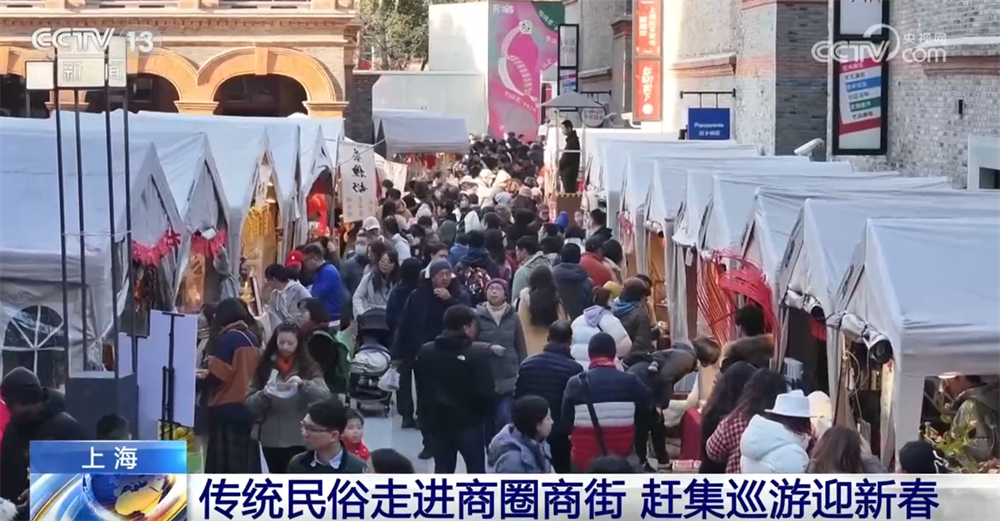
In Shanghai, a "Snake Dance New Year" gathering hidden in the Shikumen building has opened rapidly, and the food from Jiangsu, Zhejiang, Shanghai and Anhui has attracted many tourists and consumers.
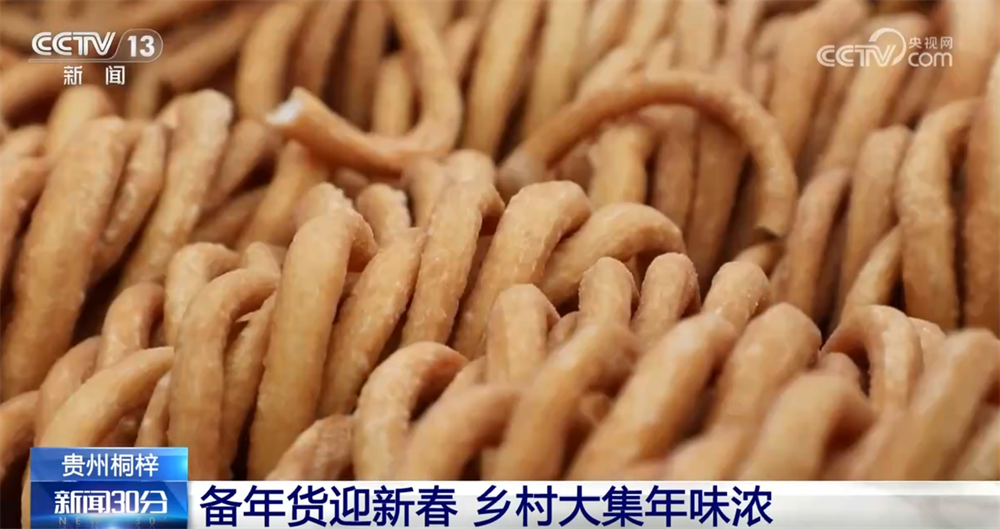
In Huaqiu Town, Tongzi County, Guizhou, going to a big market full of "New Year's atmosphere" in the Little New Year is also the first choice for many villagers. At the market, there are a wide range of handicrafts, local specialties and special snacks. The villagers come to choose New Year's goods early in the morning with baskets on their backs.
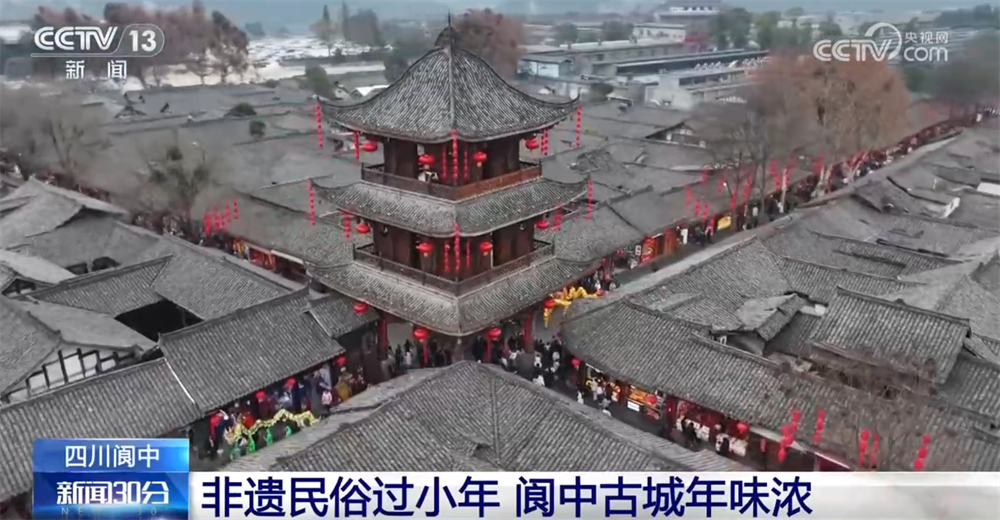
In Langzhong, Sichuan, intangible folk activities such as dragon and lion parades and bamboo horses and cow lanterns are traditional projects of the Little New Year. The reporter saw at the scene that the colorful dragon and lion dance performance was being performed in the middle of the ancient city. From the perspective of the sky, you can see two different colored dragons, moving from the east and west directions toward the center of the ancient city.
In addition to intangible cultural heritage folk performances, intangible cultural heritage foods such as "Zhang Fei Beef" and "Sugar Steamed Bun" in Langzhong have also attracted many tourists to taste and experience.
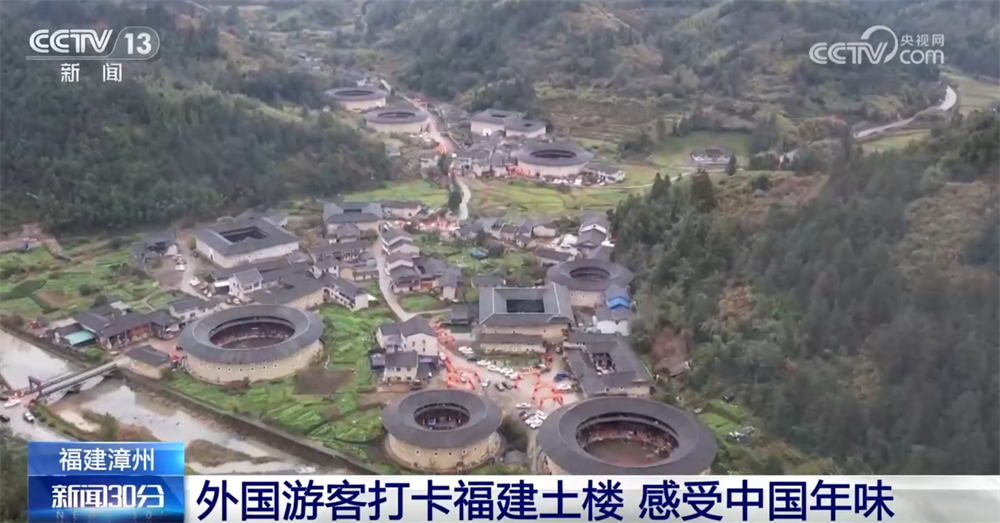
As the Spring Festival approaches, the Nanjing Tulou Scenic Area in Zhangzhou, Fujian welcomes a large number of foreign tourists. Nanjing is one of the locations of Fujian Tulou, a world cultural heritage site. The more than 15,000 Tulou are here with a long history, numerous and unique shapes. Dragon and lion dance are one of the traditional folk programs for the Tulou here for the New Year.
Zibo, Shandong: Go to the big market to hold New Year's goods and welcome the New Year in the fireworks
In Boshan District, Zibo, Shandong, there is an ancient street built in the Song Dynasty called "Bajie". Now this street has become a good place for local people to go to the big market. On January 22, on the 23rd day of the twelfth lunar month, people who bought New Year’s goods came from all directions. Let’s follow the reporters on the Taiwan Channel to go to the big show.
In the market of Boshan Street, Zibo, the three and eighth lunar calendar is the day to go to the market here. The 23rd day of the twelfth lunar month, starting from eight or nine o'clock in the morning, there are already many people coming to the market.
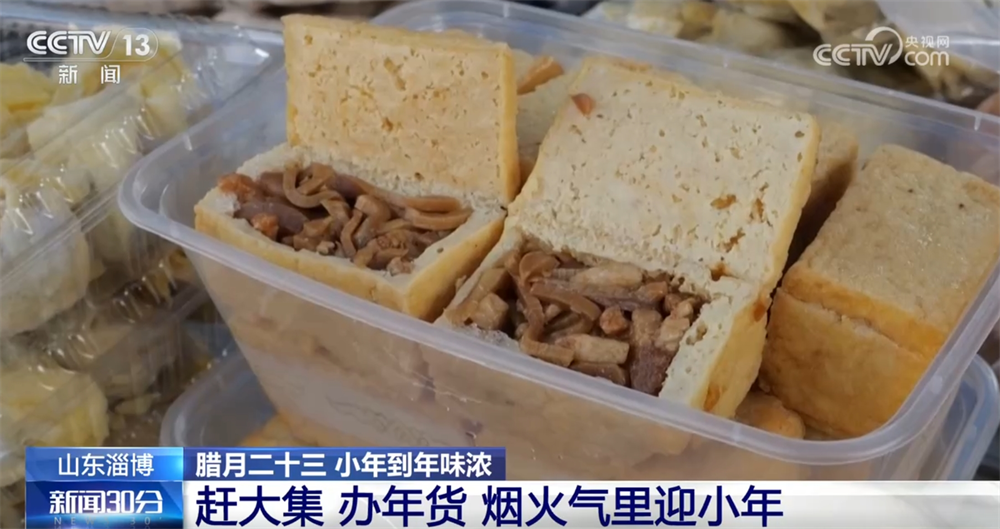
The most famous of the Dajie Gathering is a variety of delicacies, because Boshan is an important birthplace of traditional Shandong cuisine, such as tofu boxes and Boshan fried pork, are all classic Shandong cuisine. If you want to purchase supplies, prepare a table of New Year’s dinner and come to the street to market. Although the entire street is only 690 meters long, the goods on the market are all available.
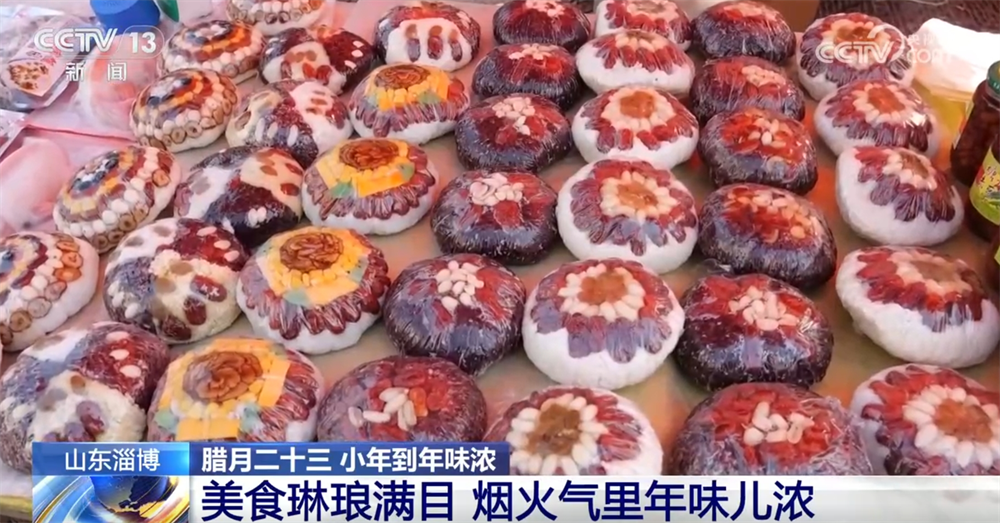
In addition, there are also fried skin, fried tofu and meatballs on site at the big market. What is revealed in the strong fireworks are the joy of welcoming the New Year.
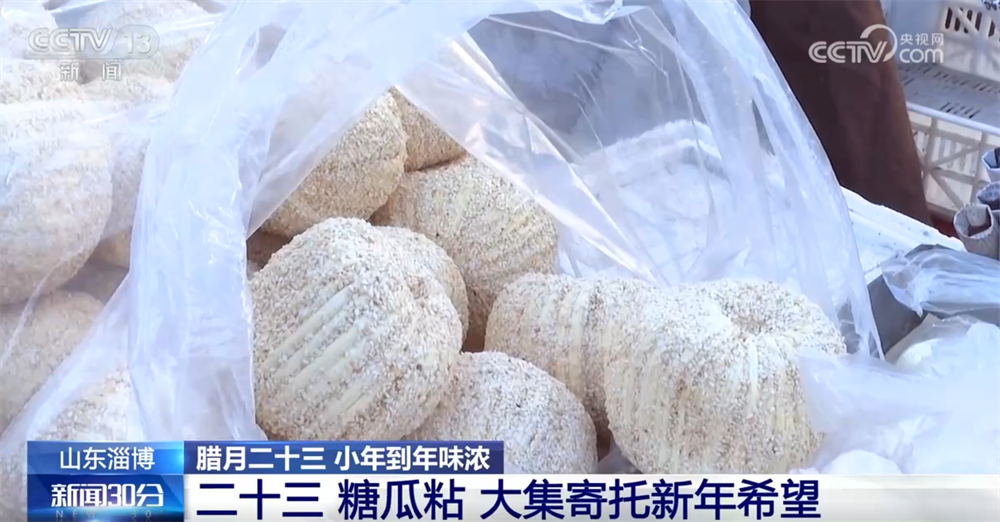
"Twenty-three, sugar melon sticks", we also saw that the stalls selling sugar melons are incredibly prosperous in business. After the 23rd day of the 12th lunar month, the street market is a big market and a New Year's market every day. When I come here to buy a lot of New Year's goods, the hope of the New Year is surging in my heart.
Anhui Nanling: Spring prays to welcome the New Year and folk customs enjoy reunion. In Aili Village, Nanling, Anhui, on the 23rd day of the twelfth lunar month, villagers there gathered to watch performances, taste delicious food, and auspicious dragon dance team paraded the village. The scene was very lively. Let’s see the reports sent back by a reporter from the Central Station earlier.
As soon as the reporter entered the village, he felt the New Year atmosphere coming to his face. The big red lanterns have been hung, and villagers and tourists gathered together, some cutting window flowers, and some writing Spring Festival couplets with their brushes.
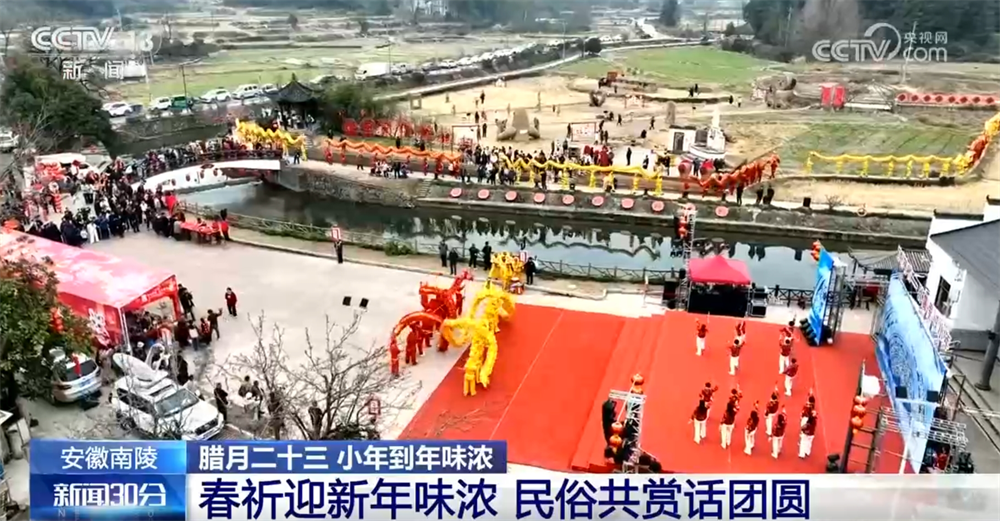
Behind the reporters, what is going on is the "village evening" written and directed by the villagers. They act all about the things around them. They review the big and small things in the village this year through programs one by one. More than 30 villagers spontaneously established the Aili Folk Art Troupe, choreographed folk songs, waist drums, lion dance and other programs, and performed them one after another.
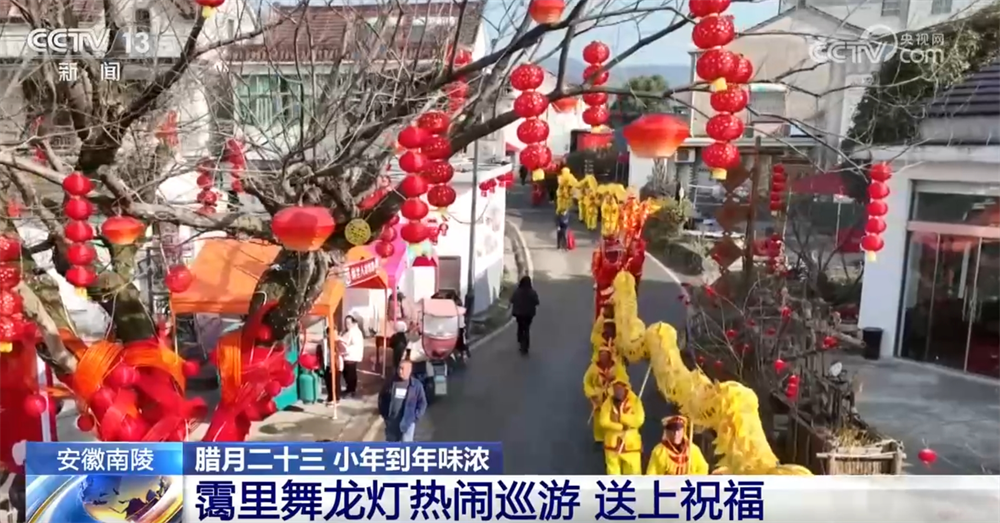
The dragon dance lantern in the mist has a long history and has a profound cultural heritage. Now through the camera, we can see that ten dragon dance performance teams are parading lively in the village and send blessings to Aili Village, hoping for good weather and good harvests in the coming year. The two main dragons flew and danced in the drums and music, with different shapes and lifelike appearances. The eight auxiliary dragons shone brightly around the main dragon and reflected each other.
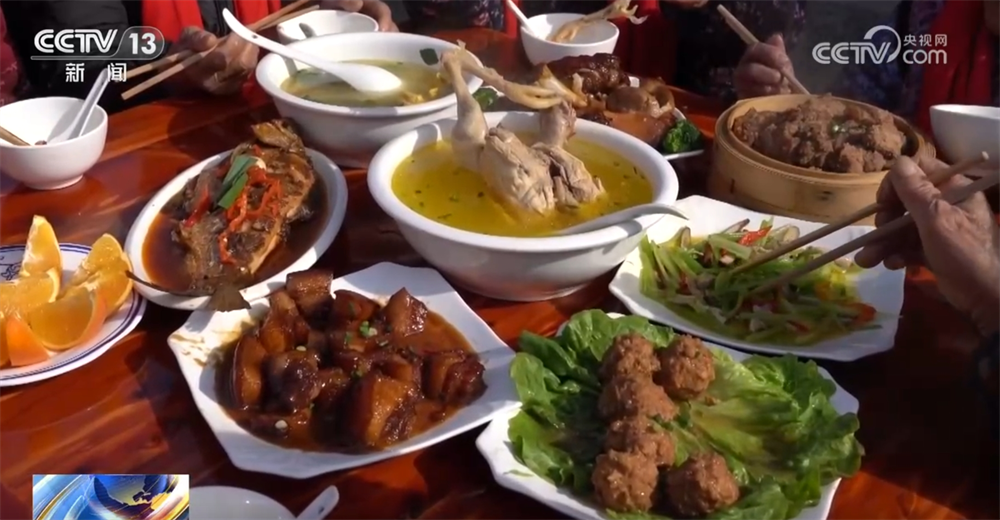
On the day of the Little New Year, there is another very ritual thing in the village, that is, the elderly in the village will gather together to have a table of "Little New Year's Eve dinner". This table of "Little New Year's Eve" was eaten with eight bowls of Aili, including Aili fried rice cake soup, old hen soup, steamed pork noodles, pig trotters, lion's head, and small river fish. Through long-term inheritance and careful cooking, a flavor with great local characteristics is formed. Whenever relatives and friends return home or distinguished guests from afar, the "Eight Bowls of Aili" are a beautiful scenery on the dining table.