
CCTV News: January 22 is the 23rd day of the twelfth lunar month, and it is also the traditional Chinese New Year. Starting from the 22nd, people have become busy. In addition to preparing New Year’s goods, they also have to sweep the dust, paste window flowers, write Spring Festival couplets, clean new hair, and eat stove candy, officially entering the Spring Festival cycle.
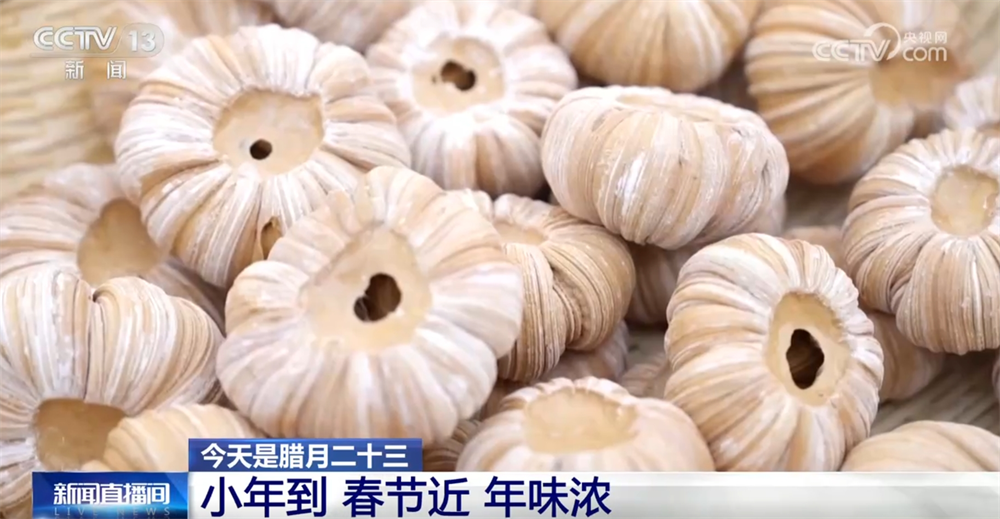
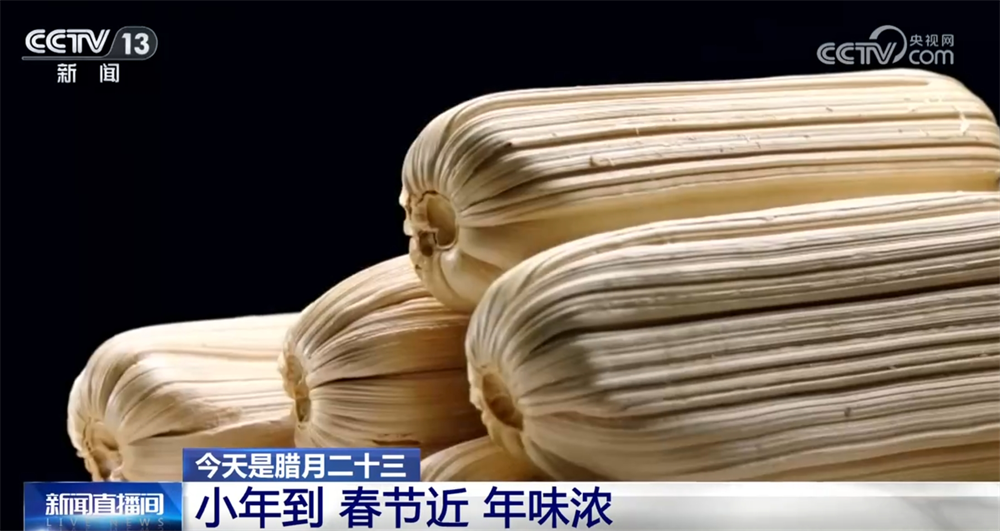
As the saying goes, twenty-three sugar melons stick. According to past customs, on this day, sugar melons are eaten to worship the stove. Sugar melons are also called stove sugar. Each of the sugar melons is bright and white. If you take a bite, it will be crispy, sweet and crispy, and the cheeks are filled with the fragrance of maltose. The main raw material of sugar melon is maltose, which needs to be mixed with some yellow rice and boiled to make it into long strips of sugar sticks. In winter, put the prepared candy melons outside the house and freeze them, which will have a unique flavor when eaten. The sweet sugar melon symbolizes people's yearning for a sweet and sweet life in the new year, and also their expectation for the safety of their families in the new year.
Qinyang Village, Dongqinyang, Henan Province: Sacrifice the Kitchen God and taste the sweet New Year flavor
Twenty-three, worship the Kitchen God and the Kitchen God and the Kitchen God and the Kitchen God and the Kitchen God and the Kitchen God and the Kitchen God and the Kitchen God and the Kitchen God and the Kitchen God and the Kitchen God and the Kitchen God and the Kit In Dongqinyang Village, Qinyang, Henan, every New Year, local villagers use traditional handicrafts to make sweet-mouthed sacrificial stoves, hoping that the Kitchen God can "go to heaven to speak good things and keep peace in the lower realm."
Villager Zhang Dafeng has a traditional cooking technique for the stove. Every year when the New Year is approaching, she will call several sisters from the village to go home to make the stove.
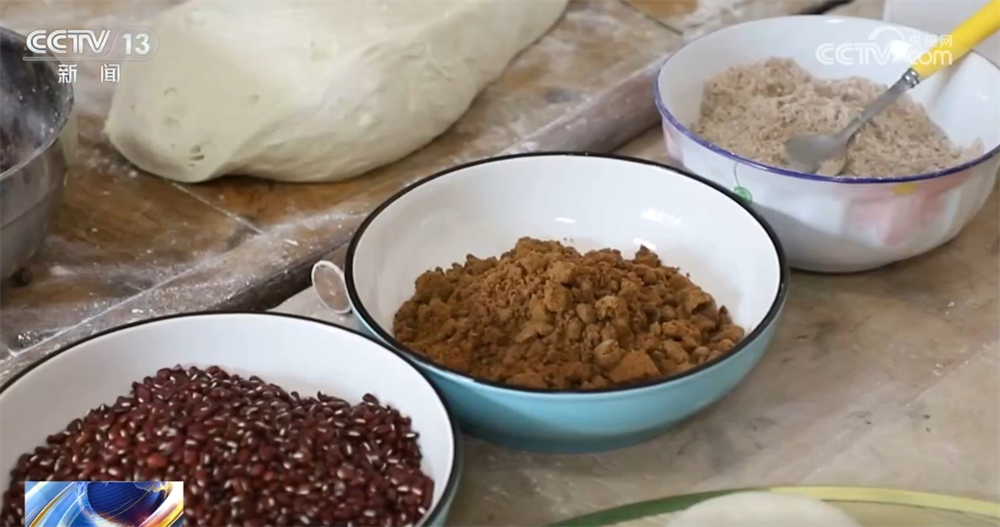
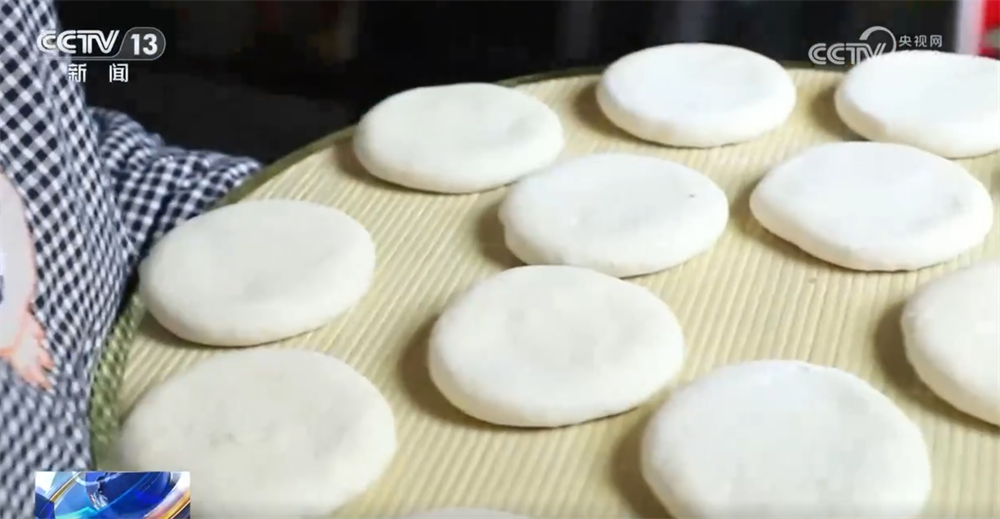
The noodles used for the stove burning are flour and yam, and the fillings are mainly red beans and brown sugar. Most of them are planted and harvested by the villagers of Dongqinyang Village themselves. Moreover, when planting, fertilizers are recycled from kitchen waste fermentation, which are green and healthy. Wrap the filling and pat it into a flat shape of the same size. The next step is the most important braking process. Put the furnace circumference and cover it with iron rings. Experience is particularly important because the transformation of the furnace cannot be seen during the molding process.
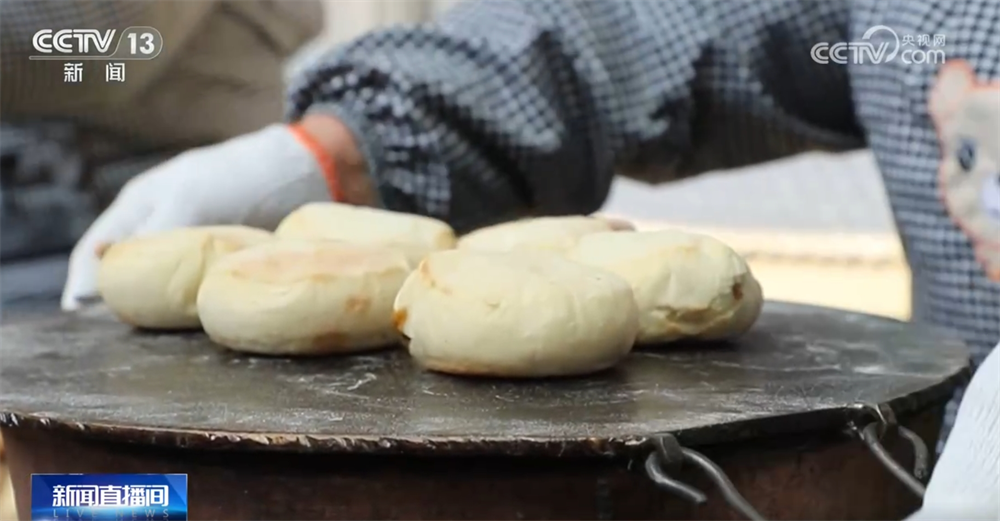
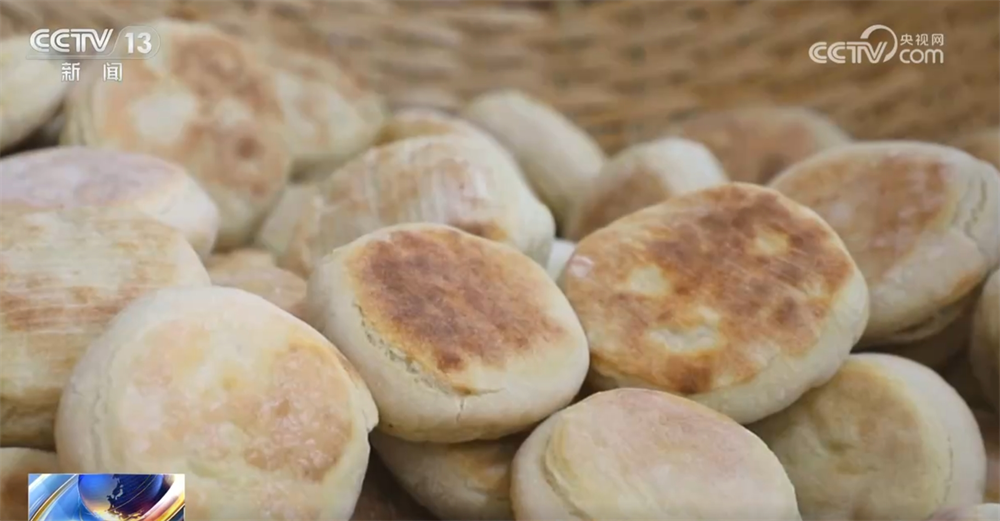
The hot stove-sacrificing taste has a crispy skin on the outside, soft and sweet inside. In Dongqinyang Village, the Little New Year’s Kitchen Festival is only 5 days old. This year, more than 2,000 were made. People not only ate it themselves, but also booked it to their relatives and friends from other places to share the sweet New Year atmosphere of their hometown.
Bazhou, Xinjiang: Brewing milk wine. Herders are busy with the New Year. In Hejing County, Bazhou, Xinjiang, Mongolian herders in Bayinbrook Town are brewing traditional milk wine that is indispensable for the Spring Festival and frying five livestock cakes. Let’s take a look together.
First pour the fermented yogurt into the pot and bring to a boil, stir evenly, and then put a few pots layer by layer.
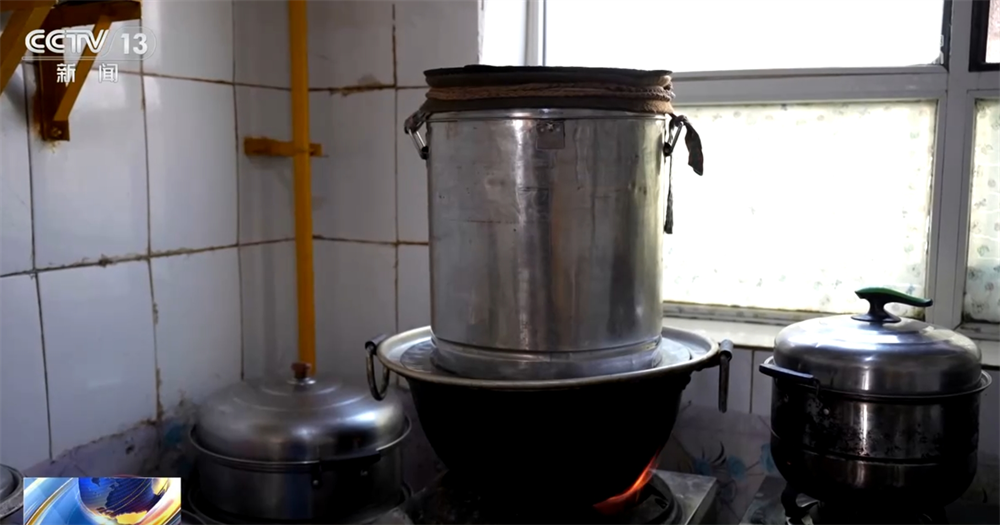
It should be noted that the gap between the pot should be wrapped tightly with a cloth to avoid affecting the quality of the milk wine. The distillation method is used to brew traditional milk wine. The yogurt boiled in the lowest pot will condense when the steam rises and cools. Drop it into the small pot in the middle to make it a unique milk wine.
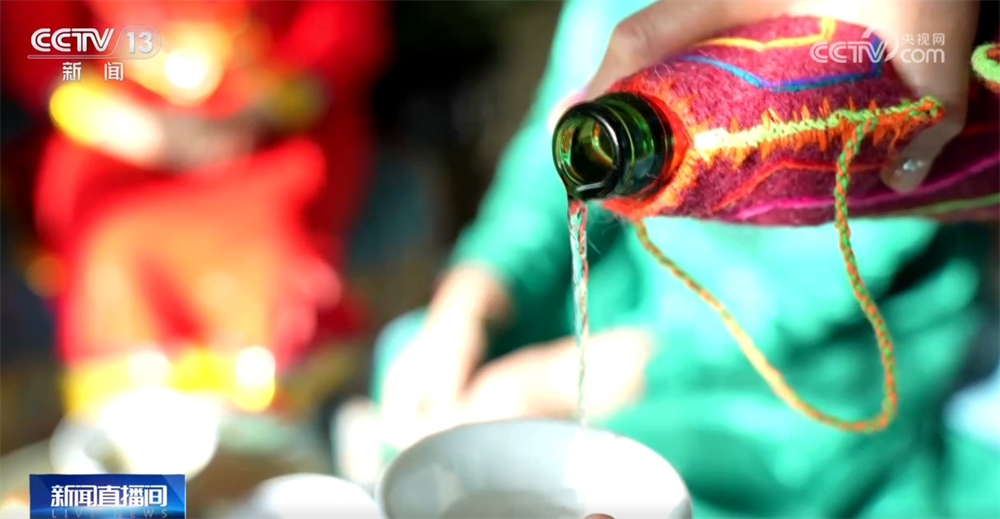
Milk wine is generally translucent, with a relatively low alcohol content, and it tastes round, sweet and sour, and has a fragrant milky taste. In Bayinbrook, you also have to fry five livestock cakes during the Spring Festival. The fermented noodles are made into horses, cows, camels, sheep, and goats, and fry them into golden yellow, which is called "five livestock". This is also the New Year custom inherited by local herders. They celebrate the harvest and look forward to the prosperity of the five livestock in the coming year.