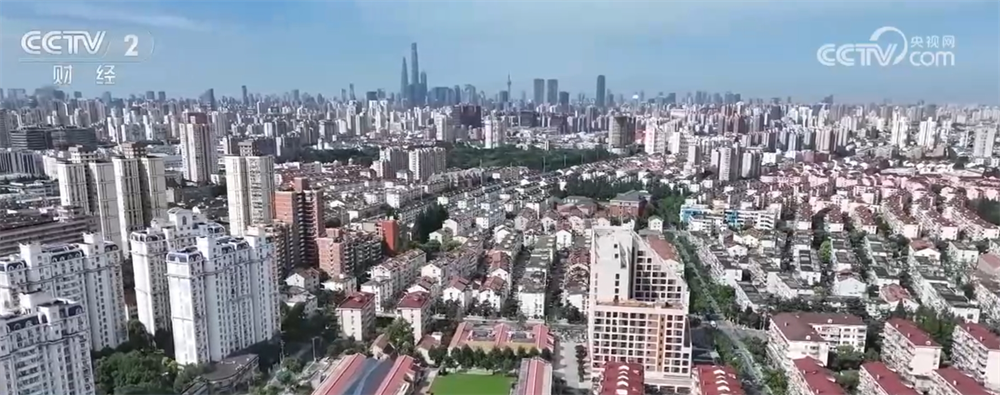
CCTV News: The reporter recently learned from the Ministry of Housing and Urban-Rural Development that in 2024, my country implemented more than 60,000 urban renewal projects, with an investment of about 2.9 trillion yuan, and the comprehensive results were gradually revealed.
The Ministry of Housing and Urban-Rural Development stated that in 2024, all parts of the country will continue to innovate and improve the urban renewal work mechanism, systems, policies and implementation models, and implement more than 60,000 urban renewal projects have been implemented, with an investment of about 2.9 trillion yuan, including various types of projects such as renovation of old urban communities, complete community construction, and historical and cultural protection.
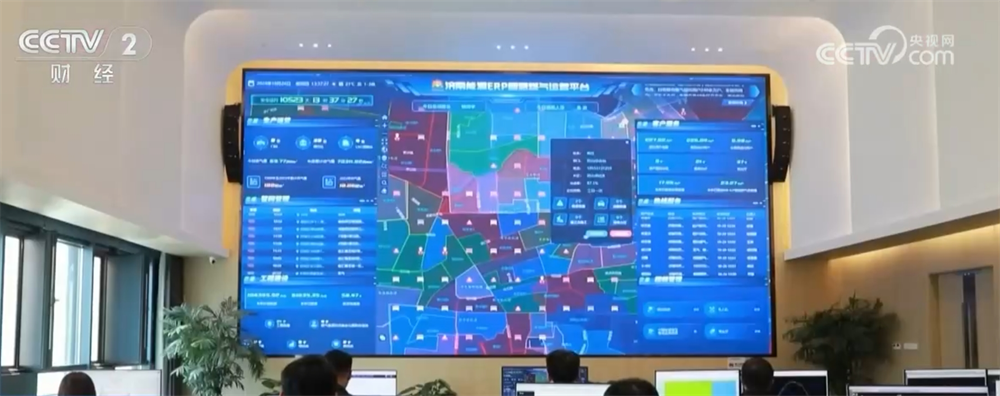
The Ministry of Housing and Urban-Rural Development introduced that as of now, more than 410 cities across the country have established urban renewal work leading groups, and 21 cities have set up urban renewal bureaus to regularly promote full-time management of urban renewal work. In terms of building a system and policy framework, 9 cities in one province have issued urban renewal regulations, 92 cities have issued management measures, and 150 cities have issued guiding documents, and the urban renewal goals, tasks, path procedures have gradually become clear.
Not only that, while 297 cities at the prefecture level and above have fully carried out urban physical examinations, localities have also innovated diversified urban renewal investment and financing mechanisms, 12 provinces have set up special funds to provide rewards and subsidies or loan interest subsidies, and 28 cities have set up urban renewal funds, with a total fund scale of 455 billion yuan. Local governments attract social capital investment through government-enterprise cooperation, franchise, enterprise contracting, independent renewal, etc.
The first dilapidated house renovation project in Guangdong that "self-raised and built" by owners has officially handed over the house
Recently, Guangdong Province's first dilapidated house renovation project "self-raised and built by owners" - No. 2, Jiqun Street, Huadu District, Guangzhou City, completed acceptance and successfully handed over the house and certificate. This old building, which has been built and used for nearly 50 years, has completed an amazing transformation. From the demolition and reconstruction of the old house to the completion, it took about nine months, and the owners ushered in a brand new home.
At the new house delivery ceremony, 8 owner representatives received the new house key and real estate certificate.
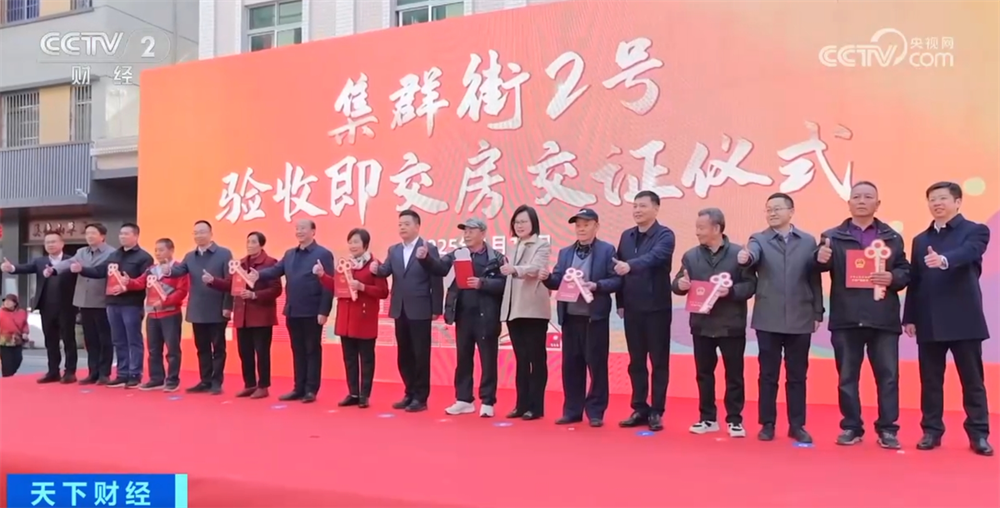
Huang Xixiang, a resident of No. 2 Jiqun Street, Huadu District, Guangzhou City, said: "The key and the real estate certificate were given together. It was about two or three square meters before, and even the toilet and the kitchen were inside. Now it looks brighter and clear and separate, which is easier to use. It could be delivered to us for use before the New Year, and we were very happy."
Zhong Cailan, a resident of No. 2 Jiqun Street, Huadu District, Guangzhou, said: "The most anticipated is to have an elevator. The second is pipeline gas. We are old now and our legs are not very good, so it is the best to have an elevator."
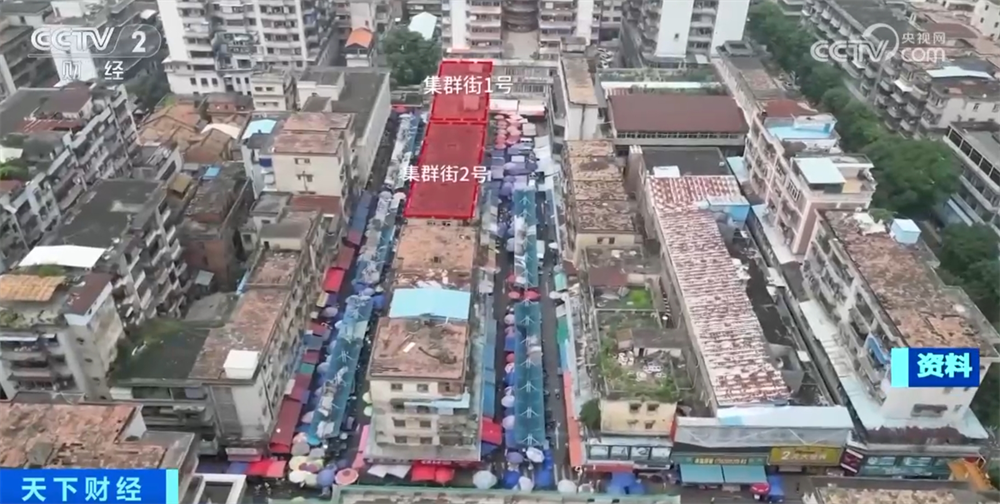
Building 2 Jiqun Street was built in the 1970s. As time goes by, the structure of the house gradually aging and the facilities are seriously lagging behind. Due to various safety hazards and inconvenience in housing, the building was identified as a Class D dilapidated house.
Traditional micro-renovation can no longer solve the fundamental problem of the house, and due to the small plot area and low development profit, developers have little intention to rebuild the project. Against this background, the government proposed the transformation idea of "demolition and construction of original buildings and increasing public services". In accordance with the principle of "who benefits and who contributes", it guides residents to bear the main transformation costs and jointly explore the "self-financing and self-construction" model.
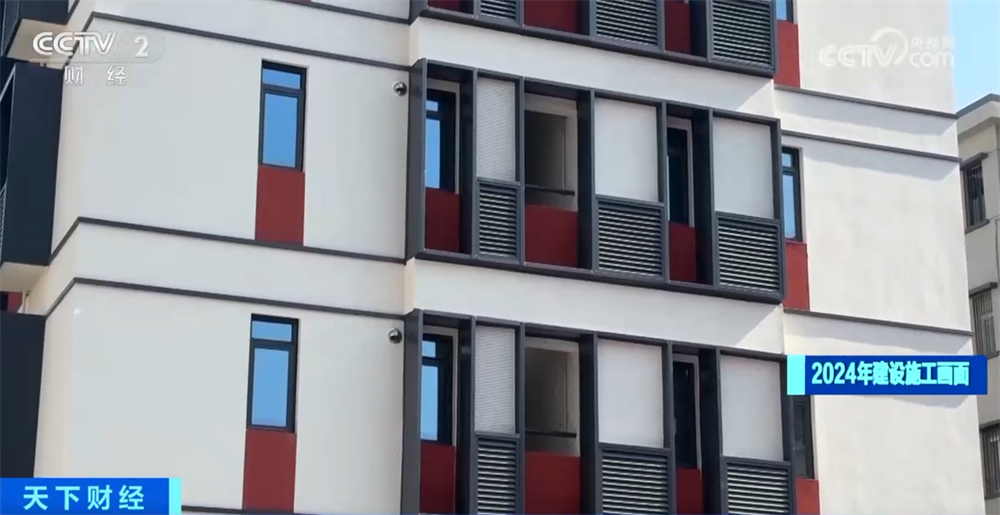
Jiang Zhibing, director of Xinhua Street Office, Huadu District, Guangzhou, said: "It is not only the structure aging, but the apartment design is also aging. During the reconstruction process, the design of the apartment has also been re-optimized, and the internal structure of the house, including public infrastructure, are re-configured."
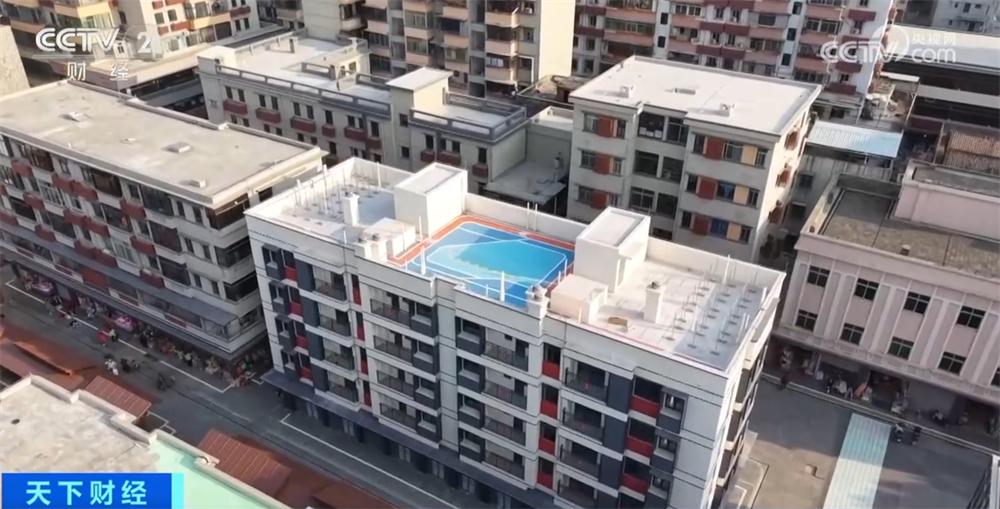
The total investment of the project is about 8 million yuan. Residents share the expenses according to the standard of 4,600 yuan per square meter, and make detailed adjustments based on the different floors and areas. On the premise of ensuring safety and compliance, the area of some public facilities and living space has been increased, the overall living quality of the new building has been improved, and the inconvenience and inadequacies of the original house have been improved.
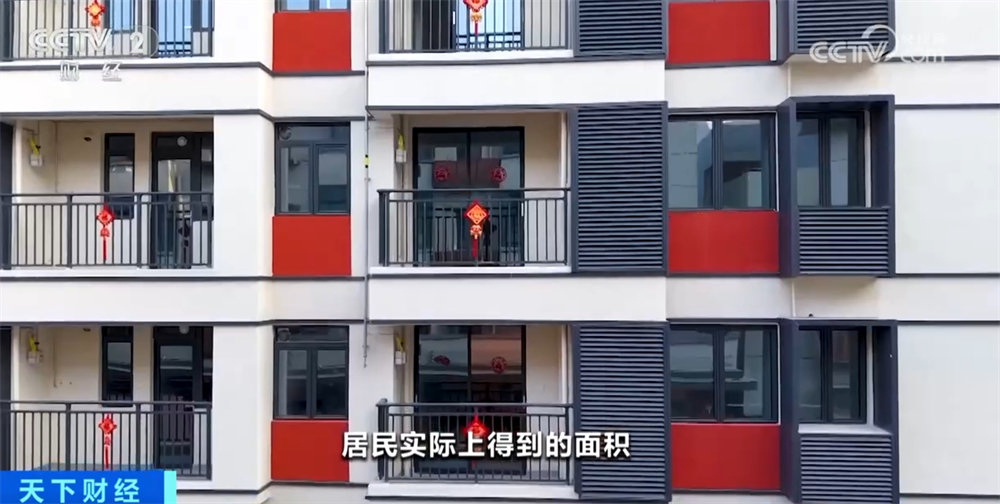
Li Wenwei, director of the Huadu District Branch of the Guangzhou Municipal Planning and Natural Resources Bureau, said: "The area of the kitchen and bathroom has been appropriately increased, and elevators have been installed. In this way, the area that residents actually get is increased compared to the original."
Financial Quick Comment: Give full play to the market advantages and build a warm home together
9 months, each household paid 300,000 yuan, and the house value increased by 160%. The first "self-financing and self-built" dilapidated old house renovation project in Guangdong Province attracted attention from many parties.
The renovation of old communities is a must-answer question for urban development, but the renovation of dilapidated old houses faces many difficult problems such as shortage of funds and single model. The practice of Guangzhou owners to "raise funds by themselves, demolish and build originals" has opened up our thinking. The innovative attempt of market mechanism is the "golden key" to open up the dilemma of old communities.
In Hangzhou, in the reconstruction project of Zhejiang Gongxin Village Community, residents raised about 470 million yuan to build a "new home", accounting for more than 80% of the total cost of community reconstruction; in Xiamen, in order to solve the problems of parking difficulties and "fancy" space occupation, residents raised 13 million yuan to build their own parking buildings; not long ago, the Ministry of Housing and Urban-Rural Development made it clear that urban renewal should be vigorously implemented in 2025, and the task of renovation of old urban communities built before the end of 2000 will be fully completed, and local governments will be encouraged to explore residents' independent renewal and renovation of old residential buildings.
Urban renewal is actually an update of ideas and mechanisms. It requires the joint efforts of multiple parties to improve the quality of living, improve the appearance of the city, release investment potential, and activate home improvement and home appliance consumption. It can be said that it will win multiple goals in one fell swoop. Only by adapting to local conditions and giving full play to the market mechanism can we build a "warm home" together.