CCTV News: Recently, in the Yangqi Mountain Scenic Area in Shangli, Pingxiang, Jiangxi, a lively New Year temple fair attracted many locals and tourists from all over the world to taste food, buy New Year’s goods, and experience folk customs here.
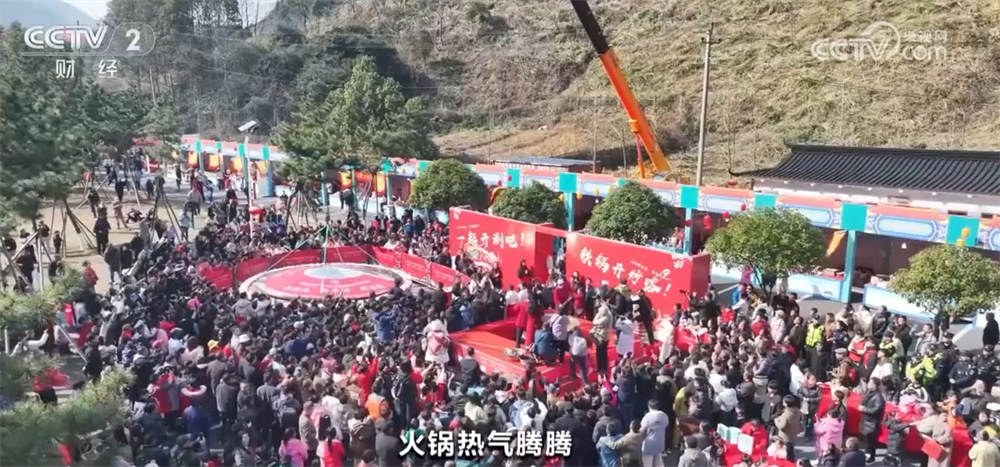
As the hot pot lid slowly unfolded, the giant hot pot with a diameter of 6 meters was churning and fragrant, and tourists surrounded the stove to taste various special spicy delicacies. On the side, special dishes such as Pingxiang fried noodles and Chushan snails also appeared one by one. The unique Pingxiang flavor bloomed on the tip of the tongue, attracting tourists to praise it.
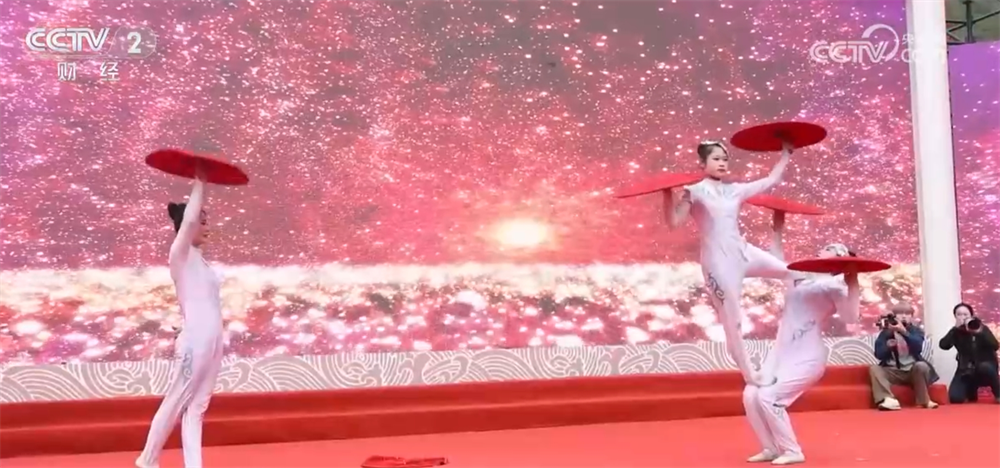
While tourists eat hot pot, they enjoy the Pingxiang Nuo dance that has been passed down for thousands of years. The performers wear quaint costumes and dance gracefully in their vigorous drumbeats, praying for auspiciousness in the New Year. In addition, intangible cultural heritage programs such as face change and acrobatics have been launched one after another, allowing tourists to feel the passion and vitality of modern life while immersing in the charm of traditional culture.
Guangzhou, Guangdong: Folk activities welcome the New Year, lion dance performance sends blessings
As the Spring Festival approaches, Guangdong Guangzhou Tourism Market has launched a variety of folk activities, and the unique Lingnan lion dance performance brings tourists a new experience.
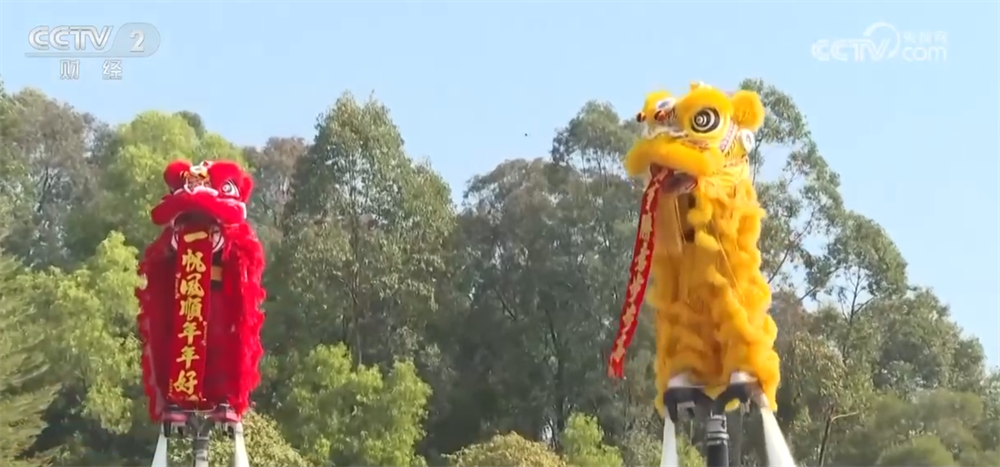
In the Guangzhou Lianhua Mountain Tourist Scenic Spot, a pair of lion-drawing pedal vehicles took off in the air. This way of combining traditional Lingnan lion-drawing culture with modern technology refreshed tourists.
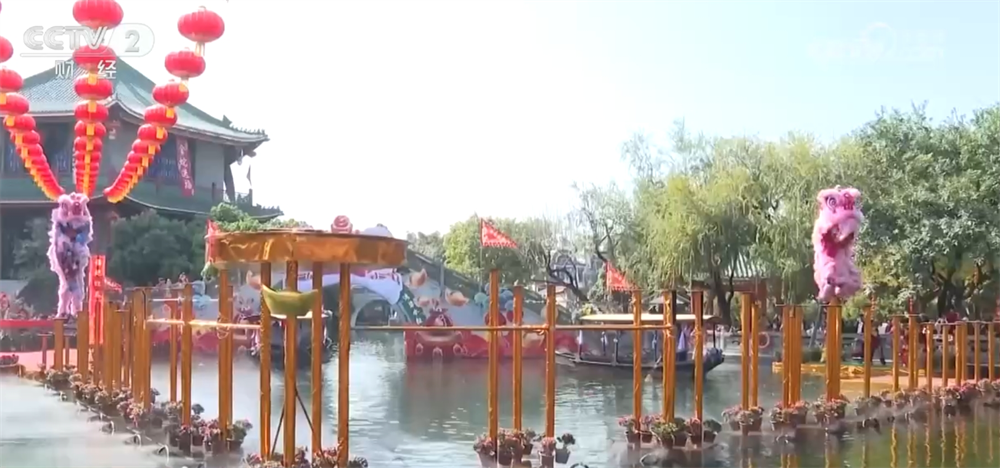
In another scenic spot in Guangzhou, Lingnan lions bravely entered the steel cable array at high altitude, and there are clown plays to pass on New Year's blessings to tourists in a relaxed and joyful way.
Jiangxi: Intangible cultural heritage elements add color to feel the unique charm of traditional culture
As the Spring Festival is approaching, in the Spring Festival activities held in many places in Jiangxi, intangible cultural heritage elements with distinct local characteristics also allow everyone to feel the unique charm of traditional culture in a strong festive atmosphere.
In the past few days, at the intangible cultural heritage market in Shangrao, Jiangxi, rows of neat intangible cultural heritage stalls are arranged in an orderly manner, and the scene is decorated with lights and lively. Intangible cultural heritage performances such as Wuyuan Hui Opera, Poyang Fishing Drum, and Yiyang Opera have attracted many citizens and tourists.
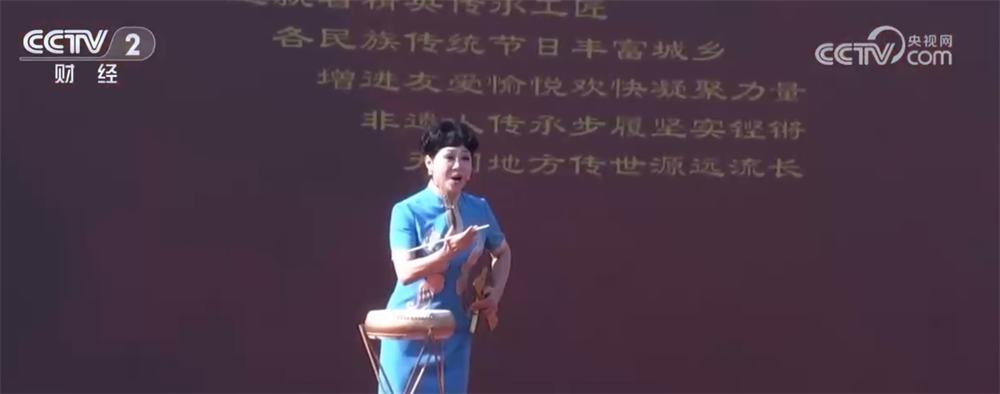
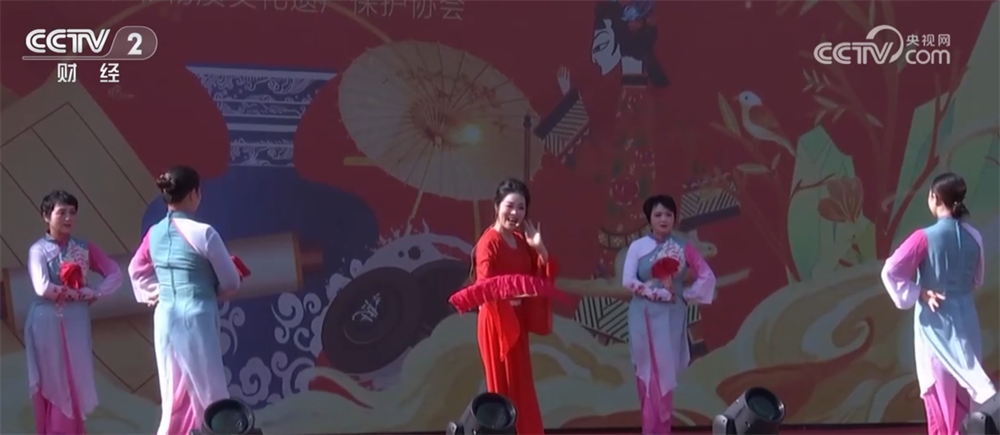
In the intangible cultural heritage market, intangible cultural heritage skills such as Poyang paper cutting and Yiyang rice cake have also attracted many citizens to visit and purchase. In the early stage of the Spring Festival, Shangrao, Jiangxi will hold 12 intangible cultural heritage markets in a row, allowing citizens and tourists to appreciate the charm of intangible cultural heritage up close.
As the Spring Festival approaches, many intangible cultural heritage craftsmen are also starting to get busy. In Liusi Town, Hukou County, Jiangxi Province, Yu Fangze, a representative inheritor of Hukou Caolong, a national intangible cultural heritage in his 80s, and his daughter Yu Yuanli, made grass dragons together. They sometimes choose straws, sometimes tangled left and right, and straws quickly turned into majestic grass dragons under their skillful hands.
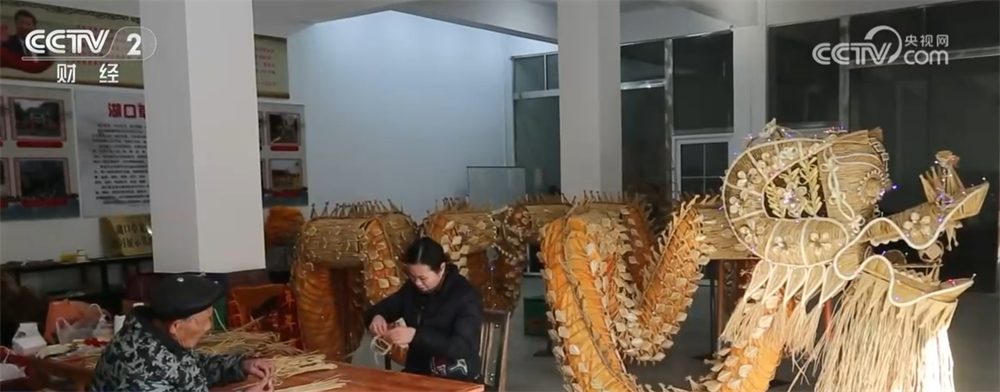
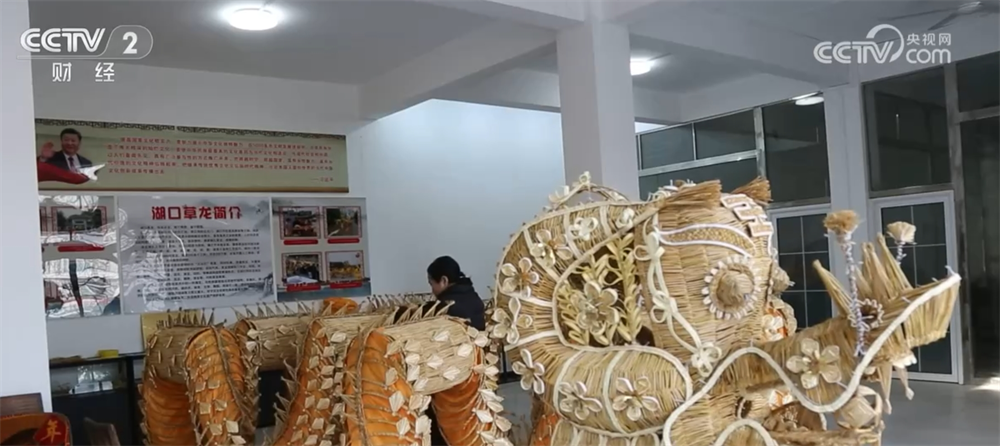
Hukou County has the custom of weaving grass dragons and swimming grass dragons during the Spring Festival. It has a history of more than 600 years. Hukou grass dragon combines Chinese totem with traditional art crafts and is an important part of the spiritual culture of the local people.