CCTV News: With the continuous deepening of coordinated development of Beijing, Tianjin and Hebei, transportation construction between the three places is under intense progress, and the models of Beijing-Tianjin R&D and Hebei industrial transformation are becoming more and more extensive.
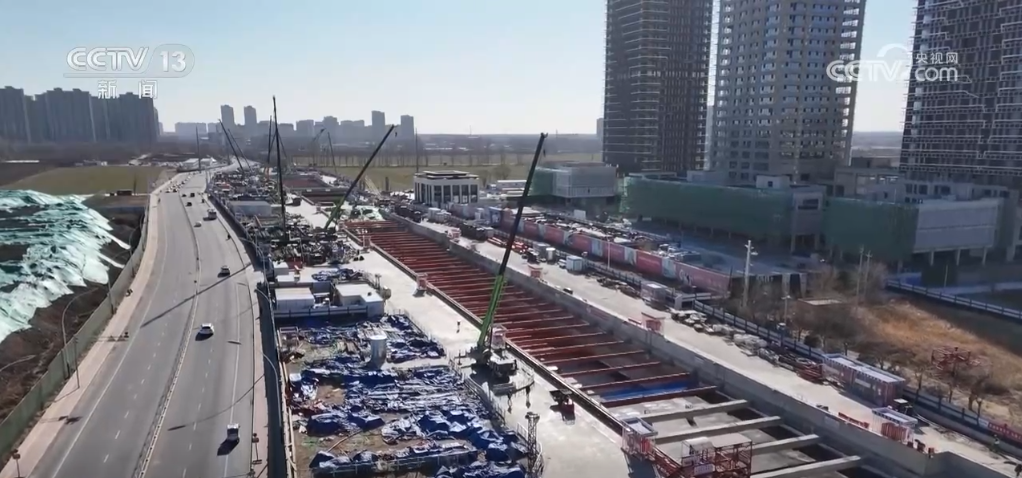
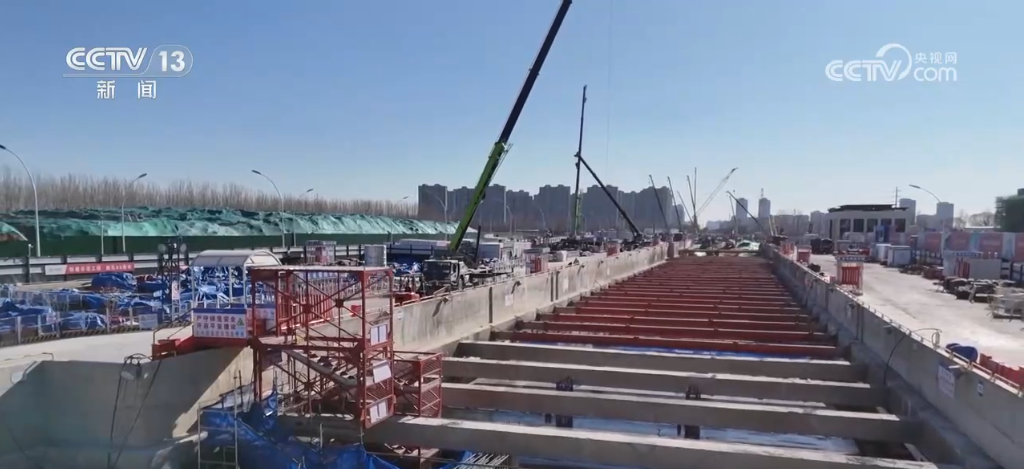
Recently, with the "Duxing No. 2" shield machine entering the receiving steel sleeve, marking that the two-line shield sections of Yanjiao Station-Shenwei Street Station are fully connected. So far, the third double-line shield section of the Hebei section of Beijing Metro Line 22 has been connected. As the first cross-provincial rail transit route in Beijing and Hebei, after the completion of Beijing Metro Line 22, it will only take 9 minutes from Yanjiao to Beijing's sub-center, which will greatly improve the travel efficiency of cross-provincial commuters.
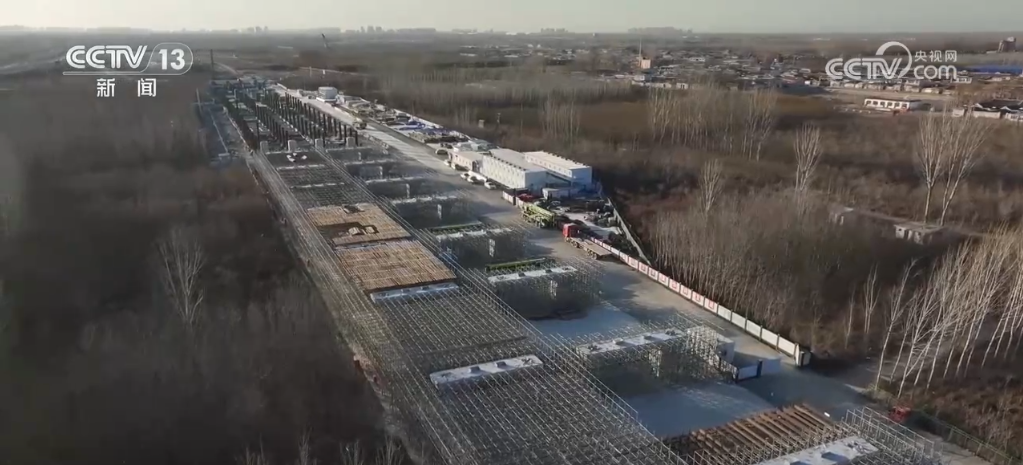
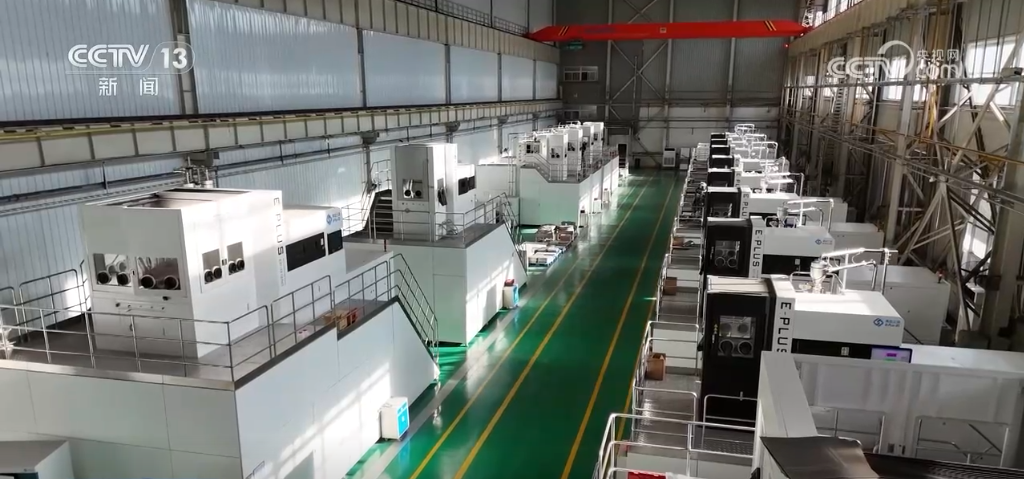
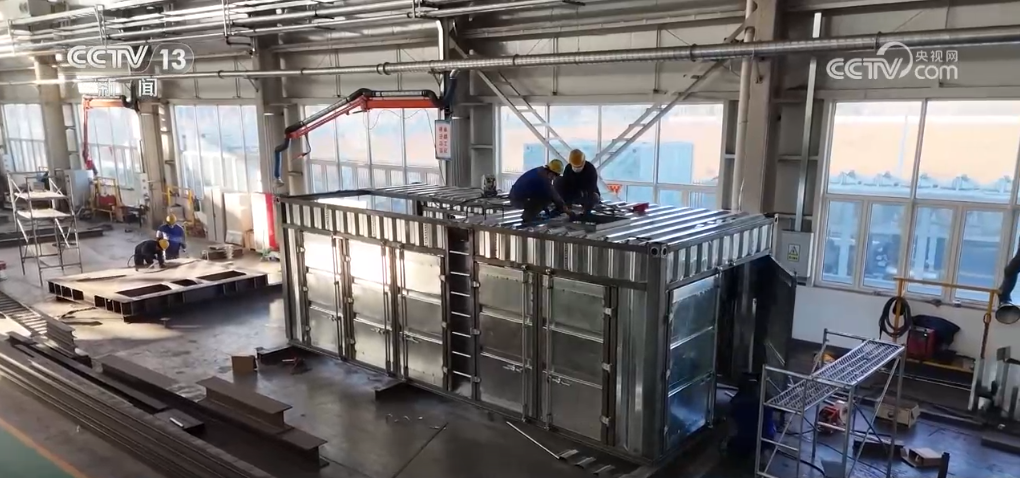
With the continuous deepening of coordinated development of Beijing, Tianjin and Hebei, the models of Beijing-Tianjin-Hebei R&D and Hebei industrial transformation are becoming more and more extensive. In the Economic Development Zone of Sanhe County, Langfang, Hebei Province, a natural gas recovery equipment manufacturing company is conducting trial production of products. The main personnel of the company's founding team are from scientific research institutions in Beijing. The company's head said that the good location advantages of Sanhe, Hebei, as well as the industrial workers' reserves and the upstream and downstream supporting facilities of the industrial chain, have provided great support for the smooth start-up of production and will continue to strengthen cooperation in the future.
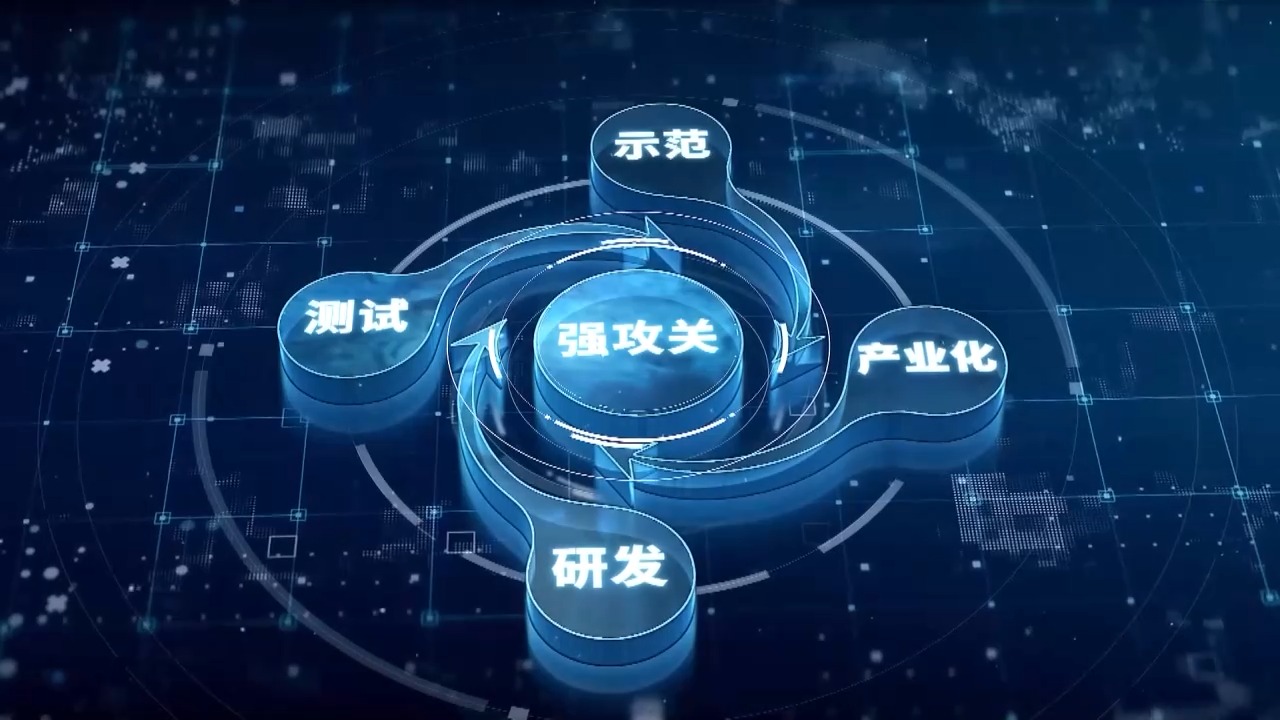
At present, the innovative resources in Beijing and Tianjin are "flowing and bear fruit" in many areas of Hebei. In 2024, Hebei and Beijing and Tianjin jointly built six industrial chains, and the output of new energy, intelligent connected vehicles and robots achieved exponential growth. In addition, Hebei has also introduced 332 second- and third-level subsidiaries of central enterprises, and the transaction volume of technology contracts absorbed by Beijing and Tianjin increased by 34.8% year-on-year.