"My old car consumes too much fuel. Now that I have replaced it with a new energy vehicle, it not only has low energy consumption, but also feels quieter and more comfortable when driving." Ms. Li from Hangzhou City, Zhejiang Province purchased the latest pure electric vehicle in a new energy vehicle store, and saved about 6,000 yuan in total.
Recently, factory smart equipment and energy-saving equipment have been updated at an accelerated pace; car 4S stores, home appliance stores, and key business districts are surging... With the increasing efforts to support large-scale equipment updates and consumer goods trade-in, a series of "new replacement" activities continue to be hot, and the potential for domestic demand is constantly being released.
Recently, the central government has issued 81 billion yuan in old-for-new consumer goods in 2025, supporting local governments to coordinate the continuous implementation of policies.
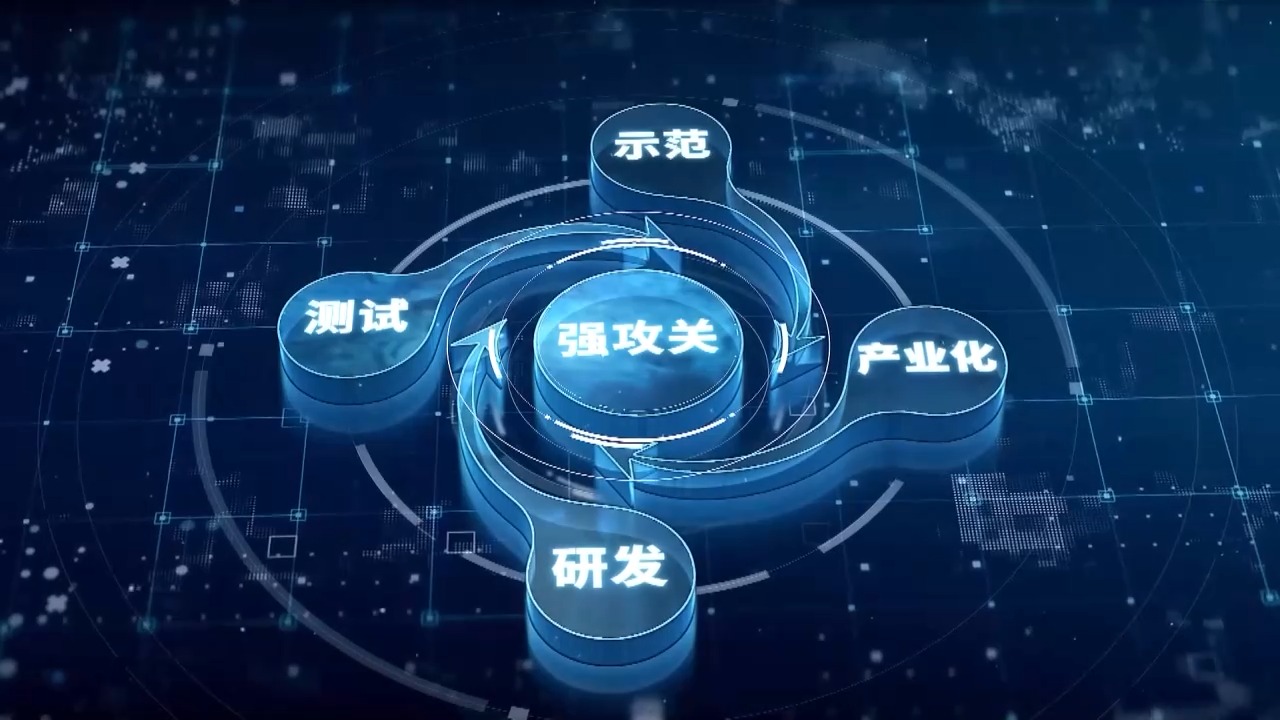
The "Notice on the Notice on the Implementation of Large-scale Equipment Updates and Consumer Products Trade-in Policy in 2025" (hereinafter referred to as the "Notice") issued by the National Development and Reform Commission and the Ministry of Finance mentioned that the scale of funds to support equipment updates in key areas will be increased, and on the basis of continuing to support the updating of equipment such as industry, energy-consuming equipment, energy and electricity, transportation, logistics, environmental infrastructure, education, culture and tourism, medical care, old elevators, etc., will further expand the support scope to electronic information, production safety, facility agriculture and other fields, focusing on supporting the application of high-end, intelligent and green equipment.
Data released by the Ministry of Commerce shows that as of 24:00 on December 19, 2024, nearly 2.7 million cars were scrapped and updated nationwide, more than 3.1 million cars were replaced and updated, more than 33.3 million consumers purchased related home appliances, more than 52.1 million old-for-new products, more than 53 million subsidies for home decoration, kitchen and bathroom "renew" subsidies for home improvement and kitchens and bathrooms, and more than 1 million electric bicycles were traded for old-for-new products. The policy of ex-new consumer goods has driven the sales of related products by over 1 trillion yuan as a whole.
Behind the continuous release of consumption potential, not only is the frequent "warm wind" of policy favorable policies, but with the cooperation of multiple parties, the process of old-for-new transactions has also been continuously optimized, the service quality has been continuously improved, and the consumer experience has been continuously improved.
At the same time, financial services for old-for-new are constantly innovating. "It's great to enjoy both old-for-new subsidies and participate in installment purchases of home appliances." At an electrical appliance promotion event held by a bank in Hubei, consumer Xiao Liu placed an order to buy a new smart refrigerator.
The relevant person in charge of the bank introduced that the bank focuses on the field of bulk consumption and launched "0 down payment, 0 interest, 0 handling fee" smart home installment products, and can purchase home appliances in 6 and 12 periods, further lowering the purchase threshold and promoting the exchange of old for new home appliances.
"Trade trade-in for new is not only a project that benefits the people, but also a key measure to achieve high-quality development and build a new development pattern." Mo Xin, deputy director of Tsinghua Suzhou Environmental Innovation Research Institute, said that at this stage, production equipment not only faces the requirements of greening and low-carbonization, but also faces the trend of intelligent, digital and informatization upgrading. Policy guidance can allow enterprises to release their own production chain transformation needs and meet the policy goals and requirements of cultivating new quality productivity.
In 2024, the old-for-new trade-in results will be significant; in 2025, how will the old-for-new trade-in policy be put into effect?
The Notice mentioned that it will continue to support the exchange of 8 types of home appliances such as refrigerators, washing machines, TVs, air conditioners, computers, water heaters, household stoves, and range hoods, and include 4 types of home appliances such as microwave ovens, water purifiers, dishwashers, and rice cookers in the subsidy scope.
If individual consumers purchase products with Level 2 energy efficiency or water efficiency standards in the above 12 types of home appliances, the subsidy standard is 15% of the product sales price; if products with Level 1 energy efficiency or water efficiency standards are 20% of the product sales price. Each consumer can subsidize 1 piece for each product (up to 3 pieces for air conditioning products), and the subsidy for each product shall not exceed 2,000 yuan. Individual consumers who have enjoyed the subsidy for exchange for a certain type of home appliance products in 2024 can continue to enjoy the subsidy for purchasing similar home appliance products in 2025.
Fu Jinling, Director of the Economic Development Department of the Ministry of Finance, said that for consumer goods exchanged with new funds, the Ministry of Finance will work with the National Development and Reform Commission to follow the principle of "incentive compatibility" and follow the 2024 consumer goods exchanged with new funds, and the implementation of funds, the Ministry of Finance will be tilted towards regions with better work results based on the previous relevant allocation factors.