CCTV News: Paper cutting, as one of the oldest traditional folk arts in China, has profound cultural connotations and is widely loved by people from all over the world. Paper cutting is not only an art form, but also a carrier of cultural heritage. Especially during festivals, it conveys a strong festive atmosphere and people's yearning for a better life.

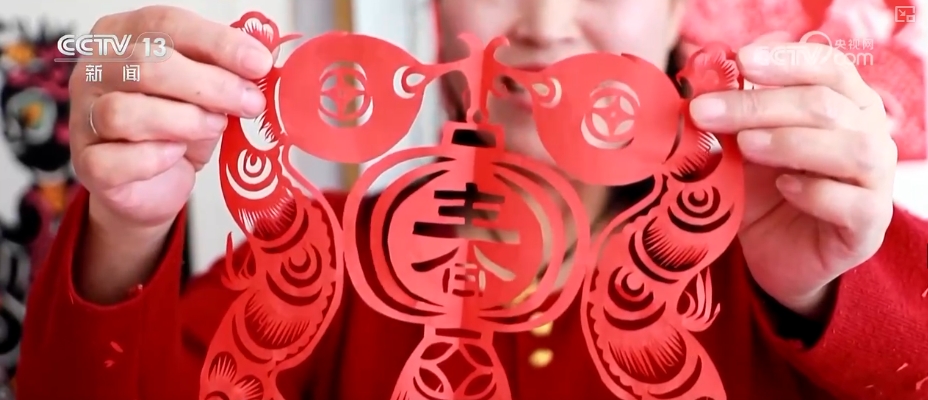
In the past two days, in Ansai District, Yan'an City, Shaanxi Province, paper-cutting artists are hurrying to make paper-cutting orders for the Spring Festival of the Year of the Snake. They cleverly incorporated elements of the Year of the Snake into their works. The lively snake-shaped patterns, the auspicious window flowers of the Year of the Snake, etc. have added a festive atmosphere to the Spring Festival and expressed the people of northern Shaanxi yearning for a better life.
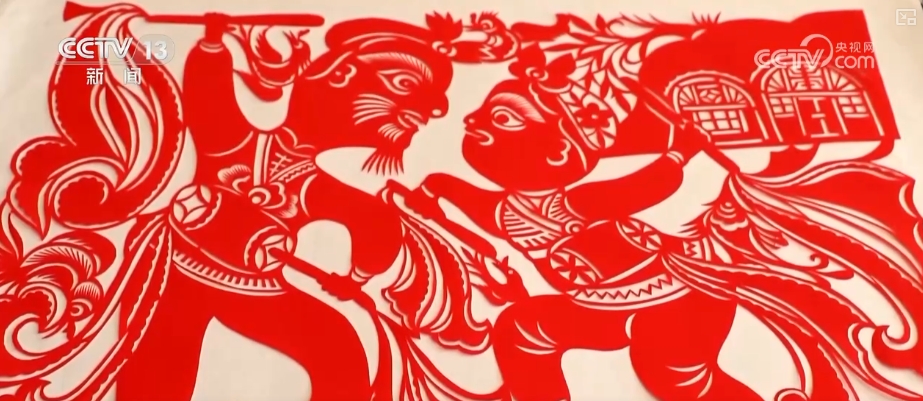
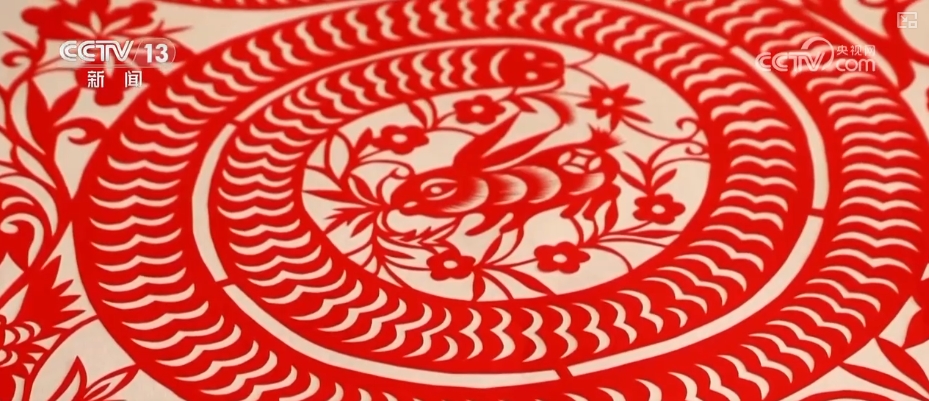
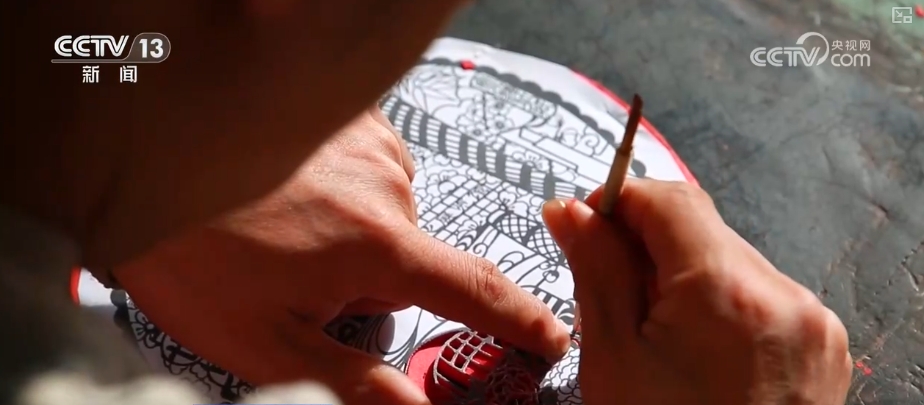
Yu Zeling, the representative inheritor of Ansai paper-cutting intangible cultural heritage, introduced that this is a "Ansai Waist Drum". Every year during the Spring Festival, Ansai has the custom of making waist drums popular, so she cuts out many folk elements. The Year of the Snake is coming soon, and she also cut a picture of "Snake Rabbit". "Snake Rabbit" is the meaning of "Snake Rabbit must be rich" among the people.
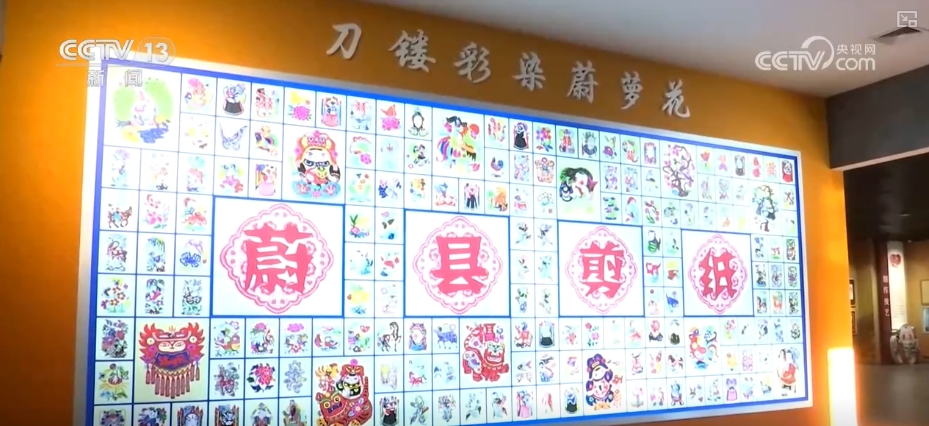
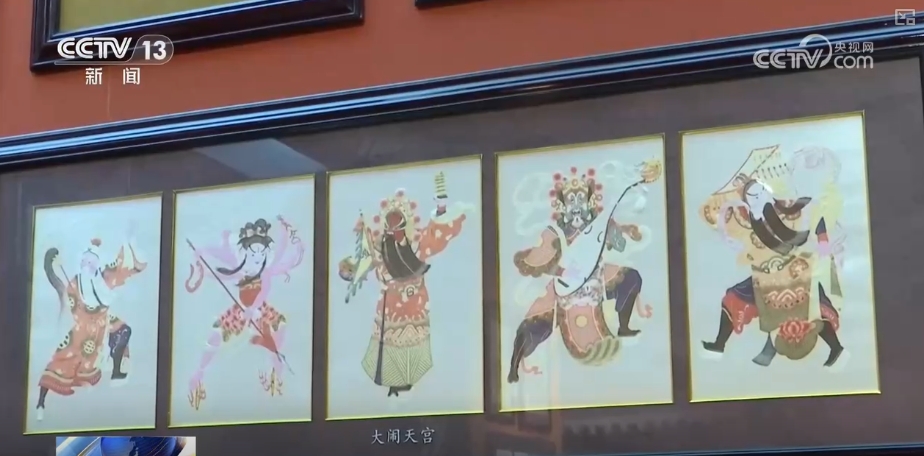
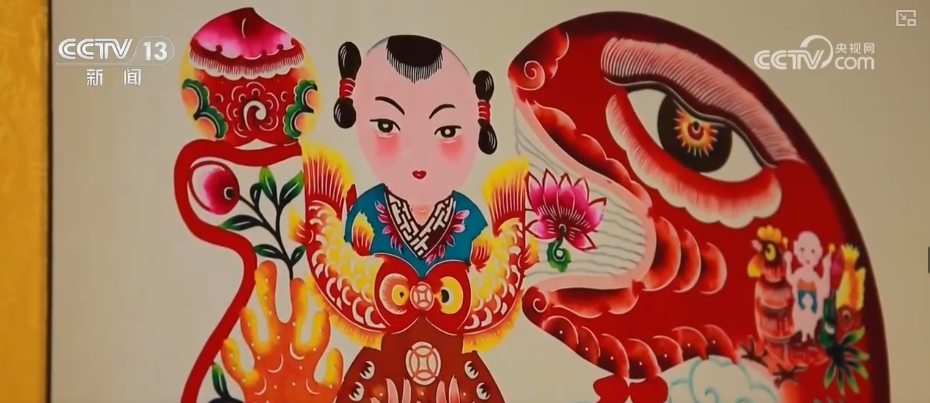
The paper-cutting in Weixian, Hebei, which is rooted in the fertile land of the people, originated in the Ming Dynasty. In the late Qing Dynasty, the reform of paper-cutting tools changed from "cutting" to "carving". After the inheritance and development of generations of artists, it created a unique new school of paper-cutting.
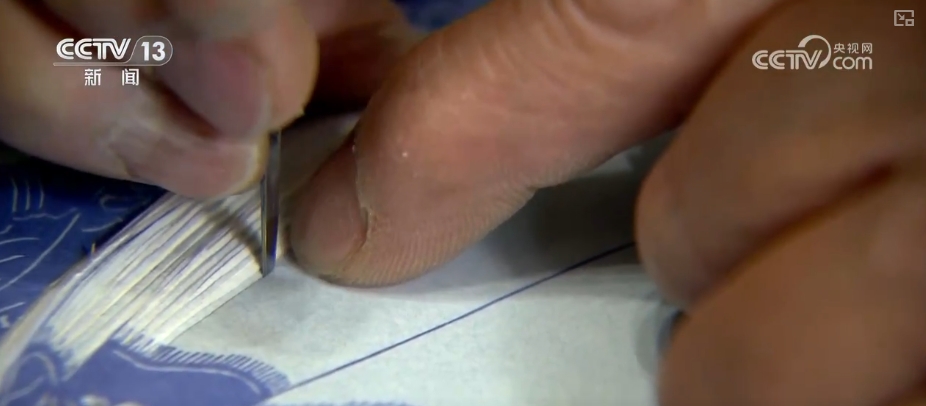
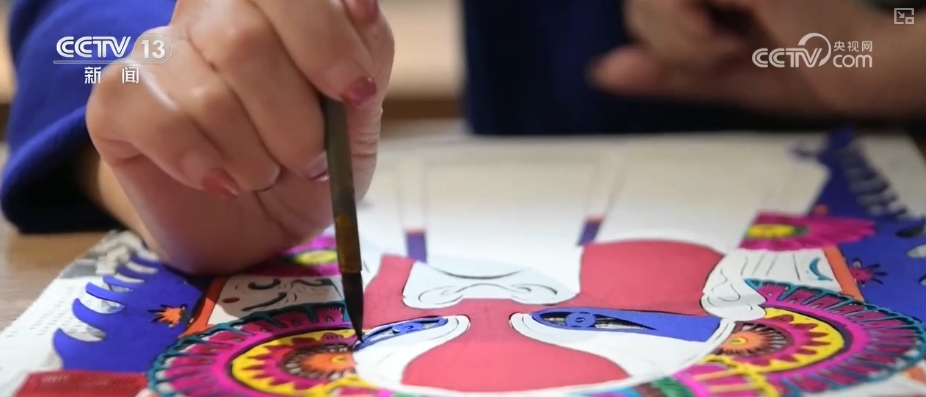
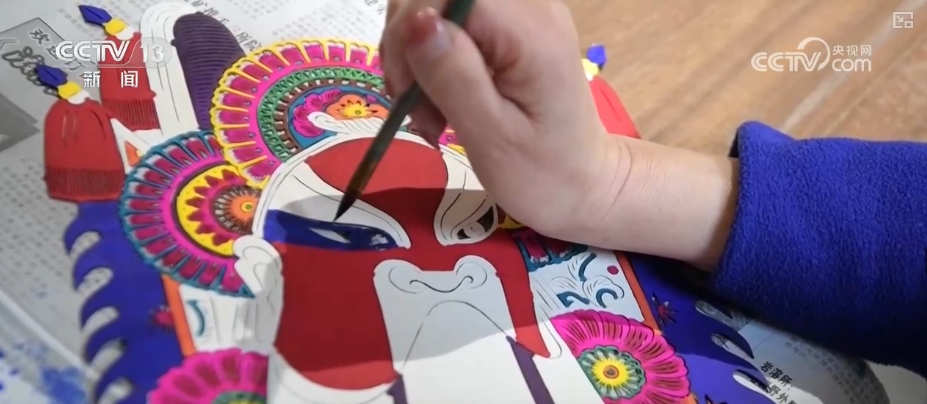
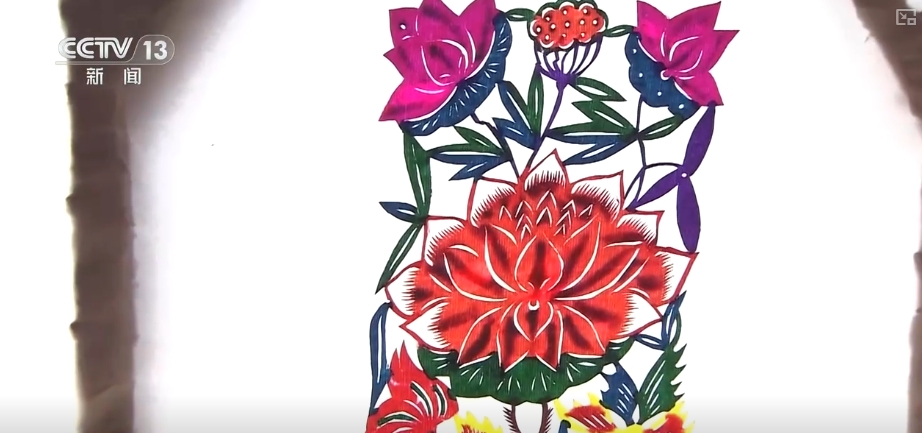
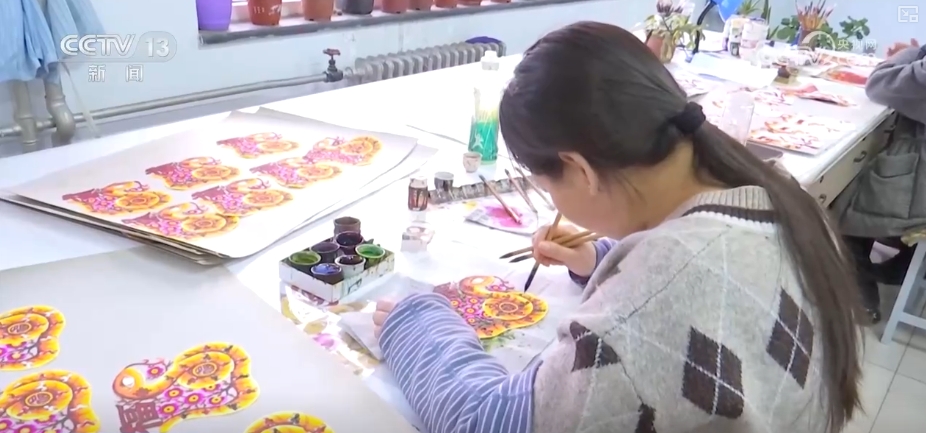
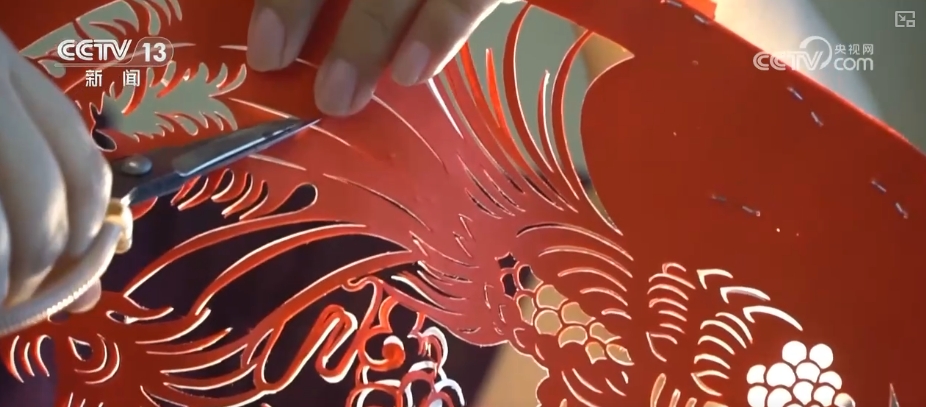
At the beginning of the 20th century, Weixian paper-cutting gradually formed its own unique artistic style in composition, shape and color. It is made of thin rice paper, carved with a small and sharp carving knife, and then dyed bright and gorgeous colors. Its basic production process is: design and shape, fumigation, carving, and dyeing. Its bright colors and strong contrast give people a strong visual impact. In 2009, Weixian paper-cutting was included in the UNESCO "Catalogue of Representative Works of Intangible Cultural Heritage of Humanity".
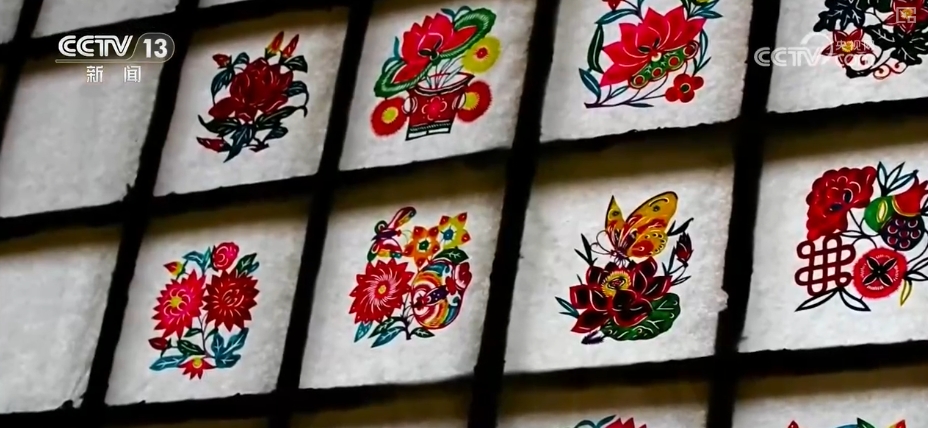
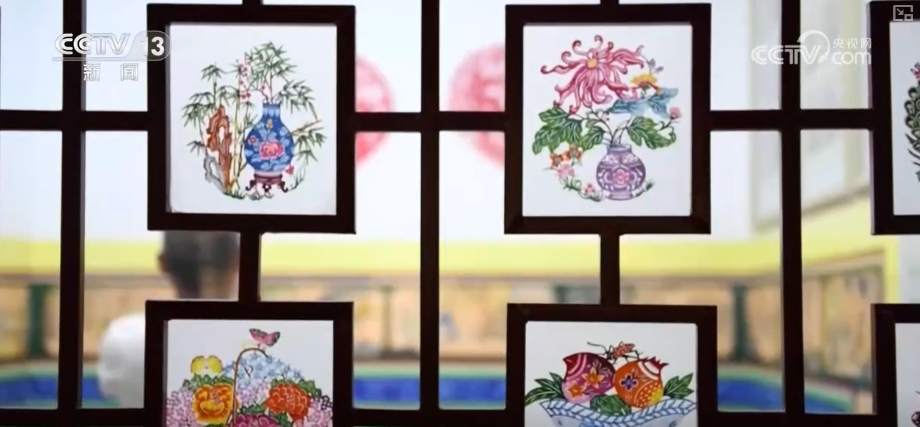
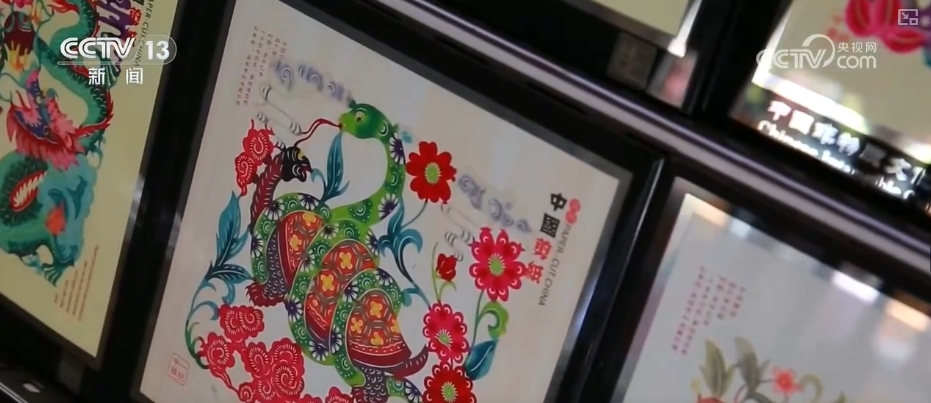
Wuzhou Museum tour guide Zhang Xifeng said that Weixian paper-cutting has continuously absorbed and inherited the advantages of many folk traditional art cultures such as wooden boards, watermark window grilles, embroidery, carving, and ink painting. After hundreds of years of continuous innovation, a fusion-type paper-cutting art has been formed.
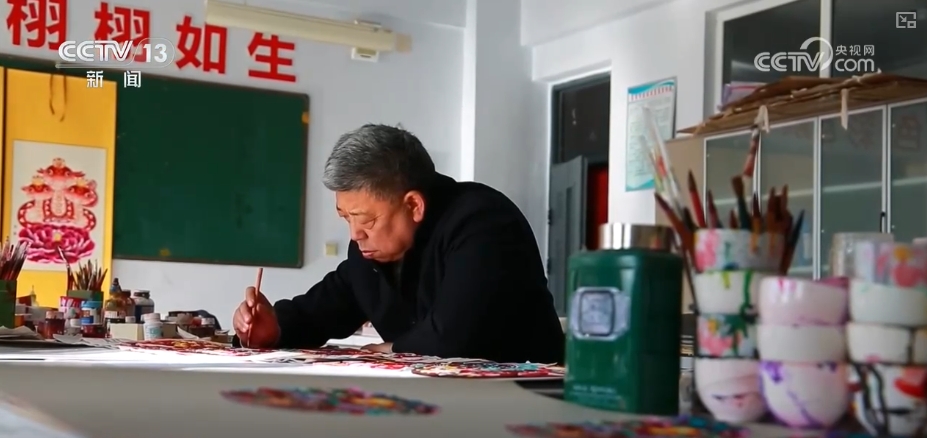
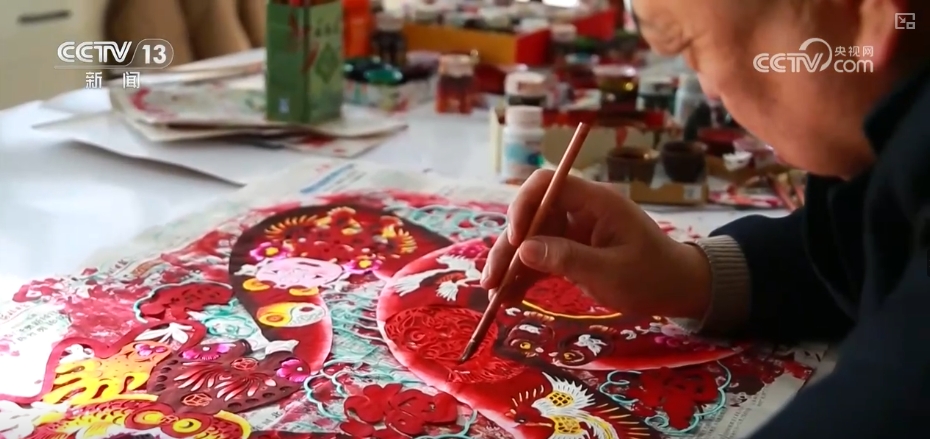
These days, Gao Dianliang, the representative inheritor of Weixian paper-cutting intangible cultural heritage, is busy creating new paper-cutting works for the Year of the Snake in the Lunar New Year. He has been committed to the inheritance, innovation and promotion of paper-cutting skills for more than 50 years.
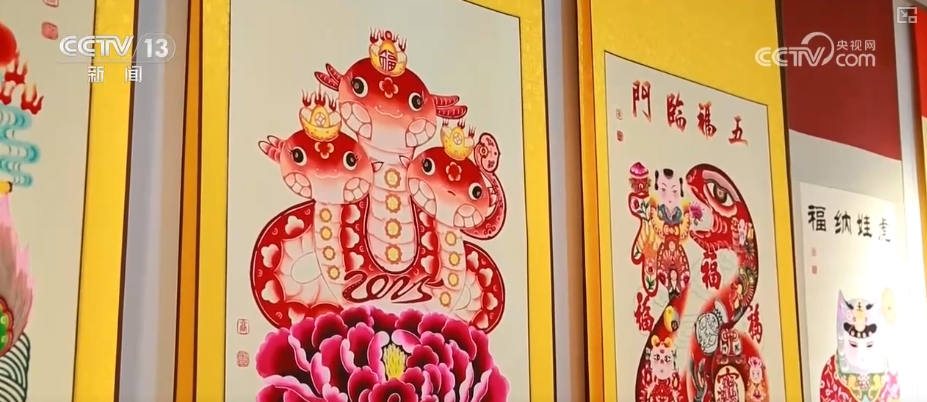
Gao Dianliang, the representative inheritor of Weixian paper-cutting intangible cultural heritage, introduced that now they have made new breakthroughs in color, and it is hand-painted, a technology called "dot color + painting", which is Chinese paper-cutting painting, which breaks through the problem of fading.
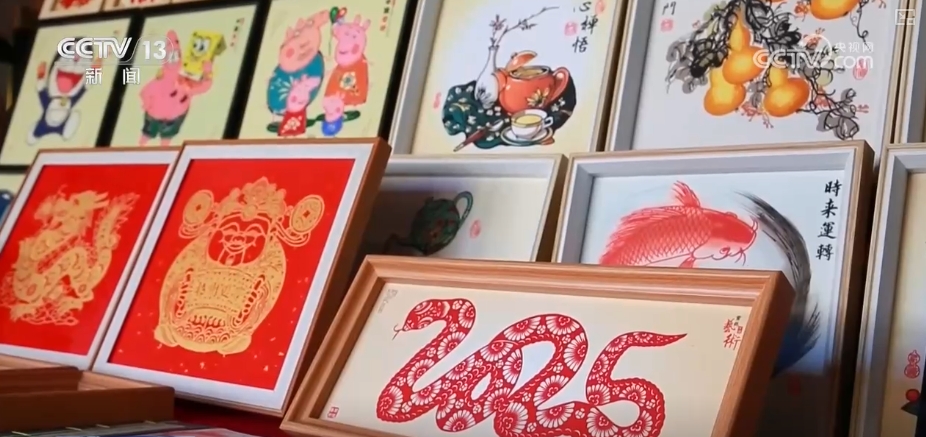
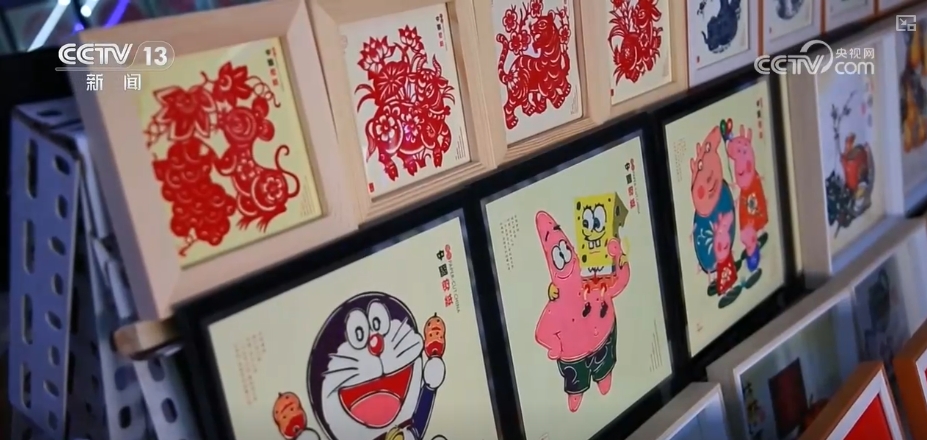
At present, Weixian paper-cutting is sold in more than 100 countries and regions, with more than 6,000 classic types. The county has formed 28 professional paper-cutting villages, more than 1,100 professional paper-cutting households and workshops, 38,000 paper-cutting employees, and about 6 million sets of paper-cutting were produced annually.
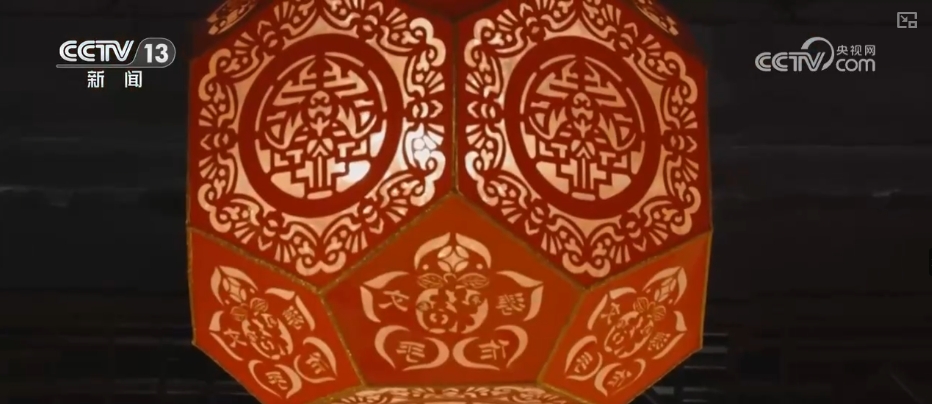
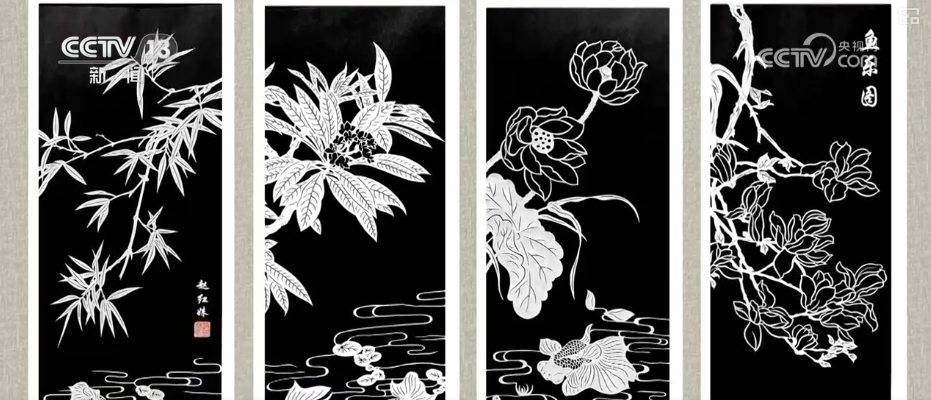
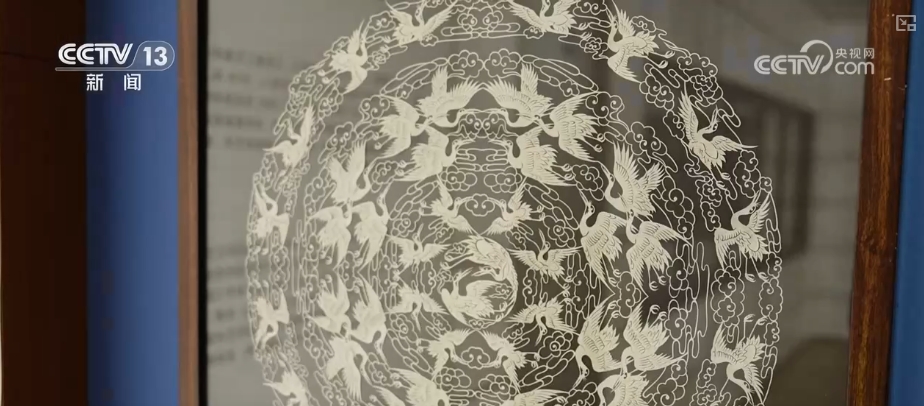
Yangzhou, Jiangsu is one of the earliest popular regions in China. During the Tang and Song dynasties, on the day of the beginning of spring, local people cut paper into spring flowers, spring butterflies, etc., as women's headdresses or decorations, gradually forming the custom of cutting paper to report spring. During the Tang and Song dynasties and even the Ming and Qing dynasties, Yangzhou paper-cutting and Yangzhou embroidery combined to form a unique style of paper-cutting art. In 2006, Yangzhou paper-cutting was included in the first batch of national intangible cultural heritage list.
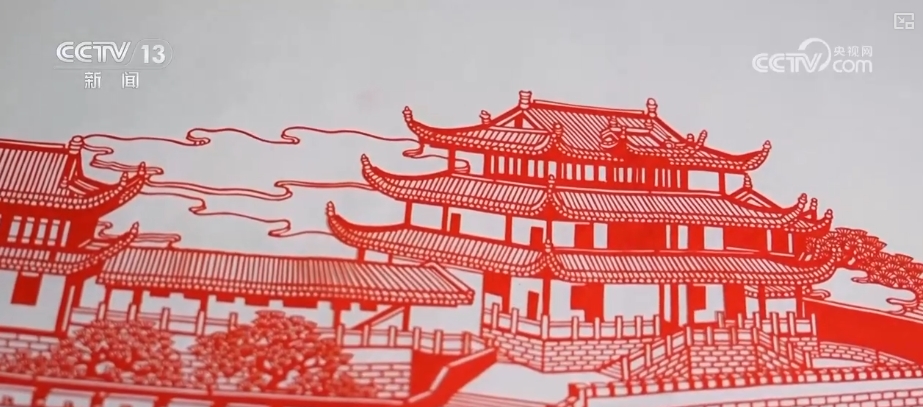
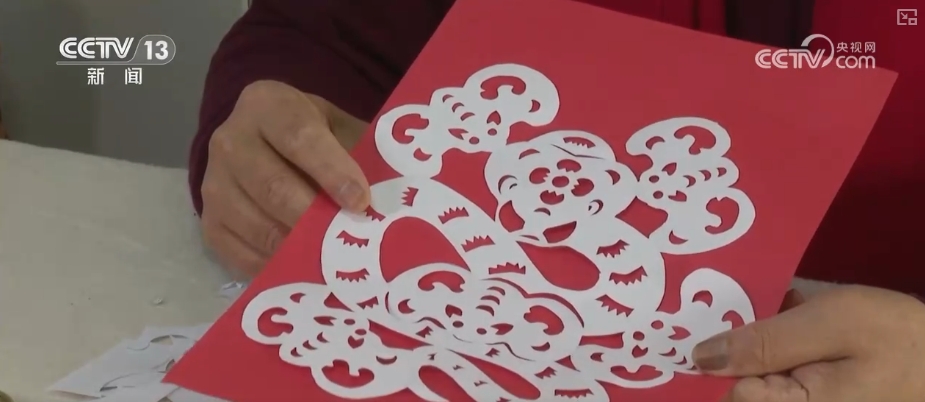
Pang Jiandong, the representative inheritor of Yangzhou paper-cutting municipal intangible cultural heritage, introduced that Yangzhou paper-cutting was the earliest method of cutting patterns, which was to cut various flower patterns with white paper, paste them on shoes or clothes, and embroidered them in this way.
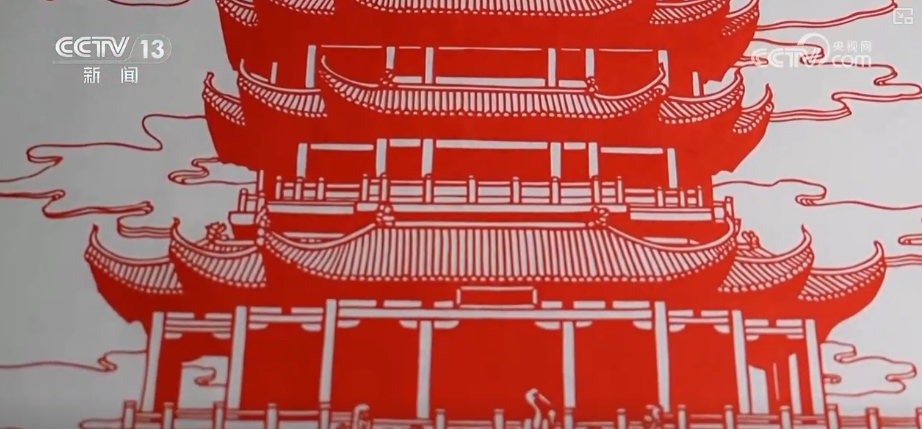
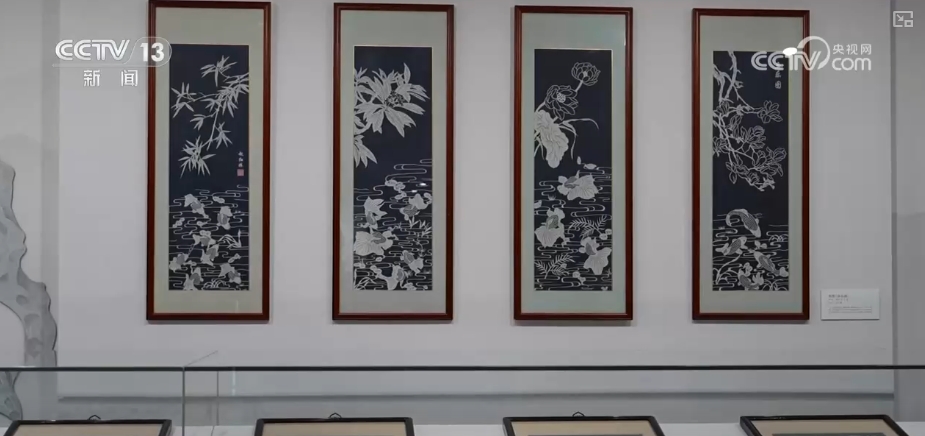
Yangzhou paper-cutting lines are elegant and smooth, the composition is exquisite and elegant, the image is exaggerated and concise, and the techniques are innovative. They are generally based on plain colors. The expression techniques are similar to the techniques of Chinese paintings.
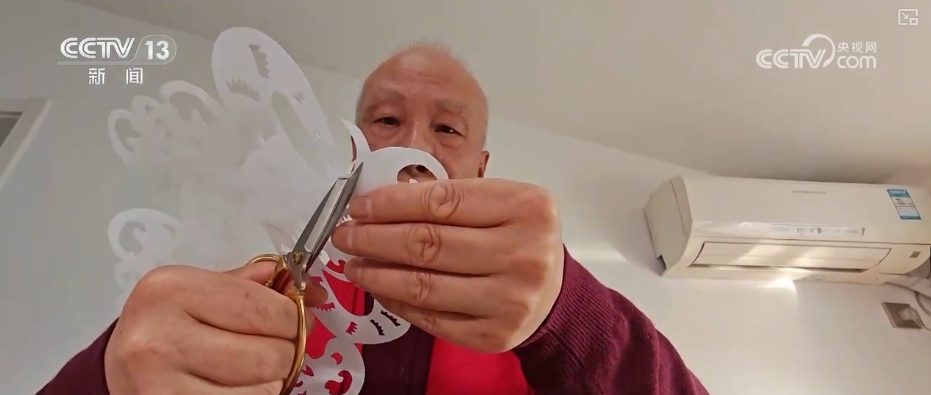
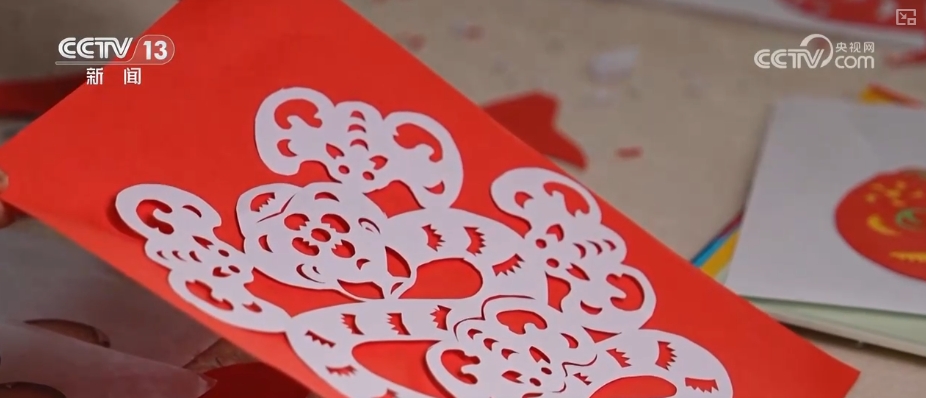
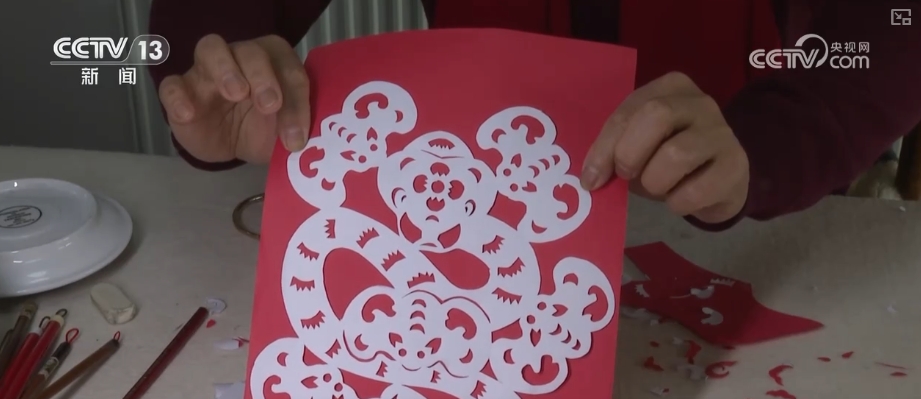
Pang Jiandong introduced that the snake he cut was the "five blessings and spirit snake", which is a combination of longevity, wealth, health, good virtue, and good ending. A snake is distilled in the middle of the word "Fu". I wish the great motherland prosperity and strength, and I wish the people happiness and health.