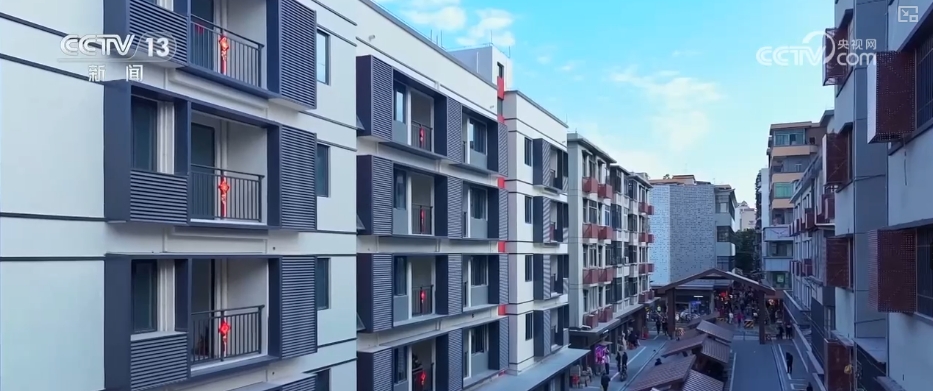
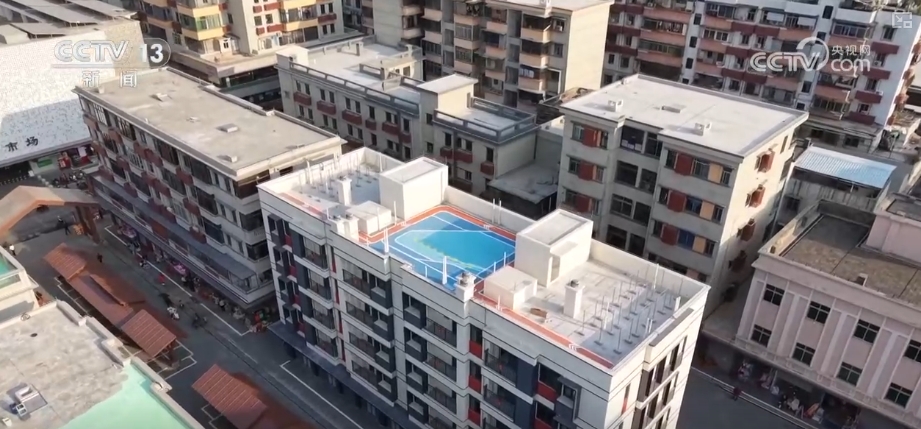
CCTV News: Recently, the first dilapidated and old house renovation project in Guangdong Province, No. 2, Xinhua Street, Huadu District, Guangzhou, officially completed the acceptance and successfully handed over the house and certificate. From the demolition and reconstruction of the old house to the completion, it took about 9 months, and the owners ushered in a brand new home.
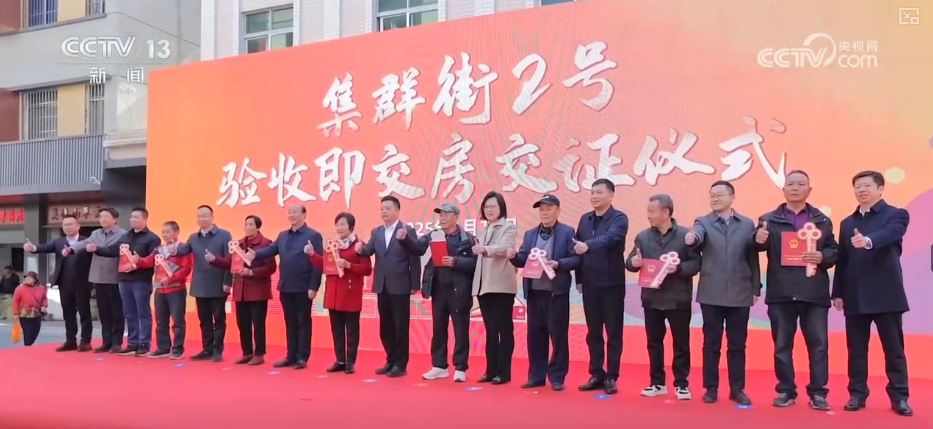
On January 11, at the new house delivery ceremony, eight owner representatives received the new house key and real estate certificate.
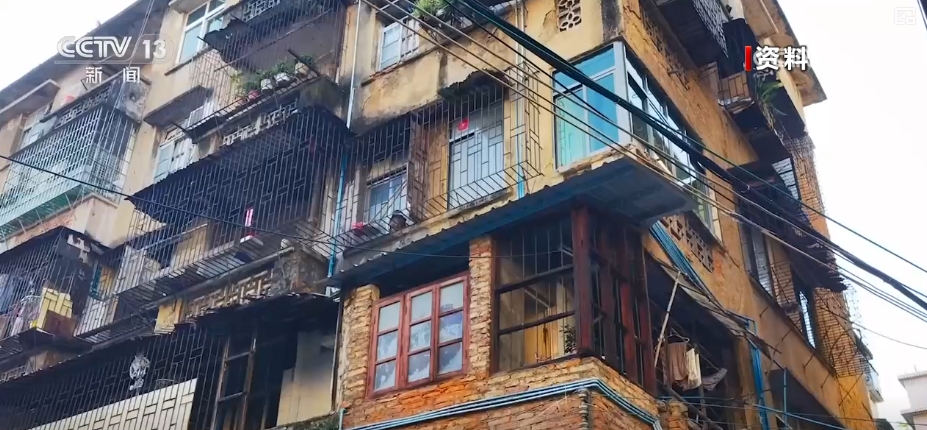
Built 2, Cluster Street, was built in the 1970s. Over time, the structure of the house gradually ages and the facilities are also seriously lagging behind. Due to various safety hazards and inconvenience in housing, the building was identified as a Class D dilapidated house.
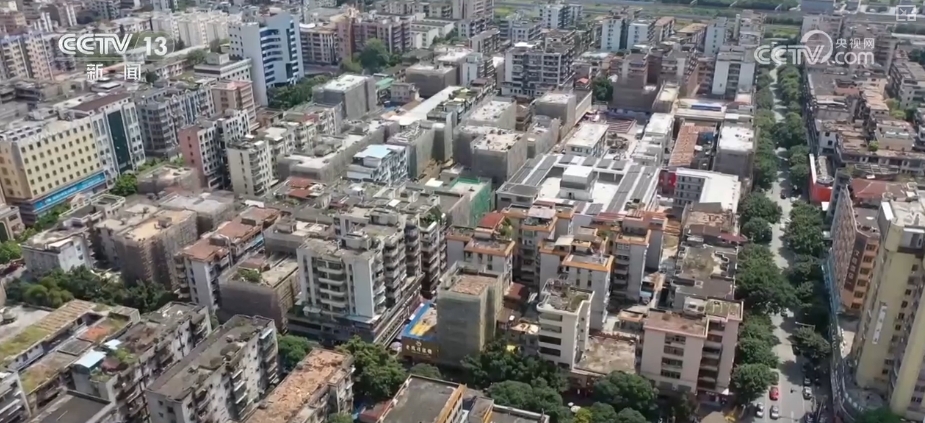
Traditional micro-renovation can no longer solve the fundamental problem of the house, but due to the small plot area and low development profit, the developer has little intention for reconstruction projects.
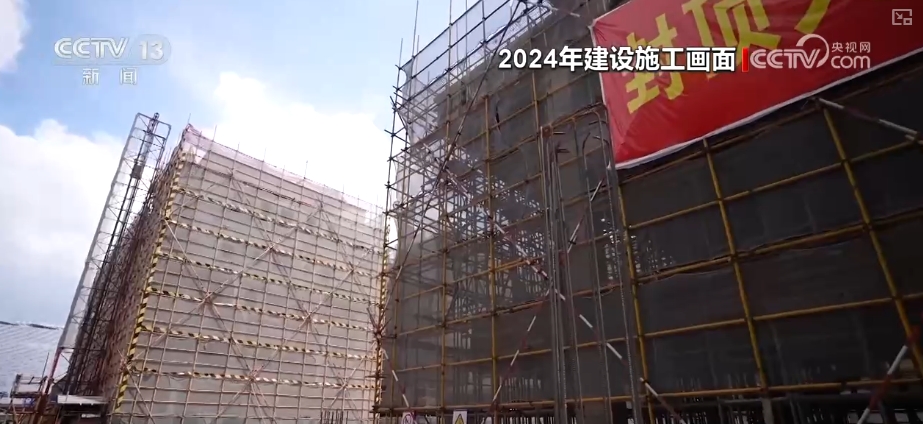
Under this background, the government functional departments put forward the transformation idea of "demolition of original construction and addition of public services". In accordance with the principle of "who benefits, who contributes", guide residents to bear the main transformation costs and jointly explore the "self-financing and self-construction" model.
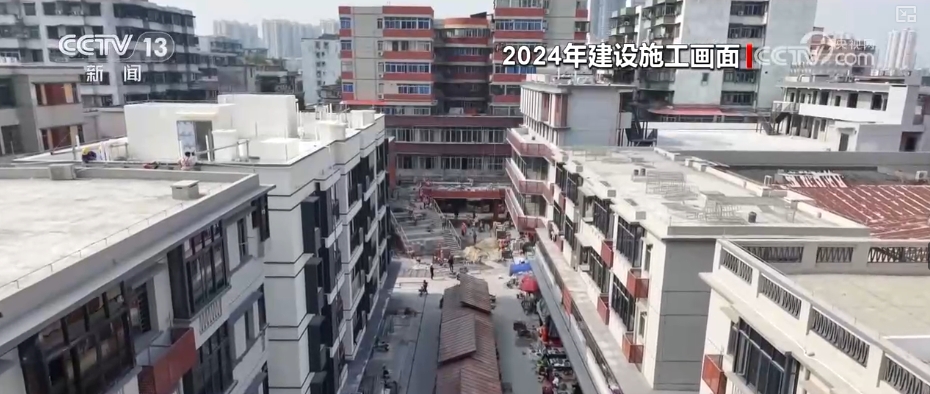
Jiang Zhibing, director of Xinhua Street Office, Huadu District People's Government, introduced that not only the structure is aging, but the apartment design is also aging. During the reconstruction process, the design of the house is also re-optimized, and a structure inside the house, including public infrastructure, is re-configured.
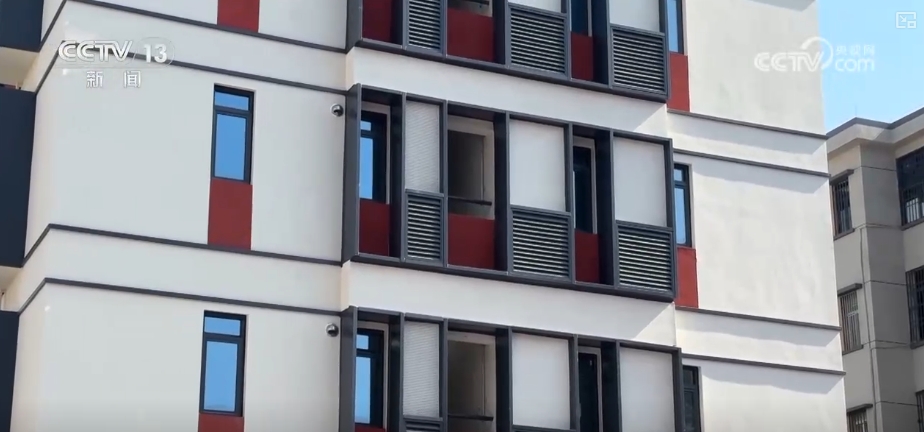
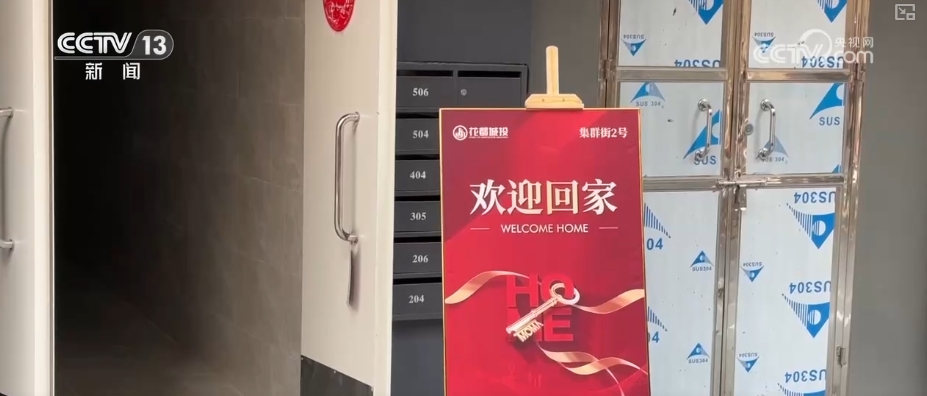
The total investment of the project is about 8 million yuan, and residents share the expenses according to the standard of 4,600 yuan per square meter, and make detailed adjustments based on the different floors and areas. On the premise of ensuring safety and compliance, the area of some public facilities and living space has been increased, the overall living quality of the new building has been improved, and the inconvenience and inadequacies of the original house have been improved.
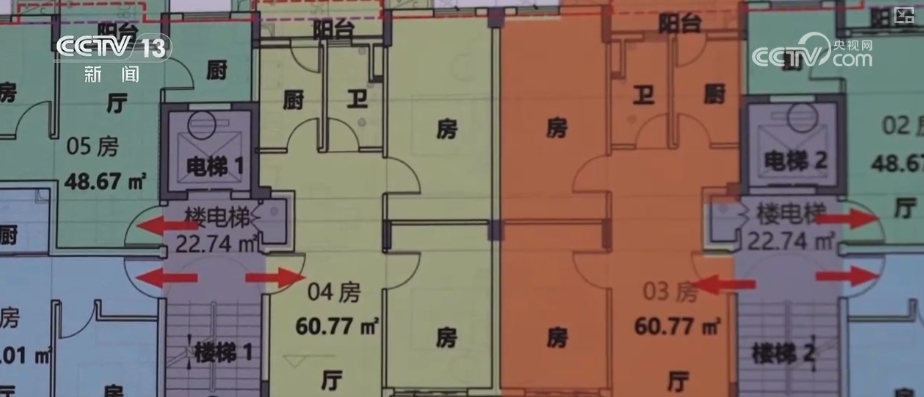
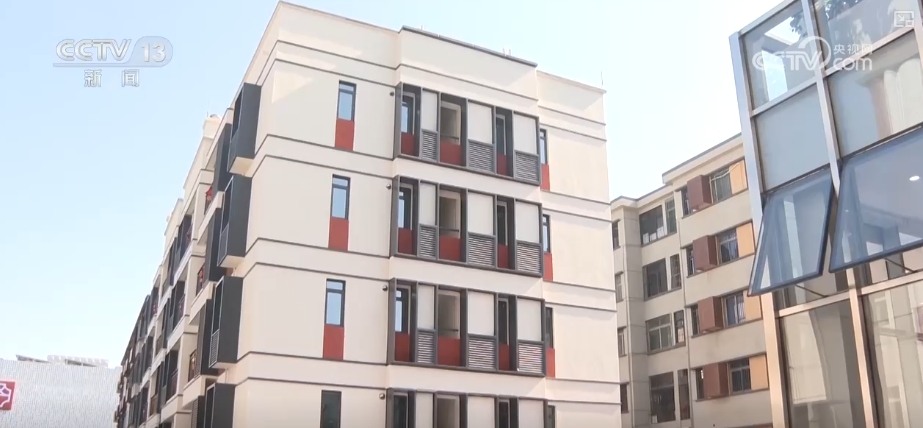
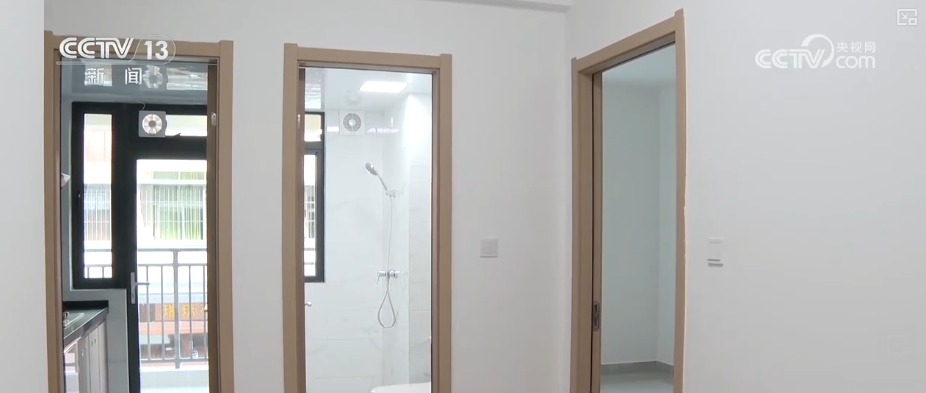
Li Wenwei, director of the Huadu District Branch of the Guangzhou Municipal Planning and Natural Resources Bureau, introduced that the area of the kitchen and bathroom was appropriately increased, and an elevator was also installed for it, so that the area obtained was actually increased compared to the original one. Opening up a new path for the renovation of old communities
As the first case of "self-financing and self-built" dilapidated house renovation in Guangdong Province, this attempt to avoid the social costs of large-scale demolition, and improve the living environment while protecting the interests of residents. The government has also ensured the security and transparency of funds by setting up special fund accounts and simplifying approval procedures.
Li Wenwei introduced that they have made great improvements in the land transfer fee and plan approval and the improvement of this original public supporting facilities. The completion acceptance means that the real estate certificate is processed at the same time, and it is also accompanied by the innovation of the system, so these can be realized.
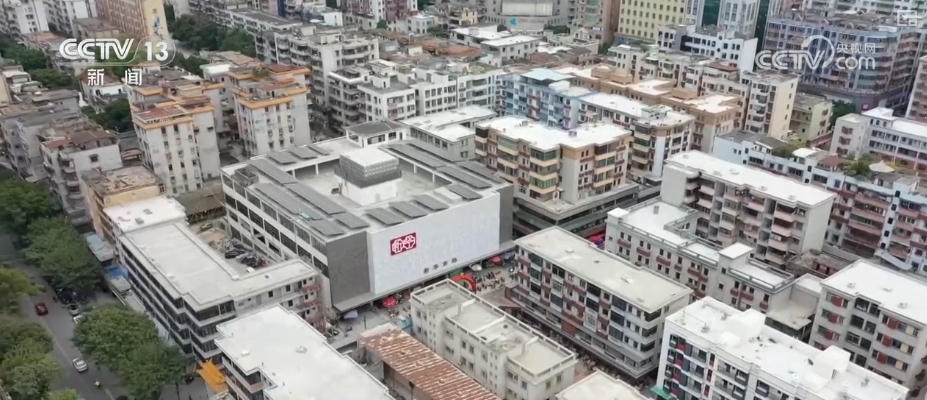
Recently, Guangzhou announced the "Guangzhou Old Town Renovation Implementation Rules", proposing to encourage house owners to invest as the renovation entity to independently transform.
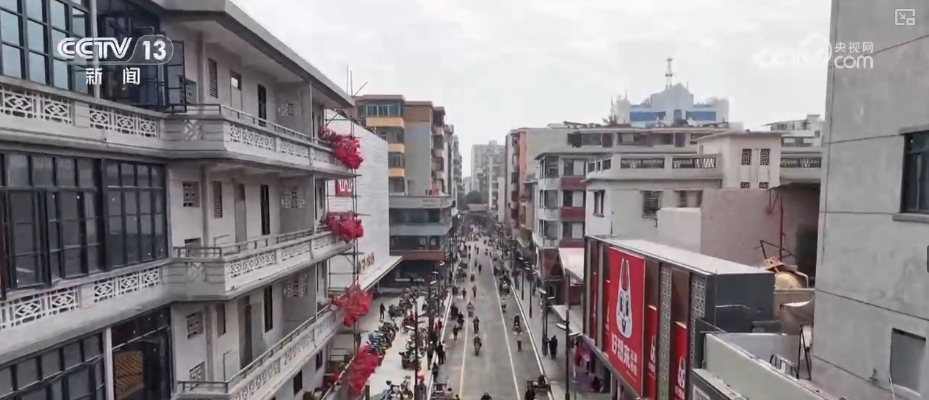
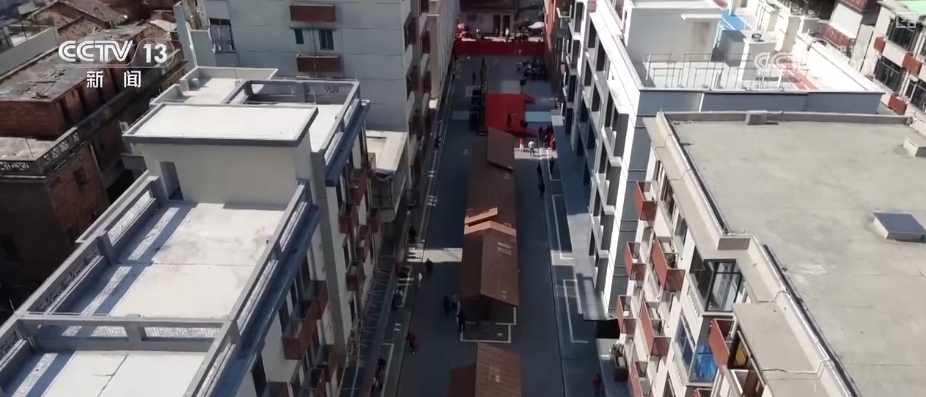
There are a large number of old communities built in the 1970s and 1980s. The experience of Cluster Street provides reference for the renovation of these areas. Residents can solve the transformation problem through joint investment, and can also improve the transformation efficiency, so that urban renewal can promote urban development while protecting the interests of residents.
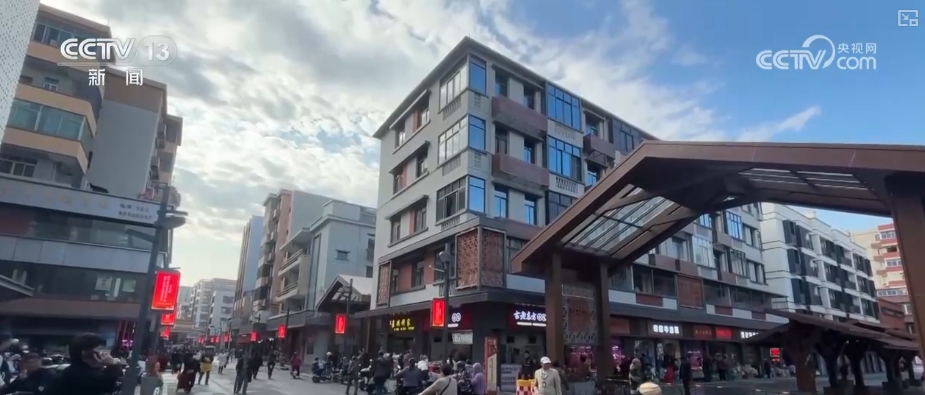
Jiang Qi, director of the Housing and Urban-Rural Development Bureau of Huadu District, Guangzhou, introduced that the government has built a platform to adopt the self-financing and self-construction method. On the one hand, it solves the problem of "eliminating danger" of old and old housing in the old urban area, and on the other hand, it can drive social investment and residents' consumption. This is a beneficial complement to sustainable urban organic renewal model.
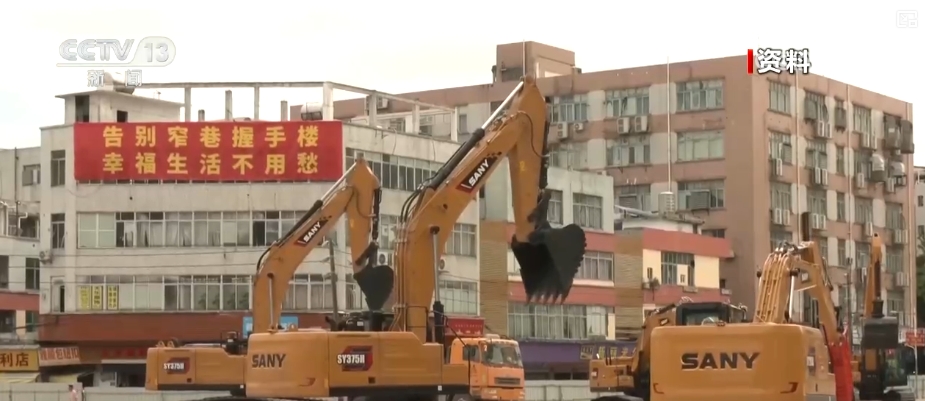
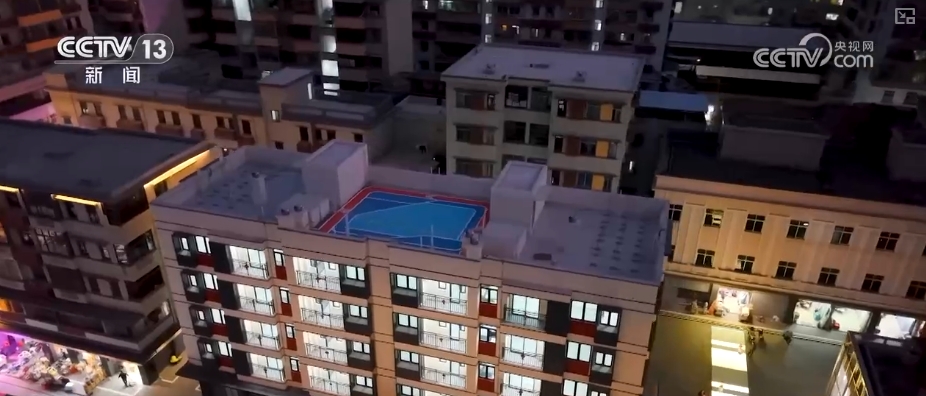
Li Yujia, chief researcher of the Housing Policy Research Center of Guangdong Provincial Urban and Rural Planning Institute, introduced that from the current perspective, many houses in the last century cannot meet the people's demands for a better living, and everyone has the intention to transform. Guangzhou has written "self-demolition and self-construction" as a transformation model into the government's transformation regulations. In this process, the government's positioning is to provide policy planning support during the transformation process and organize resources from all parties, which can stimulate owners' enthusiasm for participating in the transformation and reduce the cost and links of transformation.