
CCTV News: China has introduced a new 240-hour transit visa-free policy, which will be one month on January 17. Various places have introduced a number of new measures to improve reception capabilities and better serve foreign tourists.
Strengthen foreign language training and provide professional customs clearance services

In order to cope with the increase in foreign tourists, the Hunan Border Inspection General Station strengthens the training of staff's foreign language listening and speaking ability and provides professional customs clearance services for foreign tourists.
Zhangjiajie, Hunan is a popular tourist destination for inbound tourism. In order to create a good city image, Zhangjiajie has achieved full coverage of Chinese, English and Korean signs in 37 scenic spots across the city, and has compiled the "Zhangjiajie Travel Guide" and multilingual tourism promotion materials to provide assistance to tourists for free travel.
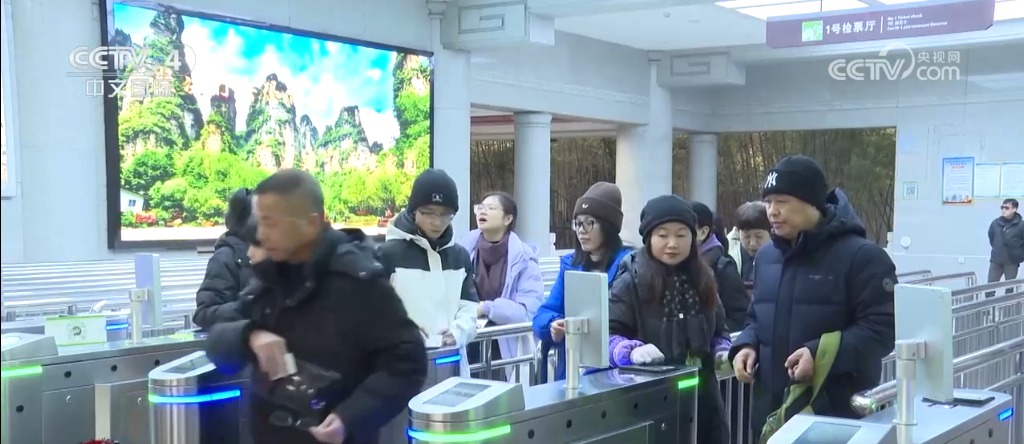
In addition, merchants in scenic spots have also set off a learning boom, and many merchants have taken the initiative to learn foreign languages and improve their communication skills with foreign tourists.
The foreign entry registration card self-service terminal is newly launched
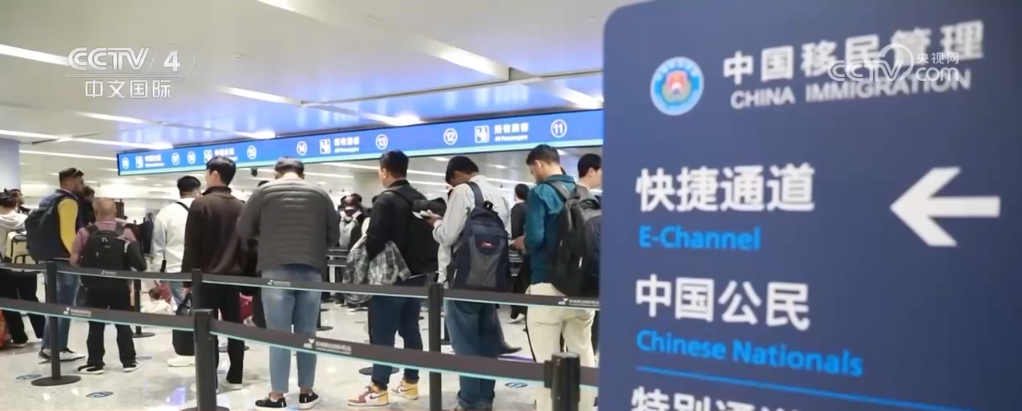
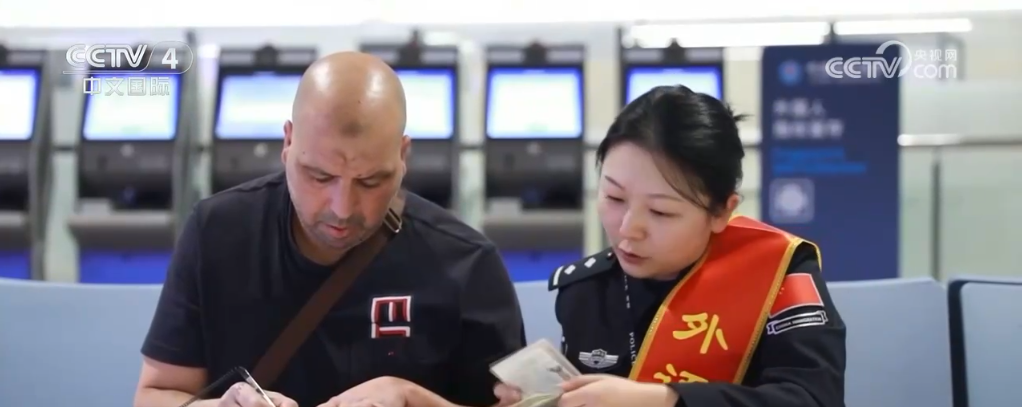
The Zhejiang Hangzhou Entry and Exit Border Inspection Station officially launched the foreign entry registration card self-service terminal on the 16th. Many foreign travelers, under the guidance of staff, fill in their entry registration cards with machines or mobile phones for the first time. At present, the self-service registration terminal for foreigners’ entry registration card supports filling in seven languages including English, Japanese, German and French.
Allow cross-regional access to promote new development of all-regional tourism
Allow cross-regional access to promote new development of all-regional tourism
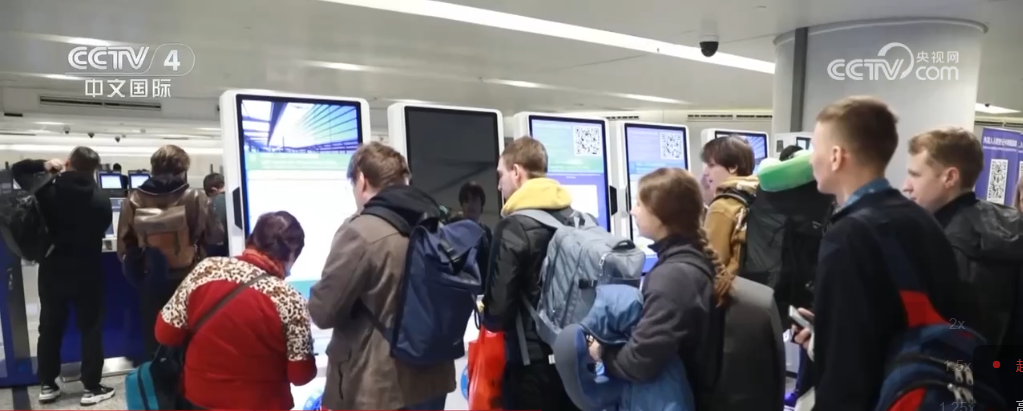
The 240-hour transit visa-free policy allows visa-free entry to China at any of the 60 open ports in 24 provinces (autonomous regions and municipalities) in China, and allows cross-regional access. In this regard, experts said that allowing visa-free tourists to pass across regions can enhance exchanges and cooperation among regions, jointly develop cross-regional tourism routes and products, so that areas with rich tourism resources but fewer international tourists can gain more development opportunities, narrow the regional development gap, and achieve balanced development of all-region tourism.