CCTV News: The urban environment is constantly renewing, and many new forms of consumption are becoming popular in the city. A pop-up store is a short-term store that refers to a temporary shop set up by merchants in areas with high traffic, which is used to promote brands and sell products to retailers. Compared with traditional stores or online sales channels, the pop-up store model can efficiently cover people in multiple cities and multiple scenarios at lower costs. What do pop-up stores sell? What is unique about pop-up stores attracting consumers?
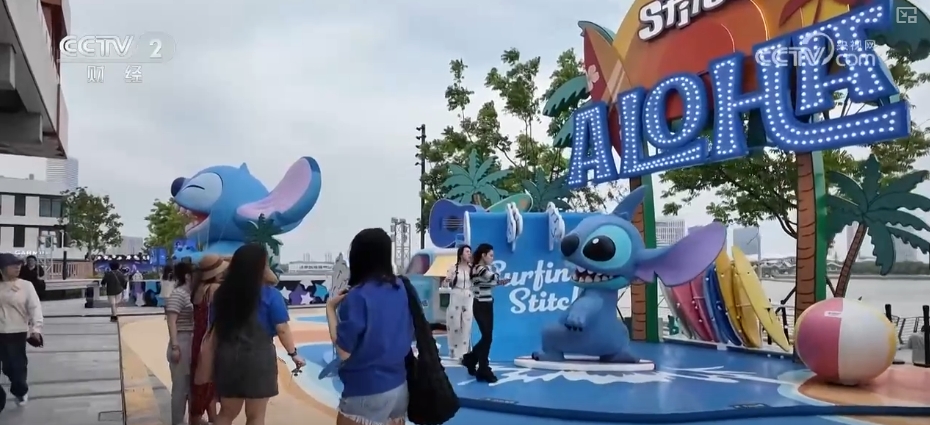
The giant device more than 6 meters high, coupled with the exclusive limited peripherals, this May, the cute cartoon image by the Huangpu River became the "top stream". The event lasted only more than 40 days, but it attracted thousands of people to take photos and check in every day. On average, there are 2 to 3 such flash events every 40 days in Xuhui, Shanghai.
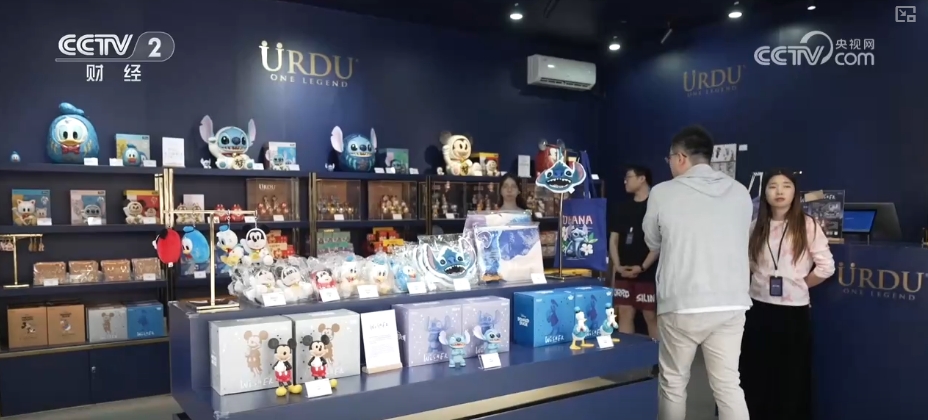
Theme flash complements the industrial remains on the Huangpu River. At the West Coast Dream Center of Xuhui, Shanghai, many of the blind boxes and dolls sold in pop-up stores are limited editions, and they are sold out after a short time of sale.
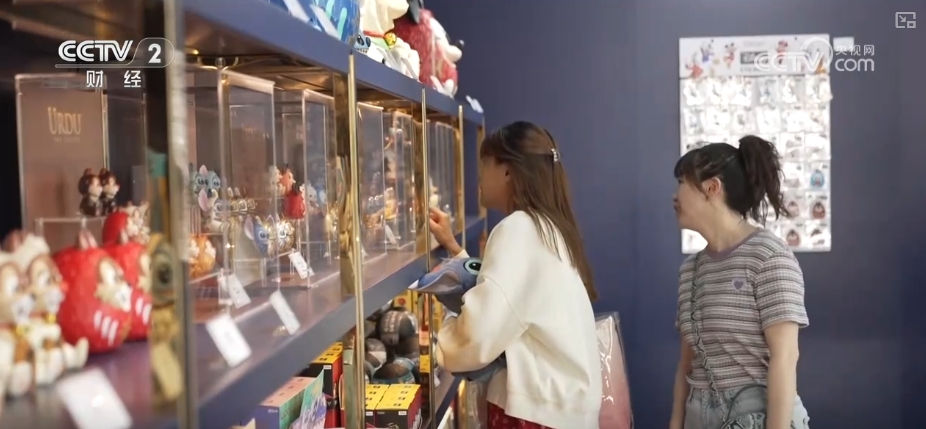
The limited-time experience and limited-time release of pop-up stores "missed" has created the scarcity of products. In addition, pop-up stores also arouse emotions and circle resonance among consumers through immersive scenes. What consumers experience is not only shopping once, but also watching an exhibition and conducting offline social interaction.
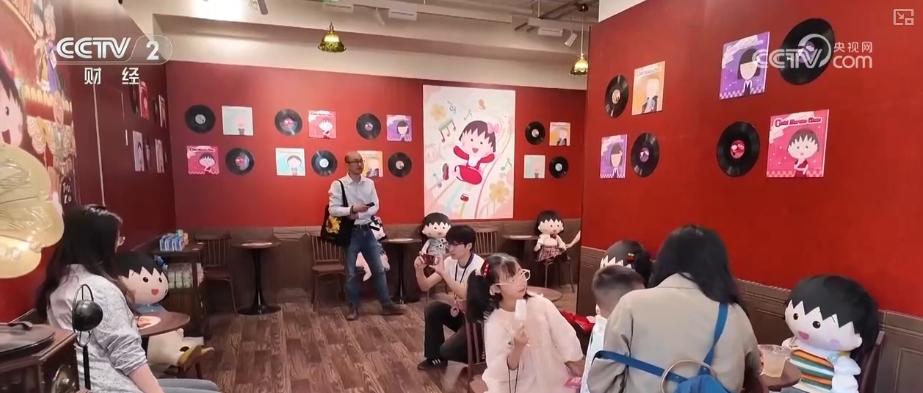
This pop-up store in Shikumen, Shanghai, has integrated animation classic scenes with Shanghai local culture through more than 200 limited peripheral and immersive market experiences, integrating classic animation scenes with Shanghai local culture, and the passenger flow on the first day of May Day exceeded 30,000. Pop-up stores attract physical blocks to add vitality to offline consumption
From thematic IP to art installations, pop-up stores sell not only goods, but also a limited-time sensory feast. Today, pop-up stores have entered the blocks and open spaces. Why do many brands prefer flash? How do physical blocks use pop-up stores to shape the block ecology?
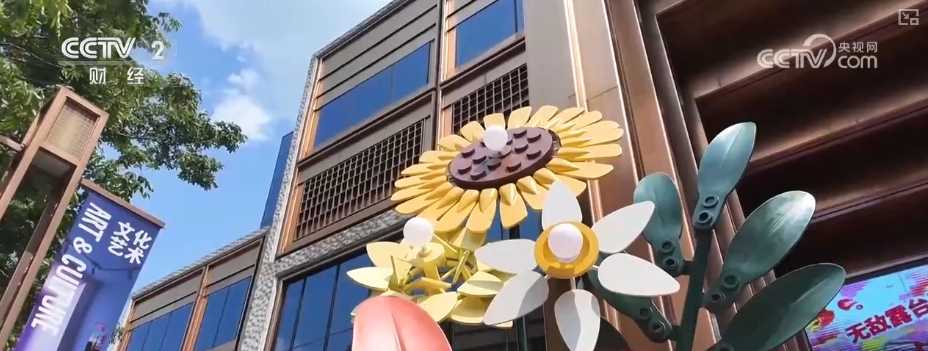
The mall has transformed into a limited-time giant garden, with thousands of toy plants blooming everywhere in the mall. Consumers take photos and check in and interact with each other, driving new product sales to a new high.
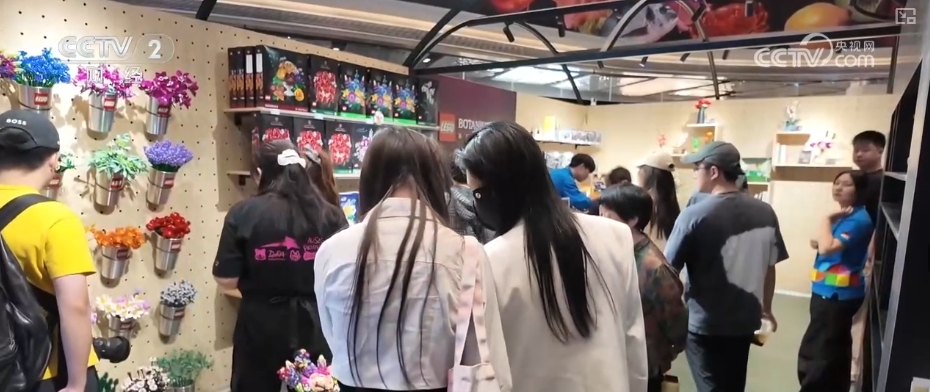
Wu Yiping, director of the Marketing Activities Department of Shanghai Bund Financial Center, introduced that the period of flash events can double the passenger flow compared to the weekdays, and these activities also increase the length of stay in the mall for longer. They may also need to eat and roam, and also have other consumption to achieve better consumption conversion.
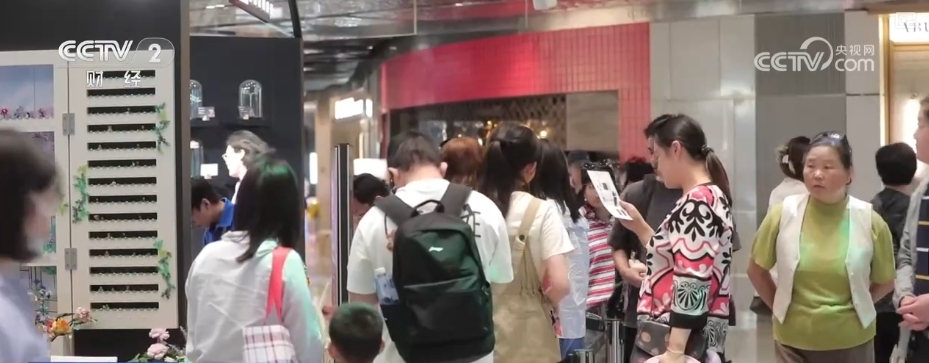
Through flash brands, you can increase exposure, expand the market and test the waters for the first launch of new products, and shopping malls and physical business districts can also quickly gather popularity. In addition to being in shopping malls, flashing is also very common in blocks in Shanghai today.
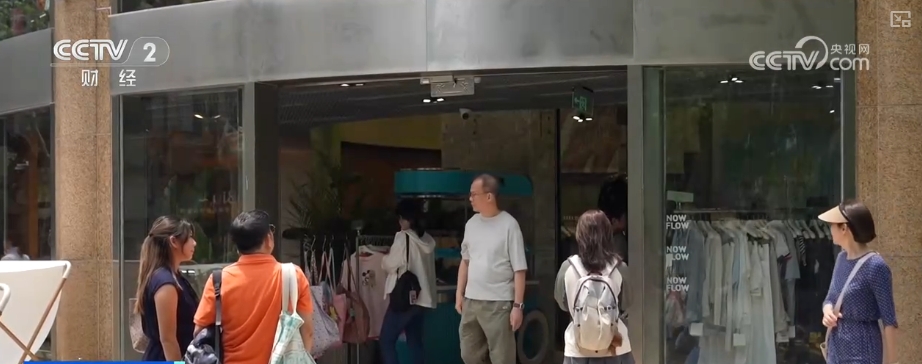
Wukang Road and Anfu Road are two connected blocks with a total length of 1,500 meters. They are one of the very popular "billion yuan blocks" in Shanghai. There are no large commercial buildings here, only about 180 shops along the street, but they bring in tax revenues of over 100 million yuan per year. In the first quarter of 2025, more than 10 flash events have been held here, attracting an average of 30,000 to 40,000 people per day.