
At present, the "Snow Dragon 2" ship is returning to China. Previously, China's 41st Antarctic expedition team conducted its first autumn and winter voyage in the Ross Sea.
In the South Pole, all things have spirits. The most common and coldest ice can also tell a story of ten thousand years. The scientific expedition team members conducted special research on sea ice.
CCTV reporter Wang Nan: This is the "Xuelong 2" polar scientific research icebreaker. In late March this year, after completing the supply in New Zealand, we returned to the Ross Sea area of the Antarctic. All the way from north to south, as the temperature changes, we see different sea ice on the sea surface. When we arrive at Ross Haitranova Bay near 75 degrees south latitude, there is only a vast ice field. Although they are all sea ice, sea ice also contains many magical "passwords".
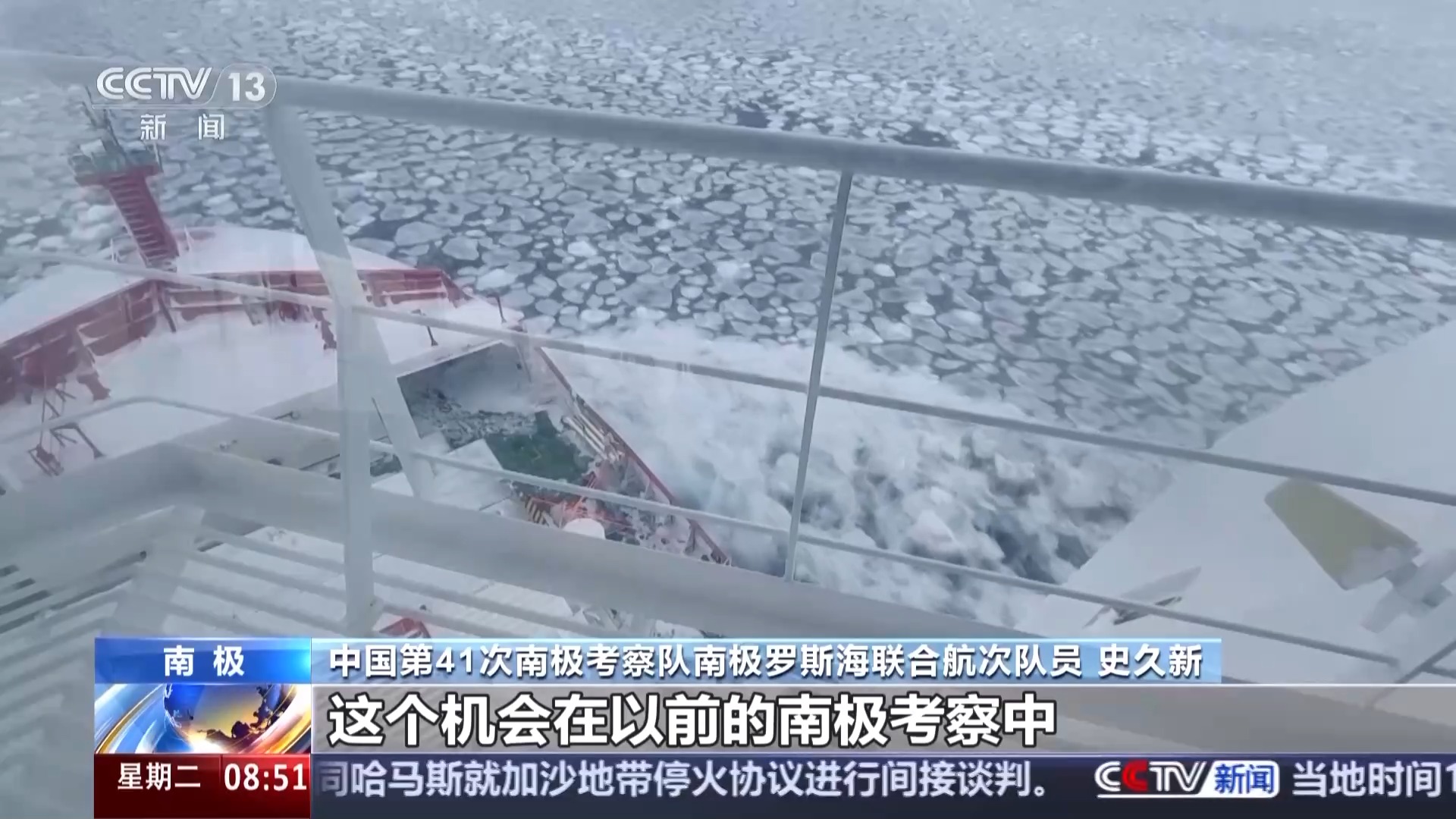
China's 41st Antarctic Expedition Team Antarctic Ross Sea United Voyage Shi Jiuxin: In the autumn voyage, we go from north to south and can experience the entire formation of sea ice. This opportunity is difficult to encounter in previous Antarctic expeditions. This is even earlier. It is like some flocculating ice crystals. After many ice crystals float on the sea surface, the above part should be fatty ice. This is Nile Ice, and this situation is actually very rare. This is the relatively standard lotus leaf ice, which is a bit like the nan of Xinjiang. Its edges collided with each other and became thicker after it broke. In fact, Antarctic is dominated by one year of ice, while in the Arctic it is dominated by years of ice.
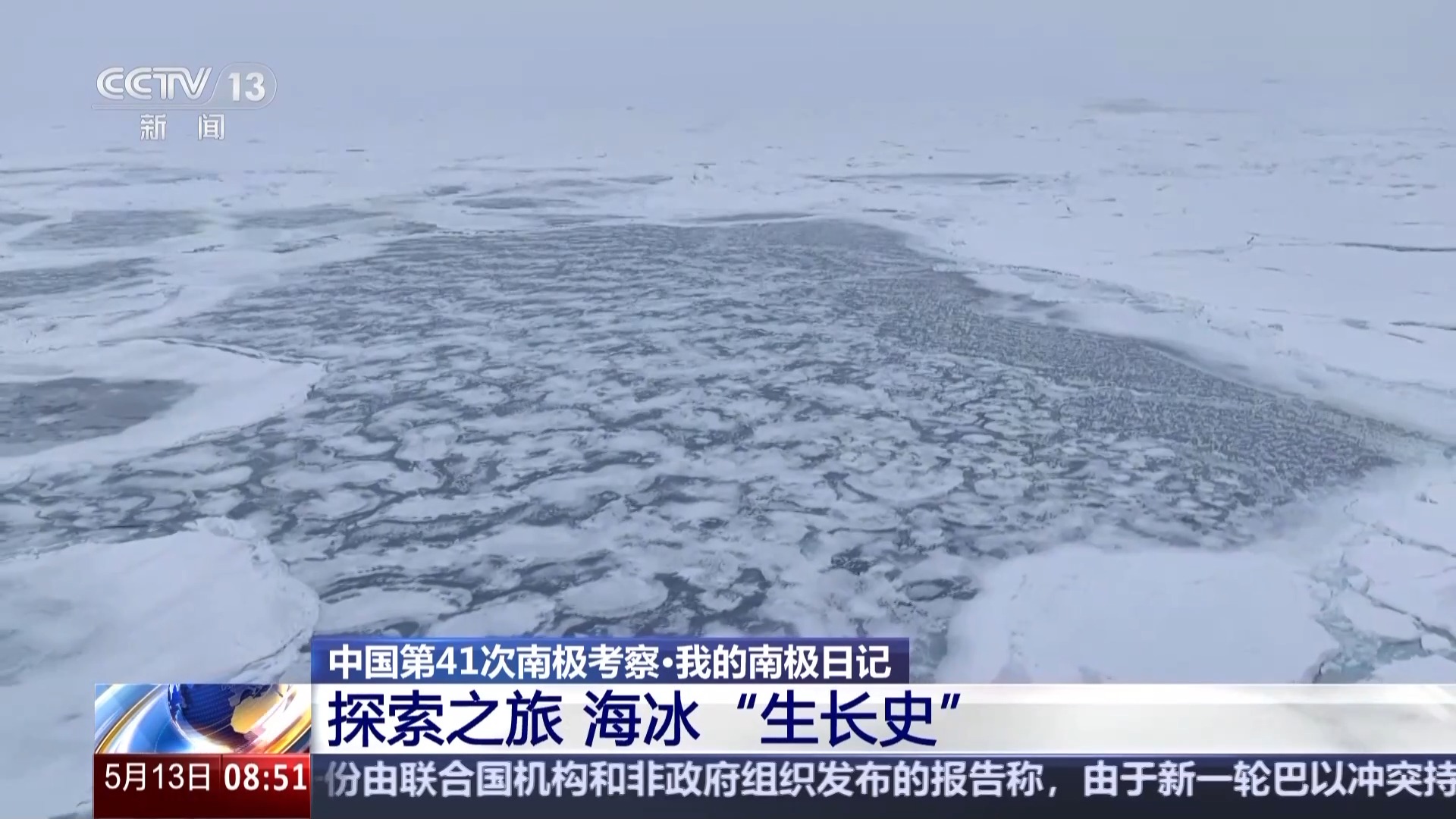
Whether Antarctic or Arctic, sea ice plays an important role in the ocean's heat absorption. White sea ice can reflect almost all sunlight, while gray ice with a certain degree of transparency means that sunlight can penetrate sea ice. Although sea ice in the Arctic and South Pole is currently decreasing, in contrast, Arctic sea ice has responded more to climate change. In recent years, nearly half of the Arctic Ocean has become ice-free in summer.
Exploration Journey: Results in marine biology and other aspects have begun to emerge
After more than a month of autumn inspections in the Southern Ocean, the members of the 41st Antarctic Expedition Team of China's Antarctic Ross Sea Joint Voyage delivered a preliminary result, and they have made many new discoveries in marine biology and marine chemistry.
He Jianfeng, deputy leader and chief scientist of the 41st Antarctic Expedition Team in China: The design has a total of 18 preferred positions, but if we do it, we have made a total of 24 positions. It is distributed in three areas, first of which is the shallow area, here is the Bingjian Lake area, and the R1 section is our traditional survey section. There is also an outlet area for the bottom water, which is also an area with very rich krill resources. This inspection was better than expected.
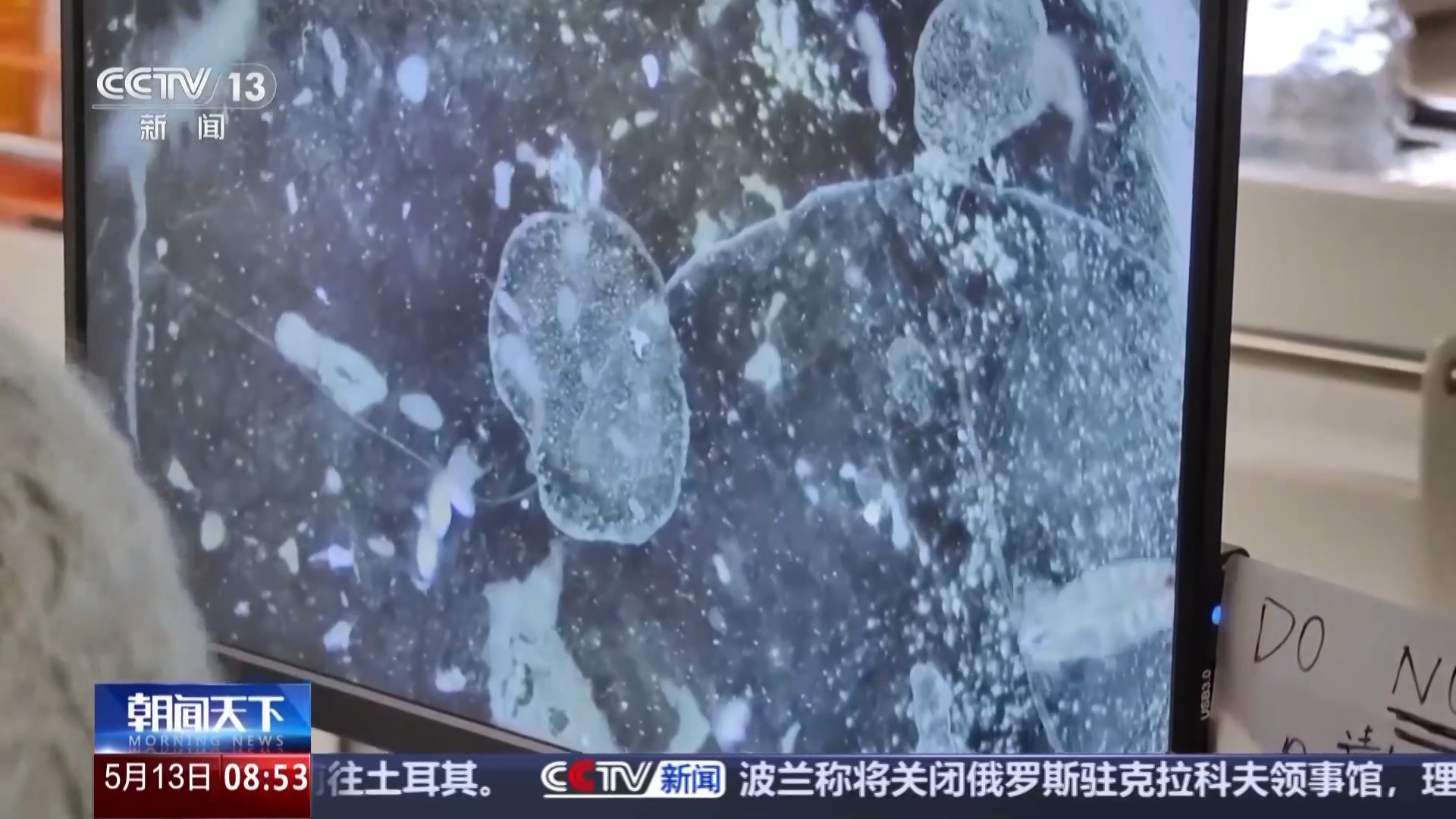
In the joint voyage of the Antarctic Ross Sea, the team members have made many new discoveries in terms of marine chemistry and ecology.
Feng Yuanyuan, a member of the Antarctic Ross Sea, the 41st Antarctic Expedition Team, Antarctic Ross Sea: This time we came to the Ross Sea, basically, we did not find any Pyramidalis, most of which were still diatoms, and the biomass was getting lower and lower. We expect that it may not take long and it may drop to a level that cannot be detected.
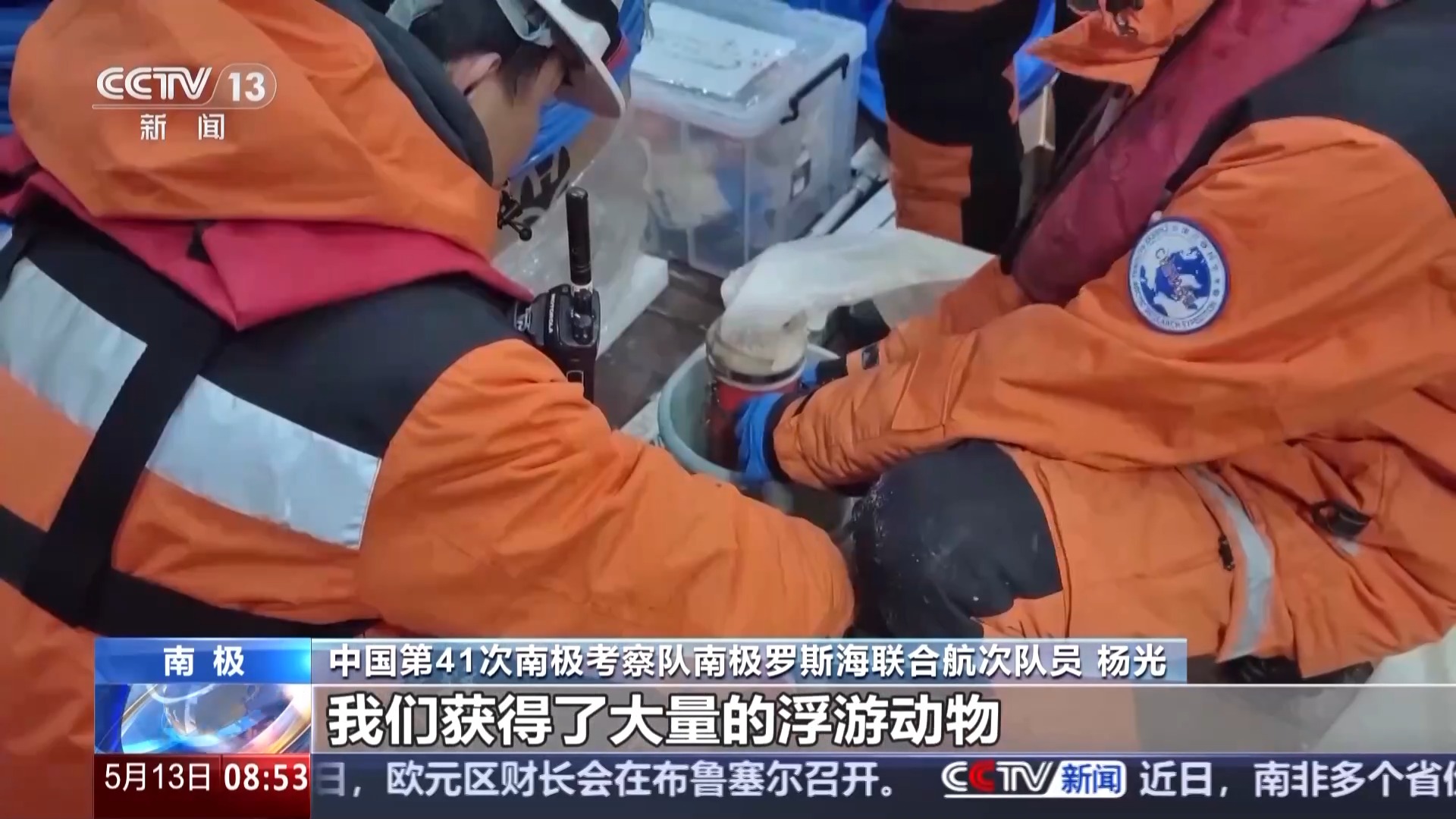
China's 41st Antarctic Expedition Team Antarctic Ross Sea United Voyage Yang Guang: In summer, we conduct a layered trawl of water columns. Generally, in deep water areas, the amount of zooplankton is very small. But this time, in the deep water area, that is, 500 to 1,000 meters, or deeper than 1,000 meters, we have obtained a large number of zooplankton and a large number of copepods, which need to overwinter in this water layer.
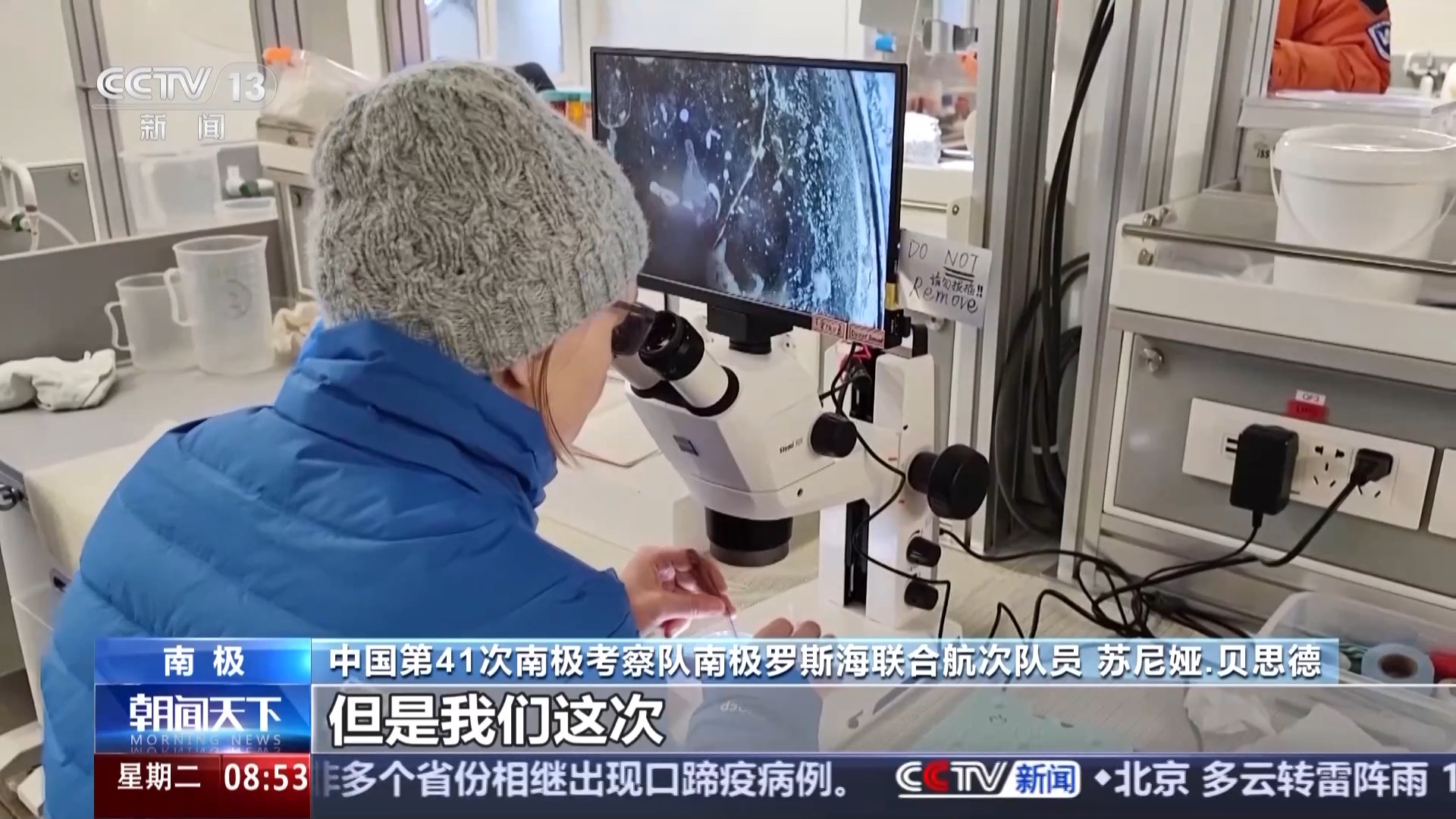
China's 41st Antarctic Expedition Team Antarctic Ross Sea United Voyage Sunya Bethard: Small copepods do not have enough fat to overwinter, so they usually exist in the middle of the ocean. But we have discovered many small copepods and larvae in the deep layer this time, suggesting that they may have been brought to the deep layer by the deep convection process.

In addition to scientific discoveries, the United Voyage has played an active role in optimizing and improving the Antarctic autumn ocean operation process, continuing to upgrade and improve the platform equipment, and enriching the experience of operators.
Assistant leader of China's 41st Antarctic Expedition Team, Chen Liulin: Not only did we forge a team of investigations of international standards and achieved scientific results that fill the gaps, enriching the scientific understanding of polar science in the international scientific community, especially the Ross Sea, we are also a successful attempt in the expansion of space and time of polar investigations. Fortunately, we see that China's soft and hard power of polar investigations are constantly improving.
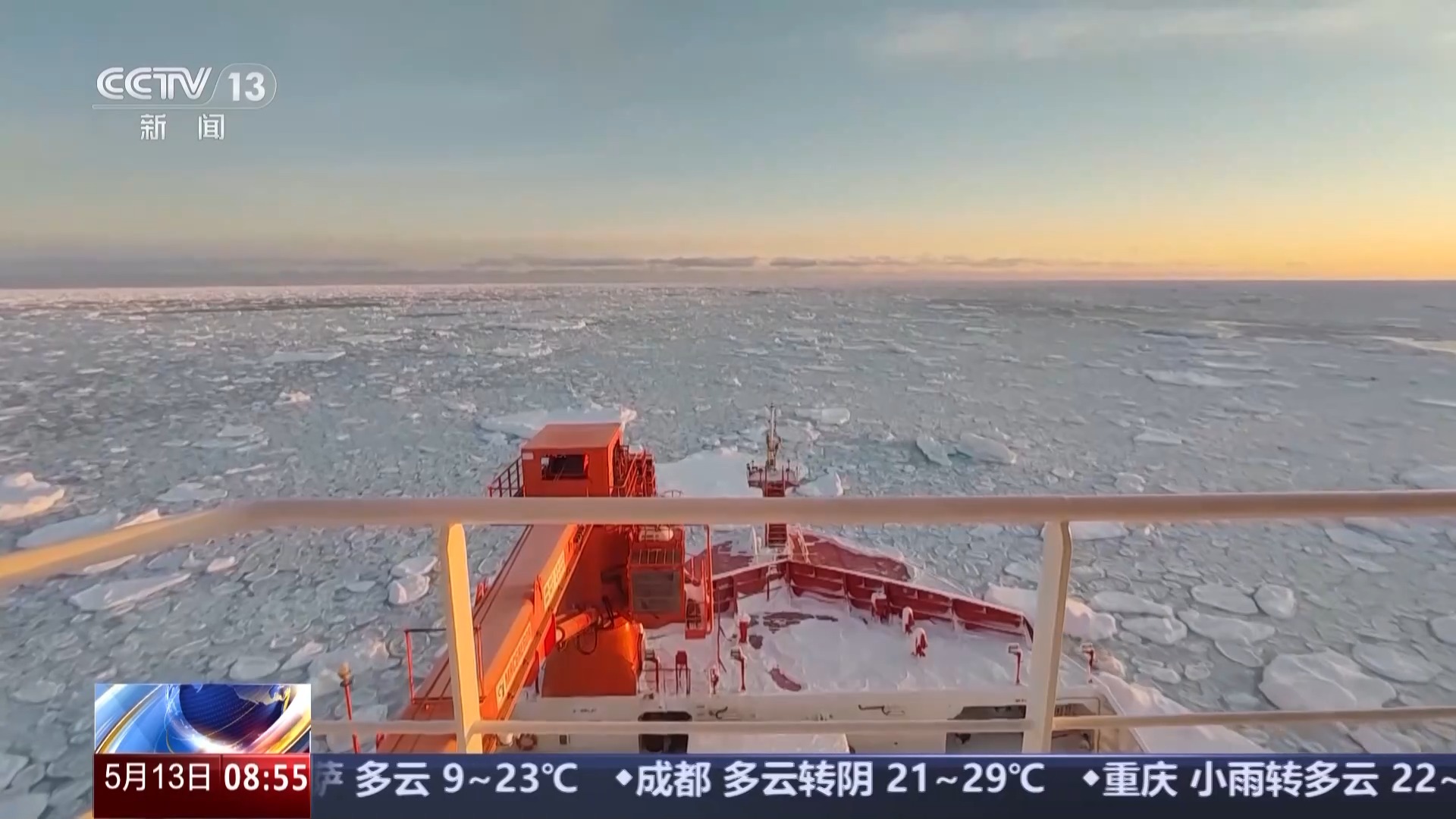
CCTV reporter Wang Nan: As an amplifier of global climate change, the polar region is related to the fate of the global. After about 20 days of autumn ocean operation in Antarctica, Chinese and foreign scientists from the 41st Antarctic Expedition Team of the Antarctic Ross Sea jointly voyage, overcame adverse factors such as severe cold, strong winds, and floating ice, and initially delivered an answer sheet covering multiple disciplines such as marine biology and marine chemistry. This is the first preliminary result of my country's Antarctic autumn ocean inspection. This will help to master the scarce data of the Antarctic ecosystem, fill the relevant field observation and experimental gaps, and create conditions for unveiling the mystery of Antarctic.