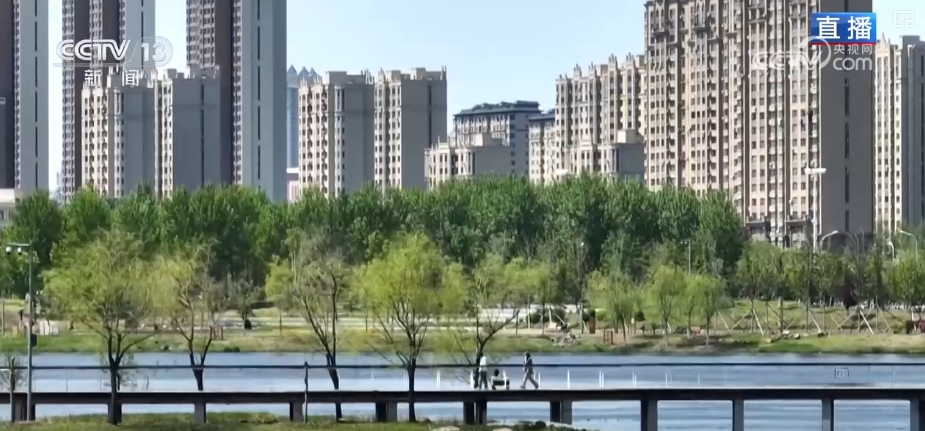
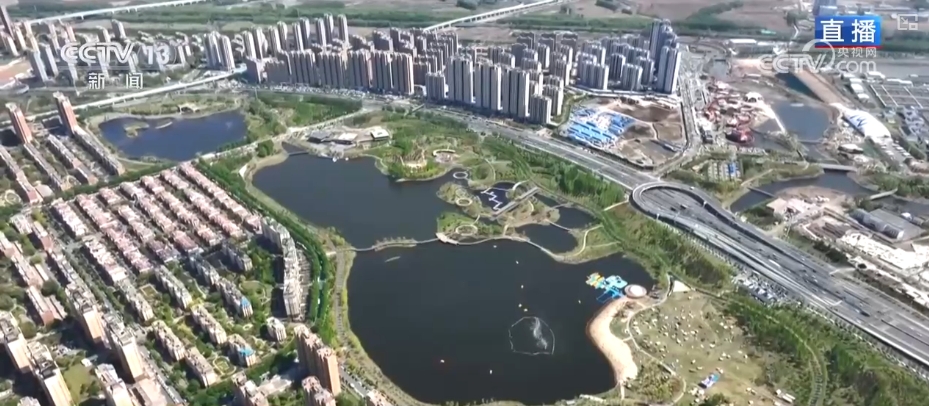
CCTV News: Nanxi Wetland Park in Changchun, Jilin is close to residential and commercial areas. Every weekend, tens of thousands of tourists come here for leisure and vacation.
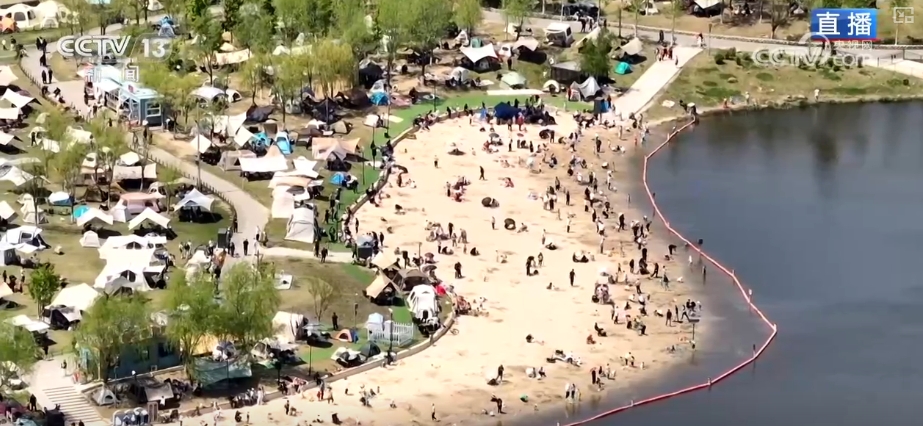
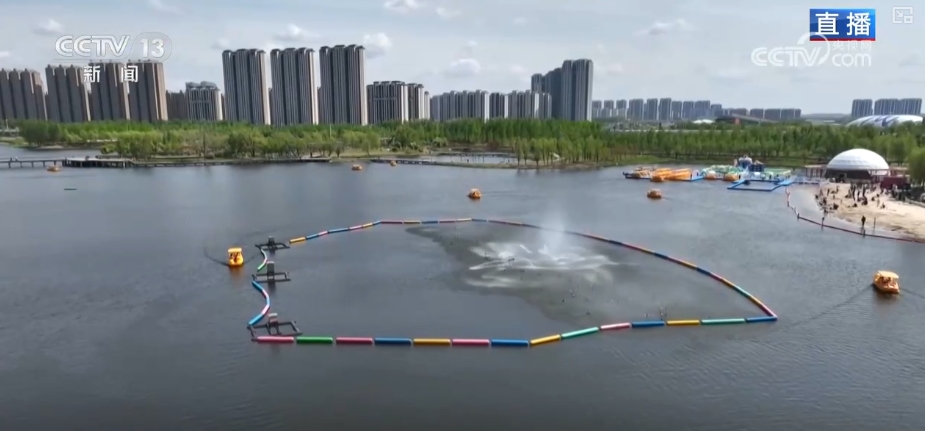
The warm and gentle weather has attracted nearly 20,000 tourists to visit here. Hundreds of colorful tents have been built on the green space. This is a tent camp specially planned by the park. At night, the fountain in the middle of the lake will also perform music shows and water screen movies. Many people are enjoying the watery time for this audio-visual feast.
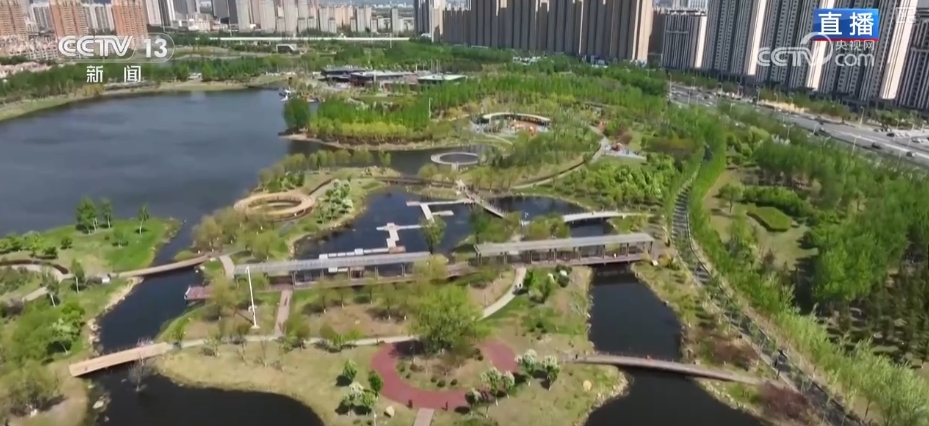
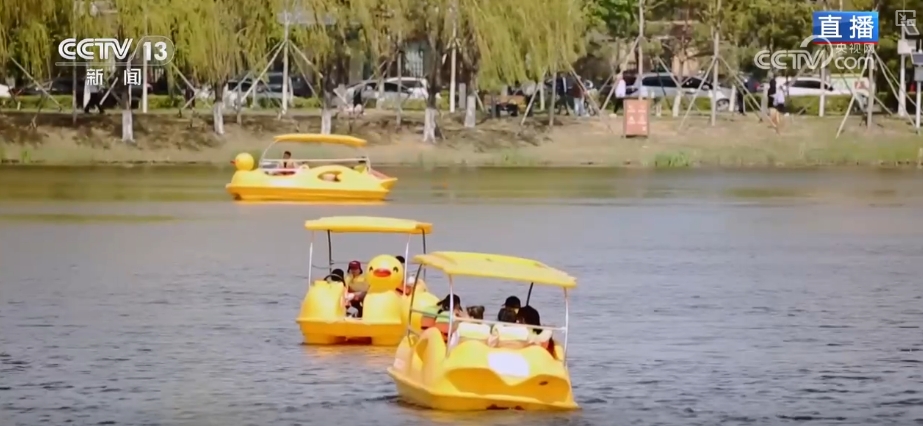
In this season, although the vegetation has not yet reached its lush state, clusters of new greens can make people feel more vigorous and vibrant. The wetland park covering an area of more than 240 hectares was built in 2017 and consists of six parts of water including Died Lake, Lian Lake, and Yingyun Bay. From the sky, the scattered bodies of water are like "gems" embedded in the city. Junzi Lake is a popular area for tourists to enjoy the water, and tourists row on the lake. In a slightly further area, you can also experience water sports such as sailing and kayaking.
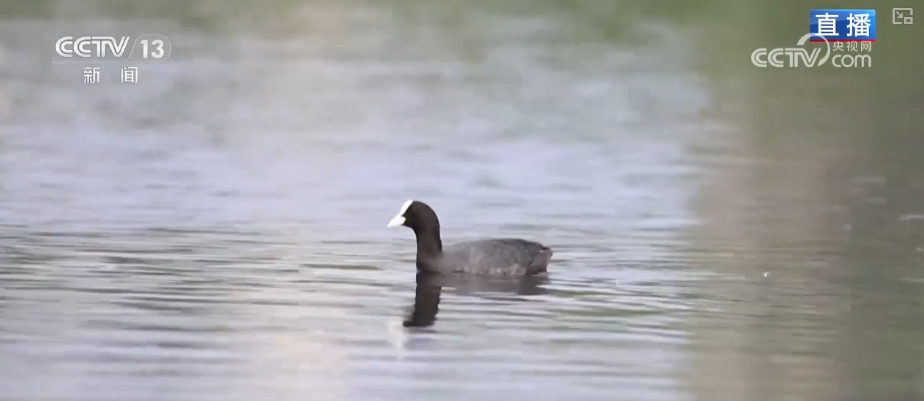
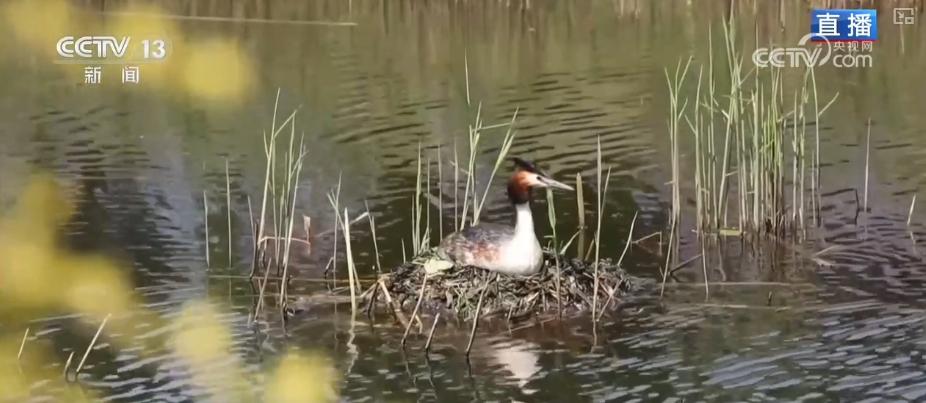
It is worth mentioning that although this is a wetland surrounded by residential and commercial areas, the environment of harmonious coexistence between man and nature makes it attract more than 30 species of birds such as egrets and magpies and ducks to come here to live and reproduce every spring and summer. These agile little guys have added aura to the wetlands. Usually, many elderly photography enthusiasts come back to take photos. Build an ecological filter and the wetland becomes a "urban filter element"
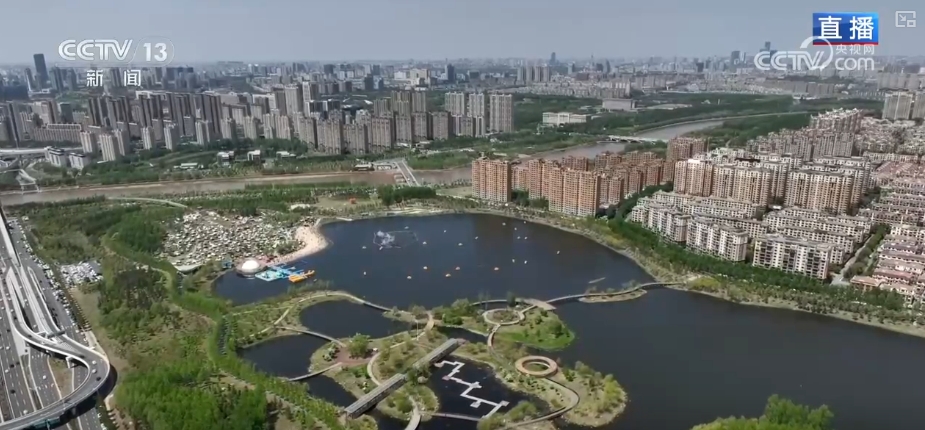
If the ecological beauty is the "face" of Nanxi Wetland, its "inside" is the "super water purifier" that protects the urban ecology. Only one street from Nanxi Wetland is the Yitong River, the "mother river" of Changchun City, which is connected to it through an underground pipeline network. The key to ensuring the water quality of Yitong River is to ensure that the water source entering the river meets the standards.
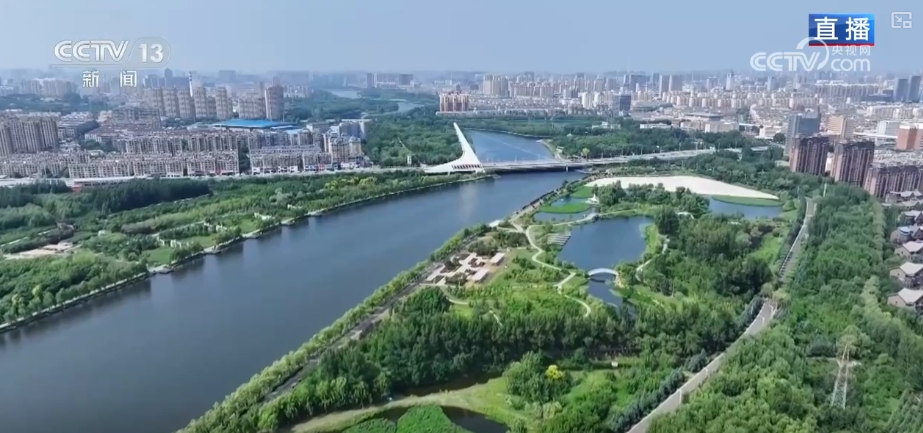
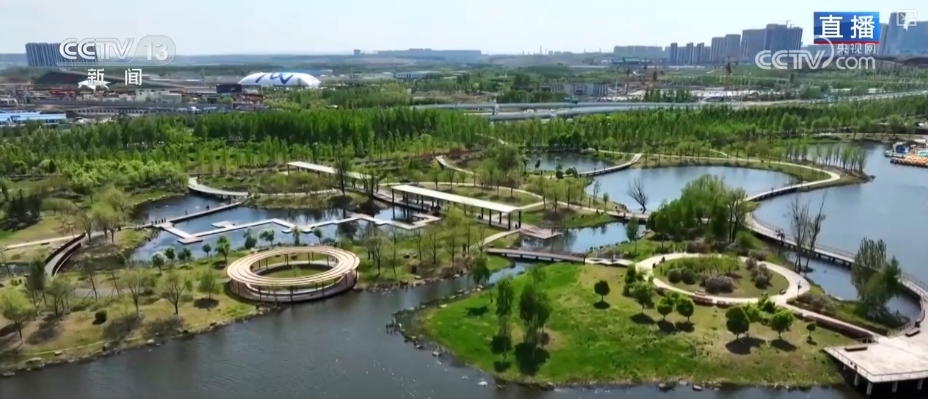
Nanxi Wetland adopts the design concept of "sponge city" to build a huge "ecological filter". After the surrounding rainwater is stored, it will continuously inject clean water into the Yitong River through the coordinated purification of aquatic plants, microorganisms and fishes. And along the Yitong River, there are many such ecological "purifiers".
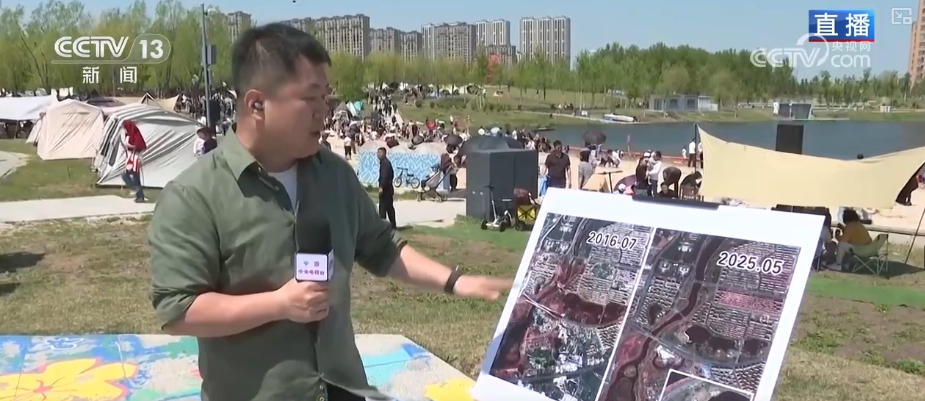
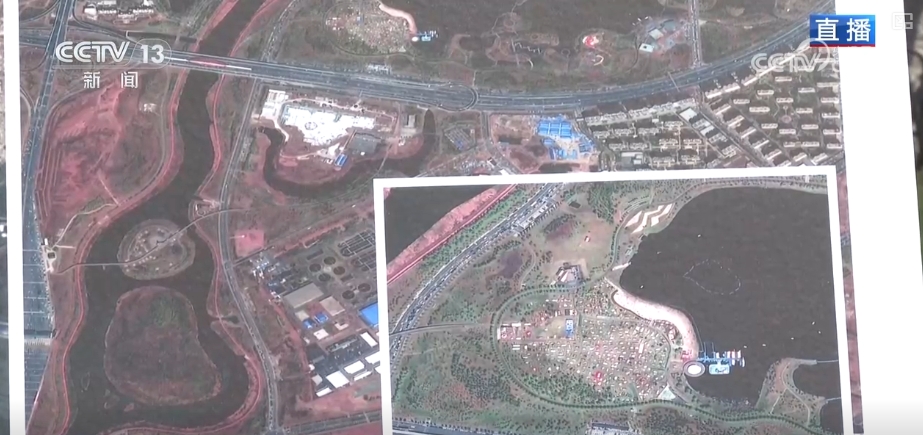
This project is the Yitong River Comprehensive Management Project, which was launched in 2016. Through the images taken by Jilin-1 satellite, we can see that this is the Yitong River in July 2016. The dazzling green substances were everywhere on the river surface, which were algae grown from the black and smelly water bodies at that time. Some river channels showed a turbid yellow-brown color. The Nanxi Wetland was still a bare weed pond with loess exposed at that time. This is a satellite image in May 2025. The large patches of algae in the Yitong River have disappeared, presenting a pure body of water, and the river channel has returned to clean and tidy. The trees and vegetation in the Nanxi Wetland are clearly visible. These colorful spots are the various tents on the tent camp next to us, which look very spectacular. Popularity continues to rise, creating new landmarks for cultural tourism to promote consumption
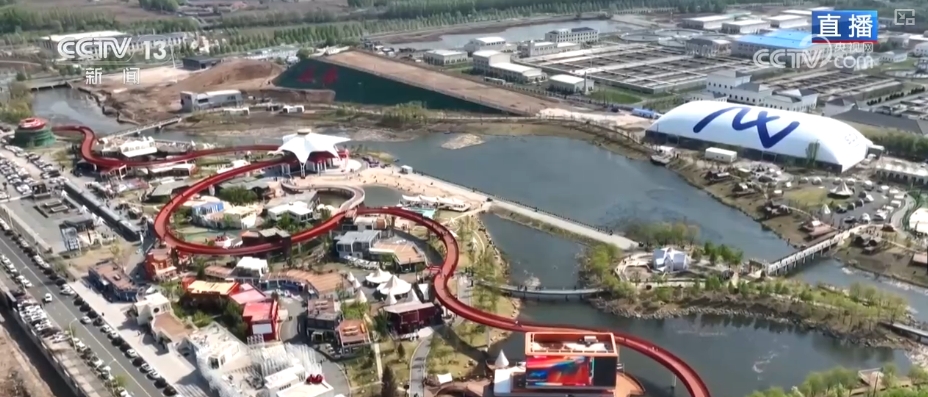
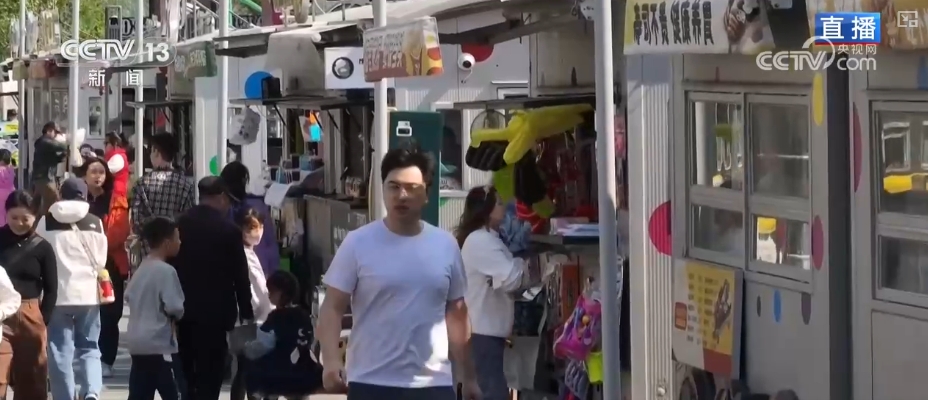
Now, Nanxi Wetland is not only the "urban green core" of Changchun, but also a new growth point for urban consumption. In 2024, the local area used the wetland surrounding space to create a Nanxili Cultural and Tourism Town with container buildings as the main style. When you come here, you can not only taste delicious food and drink coffee, but also cover a variety of cultural and sports consumption scenarios such as bookstores, music workshops, cultural and creative stores, and sports venues, attracting a large number of young people.
From the weed pond in the past to the ecological paradise and the new cultural and tourism landmark today, the "butterfly transformation" of this wetland tells the story of ecological protection and urban development in vivid practice.