CCTV News: In Lianyungang City, Jiangsu Province, greenhouse watermelons have entered the harvesting period one after another. However, the watermelons here do not grow on the ground, but grow on the hang. In another week or so, these "air watermelons" will be launched in large quantities.
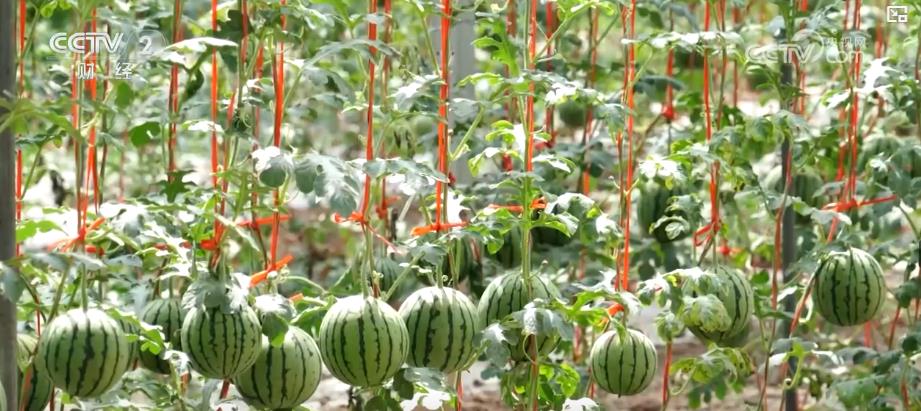
Walking into this watermelon planting greenhouse in Lianyungang City, round watermelons are hung up one by one. This watermelon planting method is called "hanging vine planting". It grafts the scion of the watermelon on the roots of the pumpkin and uses the pumpkin regenerated root system for planting. Compared with traditional planting, it has a larger density and higher yield. It not only saves planting space and improves the utilization rate of land resources, but also effectively improves the quality of the watermelon, with a thinner skin, high sweetness and good appearance.
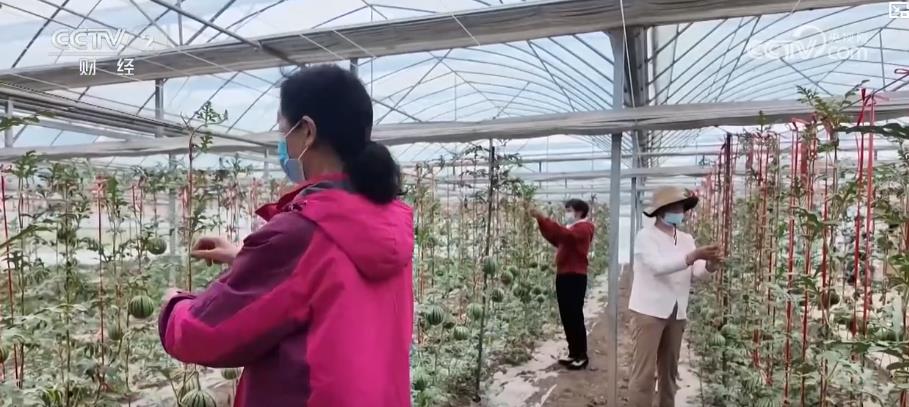
Although the melon is small, it has put a lot of effort into it. From the perspective of planting, pollinating, and fruit setting, the entire cultivation process of watermelon requires strict control of temperature, light, fertilizer, etc. According to reports, it is expected that the first crop will be able to harvest about 10,000 kilograms in mid-May. Compared with the traditional "ground crawling seedling" planting model, the income per mu of watermelon field can be increased by nearly 6,000 yuan.
Hubei Shayang: Tomato harvesting in the "smart shed" is busy
It is not just that watermelons are hanging, but it is also planted in mid-air in a tomato planting base in Shayang County, Jingmen City, Hubei Province. Tomatoes are also planted in mid-air, and multiple fruit production can be achieved within a year.
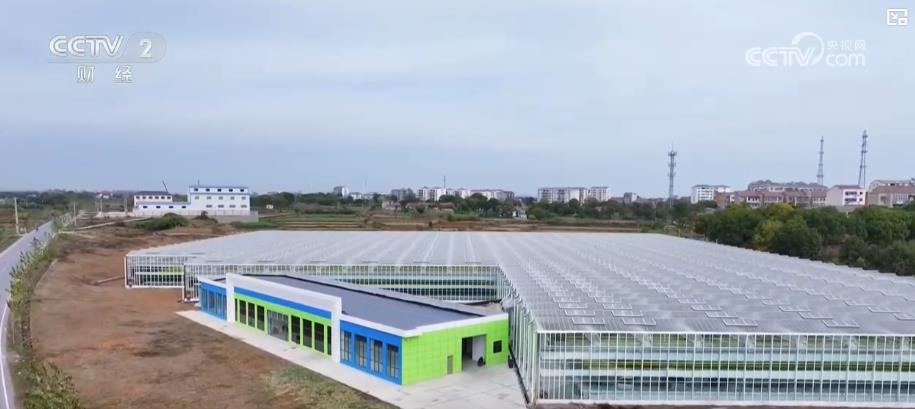
The silver-gray smart greenhouse in front of you is the tomato planting base in Shenji Town, Shayang County, Jingmen City. In the greenhouse, tomato vines about 5 meters high are neatly arranged, and small tomatoes are spread on the branches. Workers are busy picking, sorting, and packing them to transport fresh tomatoes to the market.
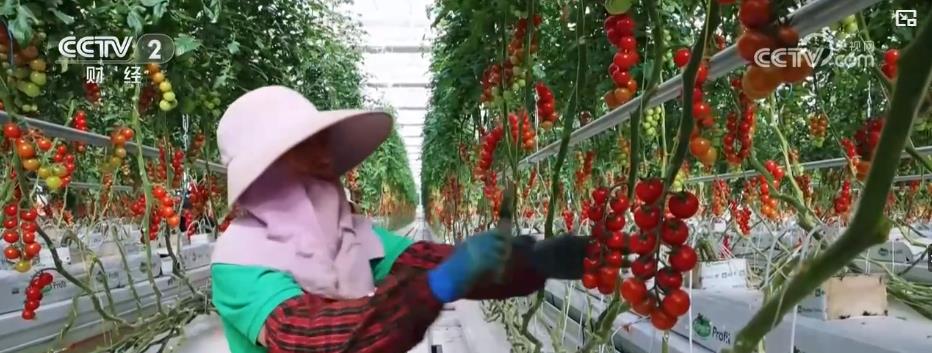
It is understood that the tomatoes here use semi-closed soilless cultivation technology, and use rock wool blocks and coconut bran to replace soil seedlings, and use bumblebee tomatoes to naturally pollinate. At the same time, a special dripper is fixed at the roots of each tomato plant. The integrated water and fertilizer system will monitor soil moisture and nutrients in real time according to the sensors, and proportion water and fertilizer as needed.
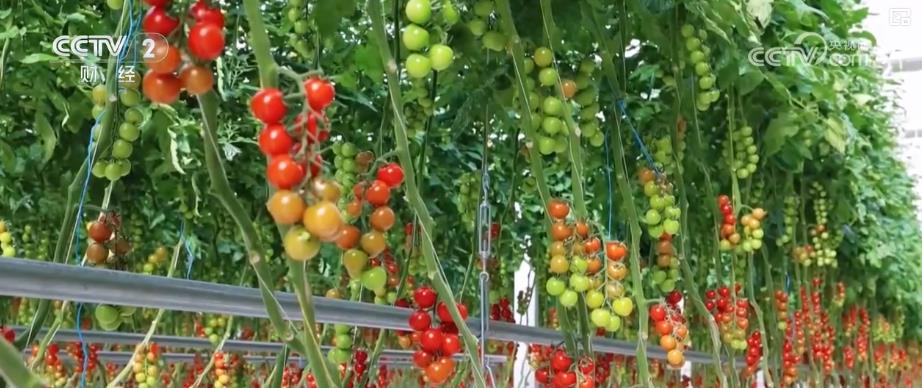
These carefully cultivated tomato fruits are full and can continue to produce fruits from the end of each year to June of the following year, and are mainly sold to Shanghai, Shenzhen and other places. In order to encourage more villagers to join smart agricultural production, the local government is constantly exploring more cooperation models and continuously attracting smart agricultural enterprises to settle in.