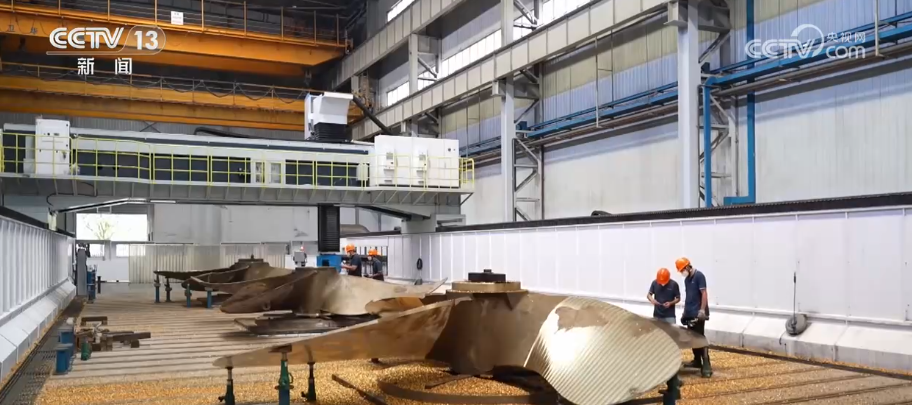
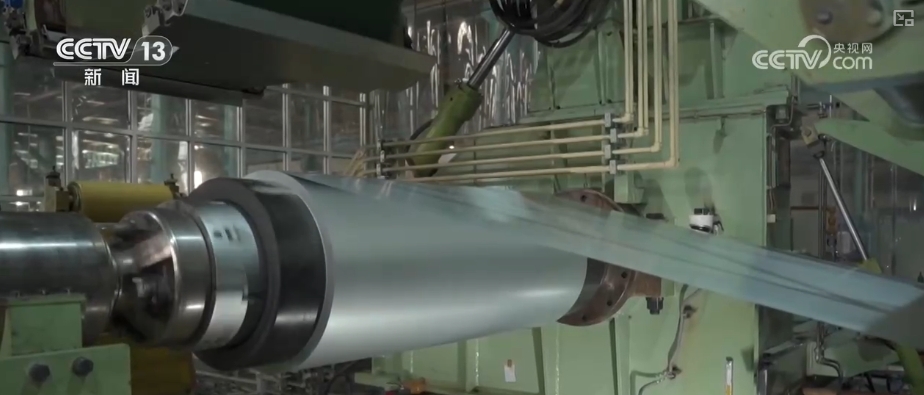
CCTV News: The reporter learned from the China Iron and Steel Industry Association that in the first quarter of 2025, my country's steel production exceeded 350 million tons, a year-on-year increase of 6.1%, and the production and operation of the steel industry was basically stable.
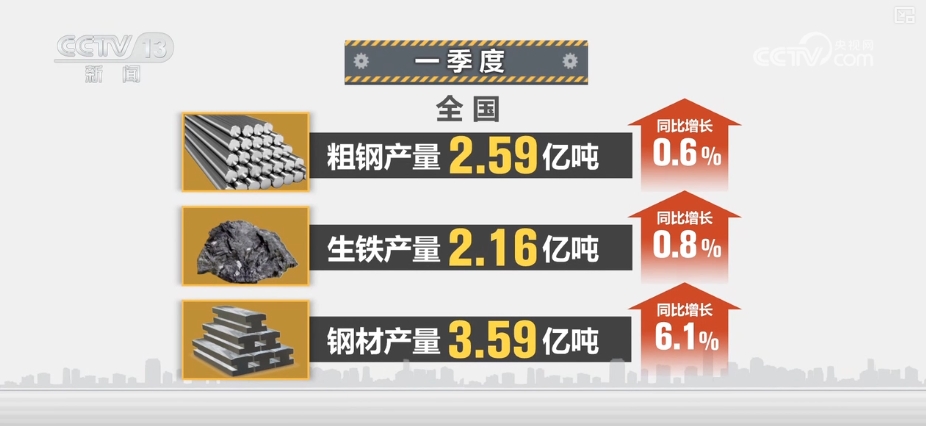
Data shows that in the first quarter, the national crude steel output was 259 million tons, a year-on-year increase of 0.6%; pig iron output was 216 million tons, a year-on-year increase of 0.8%; steel output was 359 million tons, a year-on-year increase of 6.1%.
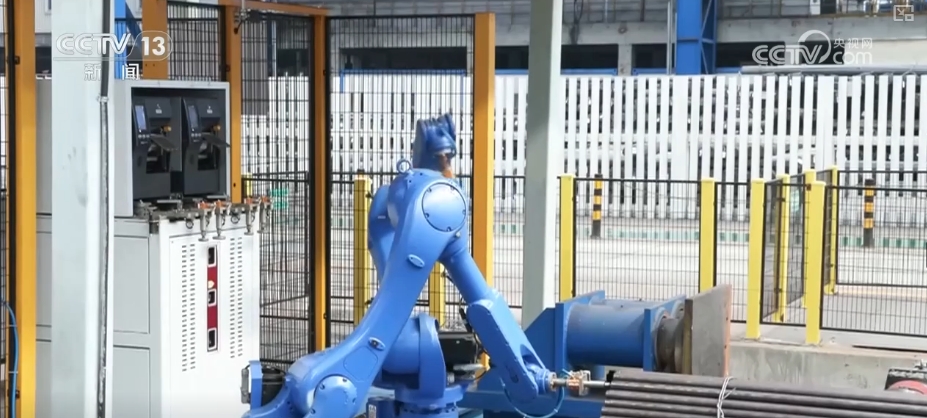
China Steel Industry Association stated that in the first quarter, the production and operation of my country's steel industry was basically stable, and the benefits improved year-on-year, laying a solid foundation for the better development throughout the year.
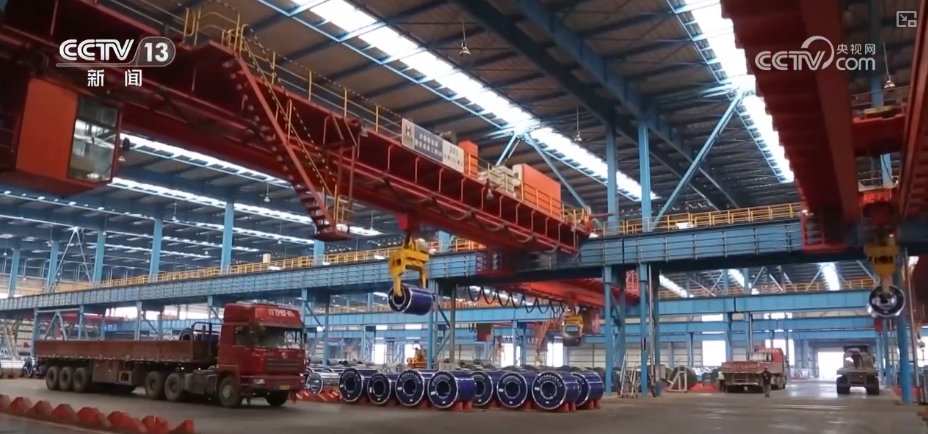
Jiang Wei, Secretary-General of the China Iron and Steel Industry Association, introduced that at present, my country's steel industry is in a critical period of transformation and upgrading, a critical period of green and low-carbon development, and a window period for the reshaping of the international competitive landscape. Respond to the uncertainty of the external environment with the certainty of economic growth and high-quality development, and promote the stable progress and continuous improvement of the industry's operation.
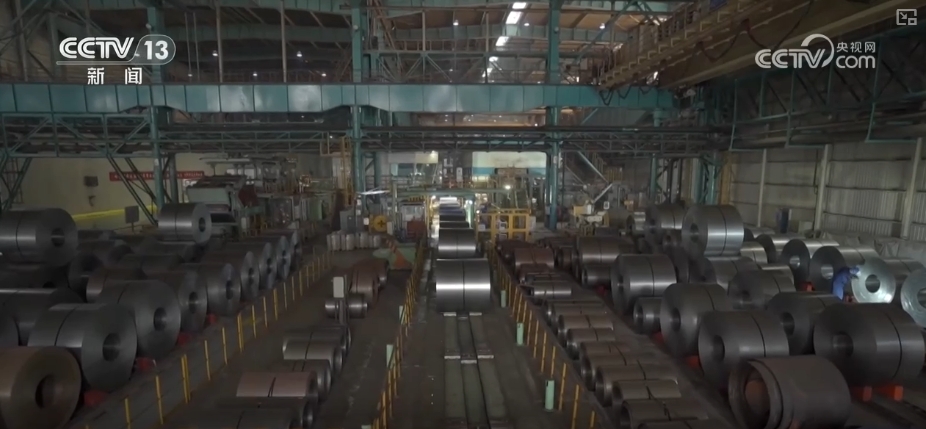
At the same time, experts said that in the context of weak momentum of global economic growth, constant geopolitical conflicts and intensified trade frictions, the steel industry faces the instability and uncertainty of the external environment will increase. 141 steel enterprises completed ultra-low emission transformation throughout the process. In the first quarter of 2025, both steel and crude steel production increased. Among them, the proportion of low-carbon steel has increased rapidly to 28.6%, an increase of 7.1 percentage points from the same period in 2024. Experts say that large-scale application of recycled steel raw materials can achieve large-scale reduction of carbon dioxide emissions.
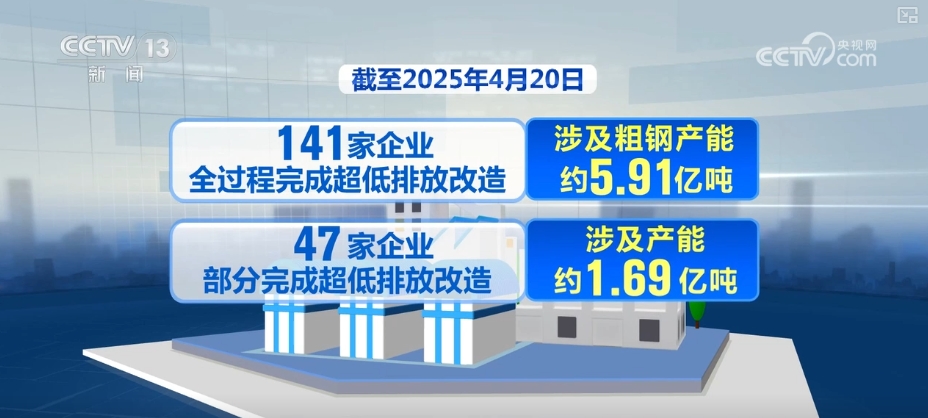
As of April 20, 2025, 141 steel enterprises have completed ultra-low emission transformation throughout the process, involving a crude steel production capacity of about 591 million tons; 47 steel enterprises have partially completed ultra-low emission transformation, involving a production capacity of about 169 million tons.
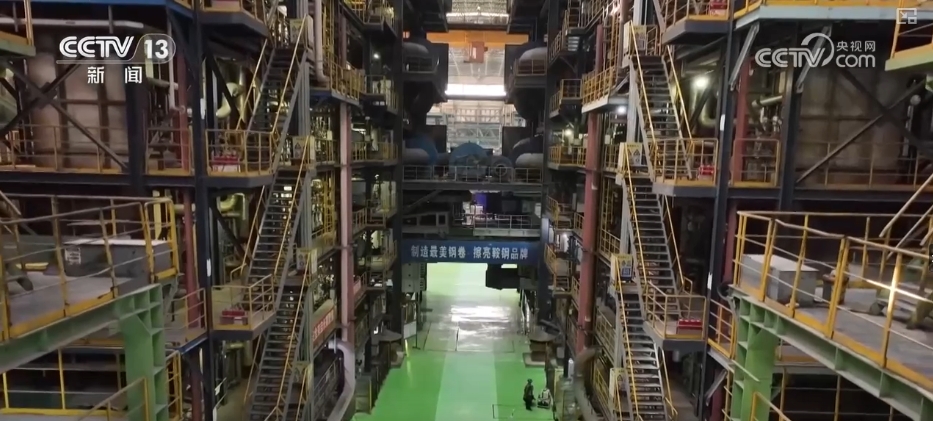
At the same time, experts said that in 2025, the process innovation of recycled steel raw materials to replace iron ore production has shown remarkable results. Compared with traditional iron ore smelting, this technology can reduce carbon dioxide emissions by more than 67%.
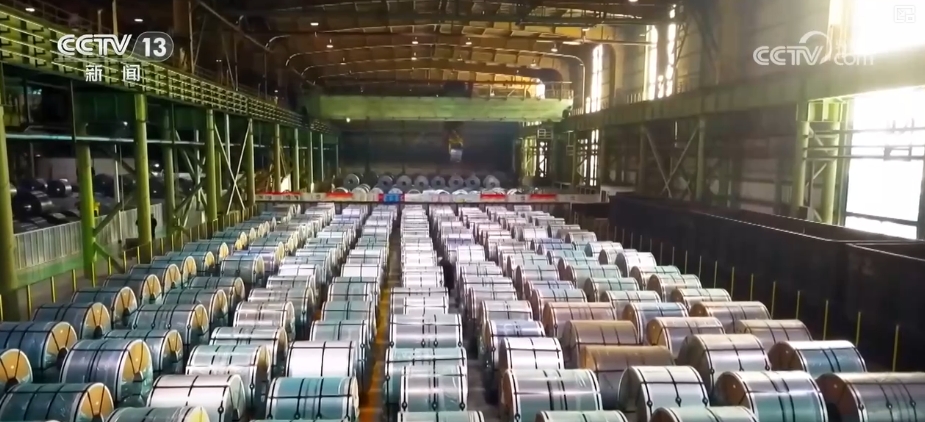
my country's steel industry is transforming from a linear model of "resource-product" to a closed-loop transformation from a "resource-product-renewable resource". By the end of 2025, the ultra-low emission transformation of steel enterprises in key regions will be basically completed
The China Iron and Steel Industry Association also stated that by the end of 2025, the ultra-low emission transformation of steel enterprises in key regions will be basically completed, and my country will build the world's largest clean steel production system.
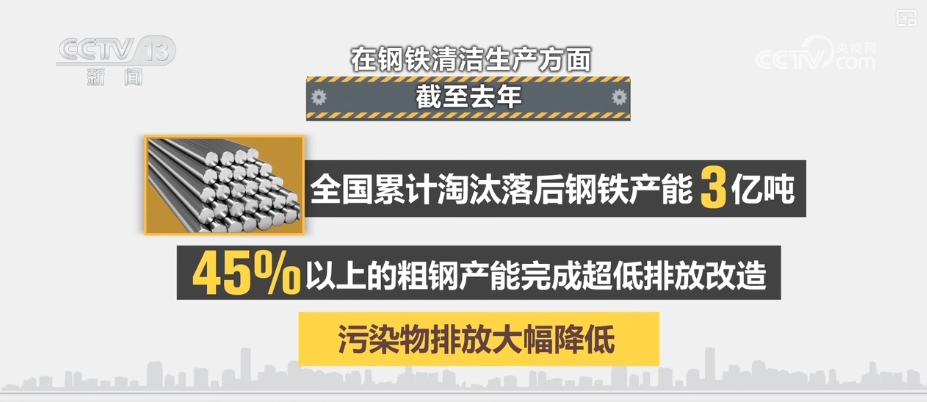
In terms of clean steel production, as of 2024, the country has eliminated 300 million tons of backward steel production capacity, and more than 45% of crude steel production capacity has completed ultra-low emission transformation, pollutant emissions have been greatly reduced, and major pollutants such as particulate matter and sulfur dioxide have been reduced by more than 75%.
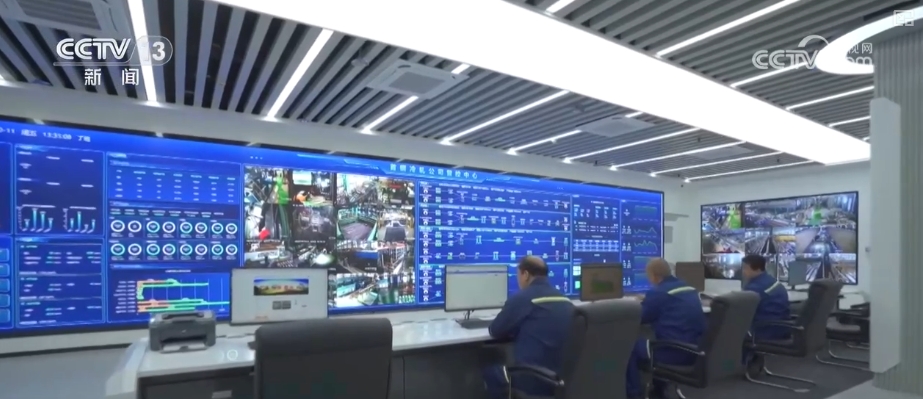
Ultra-low emission transformation projects, ultimate energy efficiency projects, etc. promote my country to build the world's largest clean steel production system, and the environmental performance of steel enterprises continues to improve.
Jiang Wei introduced that the ultra-low emission transformation and quality improvement project will be implemented in depth. According to the end of 2025, the ultra-low emission transformation of steel enterprises in key areas will be basically completed, and the country will strive to complete the transformation of more than 80% of the production capacity.