CCTV News: At present, national grain production has entered a critical period. After several consecutive days of rainfall, it has been clear that many places in Hunan have passed, and grain growers are working hard to do a good job in spring plowing and spring management. Xiangxiang City, Xiangtan is a major grain production county in the country, and the grain planting area has been stable at more than 1 million mu for many years. Many local farmers adopt the "rice tanker crop" model, and it is the busy farming season for harvesting rapeseed and sowing rice for a season. For details, immediately connect with Ge Caiyi, a reporter on the scene of the Taiwan Station.
The reporter came to Shuangjiang Village, Quantang Town, Xiangxiang City, Xiangtan. How is rapeseed looking now? The top of the rapeseed is already golden and the horn fruit is very full. The rapeseed we usually say is hidden in the golden horn fruit, which means that the rapeseed has now entered the ripening stage.
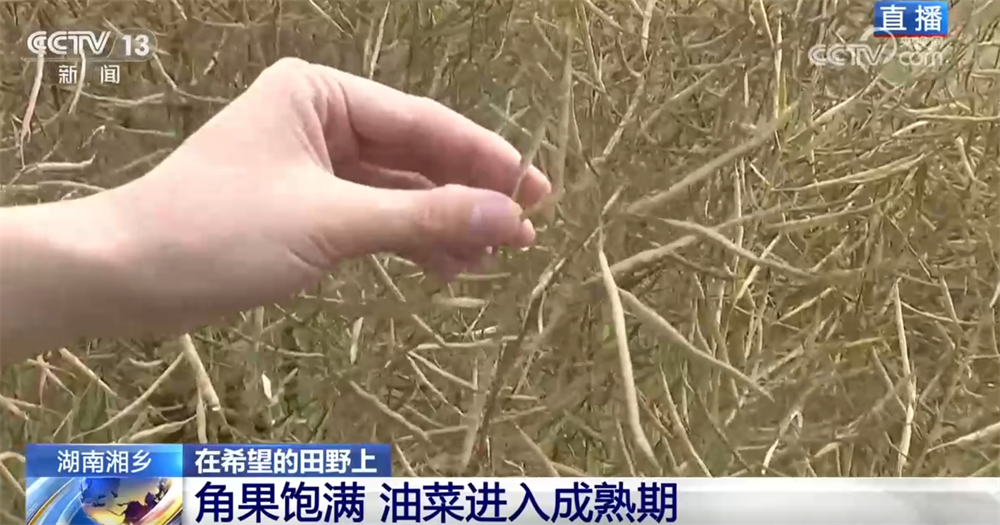
This rape field has more than 1,500 acres, and they all require "rice tanker crops". What is "rice tanker crops"? It is to plant rapeseed in winter, and after the rapeseed is ripe and harvested, then plant rice in summer, and continue to plant rapeseed after the rice is harvested. Under this model, the land can be used more fully. Moreover, rapeseed will absorb nutrients from fixed soil during its growth, providing a certain nutrient basis for subsequent rice growth. Such crop rotation can also change the living environment of pests and diseases, and reduce the occurrence and harm of pests and diseases.

I just said that rapeseed is hidden in full horn fruit. Rapeseed can be squeezed oil, and the residue after oil press can also be used as high-quality feed or fertilizer, increasing the added value of agricultural products. Through "rice tanker crops", farmers can achieve incomes for two quarters a year, increasing their economic benefits.
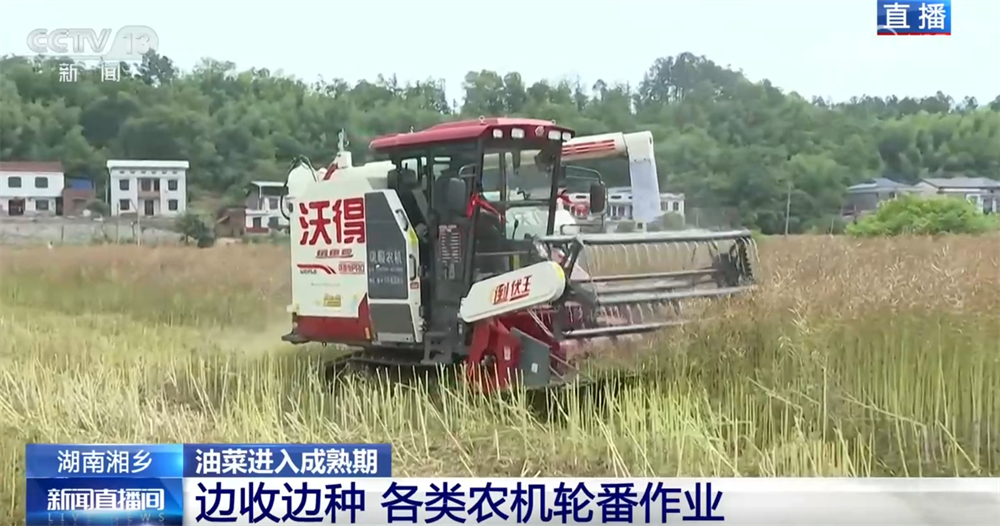
In the field that can’t be seen at a glance, all kinds of agricultural machinery are working hotly. First of all, many rapeseeds have matured, and not far away, professional harvesters are rapidly harvesting to ensure that the particles are stored. Growers said that this year, thanks to climate and farmland transformation, the per mu of rapeseed yield has increased.
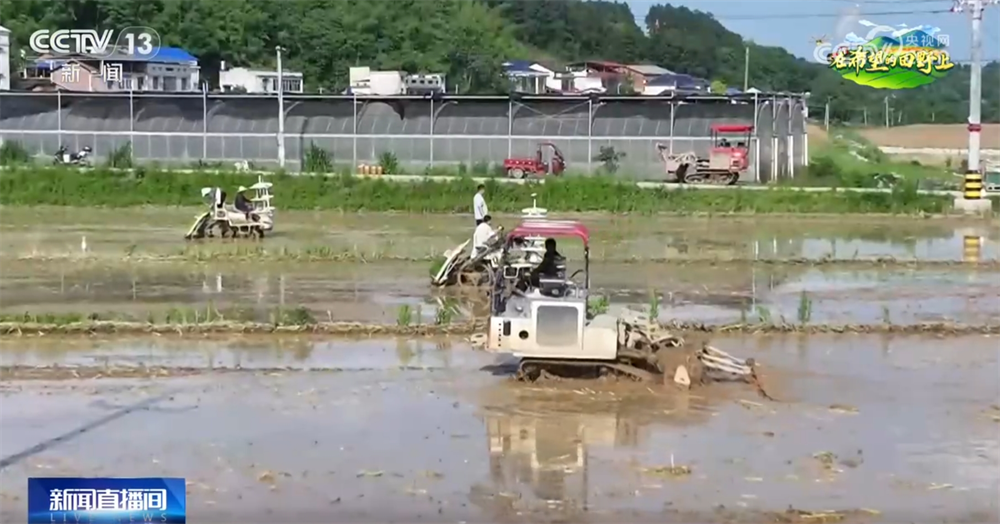
At the same time, the fields that had been harvested a few days ago began to turn the rice transplanting operations. The rotary tillator drove all the way, and the soil was turned on and became soft, which was more suitable for rice growth. During this process, the stalks of rapeseed will also be turned under the soil to provide additional nutrients for the rice.
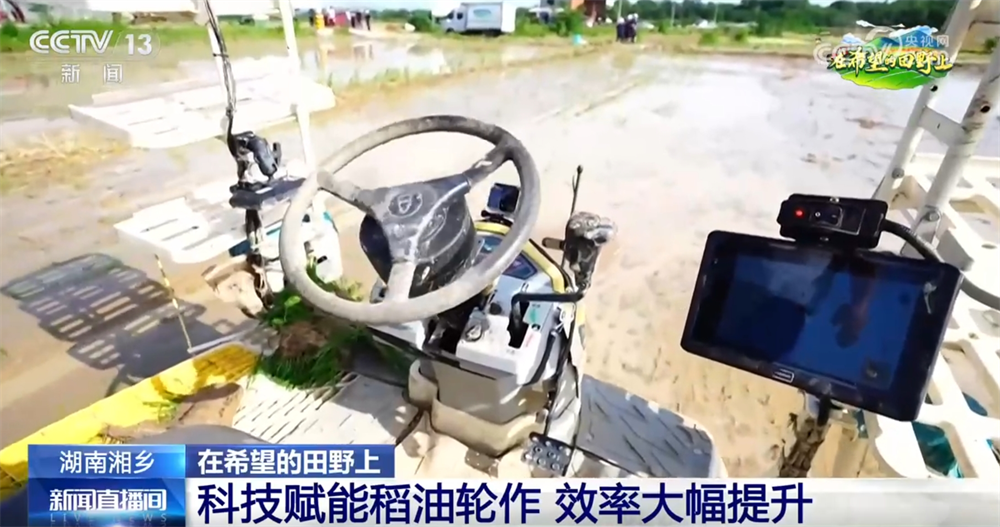
After the fields are ready, plates of green seedlings can be put into the fields one after another. This year, growers have chosen high yields, resistant to lodging and higher quality. These rice transplanters are all unmanned and are equipped with Beidou's navigation system and obstacle avoidance equipment, so they can accurately transplant rice according to the planned route.
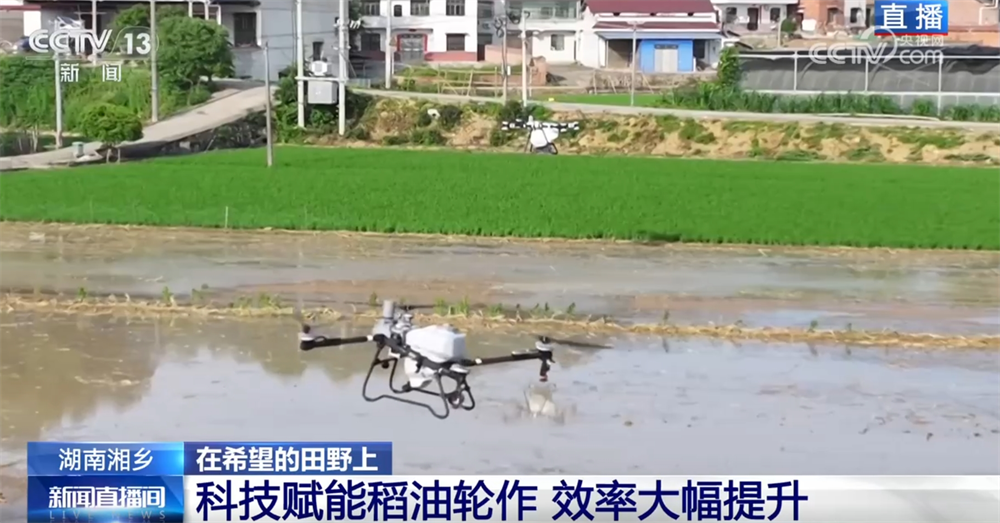
At this stage, another very important task is to apply fertilization. At present, fertilization rarely depends on artificiality. At the scene, large agricultural drones were operating, and the fertilizer was evenly sprinkled in the fields. The drone can also automatically avoid obstacles and automatically adjust the spray volume. It is equipped with a spectrometer to detect the growth of crops. It only takes less than 20 seconds to operate one acre of land.
"Rice Tanker Craft" improves the income of growers, while mechanized operations reduce costs. This year, the area of farmland in Xiangxiang City's "rice tanker crop" is about 150,000 mu. At present, local rapeseed has entered the harvest season one after another, and rice transplanting has also begun simultaneously. From now until mid-May, it is the busiest time in the fields.
Yuncheng, Shandong: Drones implement spray prevention operations to help stabilize wheat production and increase income
At present, winter wheat in Heze City, Shandong has gradually entered the period of grouting and stable production. In Yuncheng County, the local area has organized plant protection drones to carry out comprehensive "one spray and three prevention" operations to ensure stable wheat production and increase income.
In the Yellow River Beach Area of Zhangluji Town, Yuncheng County, several plant protection drones are busy over the wheat fields. These "new scientific and technological agricultural tools" spray the prepared mixed liquid evenly and finely based on the routes planned in advance. Compared with traditional manual spraying, drones play a role in reducing costs and increasing efficiency.
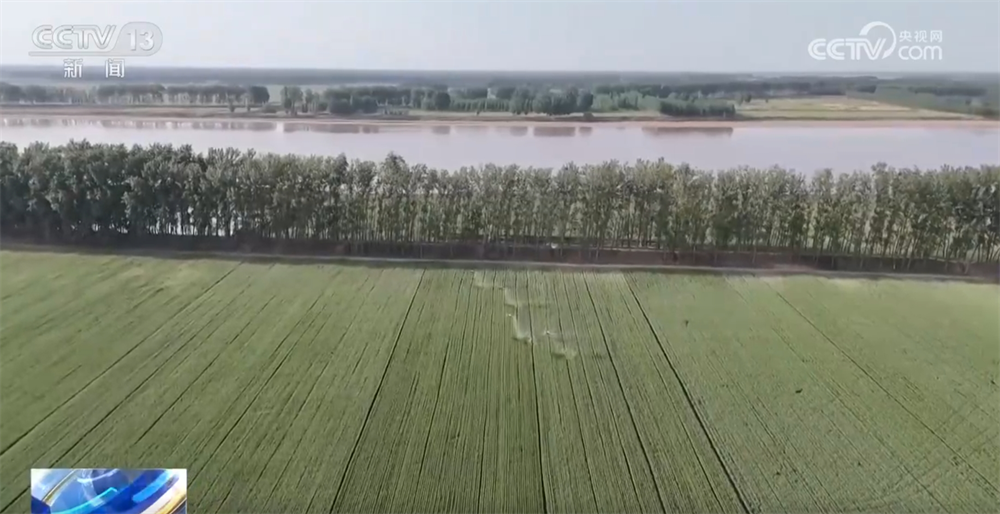
The reporter learned from the Yuncheng County Agriculture and Rural Affairs Bureau that the county's winter wheat planting area this year was 1.45 million mu, and a total of 350 plant protection drones were used to carry out one spray and three prevention operations. At present, 65% of the spray prevention operations have been completed, and it is expected that all of them will be completed on May 12.
Gansu Jinta: Beidou navigation + intelligent sowing Technology helps pepper transplantation
After the beginning of summer, in Hexi, Gansu, pepper transplantation ushered in a golden period. The pepper transplanter equipped with Beidou satellite navigation system has become a "smart farmer" and is working in the fields.
In a farm in Jinta County, an unmanned tractor pulls the transplanter to move smoothly in the fields, drilling holes and planting seedlings, and the transplanting of peppers can be completed in one go. Agricultural machinery equipped with Beidou navigation system completes standardized operations through preset routes, laying a precise "growth runway" for pepper seedlings. Farmers told reporters that there were problems such as unstable ridges, insufficient labor, and low efficiency during planting. Now with new agricultural machinery, each pepper has a balanced growth space and enhances its resistance to lodging, and the survival rate of pepper seedlings has been greatly improved.
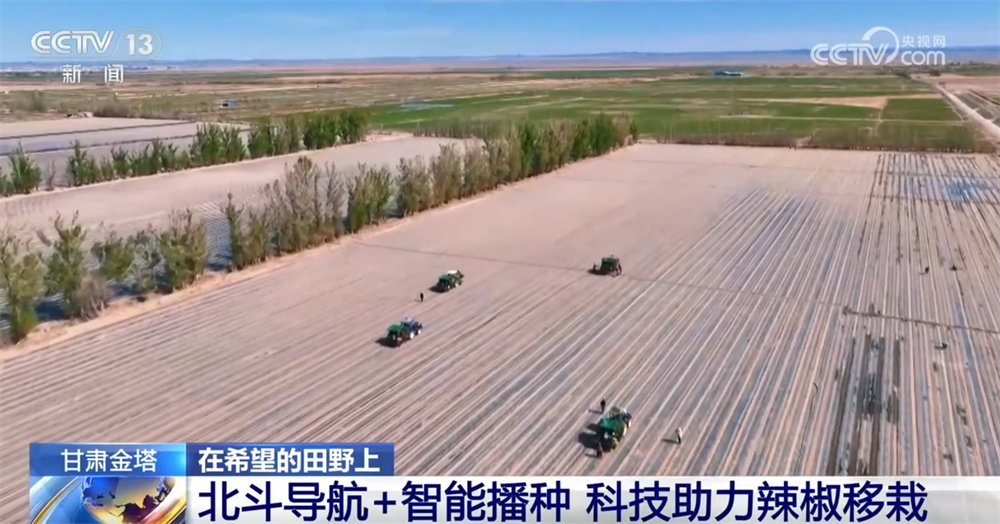
In addition, the integrated water and fertilizer facilities responsible for centralized irrigation are also laid in the fields.
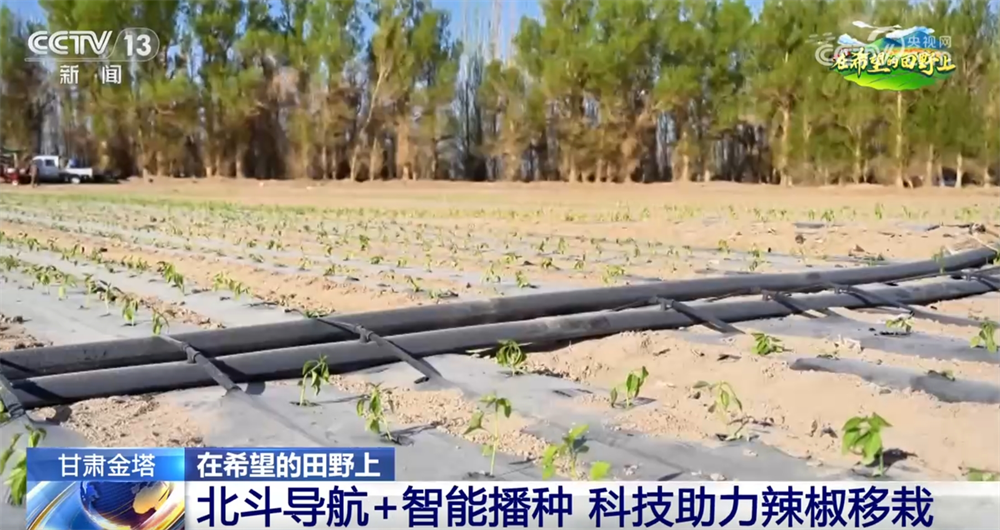
The pepper industry is a short, flat, fast and efficient agriculture, and is also a labor-intensive industry. The addition of unmanned agricultural machinery has not only liberated some of the labor force, but also improved the efficiency and quality of planting. It is understood that Jinta County expects to plant peppers to be 47,000 mu, and the current transplantation progress has been completed by more than 90%.