
CCTV News: On average, it takes only 0.8 seconds to complete a medical insurance settlement, and the scope of direct settlement is expanded to facilitate medical treatment in other places; with a medical insurance code, you can register and pay fees and get a "code-up"; by simple operation through mobile phones, you can share the funds of your medical insurance personal account with your family. In 2024, the convenience upgrade of medical insurance has allowed the people to truly gain a sense of happiness. Today's "I Go Forward with the Country" approaches the big data center of the National Health Insurance Administration to see how this world's largest and most protected medical insurance platform protects the health of Chinese people at all times and regions on the "cloud".
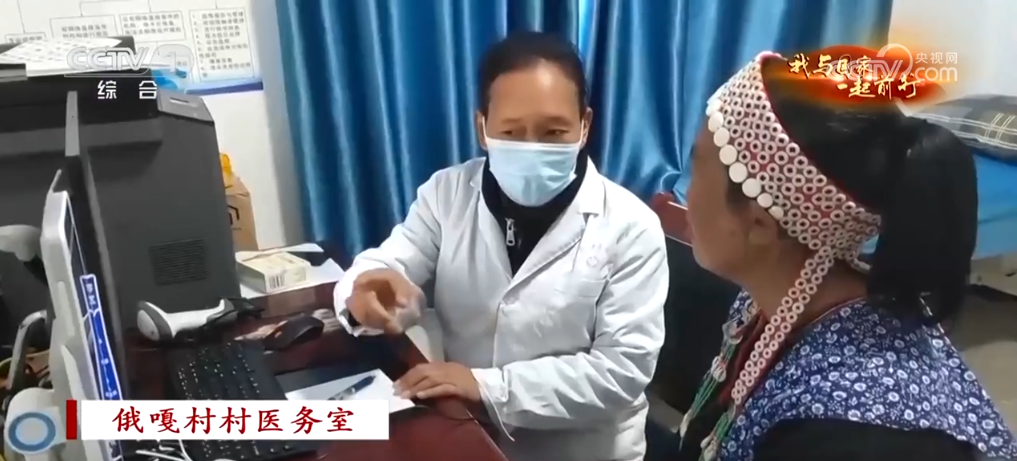
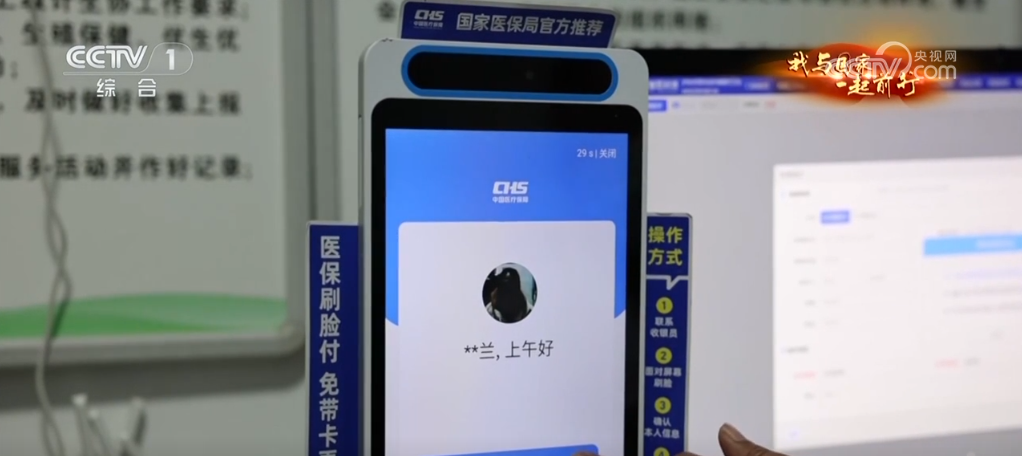
In 2024, in the deep mountains of Nujiang Prefecture, Yunnan, village doctor Cai Niu waited for the long-awaited new equipment. The medical insurance terminal "Village-to-village" has entered the village clinic. This magical tool allows medical insurance reimbursement to no longer cause trouble for villagers. Even elderly people who do not use smartphones can directly scan their faces for medical insurance settlement.
Connecting the medical insurance settlement system to the rural and town medical and health clinics is a key task promoted by the National Medical Insurance Administration to solve the problem of "urgent, difficult and anxious" for the people. At present, 186,600 village clinics across the country have achieved real-time reimbursement. Oga Village, Nujiang Prefecture, Yunnan is more than 3,000 kilometers away from Beijing. Every time you visit the village, you will be seen, saved and viewed on the National Medical Insurance Information Platform.
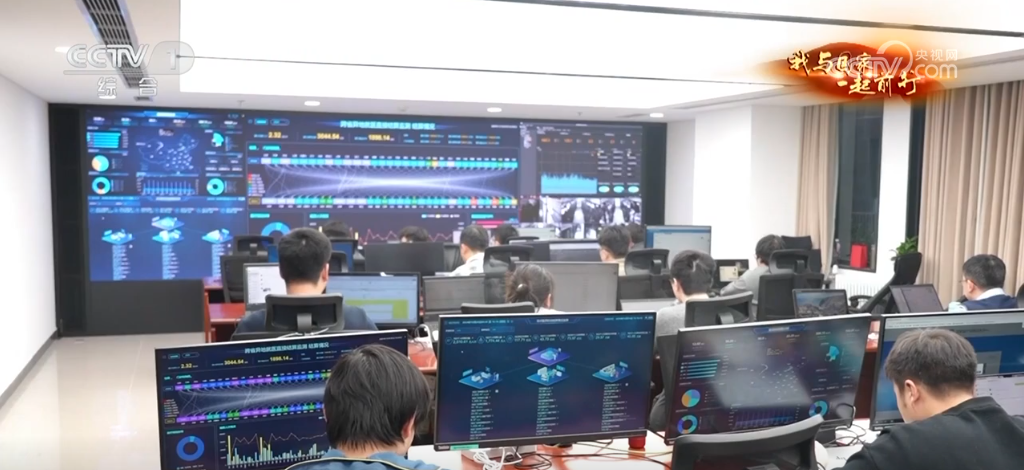
Standing in front of the platform carefully built by oneself and the team, Cao Wenbo, director of the Coding Standards Department of the Big Data Center of the National Medical Insurance Administration, said that the entire construction process, from coding design, policy regulations, technical routes, etc., is designed and improved with the ultimate, perfect and safe requirements.
Recalling the early stage of construction, the medical insurance information system was seriously fragmented, the system construction situation was different in different places, and the difficulties and problems were very different, which made the construction of the national medical insurance information platform face huge difficulties and challenges. In this building, discussions are often delayed until late at night.
In 2019, the national medical insurance information platform was built, and the next step was to connect and integrate it with different systems in various places. Guangdong Province strongly supports the implementation work and decided to use Shanwei City as the first online city. At that time, there were dozens of sets of various information systems related to medical, medical insurance, and medicine in Shanwei City. These systems had to be integrated into one information system. Only one city was launched, and more than 300 people worked for more than 30 days.
After the first city was launched, the National Health Insurance Administration promoted the implementation of the platform in 31 provinces across the country. By March 2022, the national unified medical insurance information platform will be fully completed, achieving efficient connectivity across regions and levels. However, with the explosive growth of the business volume of medical insurance platforms, technology and management challenges are also constantly escalating.
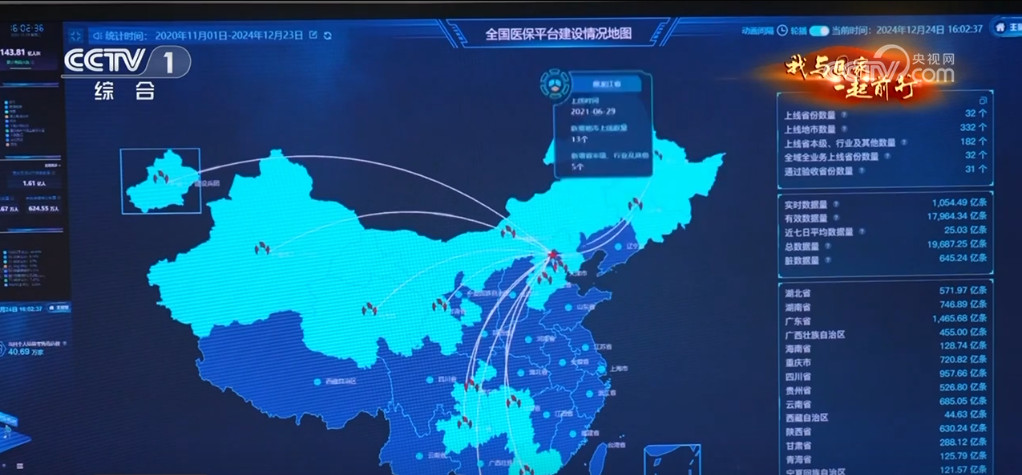
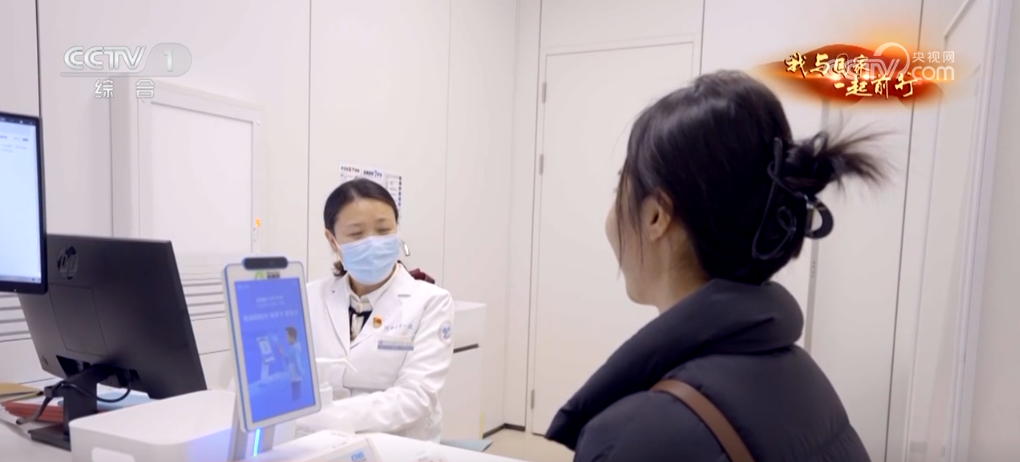
There are data security guarantees and continuous upgrades of services. Nowadays, medical insurance services are within reach, whether in remote mountain villages or urban communities. With just one medical insurance code, more than 1.2 billion people across the country can complete the registration, payment, and purchase of medicine with their mobile phones. As long as online application and approval are applied, real-time settlement of outpatient and inpatients can be achieved nationwide.
In 2024, new functions of the medical insurance platform will be launched again. Now, if one person participates in insurance, the money in his personal account can be used by "spouse, parents, children, brothers and sisters, grandparents, grandparents, grandchildren, grandchildren" for medical treatment and medicine.

In the 2024 medical insurance drug catalog, 91 new and good drugs with high clinical value were added. Before the negotiations, the Medical Insurance Bureau accumulated massive real-world data through the medical insurance information platform to accurately understand clinical use and make pharmacoeconomic evaluations, making medical insurance pricing more scientific and reasonable.
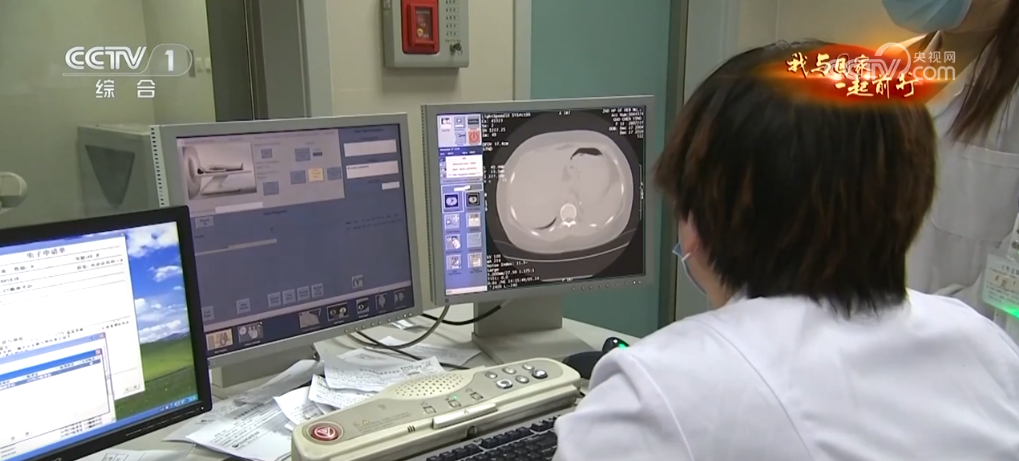
The iteration and upgrading of the medical insurance platform is still continuing. The health data medical insurance image cloud that is being promoted will promote the sharing of examination results of medical institutions, and patients no longer need to "run around" with film; the medical insurance wallet that is expected to be implemented nationwide in 2025 will enable the money from the employee's medical insurance personal account to be given to relatives in other provinces for medical use. In the future, relying on the medical insurance information platform, more practical functions will be launched one after another, allowing the medical insurance information platform to gradually develop into a national medical insurance health service platform.
Continuously add "code" to people's livelihood and happiness
Medical insurance has moved from the "card era" to the "code era". In 5 years, it has covered and benefited 1.2 billion users. Although the medical insurance code is small, it is a big livelihood for people. This is the power of science and technology, and it is also the "warm" of people's livelihood. The country continues to promote medical reform and continuously enhance the people's sense of gain and happiness, which interprets the unremitting pursuit of "Chinese-style modernization, people's livelihood is the most important." We look forward to all localities and departments doing more practical things that warm people's hearts and follow their opinions, and constantly adding "codes" to people's livelihood and happiness.