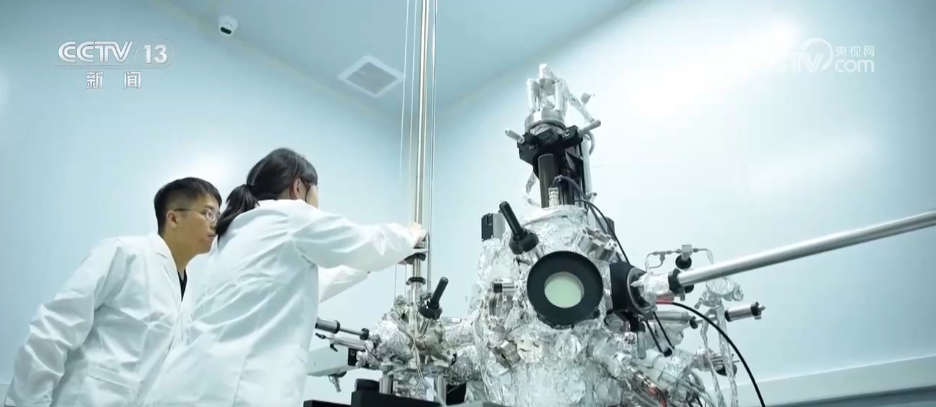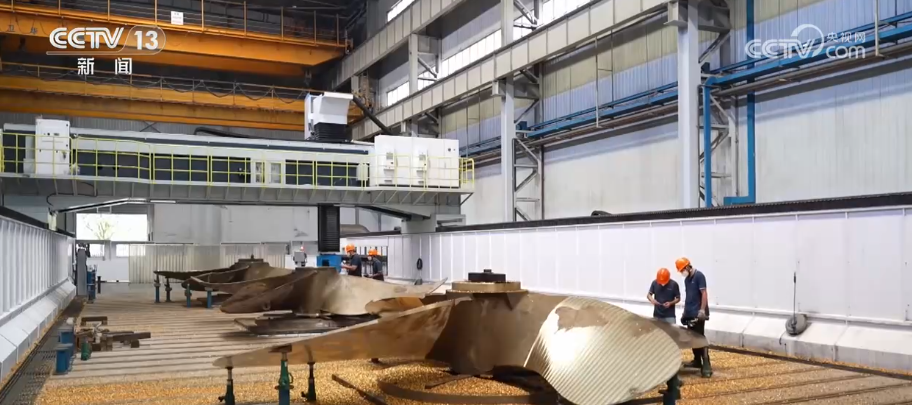
CCTV News: In recent years, a number of major scientific and technological infrastructure and a number of scientific research talents have gathered in Guangdong to drive high-quality development through scientific and technological innovation. A series of reports "Looking at Guangdong in Industrial Change" follows the lens of a reporter from the Central Taiwan Station to visit the science and technology innovation world of the Greater Bay Area. Let’s first look at the large scientific installation to build a “hard core chassis” for innovation in Guangdong.
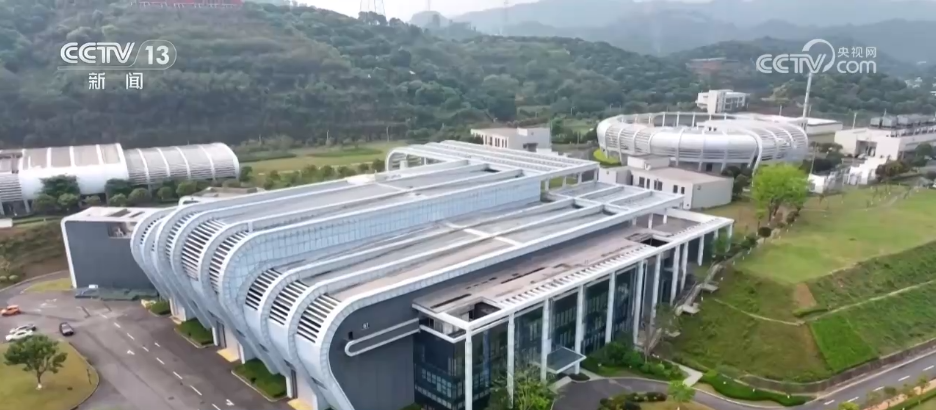
Recently, Wu Zhenduo's team from City University of Hong Kong completed a study on advanced amorphous alloy, a key material for folding screen mobile phone hinges in Songshan Lake, Dongguan, Guangdong. The smooth progress of this research is due to the first and fourth pulse-type spalling neutron source in my country and the fourth in the world built here.
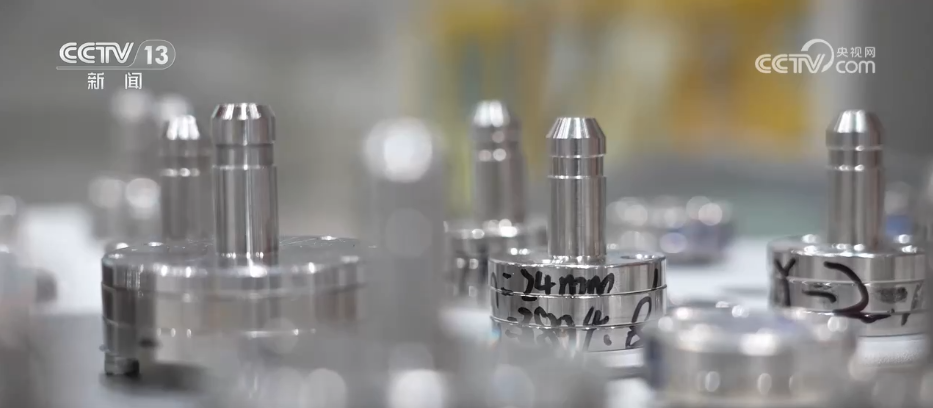
Wu Zhenduo told reporters that with the settlement of the spalling neutron source, scientific research institutions and teams such as the University of the Greater Bay Area, Songshan Lake Materials Laboratory, began to gather here, forming a unique "scientific research honeycomb" phenomenon.
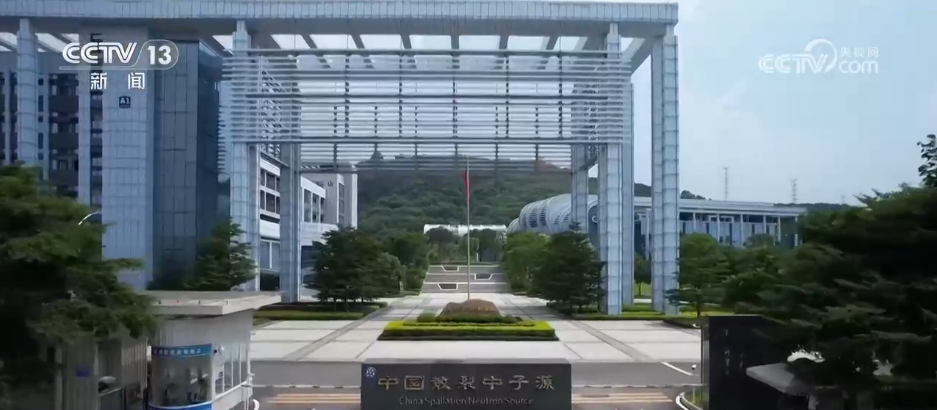
As of now, the Guangdong-Hong Kong-Macao Greater Bay Area has 10 major scientific and technological infrastructure and 2 national laboratories. At the same time, 26 national key laboratories have been implemented in Guangdong, attracting 1.58 million R&D personnel to gather in the Greater Bay Area to carry out cutting-edge basic research.
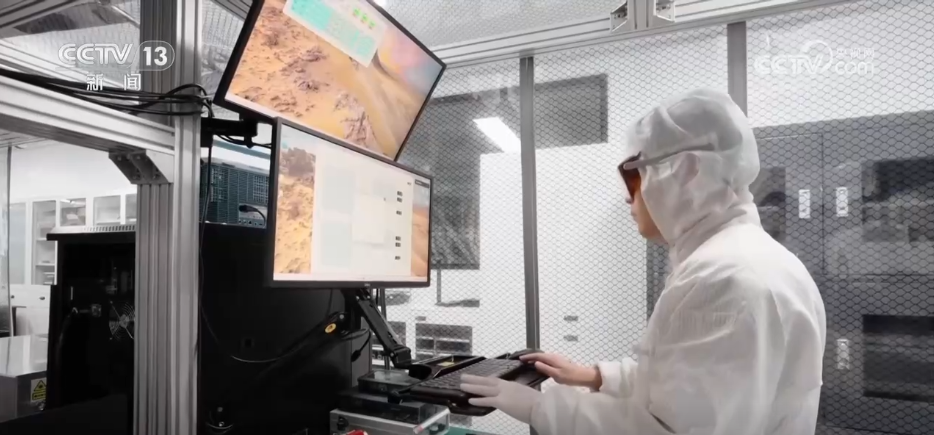
Create a "strong magnetic field" for talents and create a great future for science and technology in the Bay Area
Attract many scientific research talents to choose the Greater Bay Area and take root in the Greater Bay Area. In addition to major scientific and technological infrastructure, there is also a local policy chain that runs through employment, housing and entrepreneurship.
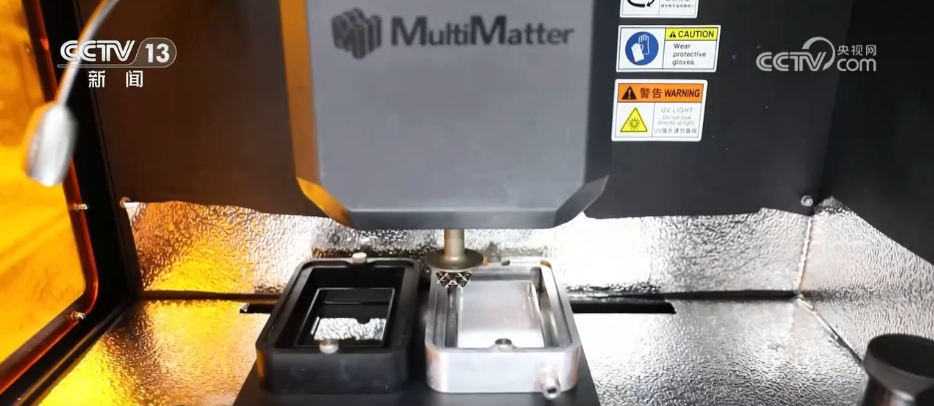
In the Multifunctional Additive Manufacturing and 4D Printing Laboratory of Southern University of Science and Technology, Professor Ge Qi is leading the team to research centrifugal DLP multi-material 3D printing technology. This technology can achieve nearly zero pollution switching between multiple materials and is widely used in communications, medicine and other fields. Professor Ge Qi studied and taught in the United States and Singapore. At the end of 2018, after learning about the good innovation ecology and environment of the Greater Bay Area, Professor Ge decided to return to China to develop.
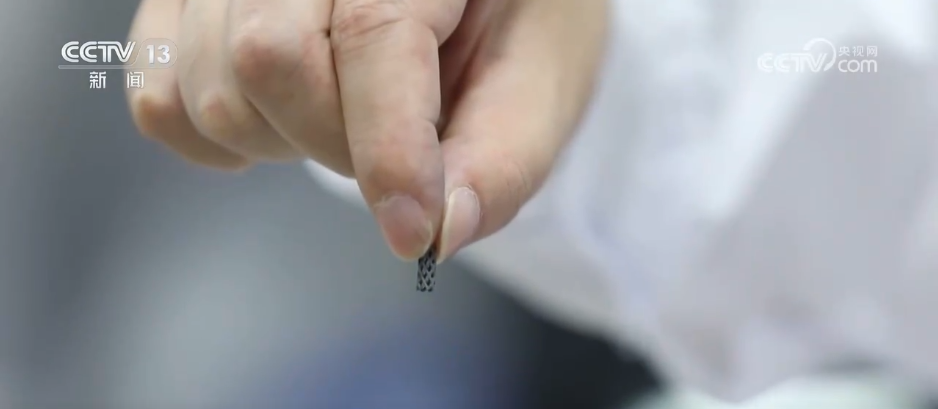
In recent years, in order to solve the worries of job seekers, Guangdong has launched the "five-have" policies for college graduates with employment subsidies, entrepreneurship support, innovation funding, job search and residence, and settlement subsidies. It has introduced the "three-good" policies for high-level talents to benefit postdoctoral students, the treatment of urgently needed talents, and the services of high-level talents, and strives to create a good ecology conducive to talent innovation and entrepreneurship. At present, Guangdong has more than 150 academicians in the two academies in Guangdong, with 1.58 million R&D personnel and more than 14,000 postdoctoral students in the station.