
CCTV News: At 10:33 on January 5, Beijing time, China ushered in the 23rd solar term of the twenty-four solar terms - Xiaohan. The Little Cold Solarity also marks the coming of the coldest period of the year. Before the arrival of the Little Cold solar term, the Chinese Center for Disease Control and Prevention released the national monitoring of acute respiratory infectious diseases sentinels from December 23 to December 29, 2024. At present, acute respiratory infectious diseases generally show a continuous upward trend, with different pathogens causing infections, and the positive rate of influenza viruses has increased rapidly.
The positive pathogens in outpatient emergency testing in sentinel hospitals are mainly influenza virus, human metapneumovirus, and rhinovirus.
The positive pathogens tested by hospitalized severe acute respiratory infection cases are mainly influenza virus, Mycoplasma pneumoniae, and human metapneumonia virus.

In other words, influenza is one of the most important pathogens in both outpatient and emergency cases and severe hospitalized cases. There are regional differences between the north and the south and differences between people of different age groups.
The levels of influenza activity vary between provinces, and the rise in northern provinces is slightly obvious, but it is still lower than the same period last year.
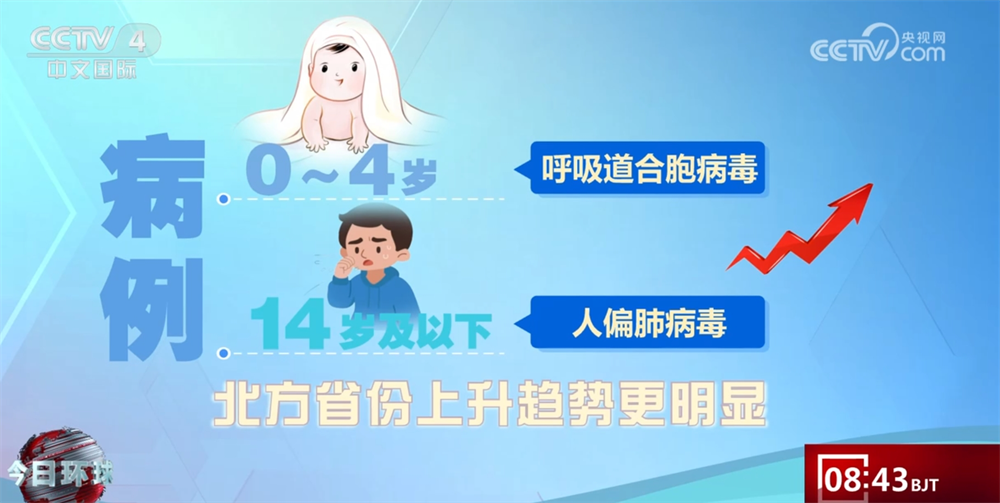
Among the cases aged 0 to 4 years old, the positive rate of respiratory syncytial virus and among the cases aged 14 and under, the positive rate of human metapneumovirus showed a fluctuating upward trend, and the upward trend in northern provinces was more obvious.
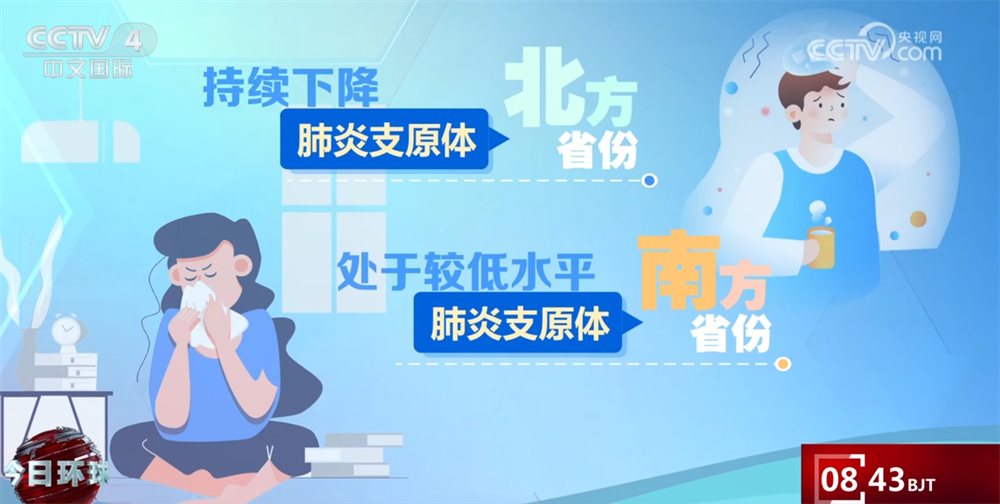
The positive rate of Mycoplasma pneumonia in northern provinces continues to decline, while Mycoplasma pneumonia infection in southern provinces is still at a low level.
The positive rate of rhinovirus continues to decline, and the positive rate of adenovirus shows a fluctuating and downward trend.