CCTV News: Recently, when you visit online stores or offline supermarkets, you may find that some e-commerce platforms and supermarkets have "foreign trade excellent products" areas have appeared. Since April this year, under the impact of the US's excessive tariff policies, Chinese foreign trade companies have faced huge challenges. Under the challenges, all localities and departments have taken active actions to build a platform for foreign trade enterprises to expand domestic sales, and increase their assistance to foreign trade enterprises to expand domestic sales in terms of market access, channel development, and service guarantee. The News Channel will launch a series of reports "Transfer to Domestic Sales Observation" from May 6th. Let’s show you how foreign trade companies can respond to challenges and break through the siege behind countless "foreign trade products" zones with their huge market.
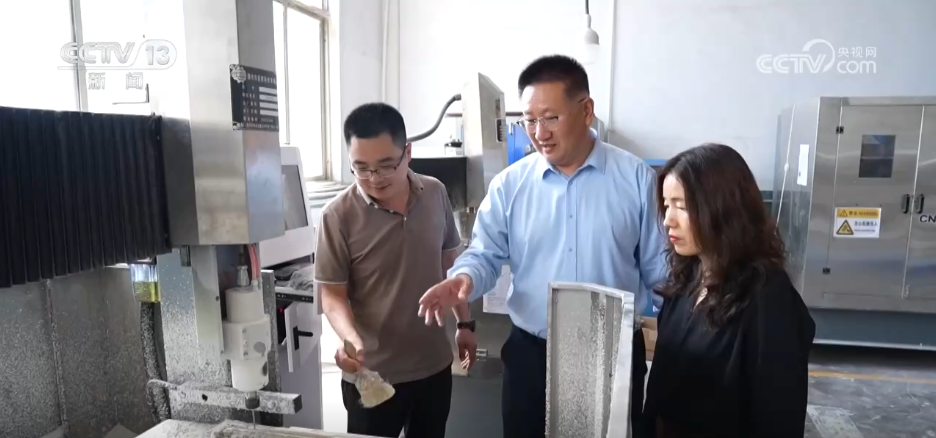
In Linyi, Shandong, there is a foreign trade enterprise engaged in ceramic manufacturing for more than 60 years, with an annual output value of more than 400 million yuan. It is the veritable "ceramic king" in the local area. 40% of the products exported by the company are sold to the US market. Faced with external challenges, the company decided to explore the domestic market. With a brand new market and a brand new channel, what challenges will this "second entrepreneurship" path be? Let’s see the reporter’s research in this company.
When the reporter came to the company, he caught up with the salesman from the e-commerce platform to help the company build an online store. Choose the style, size, see the translucency, and after a series of products, the company's online store will be completed in 3 minutes.
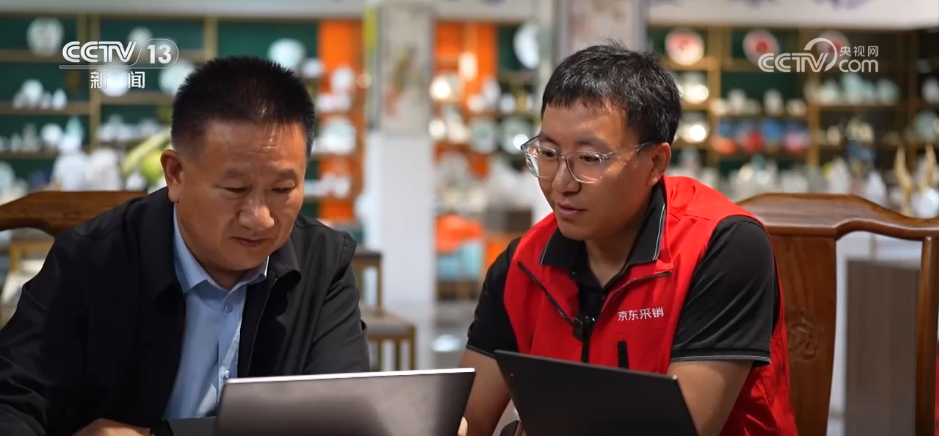
Zhang Bin, head of the foreign trade business of this ceramic company. While the United States' abuse of tariffs has made companies feel angry, it is also caught off guard. Zhang Bin said that this is the first time he has encountered such a situation. The goods piled in the warehouse worth tens of millions cannot be shipped, and warehouse management fees and labor fees are spent every day, which doubles the pressure on Zhang Bin, but there are still things that are more difficult than this. "The kilns that produce ceramics require a specific temperature and cannot be turned off. If they want to return to a specific temperature after turning off the fire, they will need to spend more than 100,000 more," he said.
One side is the goods that cannot be shipped, and the other side is the production line that cannot be stopped. I can't wait, nor do I want to wait.
At a loss, Zhang Bin received a call from the e-commerce platform. In less than 24 hours, the e-commerce platform's enterprise salesmen had arrived from Beijing to help the company build online stores. Zhang Bin said: "I really didn't expect that JD.com people would come to me and sell products through e-commerce. I had known that domestic e-commerce was developing rapidly, but this time I really felt the speed of China." What Zhang Bin didn't expect was that under the guidance of the Ministry of Commerce, major domestic e-commerce platforms have successively introduced relevant policies to help foreign trade products explore the domestic market.
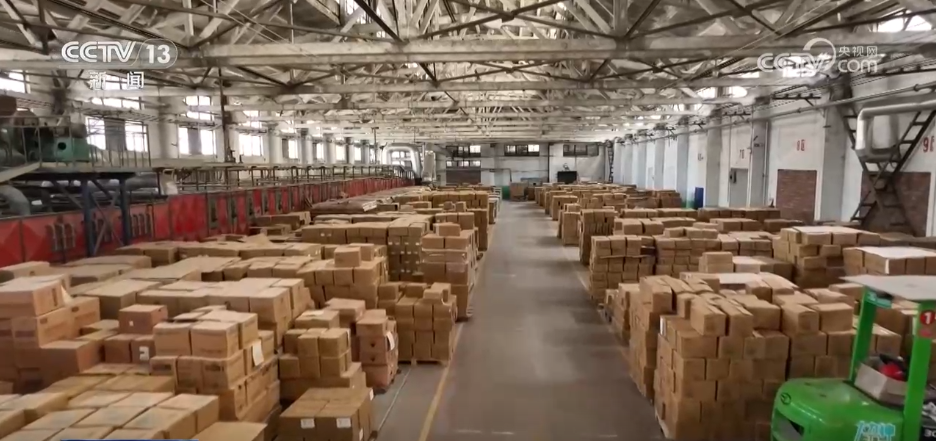
With the joint efforts of multiple parties, a foreign trade enterprise that has never been a domestic trade has established a sales channel for the domestic market for the first time. Seeing that he could breathe a sigh of relief, Zhang Bin encountered new problems. "See that other merchants can sell 10,000 orders in an hour, while our maximum orders are 1,000 or 2,000 orders a day. After so many years of foreign trade, there is definitely no problem with product quality and standards. I don't know where the problem is, and I can't find the direction."
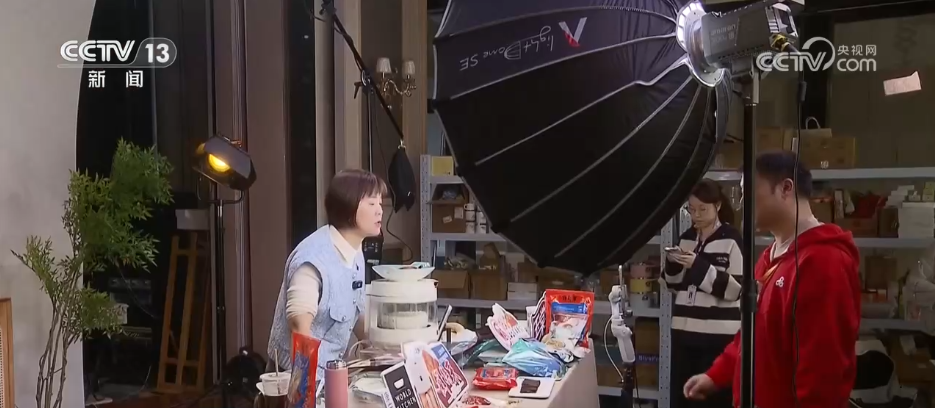
In Zhang Bin's view, he has been doing foreign trade business for most of his life, and his products are exported to more than ten countries including the United States, the United Kingdom, Russia, Germany, etc. From hotel porcelain to aviation porcelain, every single product is a "trump card product". This sales "Waterloo" seems to be unreasonable. Different markets, different channels, and different consumption habits, for Zhang Bin, "turning" is to step out of the original "comfort zone" and start a difficult journey. Organize a special e-commerce team to study domestic consumers' preferences, design small-sized meal plates that are more popular among consumers, and launch "plate blind boxes" that meet consumers' diverse needs. A series of attempts have gradually increased orders in online stores.
Of course, “steering” is not that easy.
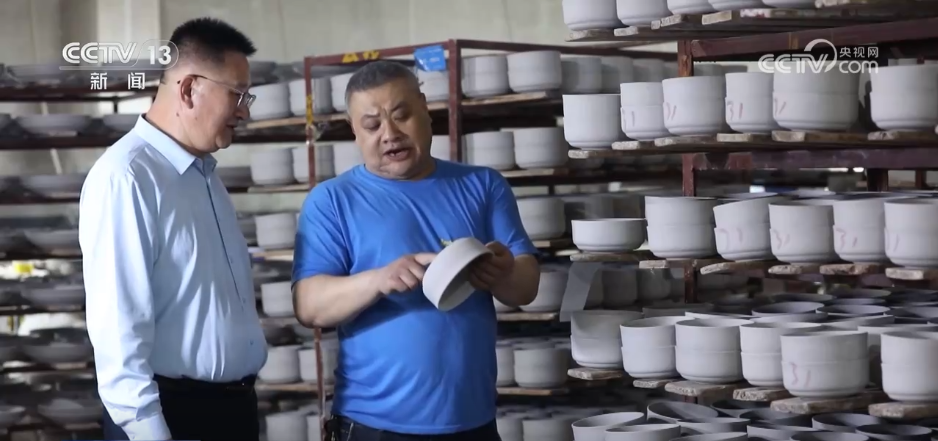
Several days ago, through the Internet channel, the company received a customer's customized order. But when the other party put forward specific needs, Zhang Bin realized that things were not that simple. "I just gave a pattern, but asked to design more than a dozen products. In foreign countries, the orders given to me were batch, and organizing production was relatively simple." There are many specifications and few orders, and a lot of manpower is required to design. Even if the design plan and samples have been rejected by the customer more than a dozen times, Zhang Bin regards this as an important opportunity for transformation.
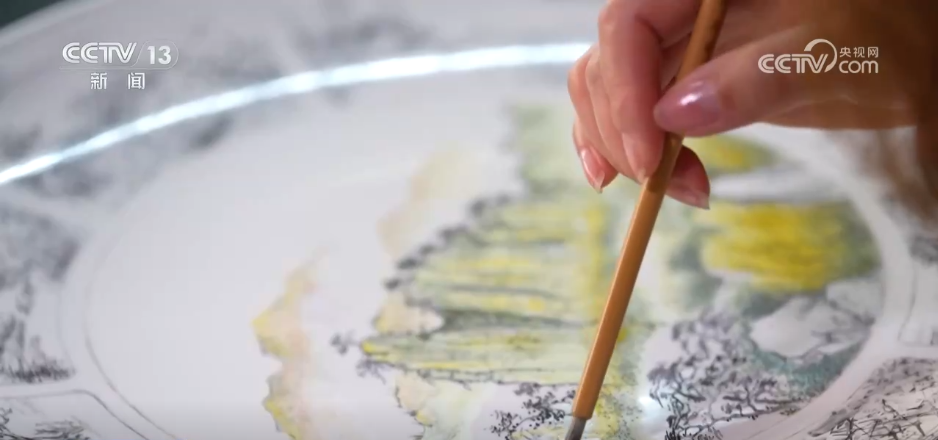
Innovative design is just the first step Zhang Bin takes. Just in the past few days after the reporter's interview, a batch of new equipment has been put into production at the factory one after another, ranging from rubber rings that cost a few dollars to automatic inkjet printers that cost millions of dollars. "After changing the rubber ring to a beef tendon ring, the quality will be improved by more than 5 points." Zhang Bin said.
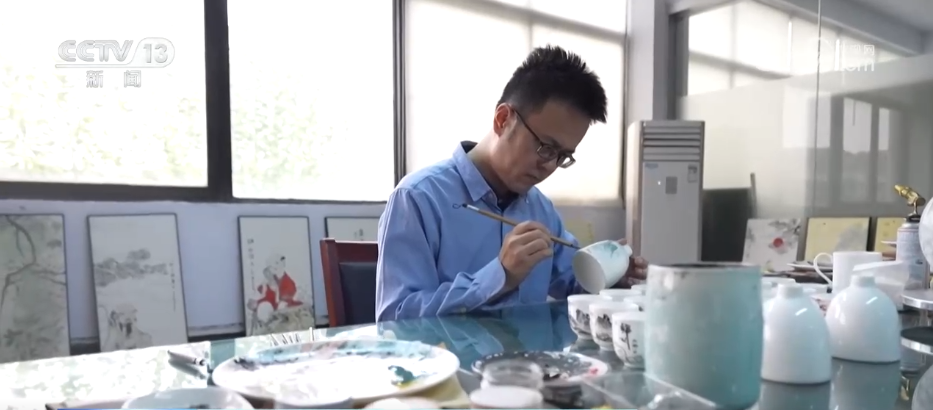
Now, Zhang Bin has signed agreements with more than a dozen e-commerce platforms, and more than 30 domestic customers have signed private customized orders.
In Linyi, there are currently more than 1,200 companies engaged in foreign trade business, and the local area is also actively expanding the domestic market of these foreign trade companies. 18 measures to help enterprises open up new sales channels by building the "Linyi Mall" brand, building a public information service platform for commercial logistics, and increasing various e-commerce talent training subsidies.