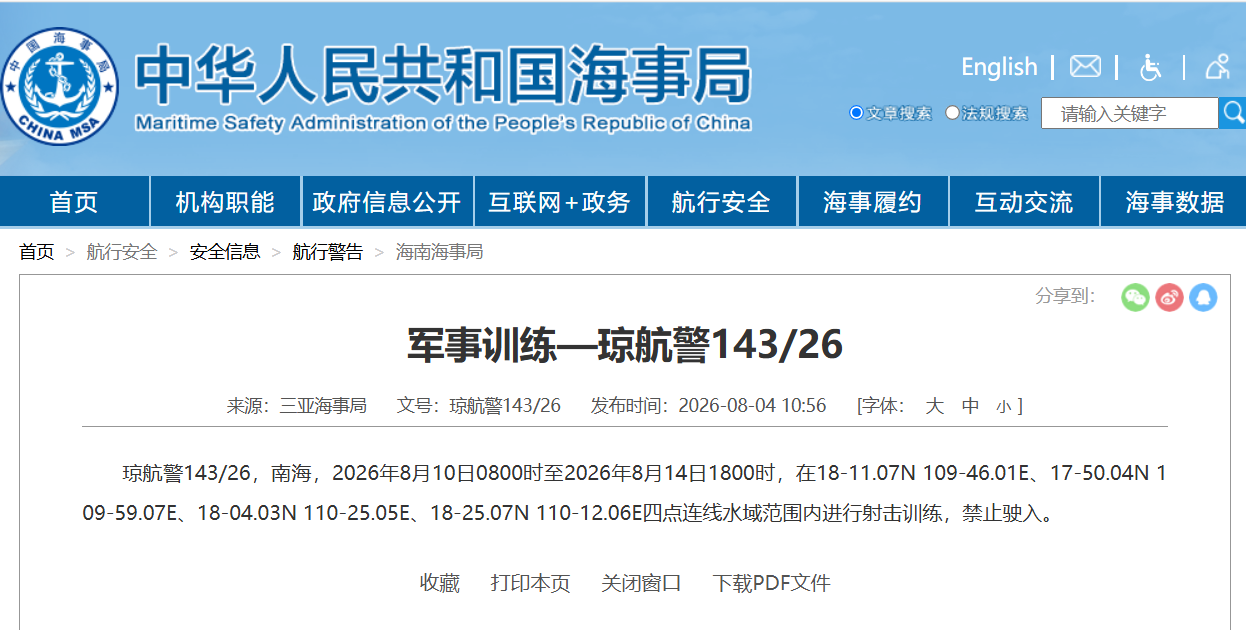
CCTV News: This year marks the 20th anniversary of the creation of the National Wetland Park. The National Forestry and Grassland Administration recently announced that over the past 20 years, my country has promoted the construction of national wetland parks with high quality, and established a total of 903 national wetland parks, effectively protecting 2.4 million hectares of wetlands across the country, providing sufficient space for the habitat and reproduction of national key wild animals and plants.
In recent years, my country has continued to increase its efforts in wetland protection and accelerated the construction of a wetland remote sensing monitoring system and patrol management system, and protected a large number of high-ecological value wetland resources with a rescue-based rescue of the wetland area accounting for 4% of the country. At the same time, the development of tourism, cultural experience, nature education and other industries in wetland parks is continuously optimized. At present, about 90% of national wetland parks are open for free, with significant ecological, social and economic benefits.
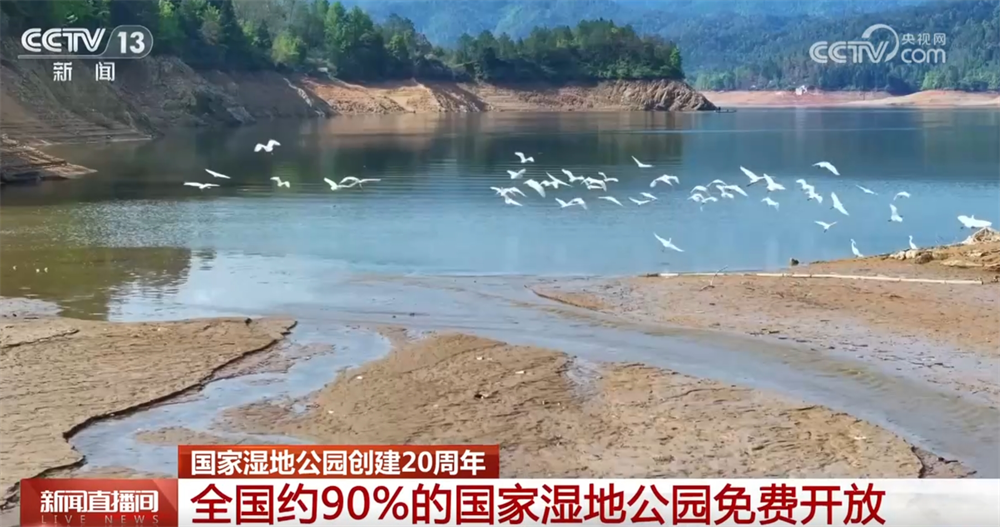
Dong Ye, deputy director of the Wetland Department of the State Forestry and Grassland Administration, said: "Since the 18th National Congress of the Communist Party of China, my country has implemented more than 3,700 wetland protection and restoration projects in total. Up to now, the national wetland area has been stable at more than 56.35 million hectares. A total of 82 internationally important wetlands were designated and 58 nationally important wetlands were identified. A wetland classification management system has been initially built, and a series of wetland protection and development experiences that are in line with China's national conditions have been explored and accumulated."
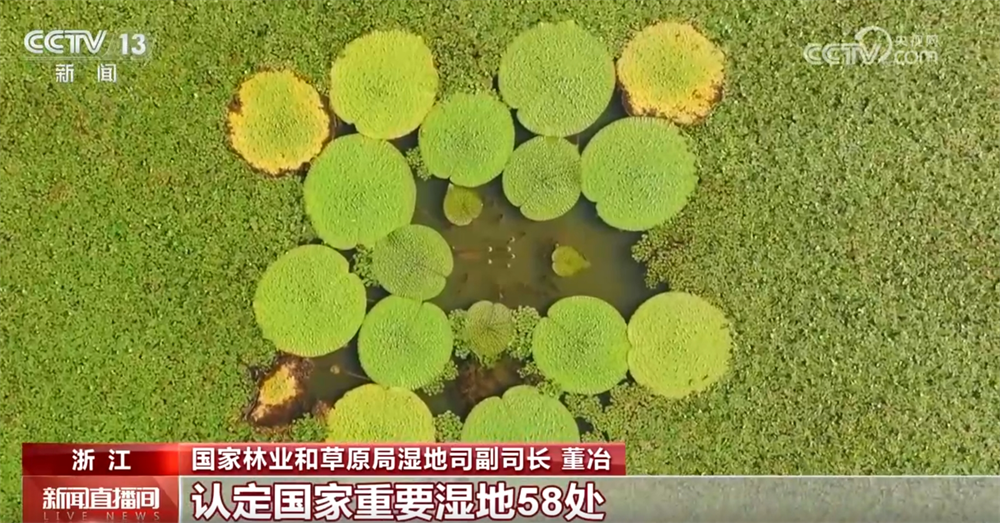
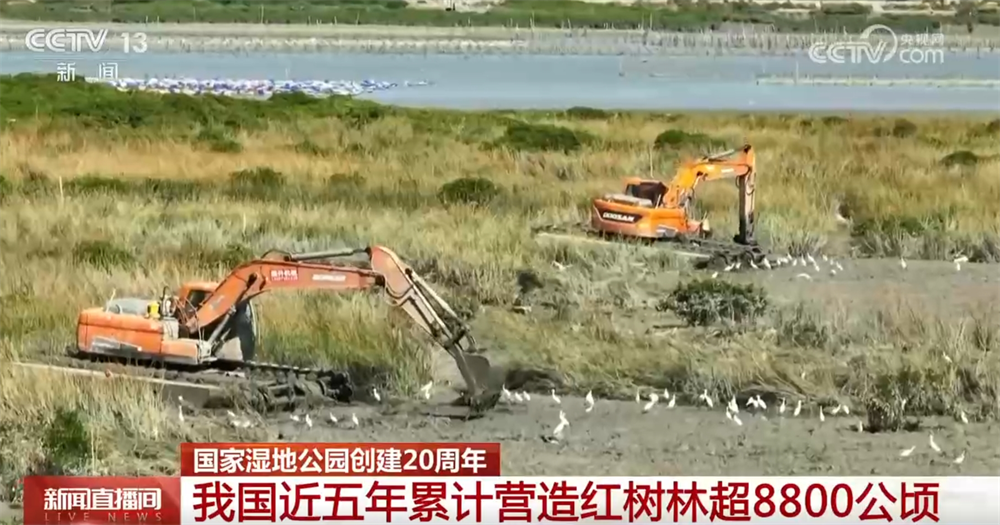
At the same time, a special action plan for mangrove protection and restoration has been implemented, and more than 8,800 hectares of mangroves have been built and 8,200 hectares of mangroves have been restored in the past five years. We have promoted the special action plan for the prevention and control of mutual flower rice and grass, and used 73,300 hectares of mutual flower rice and grass except for the invasive species in wetlands, curbing the unlimited spread of mutual flower rice and grass, and making contributions to the global wetland protection cause.
Yan Zhen, deputy director of the National Forestry and Grassland Administration, said: "Accelerate the construction of a new protected area system, formulate a natural protected area integration and optimization plan, strengthen the construction of national wetland parks, and continuously improve the protection results. Strengthen international cooperation and scientific and technological support, and actively participate in global ecological governance."
The 20th anniversary of the creation of the National Wetland Park: All localities jointly protect wetlands and protect biodiversity
As the natural green lungs of cities, wetland parks have played an important role in improving the regional ecological environment. It effectively alleviates the urban heat island effect by absorbing carbon dioxide, releasing oxygen and regulating the climate. At present, various places are taking multiple measures to jointly protect wetlands and protect biodiversity.
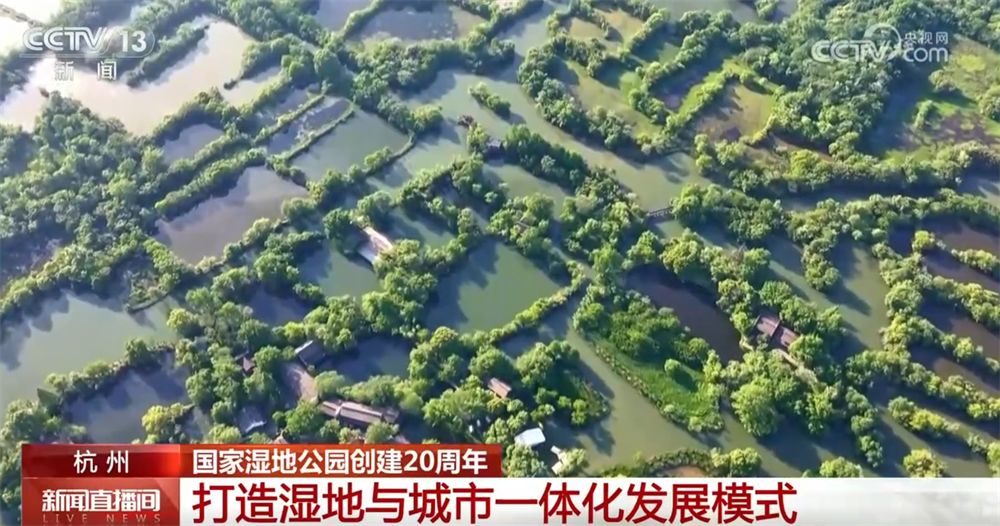
Hangzhou Xixi National Wetland Park is the first national wetland park in my country. The local area has always adhered to the principle of ecological priority and minimum intervention, continuously upgraded the wetland management methods, and explored the formation of a "gold-inlaid jade" model in which wetlands are "jade" and surroundings are "gold", and wetlands and cities are integrated development. As of the end of 2024, Xixi Wetland had 971 vascular plants, 918 insects, and 224 birds, respectively, with 750, 441, and 155 species respectively compared with 2005.
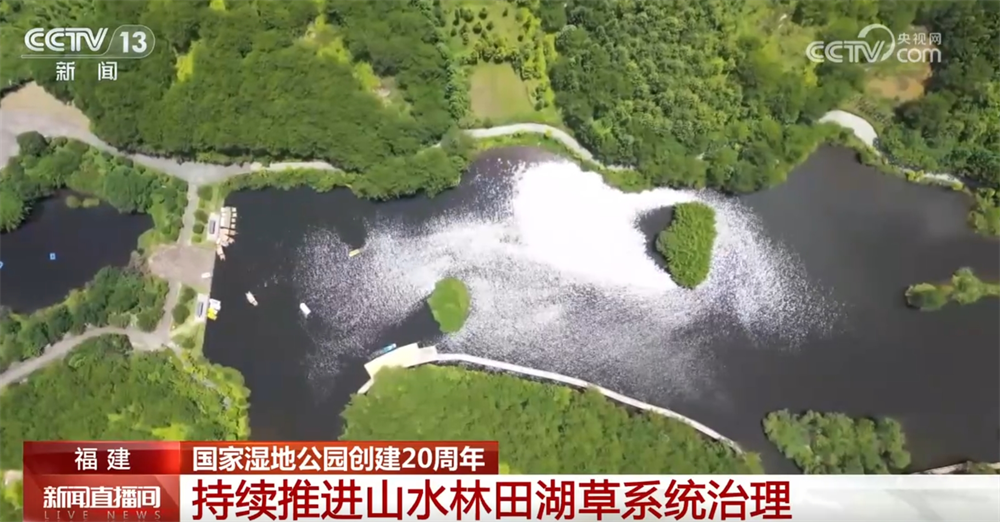
In the Tingjiang National Wetland Park in Fujian, the local area continues to promote the systematic management of mountains, rivers, forests, fields, lakes and grasslands. At present, the wetland area reaches 466.8 hectares. The "Flame Mountain" of the past has now become a wetland park. The surrounding ecological environment has been continuously improved, and the water storage and soil conservation capacity has been effectively improved.
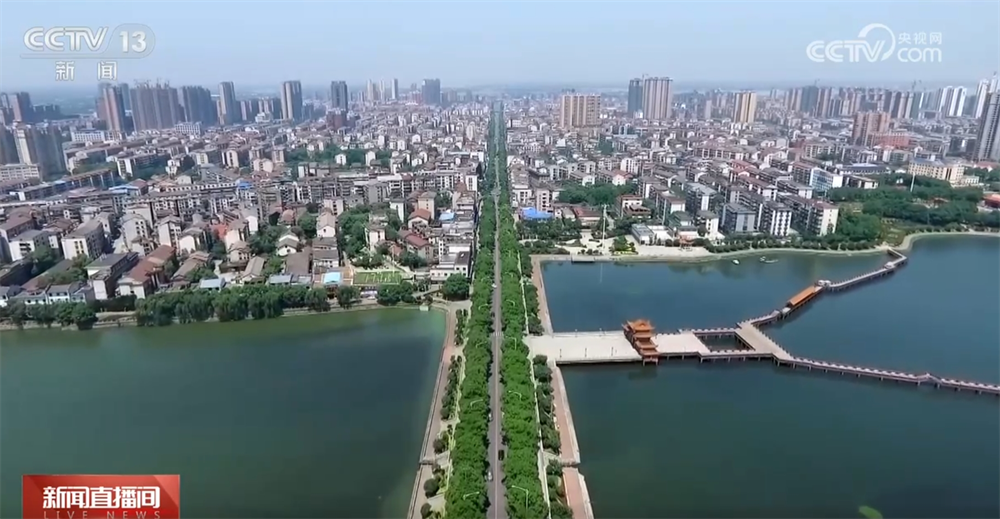
In the Yuxia Lake National Wetland Park in Jiangxi, the local area carries out integrated sky and ground monitoring, and through satellite remote sensing, drone cruise, ground air moisture soil monitor monitoring, the water quality of the wetland park and more than 800 animals and plants are monitored and protected 24-hour uninterrupted monitoring and protection of the water quality of the wetland park and more than 800 animals and plants.

Xiao Xiaodong, director of the Protection Center of Yuxia Lake National Wetland Park in Xiajiang Province, said: "Compared with the survey data when the park was established, the number of recorded species has increased by 368, and the number of biological species and the abundance of biodiversity has been further improved."
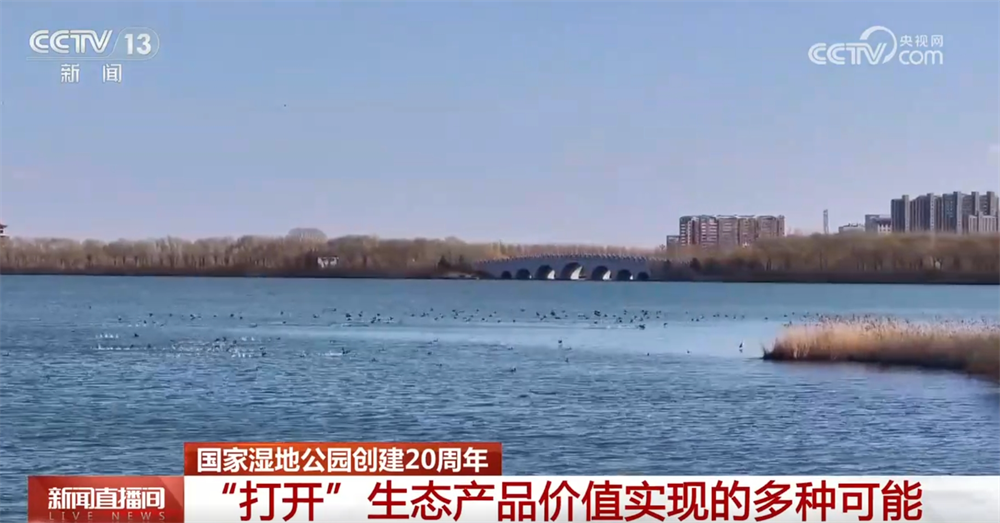
The 20th anniversary of the creation of the National Wetland Park: "Opening" various possibilities for the realization of the value of ecological products
In the process of building national wetland parks, various places also drive local economic development by providing a beautiful ecological environment, excellent ecological products and high-quality ecological services, and open up various possibilities for realizing the value of ecological products.
In the past few days, Qionghu National Wetland Park, located in the Yuanjiang River in Hunan, is planting submerged aquatic plants in shallow water areas near the shore. This year, about 300,000 square meters of aquatic plants have been planted here.
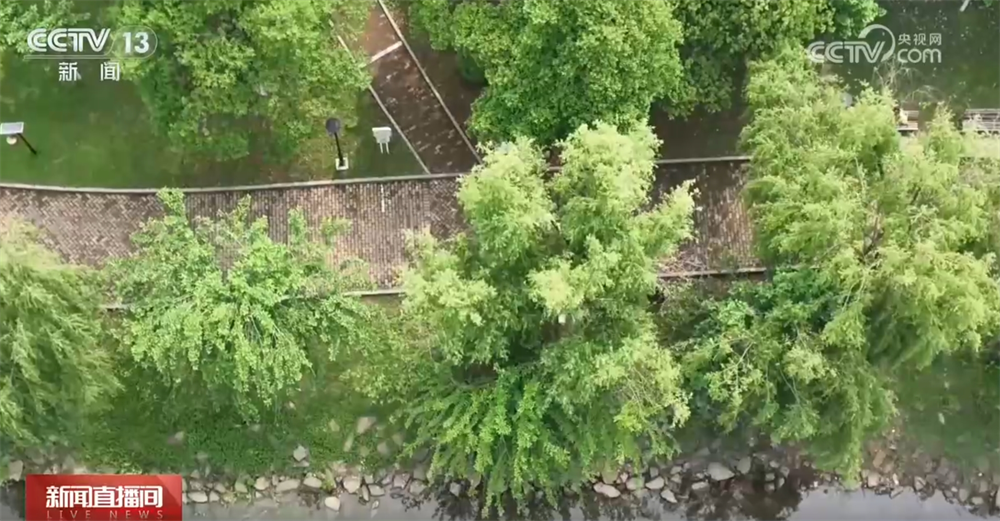
After years of governance, the "underwater forest" biodiversity of Qionghu National Wetland Park has gradually become richer. The forests and water are connected, and the local area also paves trails, bicycle paths, etc. to facilitate citizens to come for leisure and exercise, go outings and enjoy the spring.
In Jilin Nenjiangwan National Wetland Park, the number of bird populations here has maintained growth for three consecutive years. On the premise of protection priority, the local area has developed low-carbon tourism projects such as ecological bird watching. The management model that emphasizes both protection and opening not only protects biodiversity, but also feeds back to wetland maintenance through the benefits of ecological tourism.
In the Xiajiang River in Jiangxi, the local area has built the villages around Yuxia Lake National Wetland Park into tourist attractions. Villagers' average household income increased by 10,000 yuan in 2024 by developing homestays, fishing houses and other business formats.