CCTV News: Seafood is an indispensable delicacy for many family holiday tables. During the May Day holiday, a wide range of seafood in the market ushered in a peak in consumption. From the beach to the dining table, the seafood market, as a transit station, is accelerating to grab the "fresh" listing.
Fujian Mawei Strait Aquatic Products Trading Center is one of the largest aquatic product spot trading markets in the country, with more than 300 varieties trading here every day.
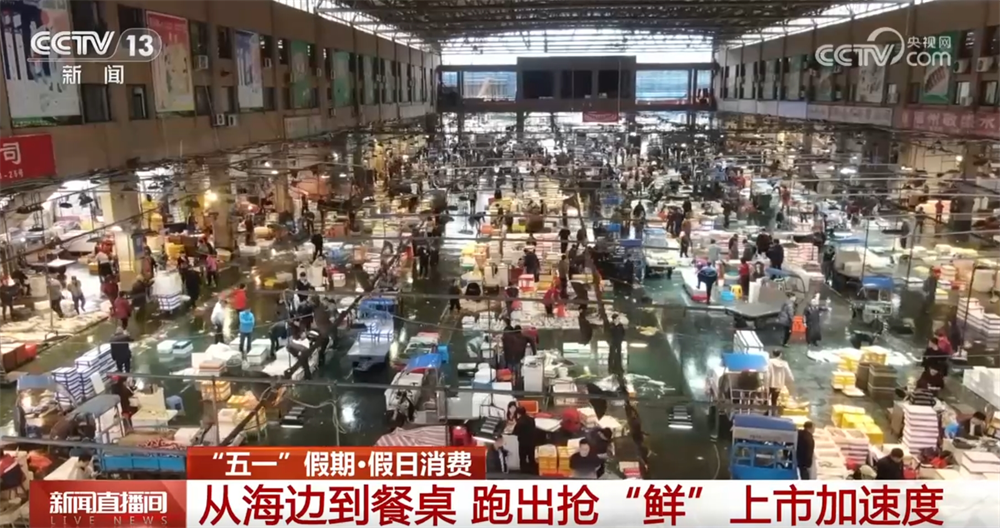
Not only coastal areas, but also inland urban seafood markets have ushered in a wave of consumption boom. At 2:30 in the morning, the reporter saw that the entry of the Beijing Dahongmen Jingshen Seafood Wholesale Market was endless, and the logistics parking lot was full of trucks unloading.

After the queued cold chain logistics truck arrived at the unloading location, the market merchant unloaded the goods as quickly as possible, transferred them onto the truck, and pulled them back to the store. Starting from 3 a.m., these seafoods were transported away by logistics one after another, and there was almost nothing left at 9 a.m.
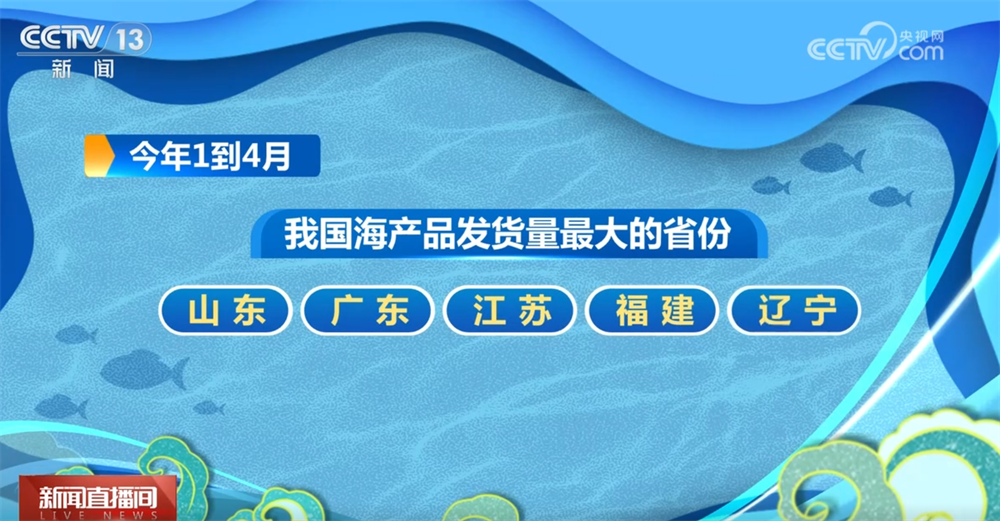
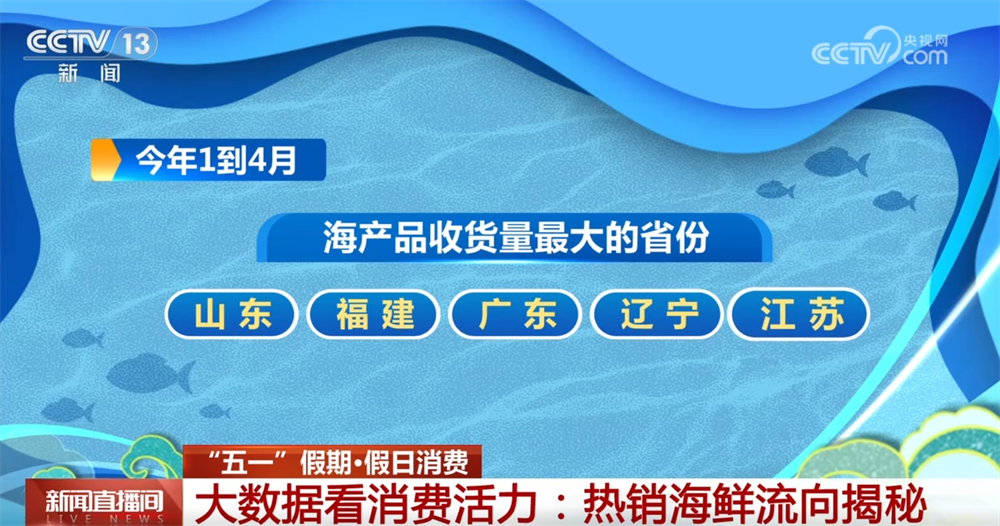
Big data to see consumption vitality: The flow of hot seafood revealed by the logistics platform's latest data shows that from January to April this year, the provinces with the largest seafood shipments in my country were Shandong, Guangdong, Jiangsu, Fujian and Liaoning, and the provinces with the largest seafood shipments were Shandong, Fujian, Guangdong, Liaoning and Jiangsu.
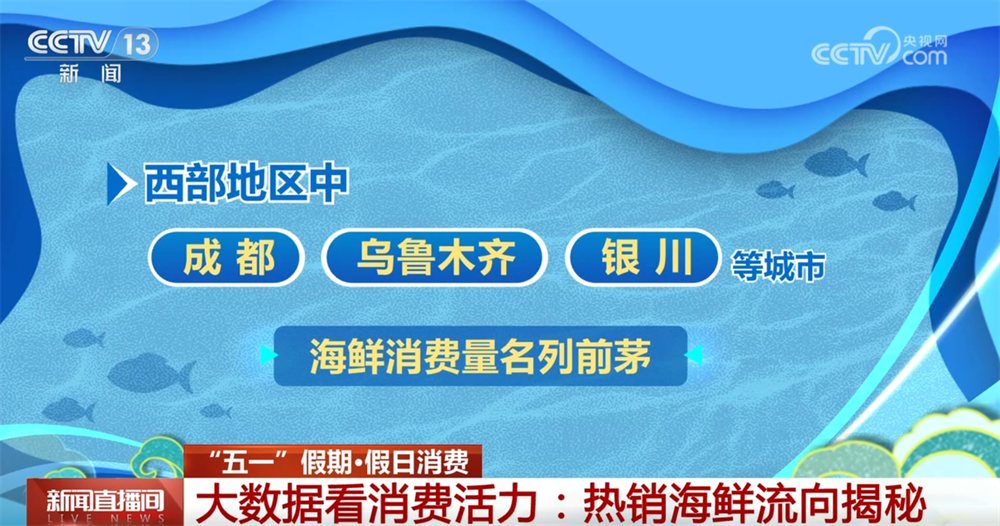
In addition, in the western region, cities such as Chengdu, Urumqi, and Yinchuan also rank among the best in seafood consumption.
Looking at the national market, the top five provinces with oyster shipments are firmly ranked first, and they can be said to be a veritable "star seafood". Oysters produced in Shandong Rushan, Guangdong Zhanjiang, Fujian Zhao'an and other places have become well-known brands. In addition, seafood such as conch, shells, 60s, and clams have also become frequent visitors on the May Day dining table.
Fresh food "goes" to grassland pastoral areas, and logistics and breeding are both "powerful".
In the interview, the reporter found that now, the rapidly developing cold chain logistics and the continuous breakthrough breeding technology have brought more and more fresh aquatic products to a further distance.
At 10:55 am, a flight from Guangzhou landed at Hohhot Baita International Airport. Several boxes of crabs were transported and arrived in Inner Mongolia from the southern coast. In order to cope with the arrival peak during the May Day holiday, the airport optimized its operating process in advance, shortened the unloading time to 50 minutes, and pressed the "acceleration button" to grab the seafood to go on the market.

And one and a half hours before the flight landed, the transporter received a pickup notice and went to the airport to standby in advance. After the flight is unloaded, after the freight bill signing and payment processes, the seafood is loaded into the truck and delivered to the stalls of 8 cargo owners in the shortest time in two seafood wholesale markets.
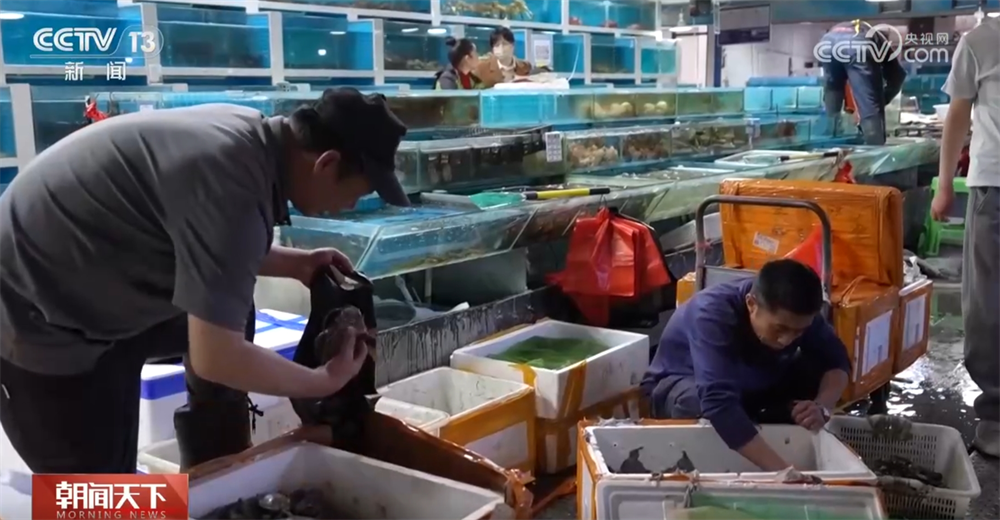
In Inner Mongolia, the aquatic products on the dining table not only include "sea flavour" from afar, but also "fresh goods" from local farming.
In Wushen Banner, Ordos, the local area introduced South American white shrimp shrimp seedlings from Hainan, mixed the saline-alkali water of the Yellow River and diluted the well water to simulate the seawater environment, and allowed South American white shrimp to "settle" on the grassland.
Burenmandu, a farmer in southern white shrimp in Wushen Banner, Ordos City, called: "The daily production of fresh shrimp has reached 500 kilograms. With the arrival of the May Day holiday, sales volume increased by 30% year-on-year, and sales are expected to reach 180,000 yuan."
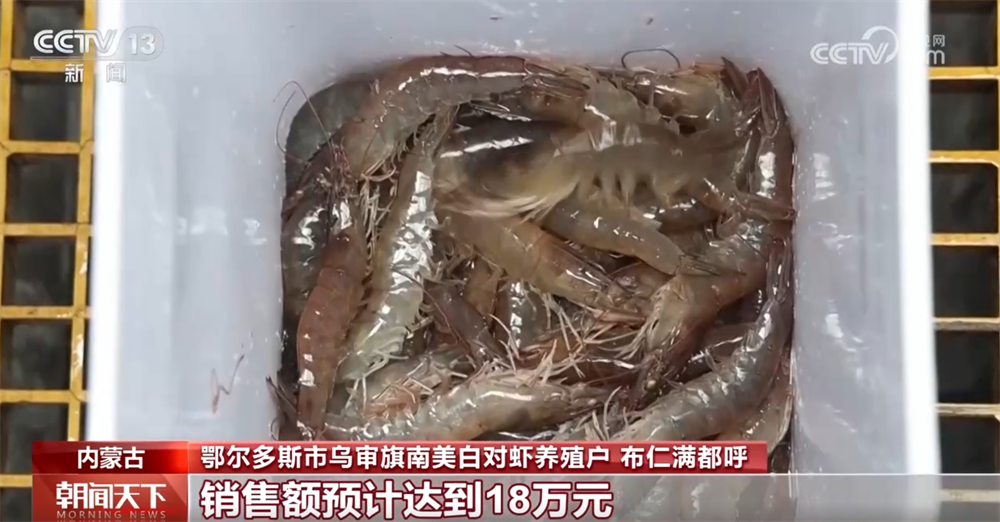
One morning, Burenmanduhu received 16 orders. He equipped with professional transport vehicles, oxygen-beating equipment and live shrimp oxygen-filling transport bags, expanding the sales radius of South American white shrimp to 200 kilometers around Ordos. Fresh shrimps can be delivered to customers within 2 hours at a slowest. Herder Si Qinghua ordered 5 kilograms of South American white prawns.
S Qinghua, a herdsman from Wushen Banner, Ordos City, said: "We generally eat less shrimp here. Now we have raised local shrimps here, so we will try it fresh."
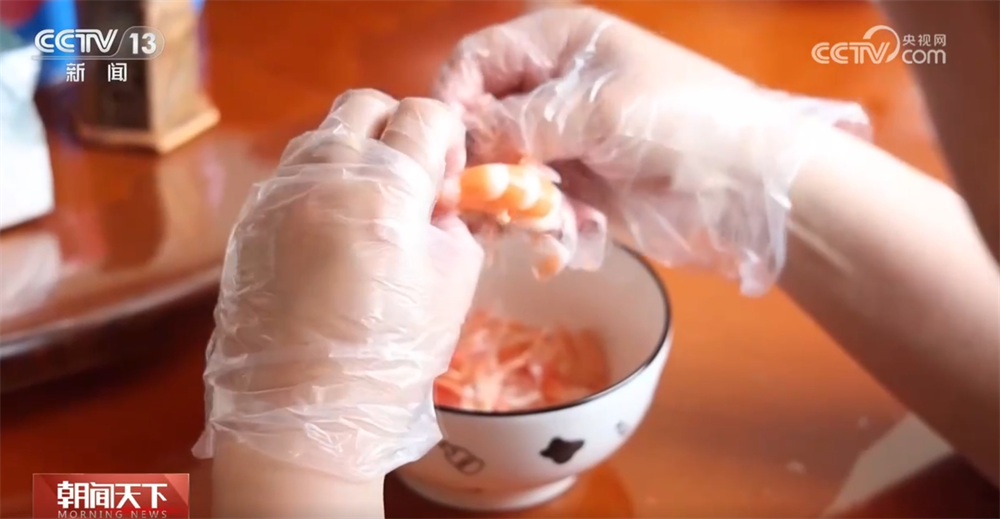
Now, with the breakthrough in breeding technology, the scale of white shrimp farming in Inner Mongolia has increased to 15,000 mu, and more and more grassland families have a local umami flavor on the table.