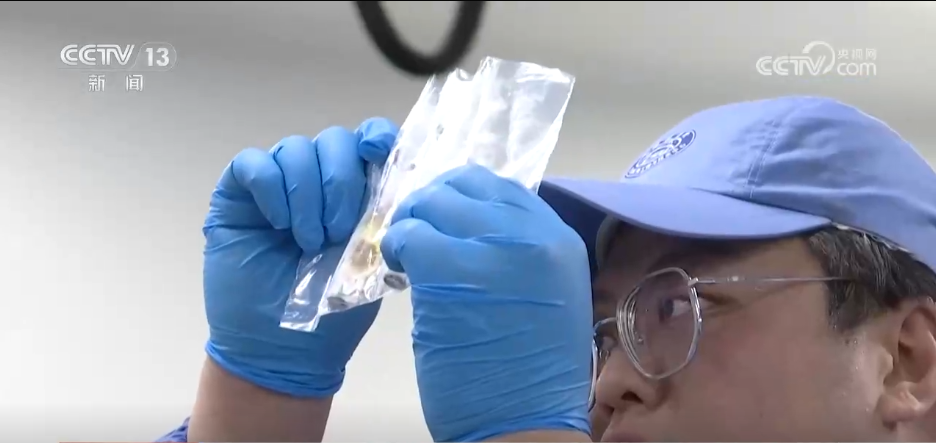
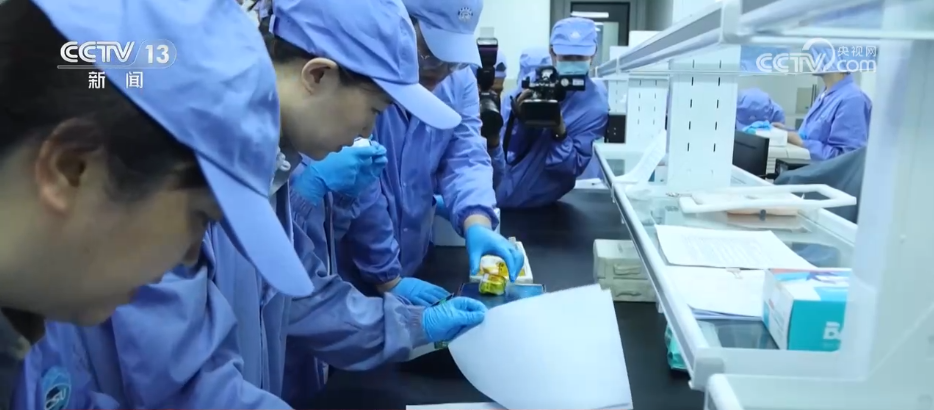
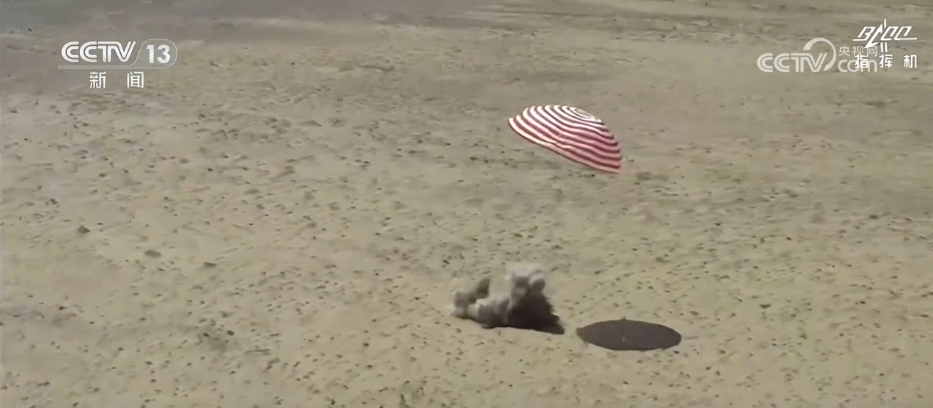
CCTV News: At 13:08 on April 30, the return capsule of the Shenzhou 19 manned spacecraft successfully landed in the east area of the Dongfeng Landing Field. The eighth batch of space science experimental samples of the China Space Station also returned to Earth with the Shenzhou 19 crew. The life science experimental samples were successfully delivered to scientists on the evening of the 30th.
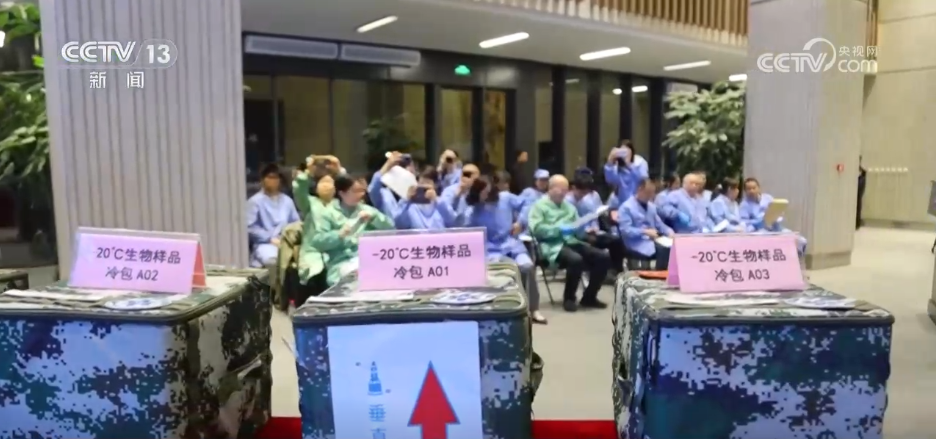
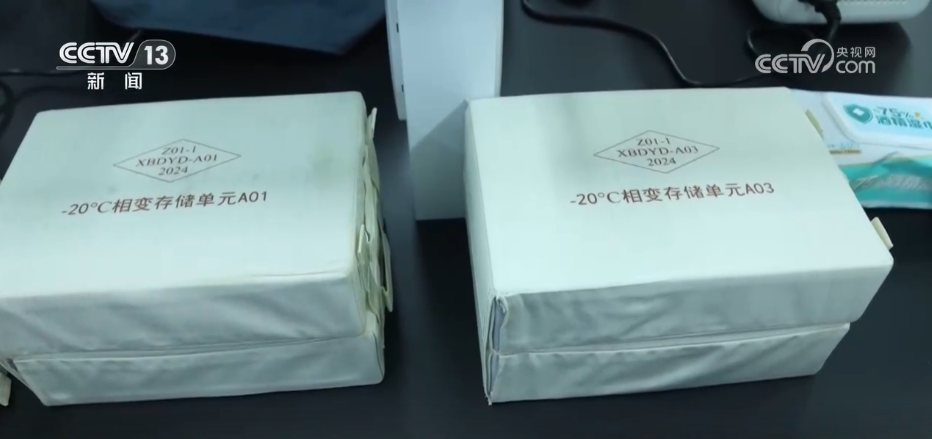
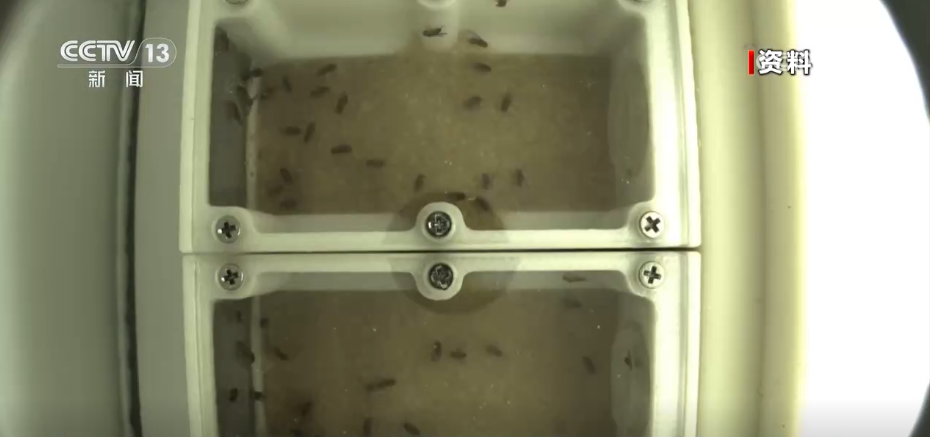
According to the reporter, the scientific experimental samples that were descending with the Shenzhou 19 spacecraft involved 25 experimental projects in multiple fields such as space life sciences, materials science, and new technology, with a total weight of about 37.25 kilograms. The experimental samples delivered on site are mainly life science experimental samples. Due to the special requirements of biological activity, these samples were transferred from the landing site to the Space Application Center of the Chinese Academy of Sciences as soon as possible. The life science experimental samples delivered on-site include 20 categories, including osteocytes and osteoblasts, human bronchial epithelial cells, protein samples and fruit flies, and are the most types of biological samples downward in the application and development stage of space stations. The fruit flies that fell this time are important model organisms like zebrafish and mice. About 75% of human pathogenic genes can be found in fruit flies. During the Shenzhou 19 crew in orbit, the fruit fly carried out a "submagnetic-microgravity" experiment in a special device of the space station. Under conditions similar to the moon and Mars, where there is almost no magnetic field and no gravity, fruit flies have different behaviors from ground flights, such as floating and somersaults, and have successfully bred and cultivated the third generation. Li Yan, a researcher at the Institute of Biophysics, Chinese Academy of Sciences, said that when humans go to space, there will be magnetic field loss and gravity loss. In such a complex space environment, can humans survive and reproduce? Can you perform behavioral performance well and how is your brain function? This is the main goal of scientific researchers in conducting pre-research experiments.
It is understood that the downward material experimental samples will be transported back to Beijing with the return capsule in the future, including 22 types of high-strength steel and lunar soil reinforcement materials.
Space Life Science Experiments Help protect human health
Why should life science experiments be carried out in space? What "life codes" will these life science experimental samples reveal for us? Let’s learn about it together.
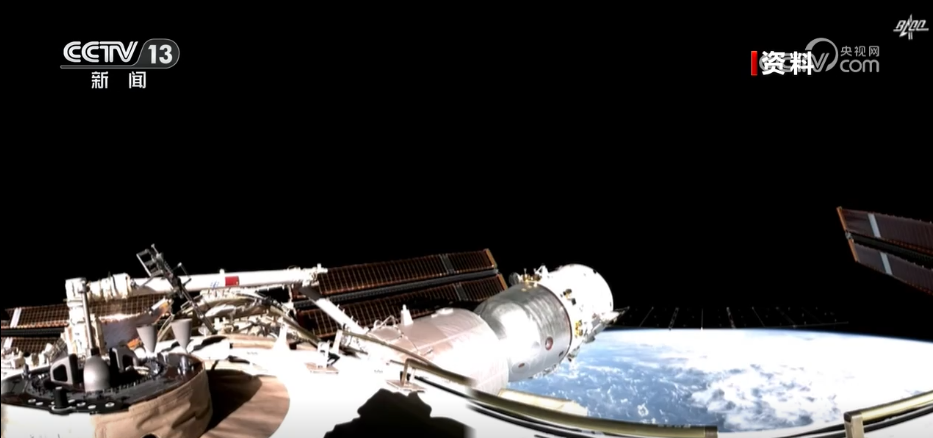
Spatial life sciences mainly study the response and changes of life activities of organisms from biological molecules to the whole level under the conditions of microgravity, space radiation, submagnetism and other conditions, and explore the deep mechanism of life phenomena. The cell samples returned with the Shenzhou 19 spacecraft include osteocytes and osteoblasts, human induced pluripotent stem cells, human bronchial epithelial cells, etc. Scientists will conduct molecular biology research on these samples.
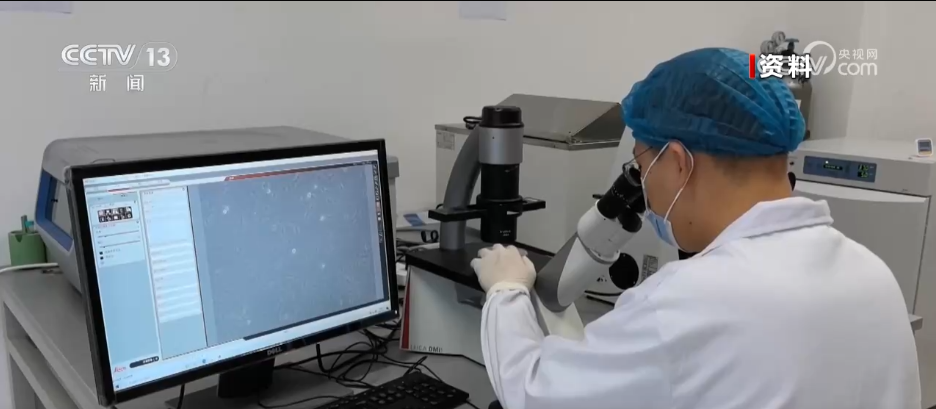
Experts said that relevant experiments not only help protect the health of astronauts, but may also bring new ideas to human health on the earth, such as the diagnosis and treatment of lung cancer; and provide new theoretical basis and experimental support for exploring health problems such as osteoporosis, muscular atrophy, and cardiovascular function decline. Recently, the Shenzhou 20 spacecraft carried three more cells into space. With the development of more life science experiments, it will provide more scientific basis for human health and future space exploration.
Material samples will be transported back to Beijing with the Shenzhou Spacecraft return capsule
There are 4 categories of 22 scientific experimental samples of space materials that will be transported back to Beijing with the Shenzhou Spacecraft return capsule. The subsequent research on these materials will provide technical support for the preparation of new ground materials and future human space activities.
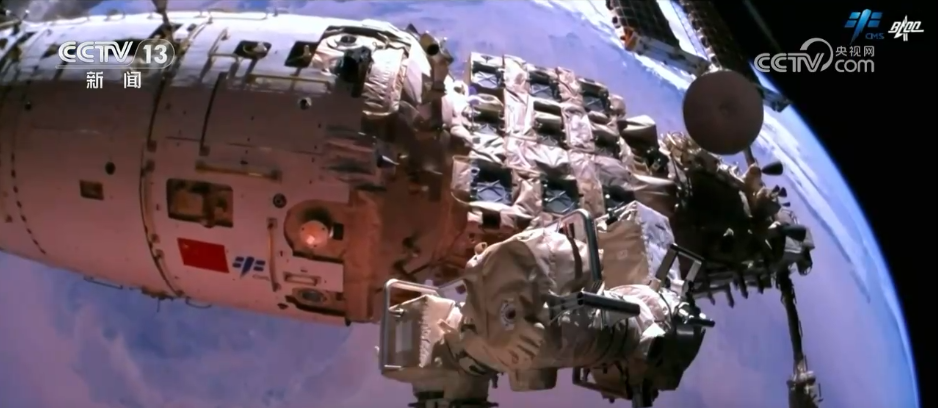
The scientific experimental samples of space materials returned this time mainly include tungsten-based ultra-high temperature alloys, high-strength steels, lunar soil reinforcement materials, gel composite lubricating materials, etc. Scientists will test and analyze the differences in tissue morphology, chemical composition and distribution of these samples. Experts said that through the research on these samples, technical support will be provided for the design of new high-performance alloys and the ground preparation of large-size high-performance crystals, and will help the manufacturing and application of key materials such as next-generation aero engine turbine blades and nanoelectronic devices.
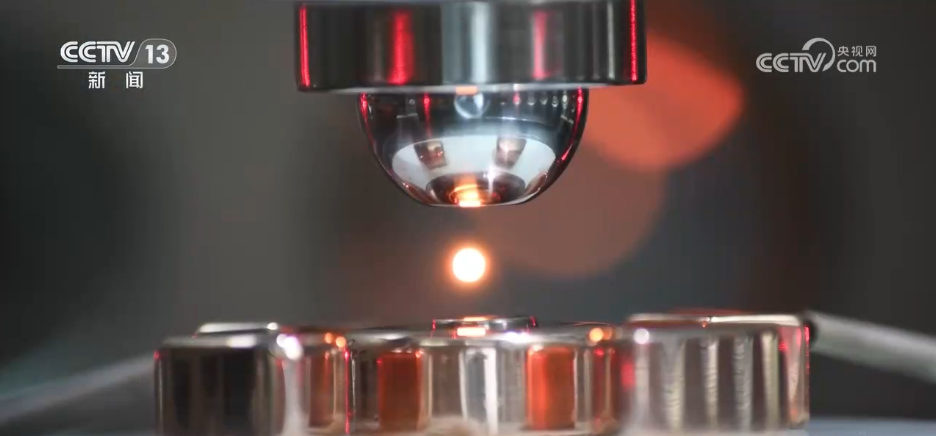
Some of the material samples returned this time have completed the exposure experiment. According to data statistics, more than 70% of the faults caused by spacecraft are directly or indirectly caused by space environmental factors. In-orbit exposure experiments can reveal the mechanisms of material tissue structure damage, performance decay, and functional failure and damage, and improve the stability, reliability and durability of materials and their products during space service. Ma Ping, chief designer of the Space Application Center of the Chinese Academy of Sciences, said that the study of these extra-cabin exposed experimental samples will promote high-performance and durable lunar soil reinforcement materials, as well as large foldable structural materials with flexible solar wings, as well as some high-performance and long-life lubricating materials, which will provide important technical support for deep space exploration and human space activities.