CCTV News: Three astronauts of Shenzhou 19 will return to Earth on April 30. How did you go through many difficulties along the way home? Through augmented reality technology, we will learn about the entire process of Shenzhou 19’s return.
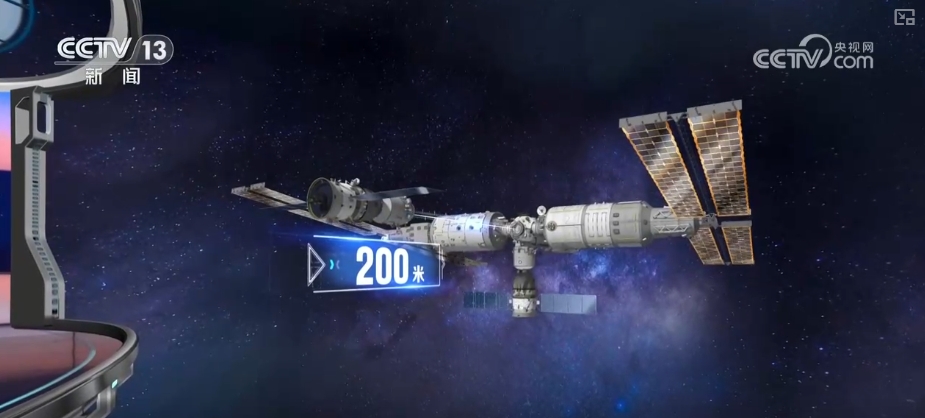
First, Shenzhou No. 19 evacuated the forward port of the node compartment of the space station and successively parked at the 19-meter and 200-meter parking points. Since then, the Shenzhou No. 19 spacecraft gradually moved away from the space station and completed a 180-degree turn, becoming a forward-flying posture, that is, from a propulsion cabin in front to an orbital cabin in front.
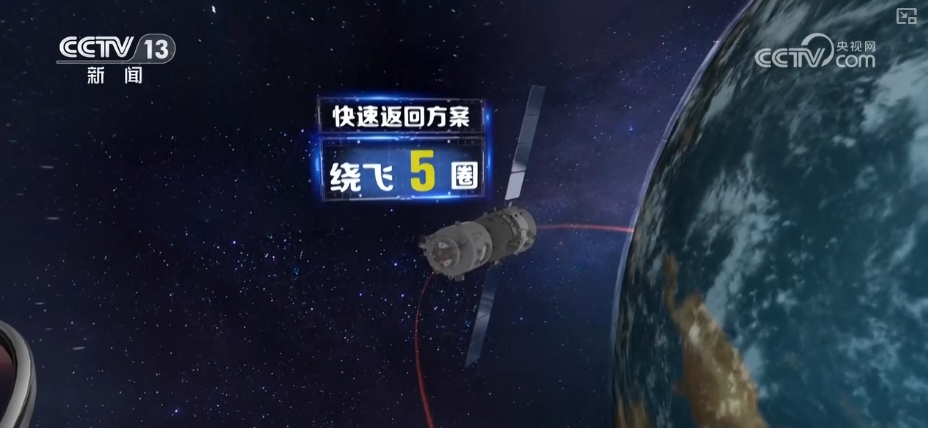
This time, Shenzhou 19 returns still adopts the "fast return plan", and the number of laps around the earth was shortened from the previous 11 laps to 5 laps, which took 7 and a half hours. It greatly shortens the return time of astronauts and also reduces the discomfort of astronauts staying in the narrow return capsule for a long time.
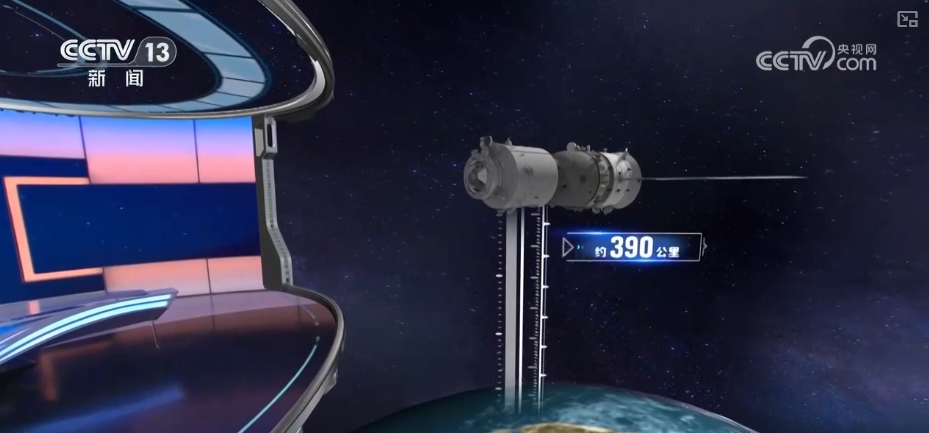
After 5 laps of preparation and waiting, the final sprint stage begins. In about 50 minutes, the return capsule will return to the ground from an altitude of about 390 kilometers. Along the way, the return capsule has to go through many difficulties, and there are four sets of key actions during this period.
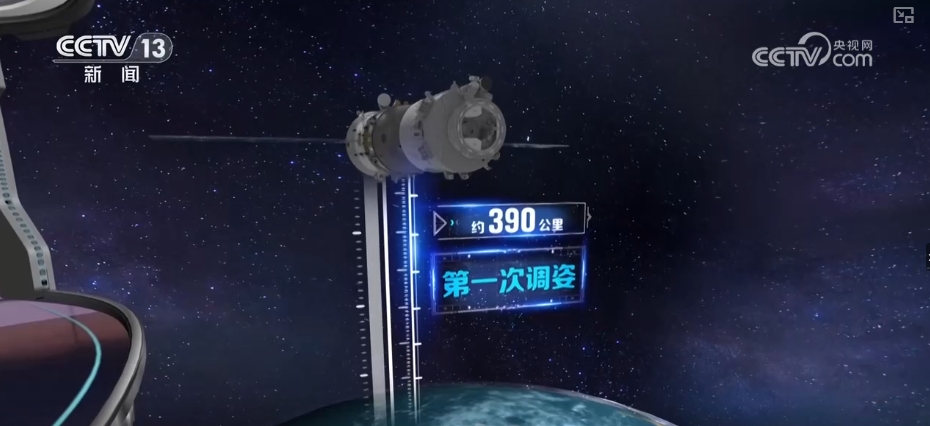
The first group, two pose adjustments and orbital rebate separation. This set of actions is completed at an altitude of approximately 390 kilometers. First, adjust the posture and rotate the spacecraft 90 degrees horizontally.
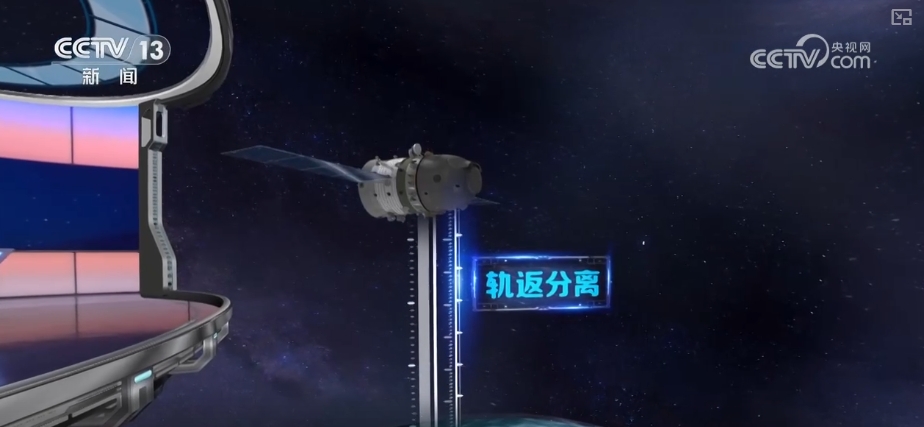
Once the posture is adjusted is in place, the orbital rebate separation is immediately, that is, the separation between the track compartment and the return compartment. After the orbital separation, the Shenzhou spacecraft had only two cabins, that is, a combination of the return capsule and the propulsion capsule.
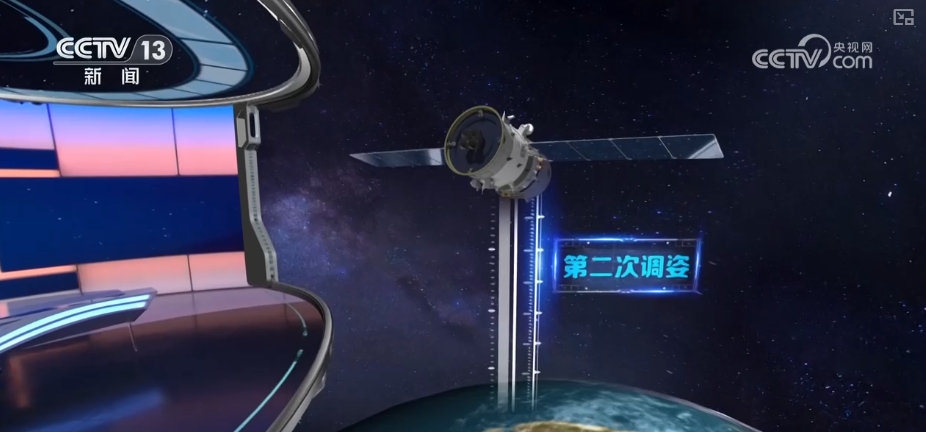
After the orbital re-release, the spacecraft is adjusted in the second position, continuing to rotate 90 degrees in the horizontal direction, becoming the propulsion cabin in front and the return cabin in back, that is, flying backwards, and the propulsion cabin will also rise up, with a pitch angle to prepare for braking and deceleration and entering the return orbit.
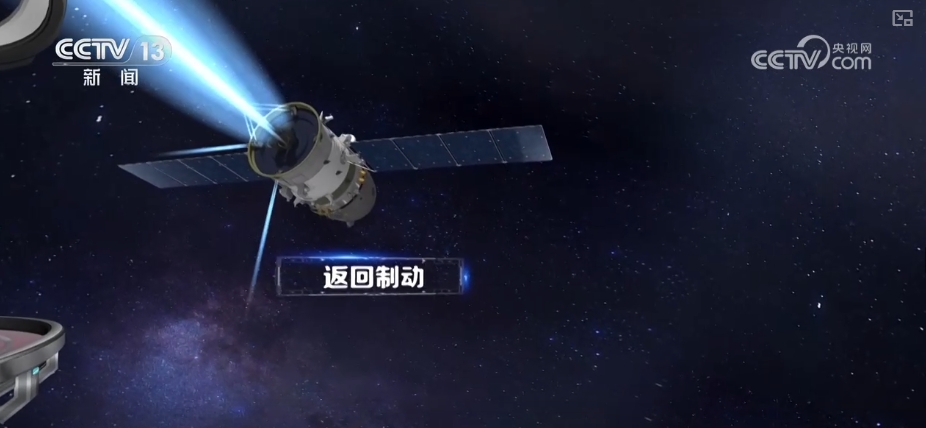
Two adjustments and orbital rebate separations, this process is very fast, lasting about 120 seconds, and it is all completed in about two minutes. Then the return braking starts. During the return braking process, in addition to ignition of the main engine at the bottom of the propelling bilge, the side attitude-controlled engine is also constantly working. This is to keep the posture stable while braking. Return braking usually lasts about 150 seconds to 180 seconds.
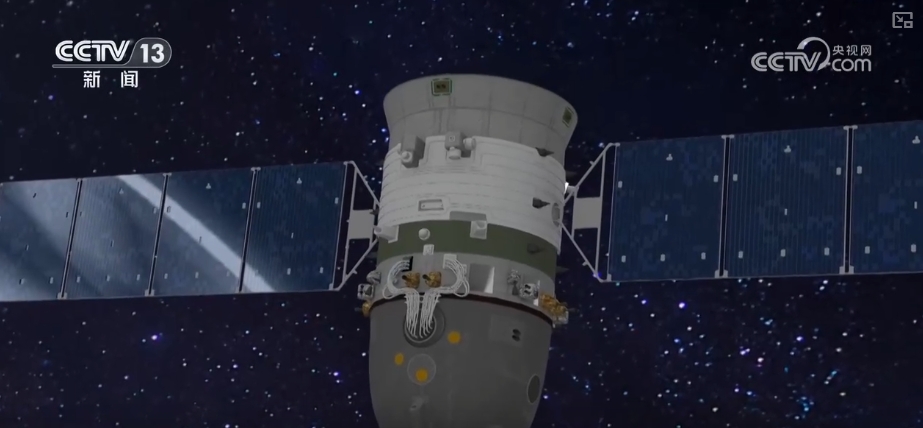
After braking is over, the spacecraft enters the return orbit and the altitude gradually drops.
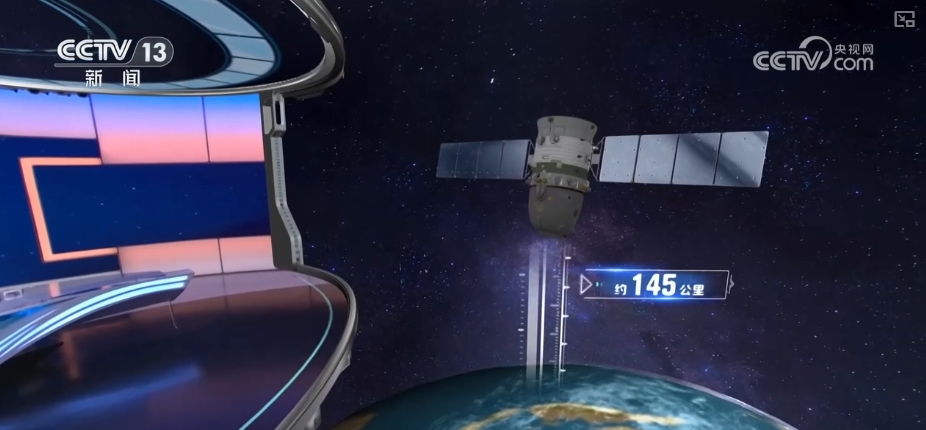
When about 145 kilometers from the ground, the second key action came - push-back separation, and the propulsion cabin and return capsule separation. The propulsion capsule was burned as it crossed the atmosphere, while the return capsule returned to the ground alone.
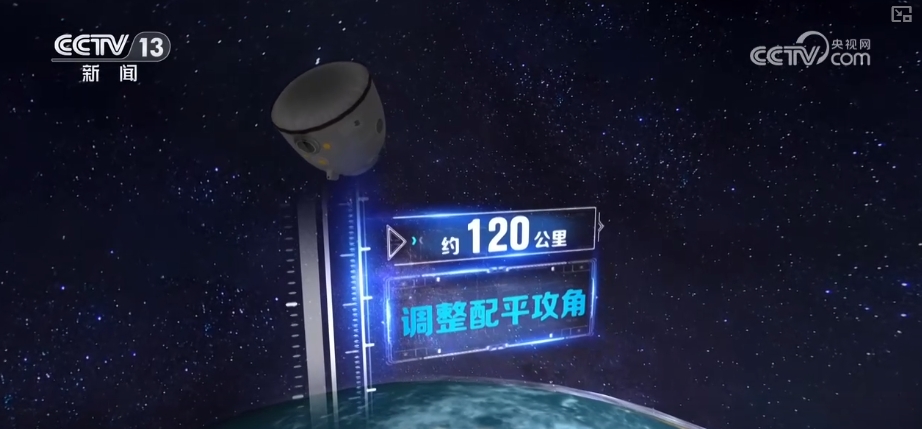
At about 120 kilometers, the return capsule is about to enter the atmosphere. At this time, the leveling angle of attack adjustment must be made, that is, the heat-proof bottom is facing forward.
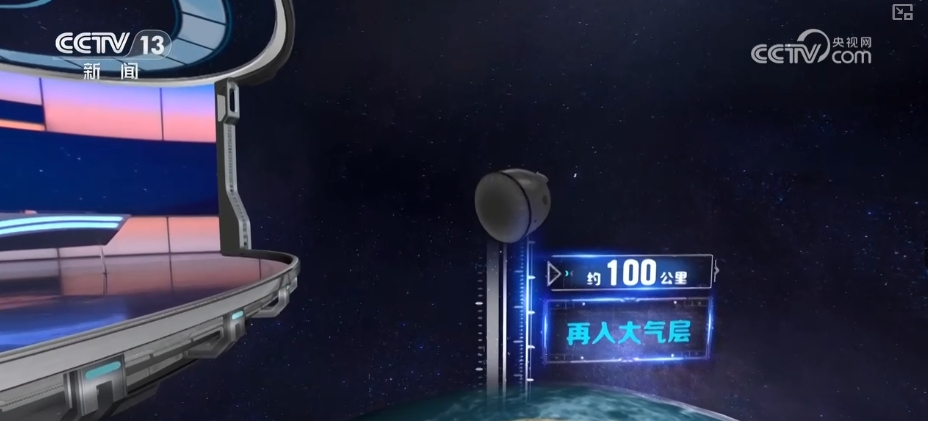
When at an altitude of about 100 kilometers from the ground, the return capsule rushed into the atmosphere at a speed of about 7 kilometers per second. Due to violent friction with the atmosphere, the return capsule was like a fireball passing through the sky. At an altitude of about 80 to 40 kilometers, a plasma shell will form outside the return capsule, causing the radio communication between the ground and the return capsule to be interrupted. This stage is also called the "black barrier zone".
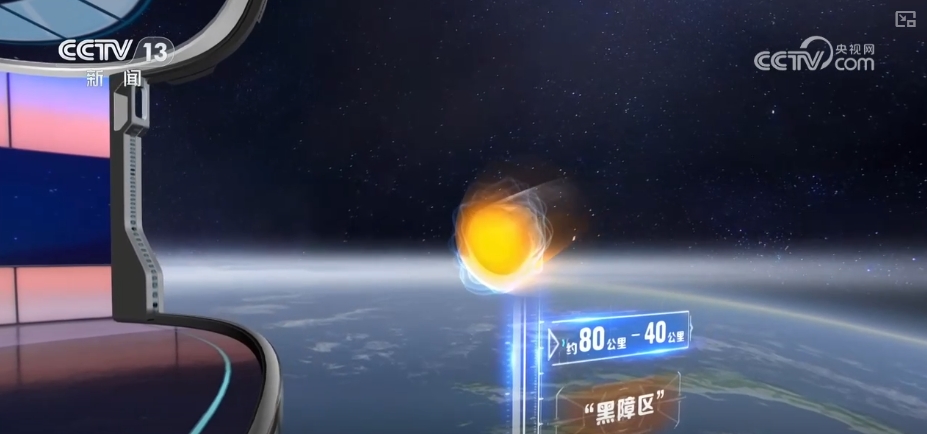
When passing through the black barrier, the return capsule speed is greatly reduced. By the time the black barrier is out, the return capsule speed has dropped to about 200 meters per second, that is, the speed is more than 700 kilometers per hour. This speed is still too fast and you need to continue to slow down.
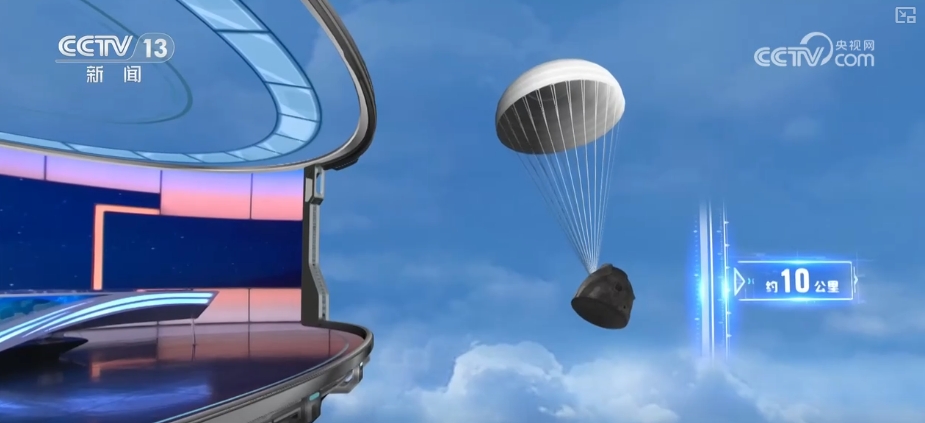
The return capsule continued to descend to a height of 10 kilometers. At this time, the air was already dense enough. The third key action came - to open the umbrella. The process of opening the umbrella is to open the umbrella at three levels, pulling one by one, guiding the umbrella, decelerating the umbrella, and finally the main umbrella. After the 1200 square meters of main umbrella is opened, the return capsule drops to 7 to 8 meters per second.
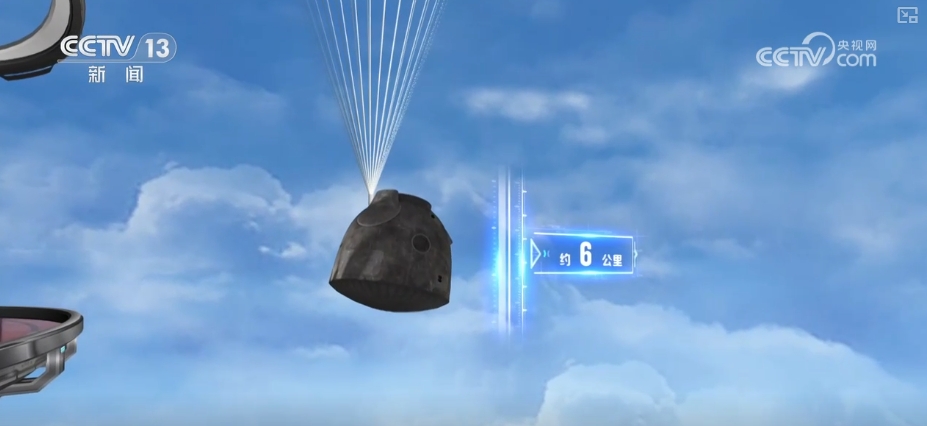
When reaching an altitude of about 6 kilometers, the return capsule must throw away the heat-proof bottom.
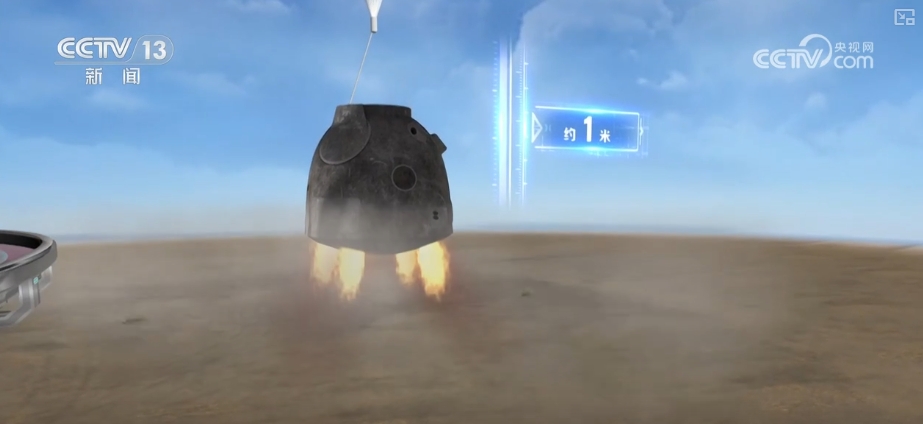
The final fourth step landing. When about 1 meter away from the ground, four landing reverse thrust engines were ignited at the same time, the return capsule further slowed down, and finally landed safely at a speed of about 2 meters per second.