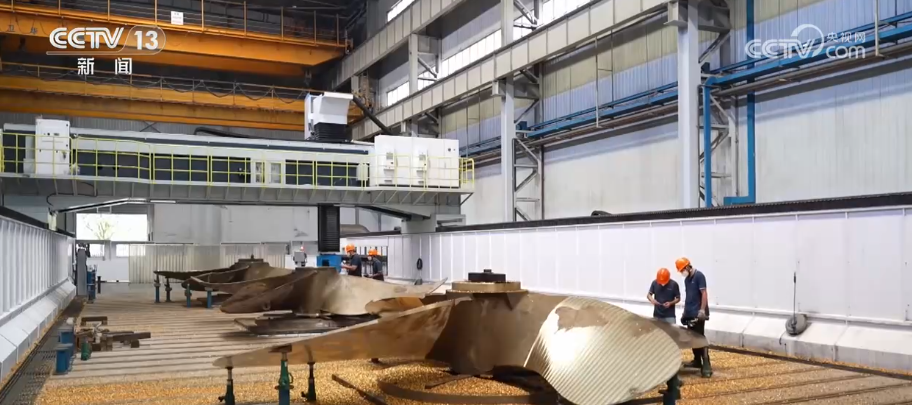
CCTV News (News Network): General Secretary Xi Jinping pointed out that logistics is the "gang" of the real economy, connecting production and consumption, domestic trade and foreign trade, and it is necessary to effectively reduce the logistics costs of the whole society, enhance the core competitiveness of the industry, and improve the efficiency of economic operation. Since the beginning of this year, my country has introduced a series of effective measures to strengthen the network, adjust the structure, and promote integration to open up bottlenecks and checkpoints in the transportation and logistics field, promote the construction of a unified national market, and provide strong support for high-quality economic development.
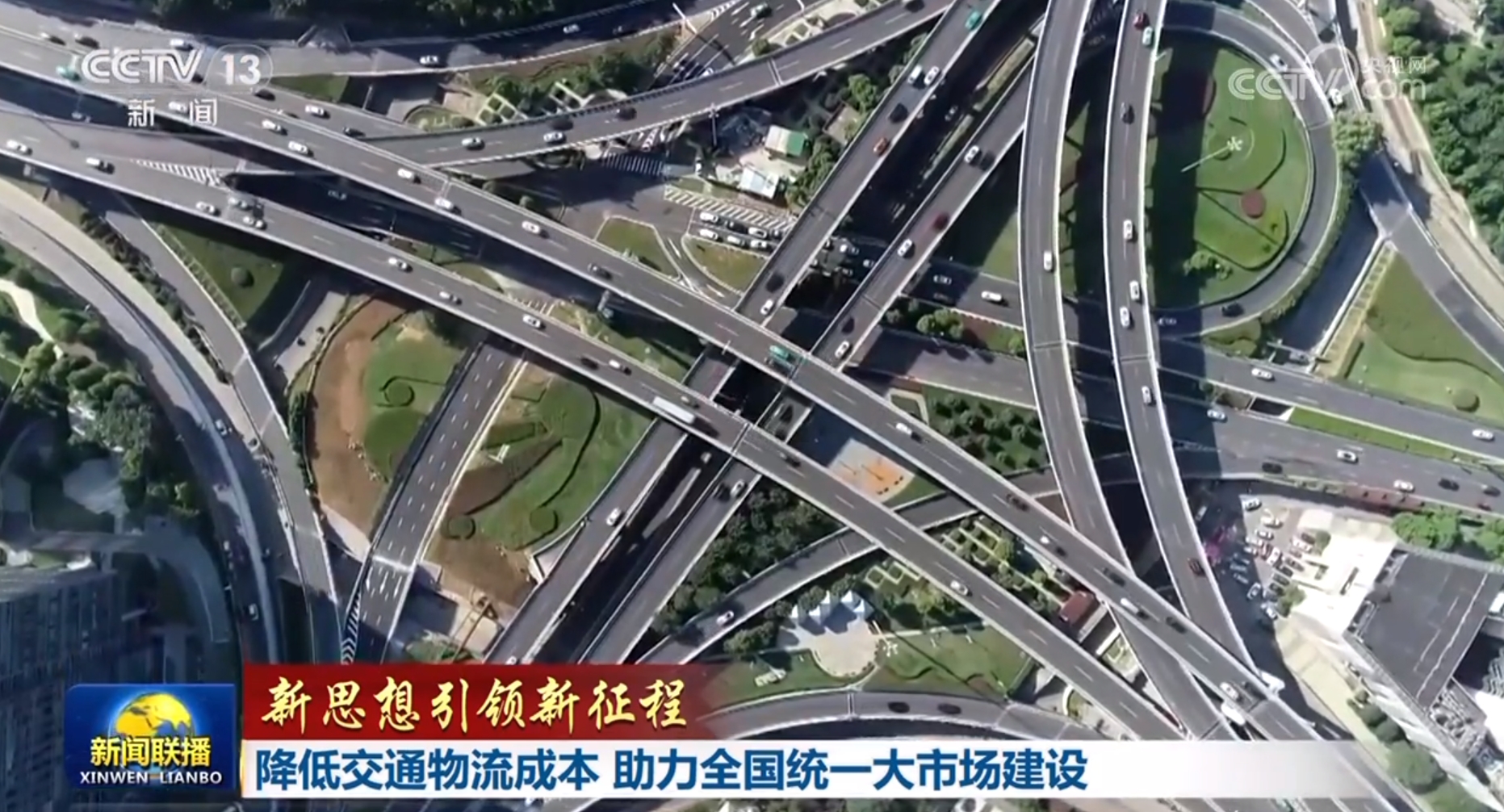
This is the world's largest comprehensive three-dimensional transportation network. There are about 90,000 ships entering and leaving the port, 15,000 civil aviation flights soar in the blue sky, 35 million cars traveling through the expressway, and 500 million express delivery shuttles and flowing across the land of China every day. Since the beginning of this year, my country's freight data has set new highs, and logistics costs have continued to decline, injecting strong impetus into the high-quality development of China's economy.
General Secretary Xi Jinping attaches great importance to reducing logistics costs and building a unified national market. From coastal ports to inland logistics parks, from China-Europe freight trains to the new western land-sea channel, the General Secretary has repeatedly emphasized the need to promote the healthy development of the logistics industry. In 2023, General Secretary Xi Jinping emphasized at the Central Economic Work Conference that it is necessary to accelerate the construction of a unified national market, strive to break down various forms of local protection and market division, and effectively reduce logistics costs in the whole society. The Third Plenary Session of the 20th Central Committee of the Communist Party of China has put forward clear requirements for further promoting the unified national market. It is necessary to improve the circulation system, accelerate the development of the Internet of Things, improve integrated circulation rules and standards, and reduce the logistics costs of the whole society.
In November last year, the General Office of the CPC Central Committee and the State Council issued the "Action Plan for Effectively Reducing Logistics Costs in the Whole Society", promoting the accelerated implementation of a series of reform measures.
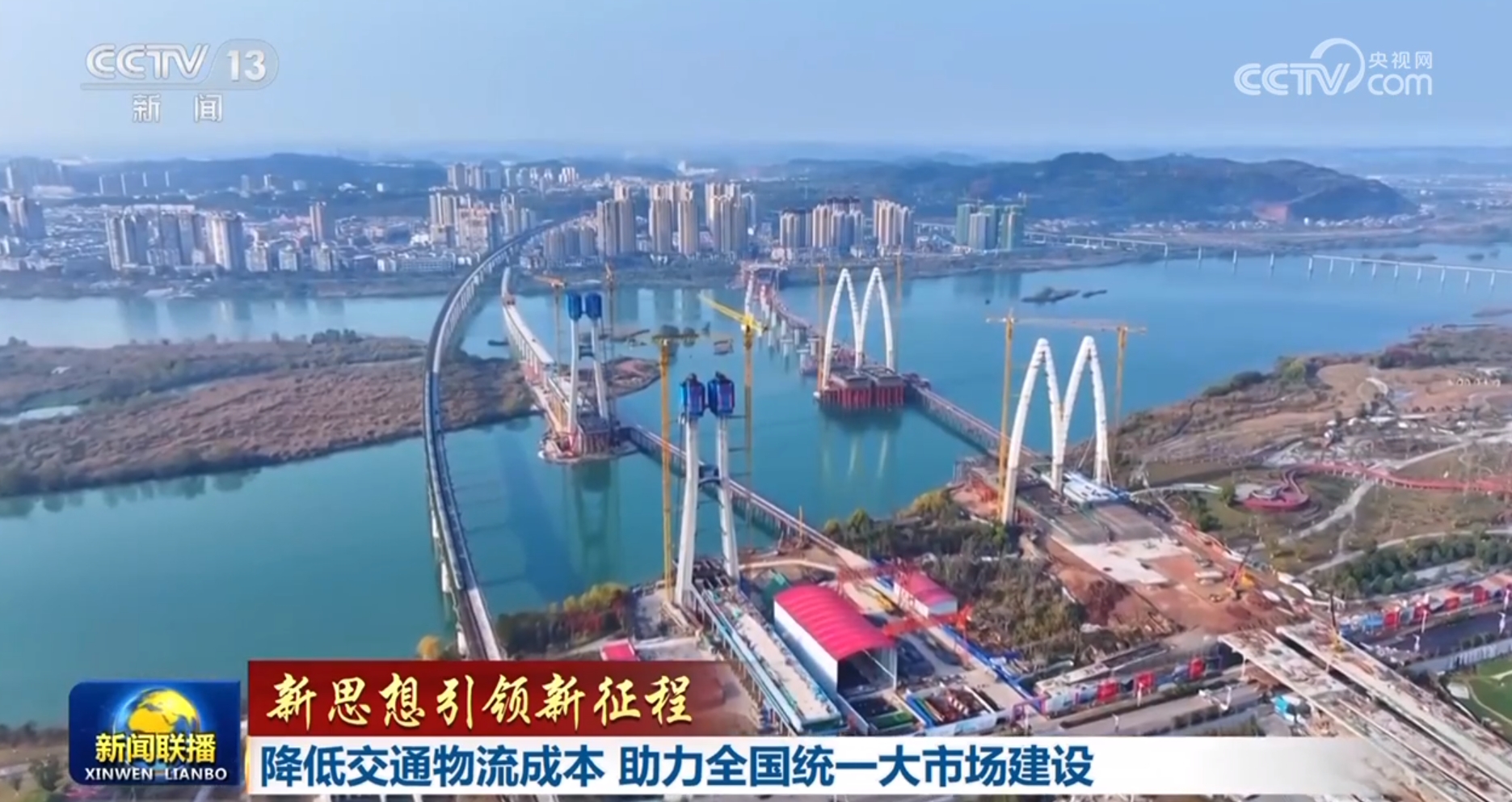
Improving the transportation network is the basis for breaking up logistics bottlenecks. The latest data shows that my country completed 675.2 billion yuan in transportation fixed asset investment in the first quarter, continuing to maintain a high level. Up to now, the total mileage of my country's comprehensive transportation network exceeds 6 million kilometers. The main channel of the "eight vertical and eight horizontal" high-speed railway is constantly extending, and 96% of the cities with a population of more than 500,000 in the urban area have already been opened to the high-speed railway. The total mileage of rural roads is 4.6 million kilometers, solving the problem of hardened roads in about 1,100 townships and more than 100,000 established villages. The continuous improvement of the comprehensive three-dimensional transportation network has shortened the time and space distance of China and made logistics more efficient and faster.
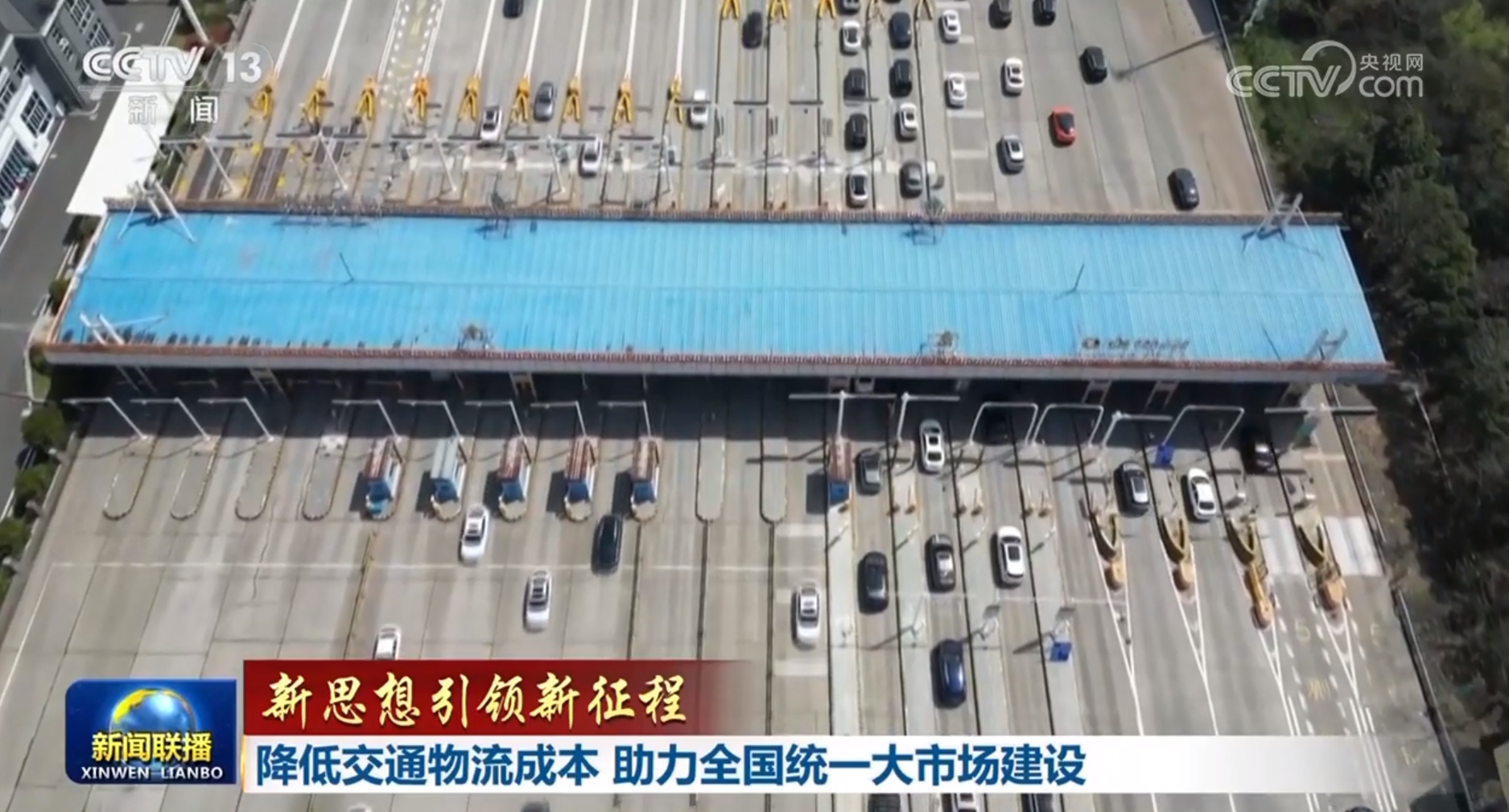
Improving traffic efficiency is an important means to reduce logistics costs. At present, my country's expressway opening mileage reaches 190,000 kilometers, ranking first in the world. The network operation of the unstopped toll system on highways has been achieved nationwide. It is estimated that the average time for logistics vehicles installing ETC to pass through toll stations has been shortened from about 15 seconds to about 3 seconds, greatly improving traffic efficiency.
Digital technology is the link that deeply integrates transportation and logistics. At present, more than 3,000 online freight companies across the country have improved vehicle utilization efficiency by about 50% through intelligent scheduling of big data computing power. At present, the whole country is implementing 50 pilot applications of intelligent transportation in depth, and eight provinces and cities including Beijing, Jiangsu, and Zhejiang are undergoing digital transformation and upgrading of highway and water transportation infrastructure.
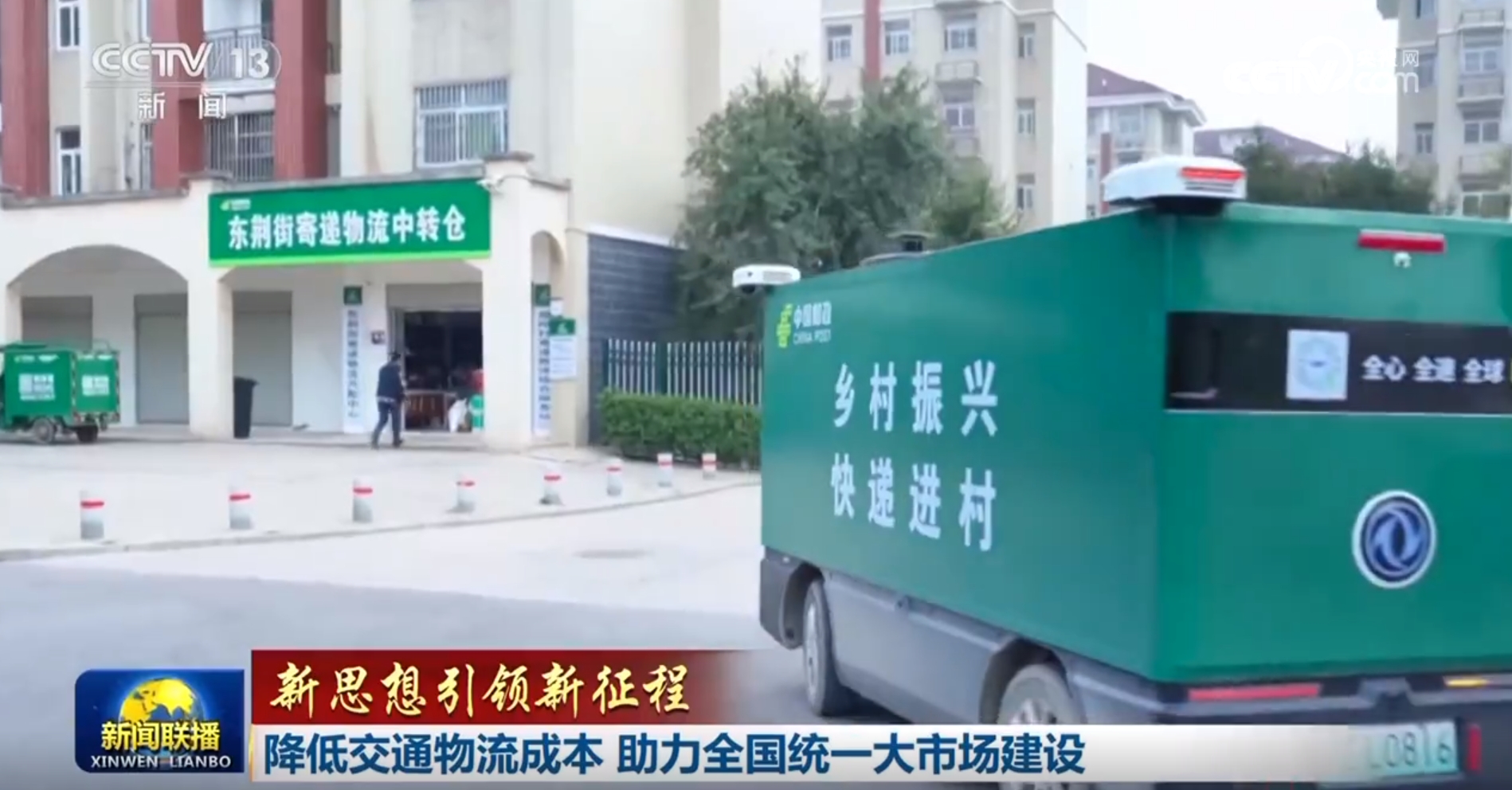
This year, the country proposed to accelerate the construction of a unified and open transportation market and implement special actions to reduce logistics costs in the whole society. In the next step, the Ministry of Transport will accelerate the improvement of transportation and logistics infrastructure, promote the implementation of railway freight network projects and inland water transport system connectivity projects, promote the deep integration of transportation and logistics with the modern industrial system, and strive to reduce the ratio of total social logistics costs to GDP from the current 14.1% to 13.5% by 2027. A unified and open transportation market is strongly supporting the in-depth advancement of the construction of a unified national market.